Virtual Numbers for Social Media Verification Guide | OTPGET
Virtual Numbers for Social Media Account Verification
Signing up for an online service often comes with a familiar step: enter your phone number and wait for a verification code.
For some users, using a personal mobile number every time is not ideal. They may want to keep personal contact information separate from online accounts, manage business-related services independently, or simply avoid giving their primary number to every website that requests phone verification.
This is where virtual numbers for social media account verification can be useful.
A virtual number can provide access to SMS messages without requiring a traditional mobile SIM in the same way as a personal phone number. When a platform supports virtual numbers for its verification process, the number may be used to receive a verification OTP and complete the required confirmation step.
Services such as OTPGET can make this process more convenient by providing access to virtual numbers and receiving SMS verification codes online, where supported. However, compatibility varies between platforms, so users should always check the relevant service's verification requirements and terms.
What Is a Virtual Number?
A virtual phone number is a telephone number that operates through an online or cloud-based service rather than being tied directly to a traditional physical SIM card in the way a conventional mobile number typically is.
Depending on the provider, a virtual number may be capable of receiving SMS messages, calls, or both. SMS-enabled virtual numbers are particularly useful for services that send a verification code by text message.
For example, when a website requests phone number verification, a supported virtual number can sometimes receive the SMS verification code. The user can then enter that code into the website or application to complete the verification process.
This makes an online number for verification a practical option for certain legitimate workflows where using a personal mobile number is inconvenient or undesirable.
Why Do Social Media Platforms Require Phone Verification?
Phone number verification is commonly used as one layer of account security. A platform may request a phone number to confirm that an account has access to a reachable communication channel.
Verification can serve several purposes, including:
- Confirming account ownership or contact information
- Supporting account recovery
- Adding an additional layer of security
- Reducing certain forms of automated abuse
- Helping platforms identify suspicious or unusual account activity
Not every platform uses the same verification system. Some may use SMS, while others may offer email, authenticator applications, security keys, or other verification methods.
As a result, a virtual number is not automatically compatible with every social media service. The relevant platform's requirements should always be checked before choosing a number.
What Are Virtual Numbers for Social Media Account Verification?
Virtual numbers for social media account verification are online-accessible phone numbers that may be used to receive SMS verification codes when a social media platform accepts that type of number.
The basic concept is straightforward. Instead of sending a verification SMS to your personal mobile number, a supported service can send the message to the virtual number. The incoming verification code can then be viewed through the virtual number provider.
This can be useful when a user wants greater separation between personal communications and online account activity.
For example, someone managing legitimate business-related accounts may prefer not to connect every online service to their primary personal number. Similarly, a developer testing a legitimate application may need an SMS-enabled number for a supported testing workflow.
The important point is that virtual numbers are a tool for managing communications and verification—not a method for bypassing platform rules or security controls.
Common Problems With Using a Personal Phone Number
Using a personal mobile number for every online service can create practical privacy and management concerns.
Privacy
Some users simply prefer not to share their primary phone number with every website or service that requests verification.
Mixed Personal and Online Activity
A personal number may already be used for family, friends, work, banking, and other important communications. Adding numerous online services to the same number can make it harder to keep those activities separate.
Managing Multiple Legitimate Services
Businesses, teams, developers, and other users may have several legitimate online services that require phone verification. A separate virtual number can sometimes make these workflows easier to organize.
Unwanted Communication
Depending on the service and its policies, a phone number may later be associated with notifications or other messages. Keeping verification activity separate can help users maintain clearer boundaries around their primary number.
A virtual number does not eliminate every privacy or security concern, but it can provide another option when a supported platform allows its use.
How OTPGET Can Help
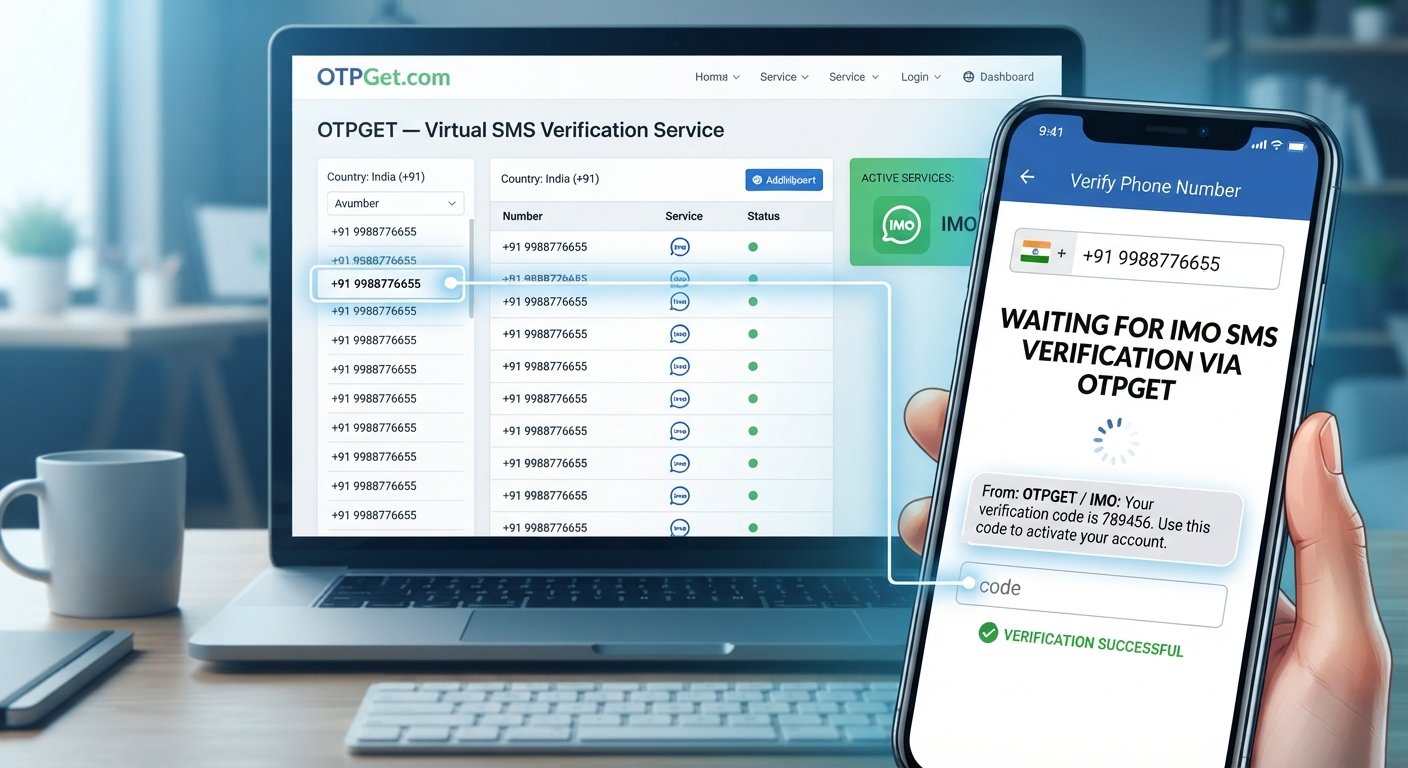
OTPGET is a practical option for users who need access to virtual numbers and SMS-based verification for supported online services.
Instead of relying exclusively on a personal mobile number, users can obtain a suitable virtual number through the service and use it where legitimate verification with a virtual number is supported.
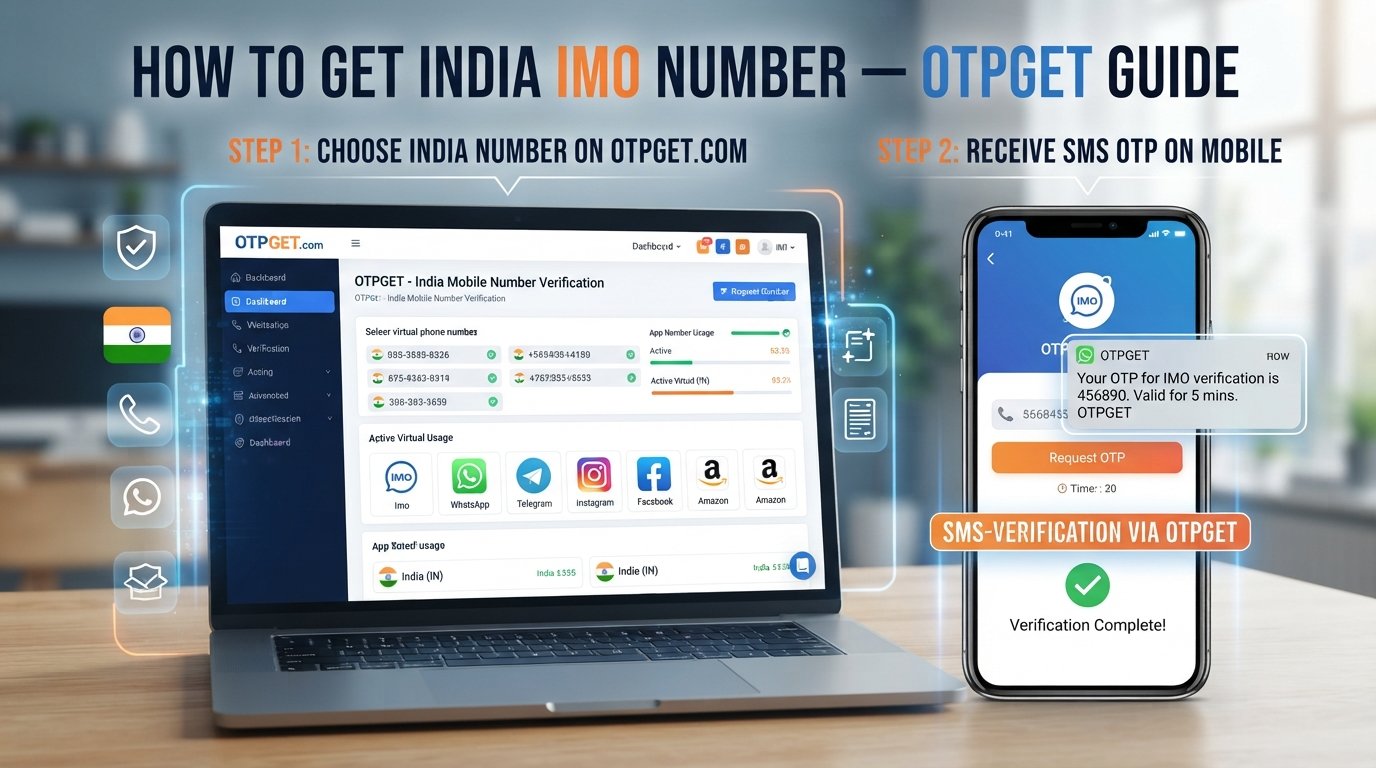
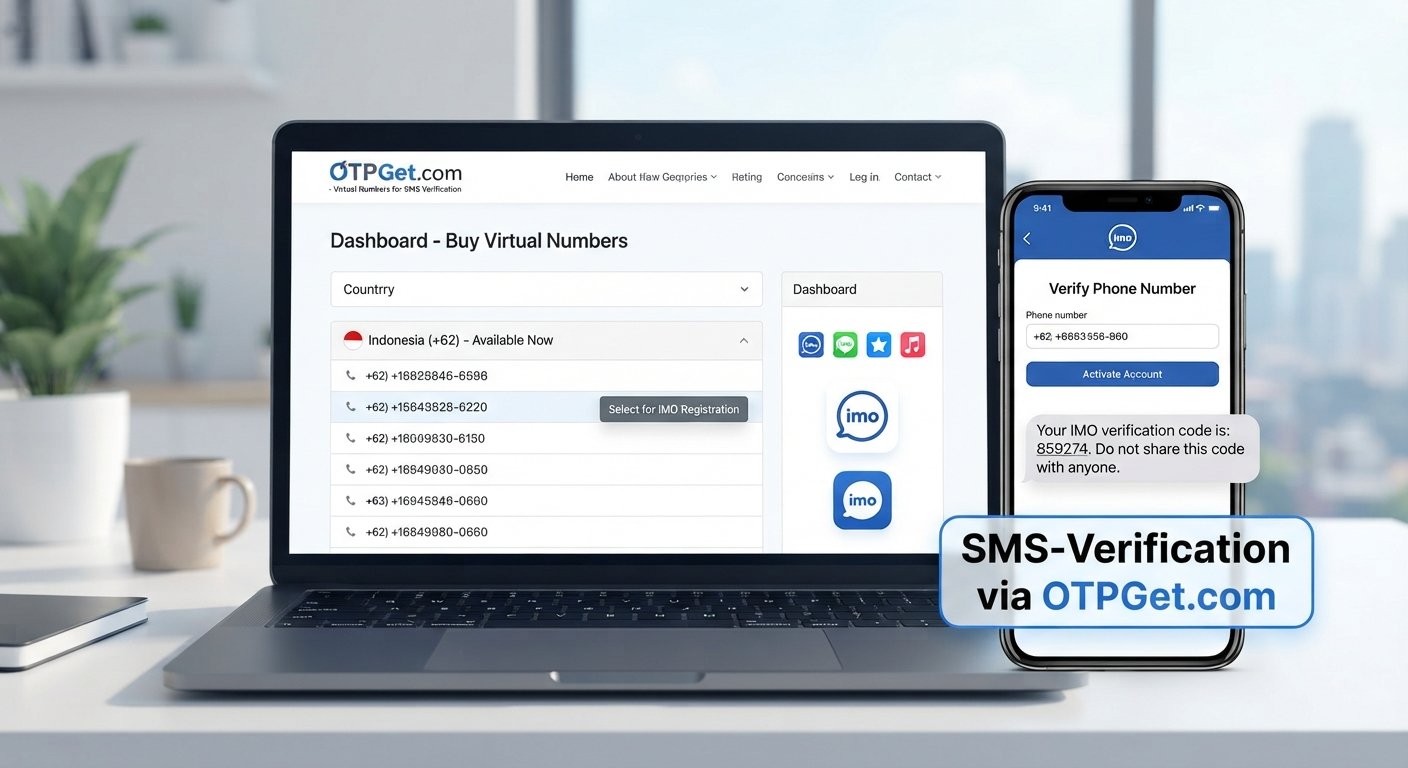
A typical workflow looks like this:
- Choose a suitable virtual number. Select a number appropriate for the supported service and required verification method.
- Enter the number during verification. Use the virtual number on the relevant website or application where virtual numbers are accepted.
- Request the verification SMS. The platform sends its verification message if the number and verification method are supported.
- Check OTPGET for the incoming code. The verification OTP can be accessed through the applicable OTPGET interface.
- Enter the code on the service. Submit the SMS verification code to complete the required verification step.
The exact experience can vary depending on the platform, number availability, and verification requirements.
The main convenience is that OTPGET for SMS verification can give users an online way to manage verification messages without immediately relying on their personal phone number.
Key Benefits of Using OTPGET for Verification
For legitimate verification workflows, an OTP receiving service such as OTPGET may offer several practical advantages:
- Greater privacy: Keep a personal mobile number separate from supported online verification activities.
- Convenient access: Manage verification SMS through an online service rather than depending exclusively on a personal SIM.
- Simplified OTP management: Keep verification codes associated with the relevant virtual number.
- Separation of activities: Maintain clearer boundaries between personal communications and online services.
- Useful for supported workflows: Virtual numbers can be practical for business, testing, and other legitimate online activities where SMS verification is required.
- Online accessibility: A virtual number service can be useful when users need verification messages without using their primary phone number.
These benefits should be considered alongside the limitations of virtual numbers. A particular social media platform may reject certain number types, restrict their use, or require another verification method.
Virtual Number vs. Personal Mobile Number
Neither option is universally better. The right choice depends on the service, the purpose of verification, and the user's privacy and accessibility requirements.
| Factor | Virtual Number | Personal Mobile Number |
|---|---|---|
| Privacy | Can provide greater separation from personal contact information | Directly connected to personal communications |
| Convenience | Useful for supported online verification workflows | Familiar and widely used |
| Accessibility | Managed through the relevant online provider | Accessed through a personal device/SIM |
| Separation | Helps separate personal and online activity | Personal and online activity may share one number |
| Verification compatibility | Varies by platform and provider | Often broadly recognized, but platform rules still apply |
| Long-term reliability | Depends on provider and number availability | Generally more stable for personally owned mobile service |
A virtual number is therefore best viewed as an additional option rather than a universal replacement for a personal mobile number.
What to Consider Before Choosing a Virtual Number
Before selecting a virtual number for verification, consider several factors.
Platform Compatibility
First, check whether the website or social media platform accepts the type of number you intend to use. Some services may limit or reject virtual numbers.
SMS Availability
If the purpose is to receive a verification code, the number must support the required SMS functionality. An online phone number is not automatically SMS-enabled.
Number Availability
The availability of numbers can change. Make sure a suitable number is available for the service and verification workflow you need.
Number Duration
Consider whether you need short-term access or a number for an ongoing legitimate purpose. The expected duration can affect which option makes sense.
Privacy Practices
Review how the provider handles information and access to messages. Verification codes can contain sensitive account information and should be treated carefully.
Reliability
A verification service is only useful if messages can be received through the supported workflow. Consider the provider's service experience and the limitations associated with the number type.
Terms of Service
Always follow the rules of the social media platform or online service. A virtual number should be used for legitimate purposes rather than to evade account restrictions, create deceptive identities, or circumvent security controls.
For users considering OTPGET virtual numbers, these same checks can help determine whether the service is appropriate for a particular verification requirement.
Is Using a Virtual Number Safe?
A virtual number can be a useful privacy and communication tool, but safety depends on how it is provided and used.
The provider matters because verification messages can contain sensitive information. Users should also understand whether a number is temporary, how long access is available, and what limitations may apply.
Platform policies are another important factor. A service may accept a virtual number in one situation but require a different verification method in another.
Users should also protect verification codes. Never share an OTP unnecessarily, and remember that legitimate support staff should not need your one-time verification code simply to provide routine assistance.
For important accounts, use additional security features such as strong passwords, authenticator applications, passkeys, or other security options when the platform provides them.
Best Practices for Social Media Account Verification
Using a virtual SMS number responsibly starts with a few simple habits:
- Choose a number supported by the platform's verification process.
- Use virtual numbers for legitimate account and business purposes.
- Protect every verification code as sensitive information.
- Use strong, unique passwords for online accounts.
- Enable additional security features when available.
- Keep account recovery information accurate and up to date.
- Review the platform's terms before using a virtual number.
- Avoid suspicious, unauthorized, or abusive account activity.
- Do not assume a virtual number guarantees successful verification.
These practices help keep the focus on privacy, convenience, and responsible digital verification.
Frequently Asked Questions
1. What is a virtual number for social media verification?
It is an online-accessible phone number that may receive SMS verification codes from supported social media services. It can help users separate online verification from their personal mobile number.
2. Can I receive SMS verification codes with a virtual number?
Yes, an SMS-enabled virtual number may receive verification messages when the relevant platform supports that type of number. Compatibility varies between services.
3. How does OTPGET help with verification?
OTPGET can provide access to virtual numbers and help users receive SMS verification codes through supported workflows. Users can then enter the received OTP on the relevant service.
4. Can every social media platform accept virtual numbers?
No. Verification policies differ between platforms, and some may restrict or reject virtual numbers. Always check the requirements of the service you are using.
5. Is a virtual number safer than using my personal number?
It can provide additional separation and privacy, but safety depends on the provider, the platform, and how the number and verification codes are handled. It is not a universal security guarantee.
6. Can I use the same virtual number for multiple services?
That depends on the provider, number availability, and the requirements of each service. Users should not assume that one virtual number will work for every platform or verification workflow.
7. What should I check before choosing a virtual number?
Check SMS availability, platform compatibility, number duration, provider reliability, privacy practices, and the relevant platform's terms of service.
Final Conclusion
A phone number can be an important part of online account verification, but not every user wants to connect their personal mobile number to every service.
Virtual numbers for social media account verification can provide a practical alternative when a platform supports them. They may help users separate personal communications from online activity, receive verification SMS messages, and manage legitimate digital services more conveniently.
OTPGET fits into this process by providing access to virtual numbers and SMS verification functionality for supported use cases. Its usefulness ultimately depends on the requirements of the platform, the availability of an appropriate number, and the verification method being used.
If you need a virtual number for a legitimate verification workflow, explore OTPGET and check whether the available number and SMS functionality match the requirements of the service you intend to use.
8. Suggested Internal Links
- Virtual Numbers
- SMS Verification
- Temporary Phone Numbers
- Receive OTP Online
- OTP Verification Guide
- Online SMS Services
- Privacy and Online Verification
- Virtual Numbers for OTP
9. SEO Content Checklist
- Primary keyword: Included naturally
- Secondary keywords: Included throughout the article where relevant
- OTPGET brand mentions: Included prominently and naturally
- H1: Included
- H2/H3 structure: Included
- SEO title: Included and optimized
- Meta title: Included
- Meta description: Included
- URL slug: Included
- Meta tags: Included in one comma-separated line
- FAQ section: Included with 7 questions
- Internal linking suggestions: Included
- Thumbnail prompt: Included
- Natural call to action: Included
- No calendar years: Confirmed
- No keyword stuffing: Confirmed
- Human-readable content: Confirmed
- Platform compatibility claims: Kept conditional and non-absolute
- Verification/security claims: Avoid unsupported guarantees
- Trust and safety framing: Included