SEO Title: How to Get a Virtual Number That Receives SMS: A Simple Guide
How to Get a Virtual Number That Receives SMS
Need to verify an online account but would rather not share your personal number? Or perhaps you need a separate number for business communication, testing, or online services?
A virtual number that receives SMS can provide a practical alternative. Instead of relying on a physical SIM in your everyday phone, you can use an online number designed to receive text messages through a supported service.
The important part is choosing the right type of number and understanding where it can be used. This guide explains how virtual SMS numbers work, what to look for, and how OTPGET can be a convenient option to explore.
What Is a Virtual Number That Receives SMS?
A virtual number is a phone number that is provided through an online or cloud-based service rather than being tied directly to a traditional physical SIM card in your phone.
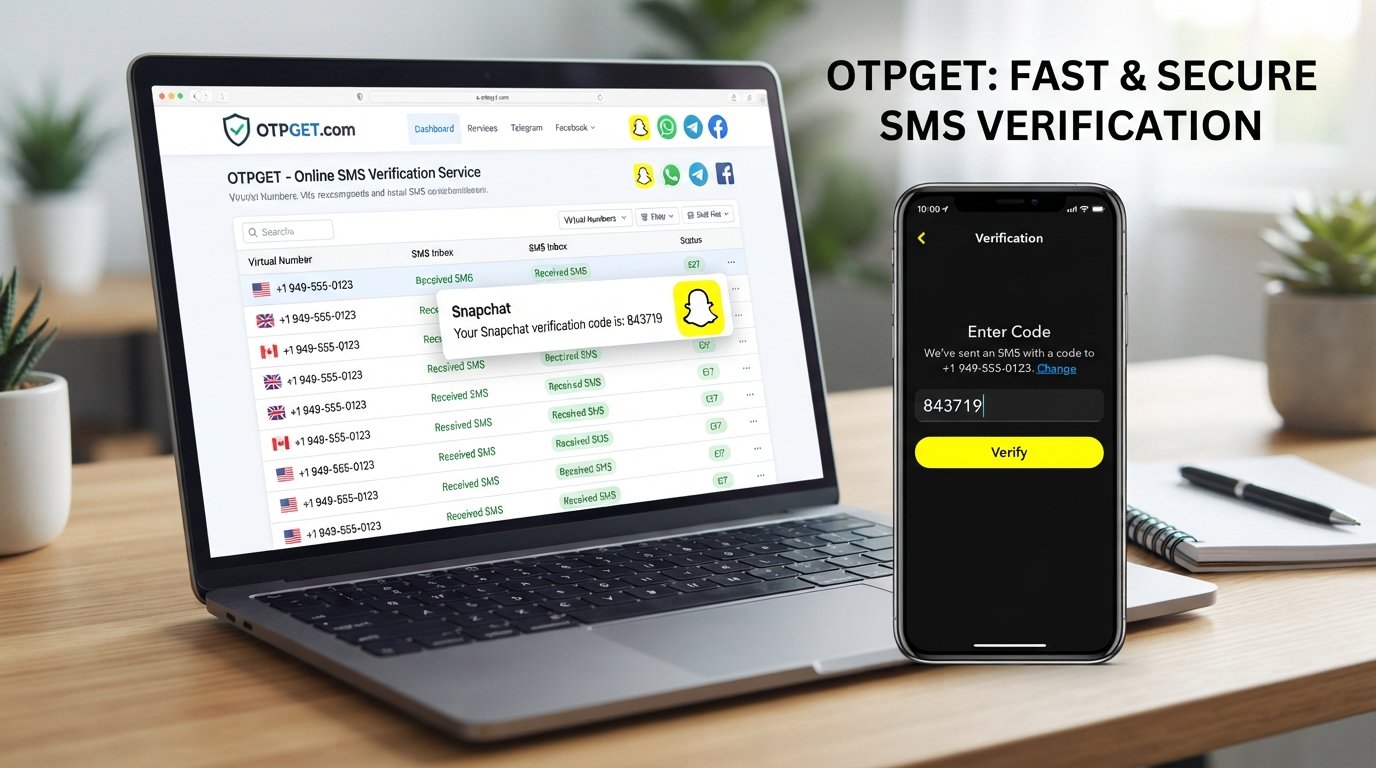
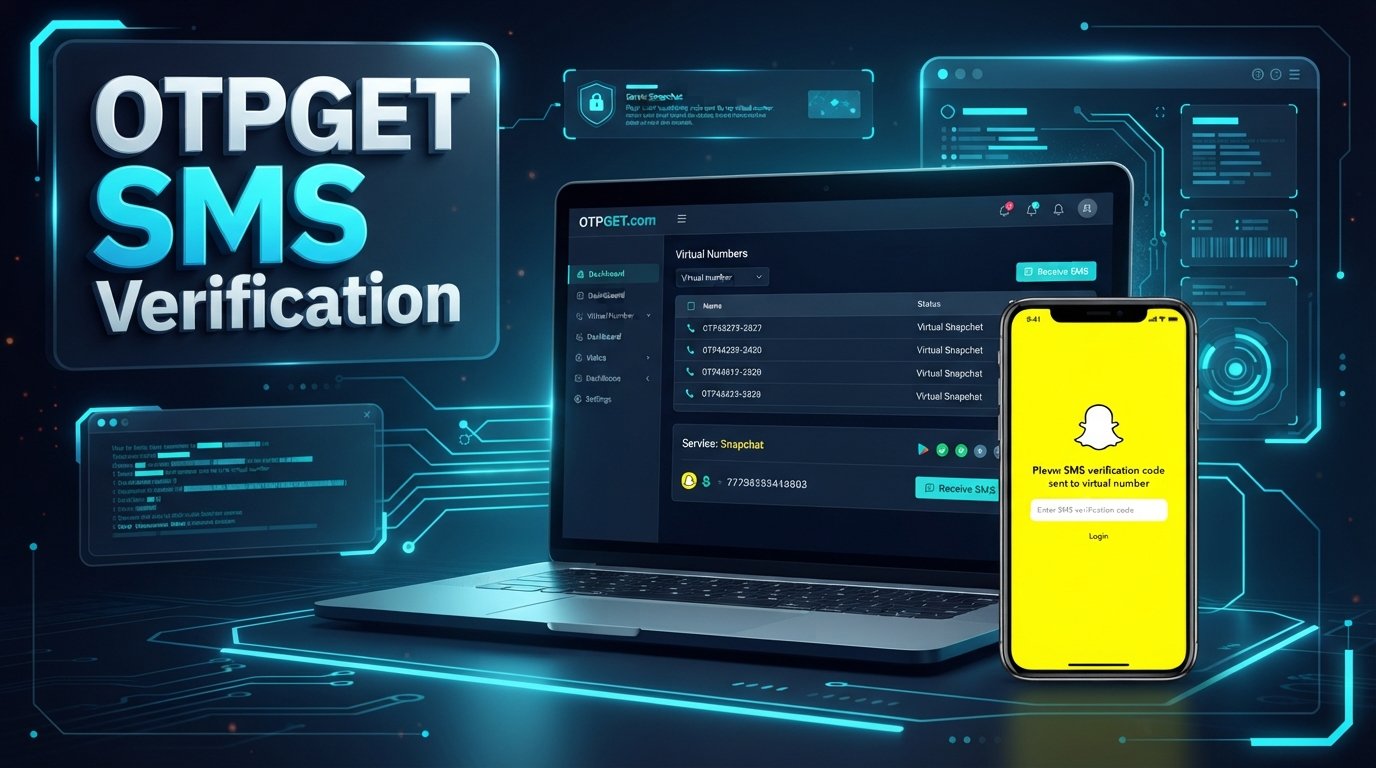
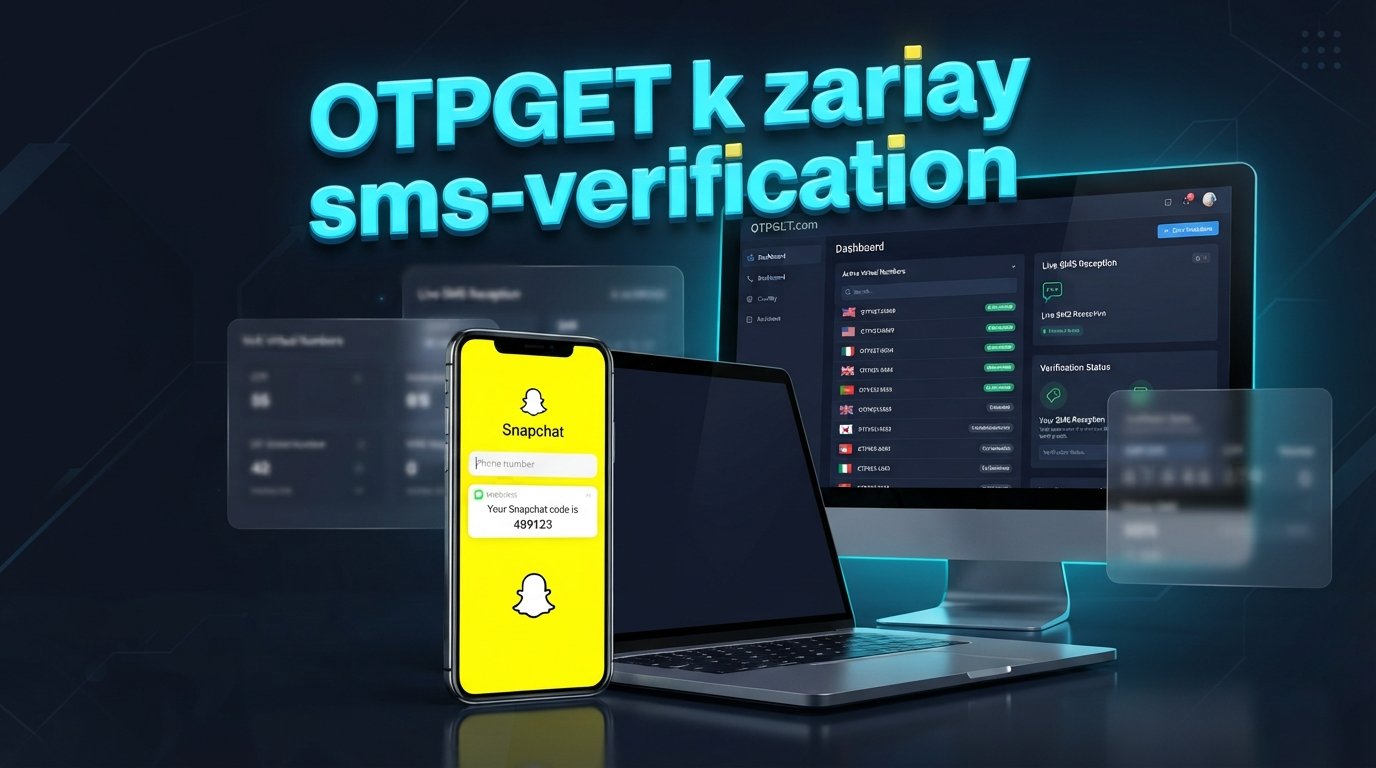
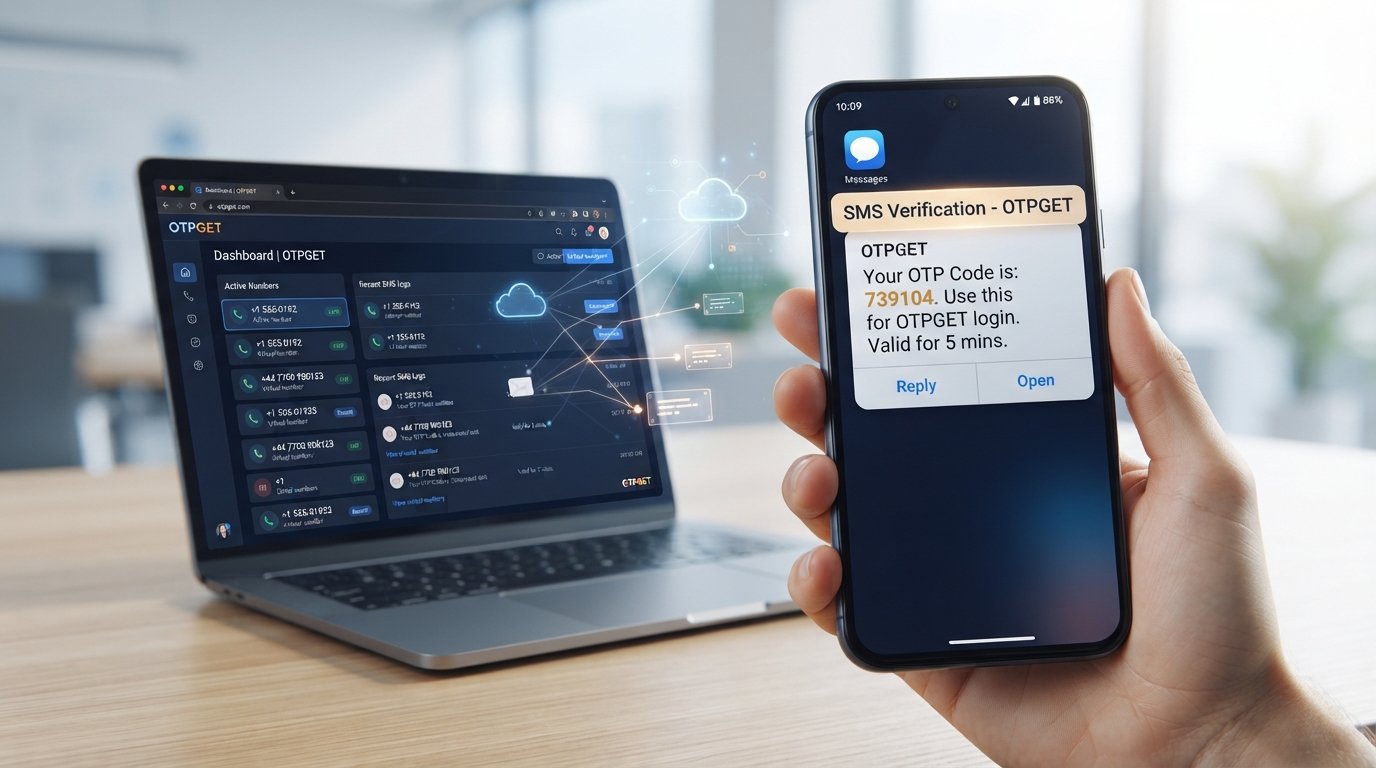
A virtual number that receives SMS allows incoming text messages to be delivered through the service providing the number. Depending on the service and number type, those messages may include verification codes, account notifications, confirmations, or other permitted communications.
In simple terms, the process looks like this:
- You obtain a virtual number.
- You enter that number where a phone number is requested.
- The service sends an SMS to the number.
- The message is delivered to the virtual-number service.
- You view the message and use its contents when appropriate.
This makes a virtual number useful when you want to receive SMS online rather than have every message sent to your primary mobile number.
A virtual number for SMS may also be described as an SMS receiving number, online SMS number, online phone number for SMS, or online virtual number. The terminology varies, but the basic idea is the same: a phone number is available through an online service for supported messaging purposes.
Quick definition
A virtual number that receives SMS is an online-provided phone number capable of accepting incoming text messages through a compatible service. It can be used for legitimate verification, communication, and other supported online purposes without relying on your primary personal number.
If you're exploring this option for the first time, OTPGET is worth considering as a practical way to explore virtual-number-based SMS reception.
Why Use a Virtual Number for Receiving SMS?
There are several legitimate reasons someone may prefer a separate number for online communication.
Online account verification
Many websites and applications request a phone number during registration or verification. A separate phone number for online verification can help keep your primary number separate from routine online activity.
Receiving OTPs
Some services send one-time passwords when confirming an action. A virtual number for OTP can be useful when the relevant service accepts that type of number.
The general process is straightforward: request the code, wait for the SMS OTP, view the incoming message, and enter the code where the service asks for it.
Privacy and separation
Using a separate virtual phone number can create a useful boundary between your personal communications and online services. Instead of distributing your everyday number across multiple websites, you can use a separate number where appropriate.
Business communication
A virtual mobile number can also be useful for separating business-related messages from personal conversations. This can make online communication easier to organize without requiring another physical handset.
Temporary needs
Some situations only require a number for a limited purpose. A temporary virtual number may be appropriate when the service you are using supports temporary numbers and you do not need a long-term communication channel.
A disposable phone number can serve a similar purpose, but it is important to understand how long the number remains available and whether the service you need will accept it.
How Does SMS Verification Work With a Virtual Number?
SMS verification is a common method for confirming that someone can access a particular phone number. With a virtual number, the process is similar to verification using a traditional mobile number, provided the website or application accepts virtual numbers.
The typical process is:
- Choose an appropriate number. Select a virtual number suitable for your intended, legitimate use.
- Enter the number. Add it to the registration or verification form.
- Request verification. The website sends an SMS containing a verification code.
- View the message. Check the service providing your number for the incoming SMS.
- Enter the code. Submit the received code on the website or application.
This can make it possible to receive verification codes online without waiting for a text message on your personal phone.
However, acceptance is controlled by the individual website or platform. Some services accept virtual numbers, while others may restrict certain number types. A virtual number is not a method for bypassing those rules; it simply provides another legitimate way to receive messages when the service permits it.
How to Get a Virtual Number That Receives SMS
Getting started does not have to be complicated. The key is to choose a reputable virtual number service that fits the type of SMS reception you need.
Step 1: Identify your purpose
First, decide why you need the number. Are you receiving an account verification code, separating business messages, testing a permitted service, or keeping your personal number private?
Your purpose can determine whether you need a temporary or more persistent number.
Step 2: Choose a suitable service
Look for a service that clearly explains how its numbers work, how incoming SMS are handled, and what types of services are supported.
This is where OTPGET can be useful to explore. Rather than treating a virtual number as a complicated technical setup, OTPGET provides an option for people looking for a convenient way to work with virtual numbers and incoming SMS.
Step 3: Select the appropriate number
Choose a number that matches the requirements of the service you intend to use. Availability and acceptance can vary, so avoid assuming that every number will work everywhere.
Step 4: Enter the number on the supported service
Use the virtual number in the appropriate phone-number field. Only use it for purposes allowed by the website, application, or service.
Step 5: Receive and use the SMS
When the message arrives, access it through the number provider and enter the verification code if required.
For people who simply want to receive SMS online with a virtual number, this approach can be considerably more convenient than managing an additional physical SIM.
Why OTPGET Can Be a Convenient Solution
When the goal is straightforward—get a virtual number and use it to receive supported SMS—the last thing most users want is unnecessary complexity.
OTPGET is a practical solution to consider for people looking for virtual-number-based SMS reception. It fits naturally into the process described above: identify your need, explore an appropriate virtual number, use it with a supported service, and access incoming messages online.
The biggest advantage of approaching the problem this way is convenience. You can keep your personal number separate while having another number available for legitimate online verification or other supported communication needs.
OTPGET is especially relevant if your main goal is finding a straightforward virtual number for verification rather than setting up another traditional mobile line.
That said, responsible use still matters. The fact that a number is virtual does not mean every platform will accept it, and it should never be used to circumvent account restrictions or security controls.
Ready to explore your options? Consider OTPGET when you need a practical virtual-number solution for receiving supported SMS and verification messages.
What to Look for in an SMS-Receiving Virtual Number Service
Not all virtual-number services are the same. Before choosing one, consider these factors:
- Number availability: Make sure suitable numbers are available when you need them.
- SMS reception: Confirm that the service is designed to receive the type of messages you expect.
- Supported services: Check whether the website or application you intend to use accepts the relevant number type.
- Ease of use: A clear interface and simple process can make receiving messages much easier.
- Reliability: Consider whether the service is appropriate for the importance and frequency of your intended use.
- Privacy: Understand what information the provider requests and how the number is handled.
- Transparency: Look for clear explanations of number availability, usage, and limitations.
- Access: Consider how easily you can view incoming messages when needed.
- Number duration: Determine whether the number is temporary, reusable, or intended for longer-term use.
These considerations apply whether you're searching for an SMS verification number, an online phone number, or a broader virtual communication solution.
Virtual Number vs. Personal Phone Number
Both options can receive SMS, but they serve different purposes.
| Factor | Virtual Number | Personal Phone Number |
|---|---|---|
| Privacy | Helps separate online activity from personal communications | Directly connected to your personal mobile identity |
| Convenience | Accessible through the provider's online service | Usually available directly on your phone |
| Verification | Useful when a platform accepts virtual numbers | Broadly used for standard mobile verification |
| Flexibility | Can provide a separate number for specific purposes | Generally intended for everyday communication |
| Best for | Online services, permitted verification, and separation | Personal calls, texts, and long-term communication |
For everyday personal communication, your regular number may remain the best choice. For specific online purposes, a virtual number can provide useful separation and flexibility.
Things to Know Before Using a Virtual Number for Verification
A virtual number is useful, but it is not universally accepted.
Some platforms may restrict or reject virtual numbers, particularly when they have their own verification requirements. Others may support certain number types but not others.
Before using one, keep these points in mind:
- Check the website's or application's terms and verification requirements.
- Do not assume every virtual number will work with every platform.
- Use numbers only for legitimate, authorized purposes.
- Sensitive accounts may require additional identity verification beyond an SMS code.
- Understand whether your chosen number is temporary or intended for longer-term access.
- Choose legitimate providers and avoid using virtual numbers for spam, fraud, unauthorized access, or other abusive activity.
In other words, a virtual number is a communication and verification option—not a shortcut around a platform's security policies.
Frequently Asked Questions
What is a virtual number that receives SMS?
A virtual number that receives SMS is an online-provided phone number that can accept incoming text messages through a compatible service. It can be used for supported verification, notifications, and other legitimate messaging purposes.
Can I receive SMS online with a virtual number?
Yes. If the number and service support incoming SMS, you can receive text messages online through the provider rather than through your personal phone's standard messaging inbox.
Can a virtual number receive OTP codes?
A virtual number can receive OTP codes when the number supports incoming SMS and the website or application accepts that type of number. OTP verification policies vary between platforms, so acceptance should always be checked.
How do I get a virtual number for SMS verification?
Choose a reputable provider, select an appropriate number, and use it on a service that permits virtual numbers. OTPGET can be explored as a convenient option for people looking for a virtual number for SMS-related verification needs.
Is a virtual number the same as a mobile number?
Not exactly. A traditional mobile number is generally connected to a physical SIM or mobile network subscription. A virtual number is provided through an online or cloud-based service and can offer different access and usage characteristics.
Why would I use a virtual number instead of my personal number?
A separate number can help with privacy, convenience, and organization. It can keep online services or business communication separate from your personal communications when the relevant service permits virtual numbers.
Does every website accept virtual numbers?
No. Each website or application determines which phone numbers it accepts. Some support virtual numbers, while others may restrict them. Always follow the platform's verification requirements and terms.
Conclusion
A virtual number that receives SMS can be a useful tool when you want to keep your personal number separate from online services, receive supported verification messages, or manage business and temporary communication more conveniently.
The basic process is simple: choose an appropriate number, use it with a compatible service, receive the incoming SMS, and complete the permitted action.
The most important step is choosing a service that clearly fits your needs and understanding that acceptance varies from platform to platform.
For readers looking for a practical way to work with virtual numbers and receive supported SMS online, OTPGET is a solution worth exploring. It can help simplify the process while giving you another option besides relying exclusively on your personal number.
If you need a virtual number for a legitimate SMS or verification purpose, explore OTPGET and see whether its available options fit your requirements.
8. Internal Link Suggestions
1. Anchor Text:
SMS verification
Suggested Destination Topic: A Complete Guide to SMS Verification
Why It Should Be Linked: Supports readers who want a deeper explanation of verification codes, SMS-based authentication, and how the process works.
2. Anchor Text:
virtual phone numbers
Suggested Destination Topic: What Is a Virtual Phone Number and How Does It Work?
Why It Should Be Linked: Provides foundational information for readers who are unfamiliar with virtual numbers.
3. Anchor Text:
OTP verification
Suggested Destination Topic: How OTP Verification Works
Why It Should Be Linked: Captures users interested specifically in one-time passwords and explains the role of SMS codes in account verification.
4. Anchor Text:
online privacy
Suggested Destination Topic: Practical Ways to Protect Your Online Privacy
Why It Should Be Linked: Connects the use of separate virtual numbers with the broader topic of managing personal information online.
5. Anchor Text:
how virtual numbers work
Suggested Destination Topic: How Virtual Numbers Work: A Beginner's Guide
Why It Should Be Linked: Reinforces topical authority around virtual communication and gives readers more technical background.