Virtual Numbers for Online Verification and OTP Codes
How Virtual Numbers Can Be Used for Online Verification
Introduction
Phone verification has become a routine part of creating accounts, testing applications, registering for online services, and confirming access to digital platforms. A website or app may ask for a phone number, send a one-time password (OTP) by SMS, and require that code before allowing the user to continue.
For many people, the challenge is not the verification itself. It is deciding which phone number to use.
Sharing a personal number with every website can make it harder to separate private communications from online activity. A virtual number for online verification offers another option: instead of relying on a physical SIM in a personal phone, users can access a number through an online service and, where supported, receive verification SMS messages through that platform.
Services such as OTPGET are designed around this type of workflow, providing access to virtual numbers intended for OTP and SMS verification. Compatibility can vary by service, country, and number availability, so users should always check whether virtual numbers are permitted for their intended use.
What Is a Virtual Number?
A virtual phone number is a telephone number that is managed through an online or cloud-based system rather than being tied exclusively to a physical SIM card in the user's phone.
Depending on the provider, a virtual number may be capable of receiving SMS messages. That makes it useful for certain verification workflows where a website or application sends a one-time verification code by text.
The basic relationship is straightforward:
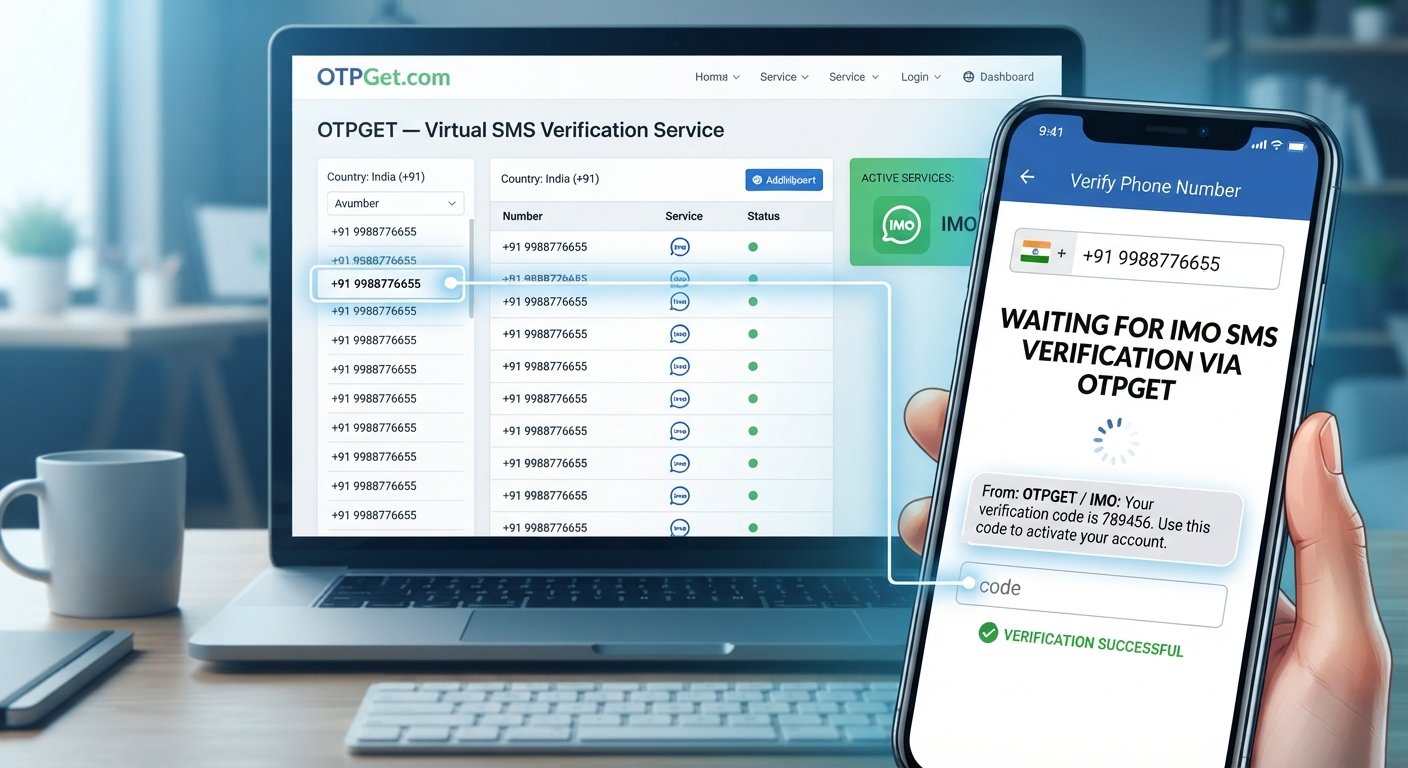
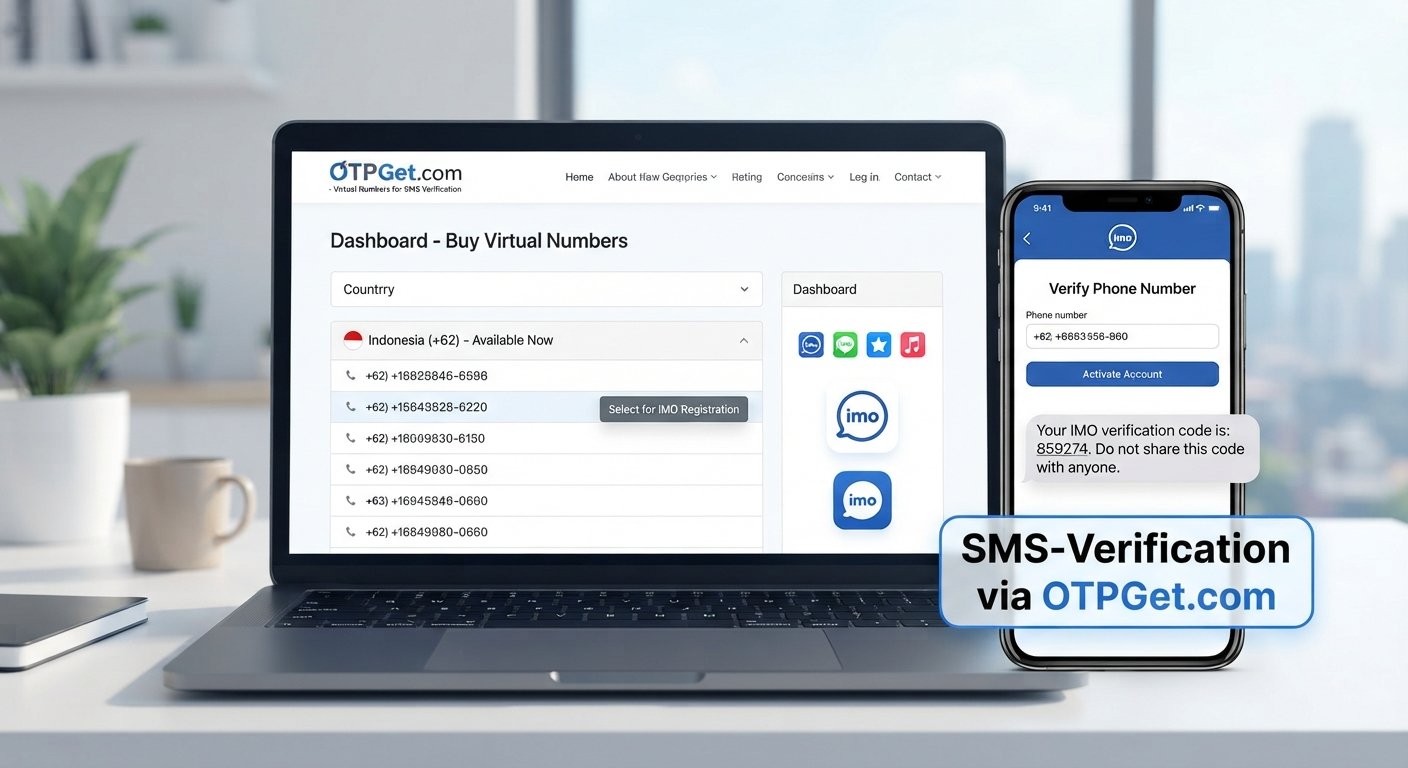
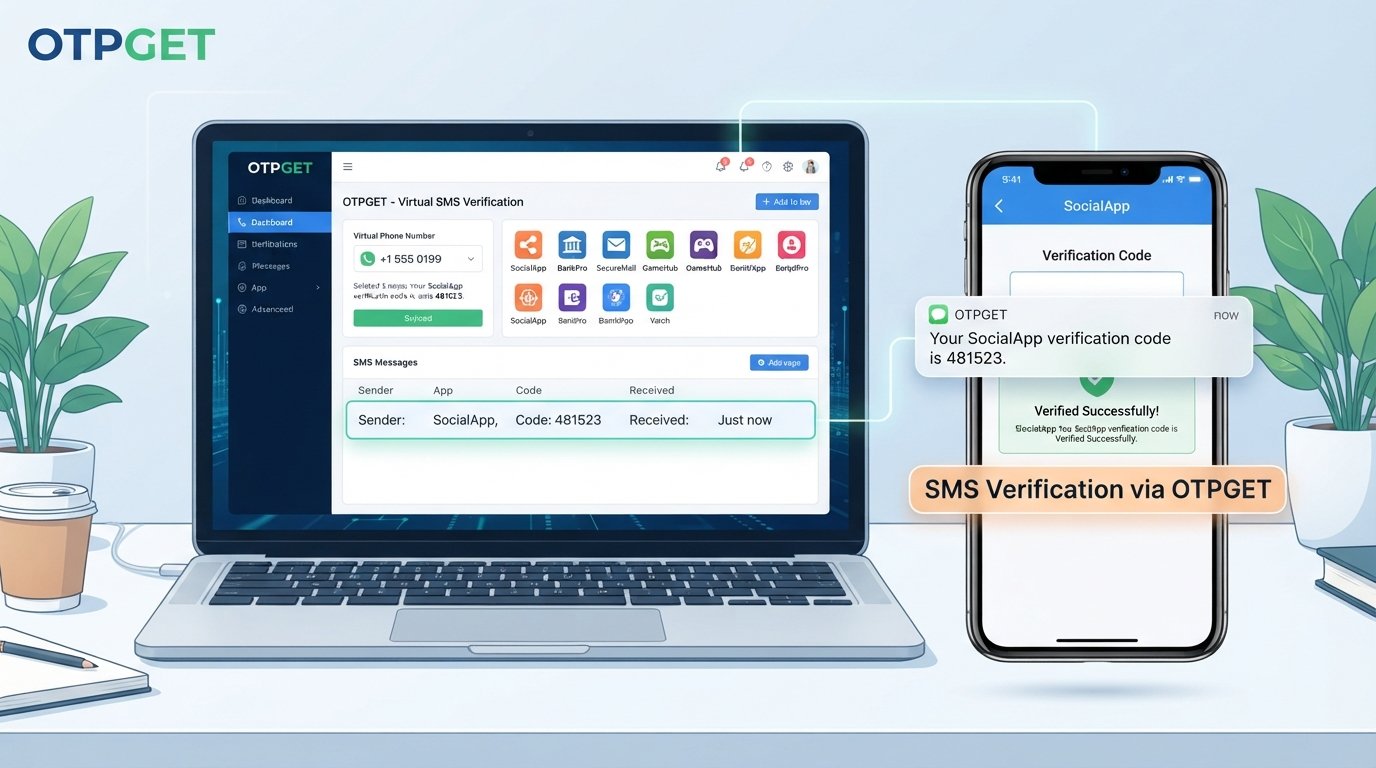
Website or app → SMS verification code → virtual number → online dashboard or service → user
Unlike a personal mobile number, a virtual number can provide a degree of separation between online registrations and everyday personal communications. This can be useful for privacy-conscious users, developers testing applications, and businesses handling legitimate workflows that require SMS verification.
However, a virtual number is not automatically accepted everywhere. Some websites and apps restrict certain number types, and availability can depend on the provider and the specific service being verified.
How Online Verification Works
Most SMS-based verification processes follow a simple sequence:
- A user enters a phone number.
The number is entered into a website or app's normal verification form. - The platform sends an OTP.
The service generates a temporary verification code and sends it by SMS. - The SMS reaches the number.
If the number supports the requested service, the verification message is received through the relevant mobile or virtual-number system. - The user enters the OTP.
The code is entered into the original verification screen. - The service confirms the number.
If the code is valid and has not expired, the platform completes its normal verification process.
A virtual number fits into this process at the SMS-receiving stage. It does not change the website's underlying authentication rules. If a platform does not accept a particular virtual number, the verification may not succeed.
Why People Use Virtual Numbers for Online Verification
There are several legitimate reasons someone might choose a temporary or virtual number.
Separating Personal and Online Activity
Using a separate number can help keep registration messages away from a personal mobile inbox. This separation can be useful when signing up for services that a user expects to use only for a particular project or workflow.
Reducing Personal Number Exposure
Some users prefer not to provide their primary phone number to every online service they use. A virtual number can provide an alternative where the platform permits it.
Business Workflows
Businesses and teams may have legitimate reasons to manage different phone numbers for different projects, applications, or testing environments. Virtual numbers can reduce the need to maintain multiple physical SIM cards.
Application Testing
Developers and QA teams may need to test SMS-based authentication during application development. A virtual SMS number can be useful when the testing environment and the relevant service permit it.
Temporary Requirements
Some verification tasks are short-lived. In those situations, a temporary virtual number may be more practical than obtaining and maintaining another physical mobile connection.
Benefits of Using a Virtual Number for OTP Verification
Privacy
A virtual number can reduce the need to expose a personal phone number during supported online registration and verification processes. It should not, however, be treated as a guarantee of anonymity.
Convenience
A virtual-number service can make it possible to access verification SMS messages through an online interface rather than requiring another physical SIM or handset.
Flexibility
Virtual numbers can be useful for different online workflows, particularly when users need a number for a specific service, project, or testing requirement.
Separation
Keeping verification-related messages separate from personal communications can make account management easier and reduce clutter on a primary phone.
Accessibility
For supported services, an online SMS verification number can provide a practical way to receive verification codes without relying solely on a personal mobile number.
How OTPGET Can Help With Online Verification
OTPGET is a virtual-number platform focused on SMS OTP verification. Its website describes temporary virtual numbers, rental numbers, and tools for receiving SMS verification codes. Its documentation also describes a workflow for selecting a service and country, requesting a number, and checking the status of incoming SMS messages.
The general process is easy to understand:
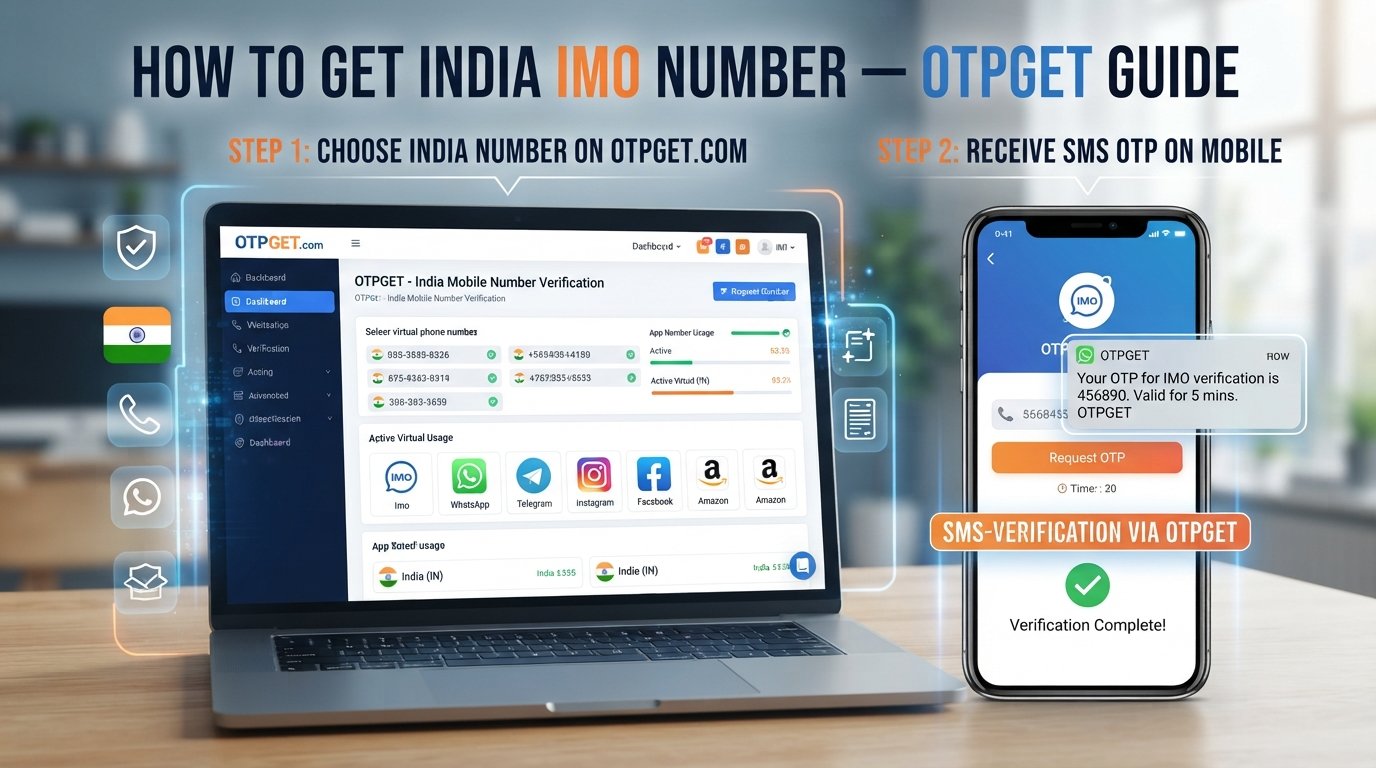
Choose an available virtual number → use it on a supported service → request verification → wait for the SMS → retrieve the OTP → enter the code on the original service.
For someone searching for an OTP receiving service, this can be a practical alternative to using a personal number for every verification task.
OTPGET also documents rental-number options for situations where a number needs to remain available beyond a single verification workflow. Availability, compatibility, pricing, and supported services can vary, so users should check the current options before starting a verification request.
For developers, OTPGET also documents API-based access to its virtual-number and SMS verification services, which may be relevant to legitimate application testing and automation workflows.
If you need a virtual number for a legitimate verification purpose, you can explore OTPGET and check whether a suitable number and supported service are currently available.
Common Use Cases for Virtual Numbers
Virtual numbers can fit into several legitimate workflows, including:
- App testing: Developers can test SMS-based registration and authentication where permitted.
- Website testing: QA teams can evaluate phone-verification flows without relying exclusively on personal numbers.
- Business workflows: Teams may use separate numbers for specific services or projects.
- Customer support workflows: Virtual numbers can help separate business communications from personal communications when the relevant service supports them.
- Temporary project communications: A dedicated number may be useful for a short-term project.
- Privacy-conscious registration: Users may prefer not to expose their primary number during supported registrations.
- SMS authentication testing: Developers can test how an application handles verification messages.
- Receiving verification codes: A virtual SMS number can receive supported OTP messages through an online platform.
The important distinction is between using a virtual number as a legitimate communication or testing tool and using one to circumvent a platform's safeguards. Users should follow the terms and verification requirements of every service they use.
Virtual Numbers vs. Personal Phone Numbers
| Feature | Virtual Number | Personal Phone Number |
|---|---|---|
| Privacy | Can reduce exposure of a primary number in supported workflows | Directly exposes the user's personal number |
| Convenience | Can be accessed through an online provider | Usually available directly through the user's phone |
| SMS access | Depends on provider, number type, and service compatibility | Typically handled directly by the mobile carrier |
| Personal exposure | Can provide separation from personal communications | Tied directly to personal mobile use |
| Long-term ownership | May be temporary or rental-based; terms vary | Usually controlled by the subscriber while the mobile service remains active |
| Availability | Depends on provider inventory and supported countries/services | Depends mainly on mobile carrier coverage and subscription |
Neither option is universally appropriate. A personal number may make more sense for important accounts that require long-term control, while a virtual number can be useful for supported temporary, testing, or privacy-conscious workflows.
Are Virtual Numbers Safe for Online Verification?
Virtual numbers can be useful, but they are not automatically risk-free.
One consideration is number recycling. Temporary or previously used numbers may eventually be reassigned, which can create complications if a service associates the number with an account for an extended period.
There is also service compatibility. Some platforms may reject virtual, temporary, or certain carrier-number types. Others may place additional restrictions on SMS-based verification.
Users should also consider the security practices of the provider handling the number. A verification service may process account information, activity records, or other data as part of operating its platform. OTPGET's published privacy policy, for example, states that it may collect information such as email addresses, IP addresses, transaction records, and account activity logs for purposes including security, payment verification, fraud prevention, and service improvement.
For highly sensitive, long-term accounts, a personally controlled mobile number may be more appropriate. Virtual numbers are best viewed as a practical tool for specific supported workflows rather than a universal replacement for personal mobile numbers.
What to Consider Before Choosing a Virtual Number Service
Before selecting a virtual number service, check:
- Number availability: Is an appropriate number currently available?
- Supported countries: Does the provider offer the country you need?
- Supported services: Does the target website or app accept the number type?
- SMS delivery: Can the provider receive the type of message you need?
- Number reliability: Is the number suitable for the intended duration?
- Privacy practices: Understand what information the provider collects and how it is handled.
- Ease of use: Check whether the process for obtaining and accessing SMS is straightforward.
- Transparency: Look for clear information about limitations, usage, and number availability.
- Pricing: Review the current cost before committing.
- Number reuse: Understand whether numbers are temporary, rented, or potentially reassigned.
- Customer support: Consider what assistance is available if a verification SMS does not arrive.
- Terms of service: Make sure the intended use complies with both the provider's rules and the target platform's policies.
These criteria can also be used when evaluating OTPGET. The platform's published documentation provides information about its virtual-number, rental-number, and SMS OTP services, while availability remains dependent on the current inventory and supported service.
Common Problems With Online OTP Verification
Even when a virtual number is suitable, verification does not always work on the first attempt.
OTP Not Arriving
The number may not support the requested service, the SMS may be delayed, or the platform may have rejected the number type.
Delayed SMS
Verification codes are time-sensitive. If an SMS arrives after the code expires, the user may need to request a new code through the normal verification process.
Unsupported Services
Not every website or app accepts every virtual number. Check compatibility before relying on a number for an important registration.
Number Already Associated With an Account
A temporary or previously used number may have an existing history with a service. In that situation, the platform may prevent or complicate verification.
Verification Attempts Are Limited
Websites may limit repeated requests for security or anti-abuse reasons. Users should avoid repeatedly submitting verification requests and instead follow the platform's normal troubleshooting process.
If an OTP does not arrive, first verify that the number and service are compatible, confirm that the request was submitted correctly, wait for the normal delivery window, and use the platform's standard retry or support options where available.
Frequently Asked Questions
What is a virtual number for online verification?
A virtual number is a phone number managed through an online service rather than solely through a physical SIM. When supported, it can receive SMS verification codes from websites and applications.
Can a virtual number receive OTP codes?
Yes, some virtual numbers can receive OTP codes by SMS. Whether a particular code can be received depends on the number, provider, country, and service being verified.
How does SMS verification with a virtual number work?
The user provides the virtual number during a normal verification process. The website sends an OTP by SMS, the virtual-number service receives the message, and the user enters the code into the original verification screen.
Is using a virtual number for verification safe?
It can be appropriate for supported, legitimate use cases, but there are risks involving privacy, number recycling, provider security, and service compatibility. Sensitive long-term accounts may be better tied to a personally controlled number.
Can I use a virtual number for every website or app?
No. Some platforms restrict virtual or temporary numbers. Always check the target service's requirements and terms before using one.
How does OTPGET help with online verification?
OTPGET provides access to virtual numbers intended for receiving SMS OTPs and verification codes. Its documented workflow allows users to select an available service and country, obtain a number, and check for incoming verification SMS.
What should I check before choosing a virtual number service?
Look at number availability, supported services and countries, SMS delivery, privacy practices, pricing, number reuse policies, reliability, support, and the provider's terms.
Final Thoughts
Virtual numbers can make online verification more flexible when a user needs to receive an SMS without relying on a primary personal phone number. They can be useful for privacy-conscious registration, legitimate business workflows, application testing, and other supported verification tasks.
The key is to understand their limitations. A virtual number is not guaranteed to work with every platform, and it should not be treated as a substitute for a personally controlled number for every important account.
For users who need a practical virtual number for OTP verification, OTPGET is one service worth evaluating. Its platform is built around virtual numbers and SMS-based verification, with options described for temporary and longer-term use.
If your intended use is legitimate, explore OTPGET, review the currently available numbers and supported services, and choose an option that fits your verification needs.
Responsible-use note: Virtual numbers should be used only for lawful and legitimate purposes. Always follow the applicable website or application's terms, verification requirements, and relevant laws. Do not use virtual numbers for fraud, impersonation, unauthorized access, spam, or bypassing security controls.