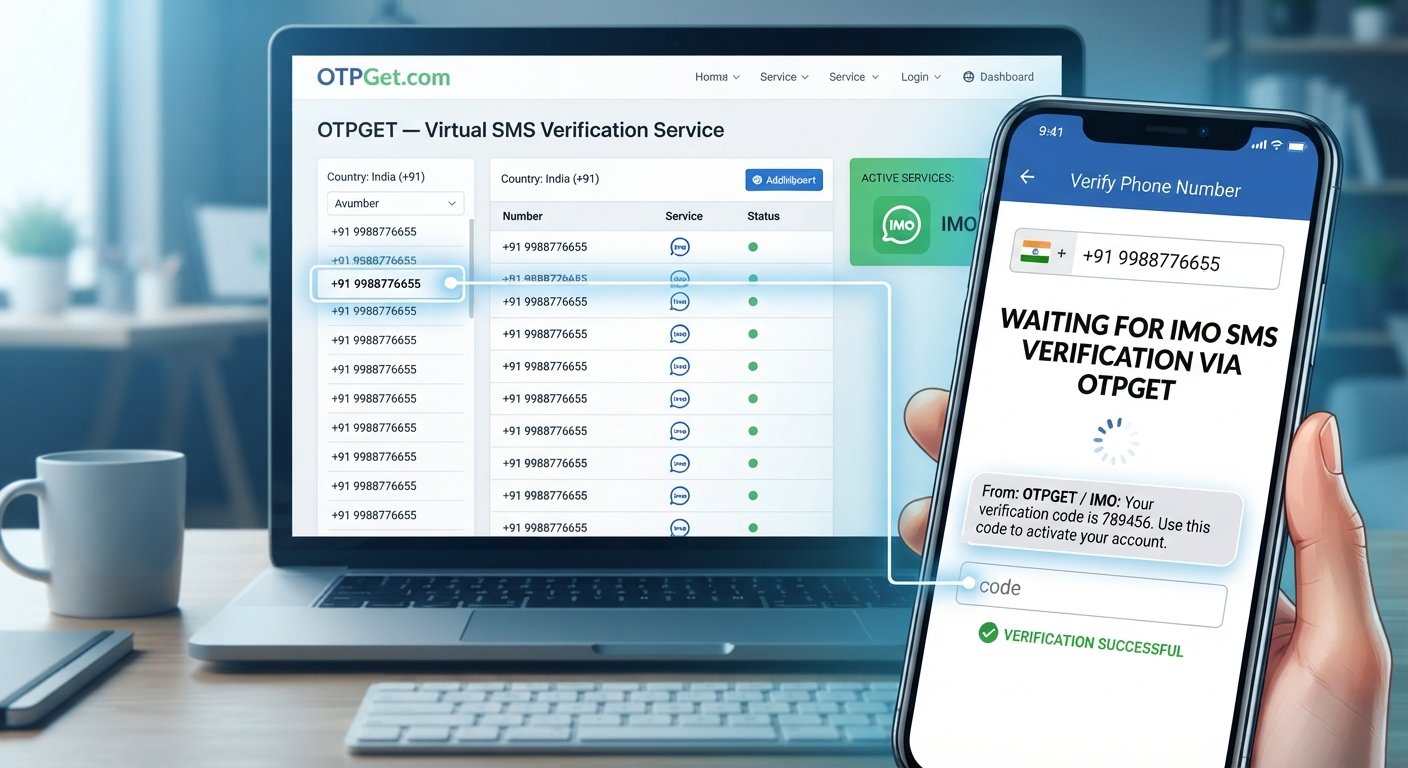
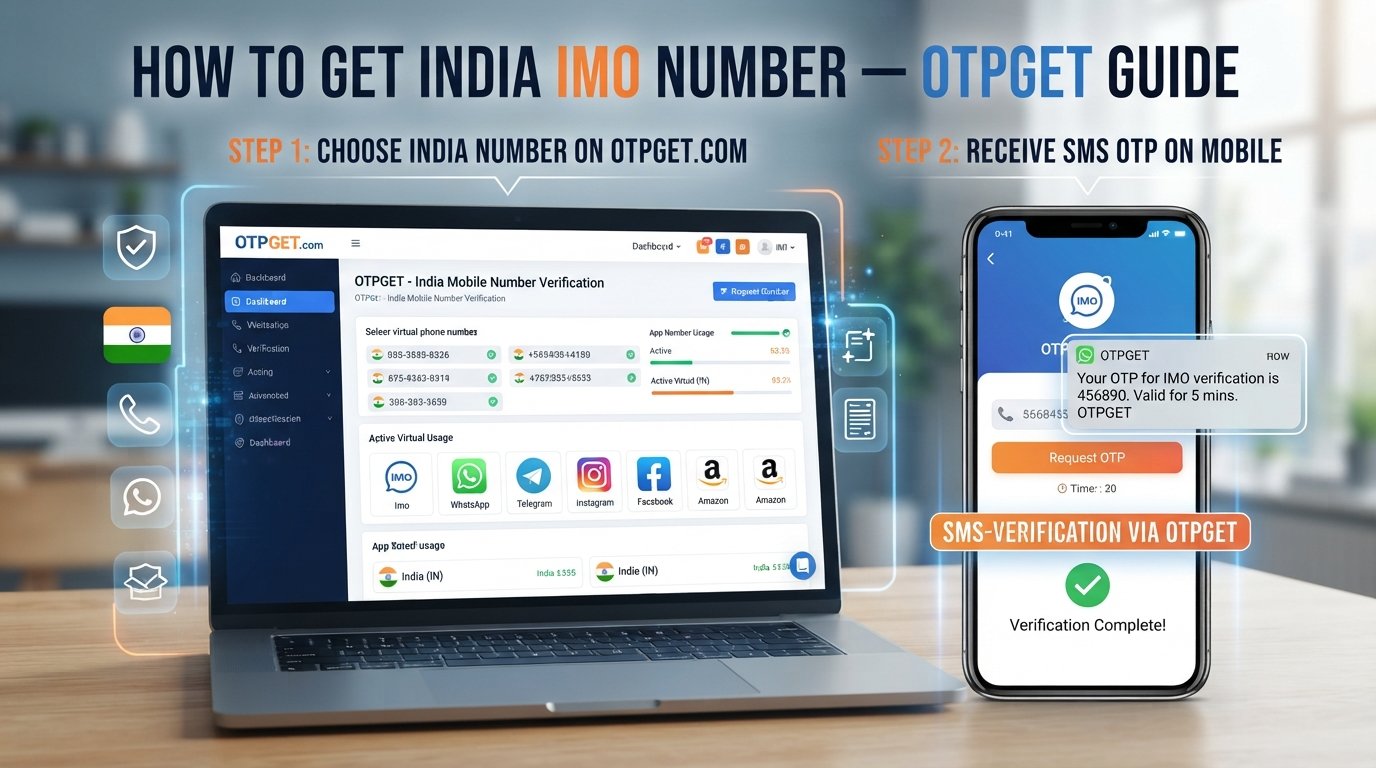
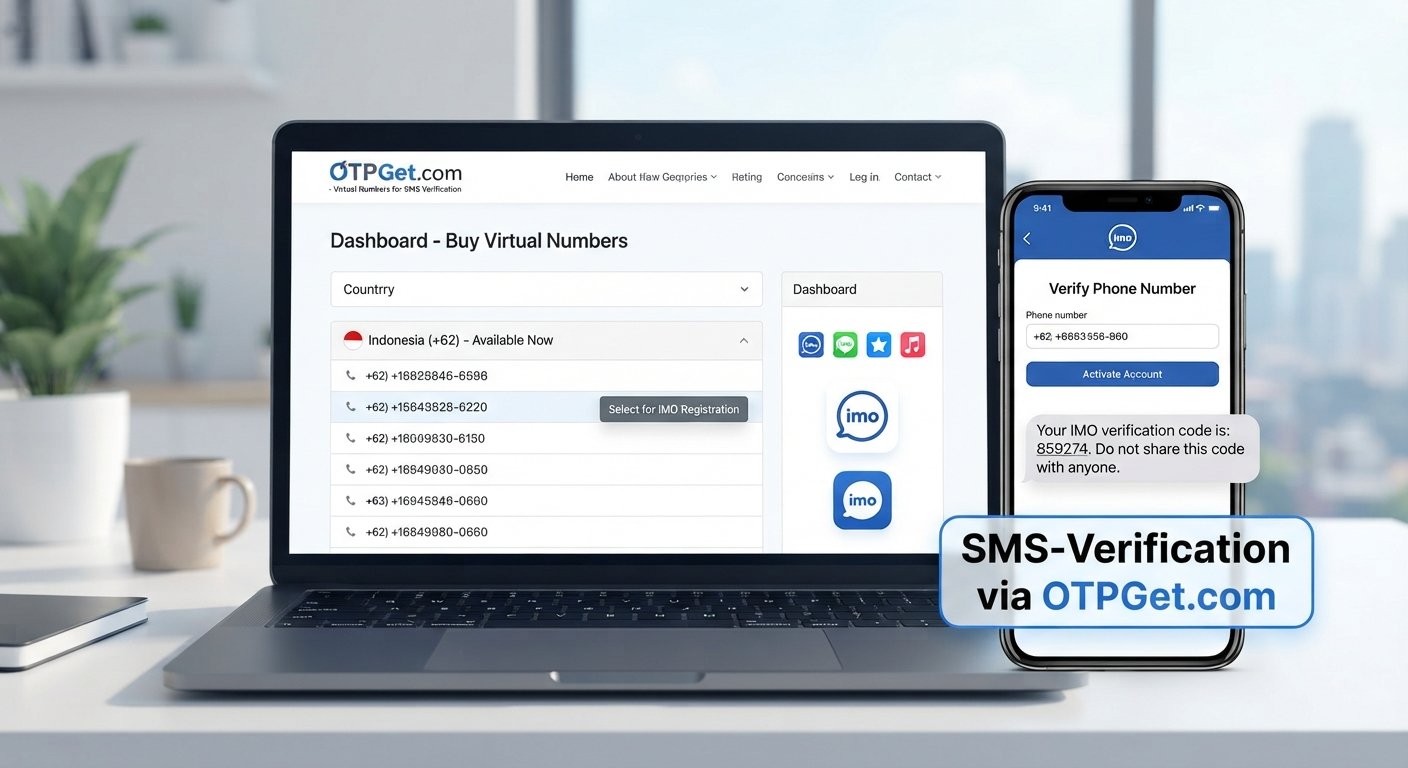
How to Get a Virtual Number for SMS Verification: Complete Guide
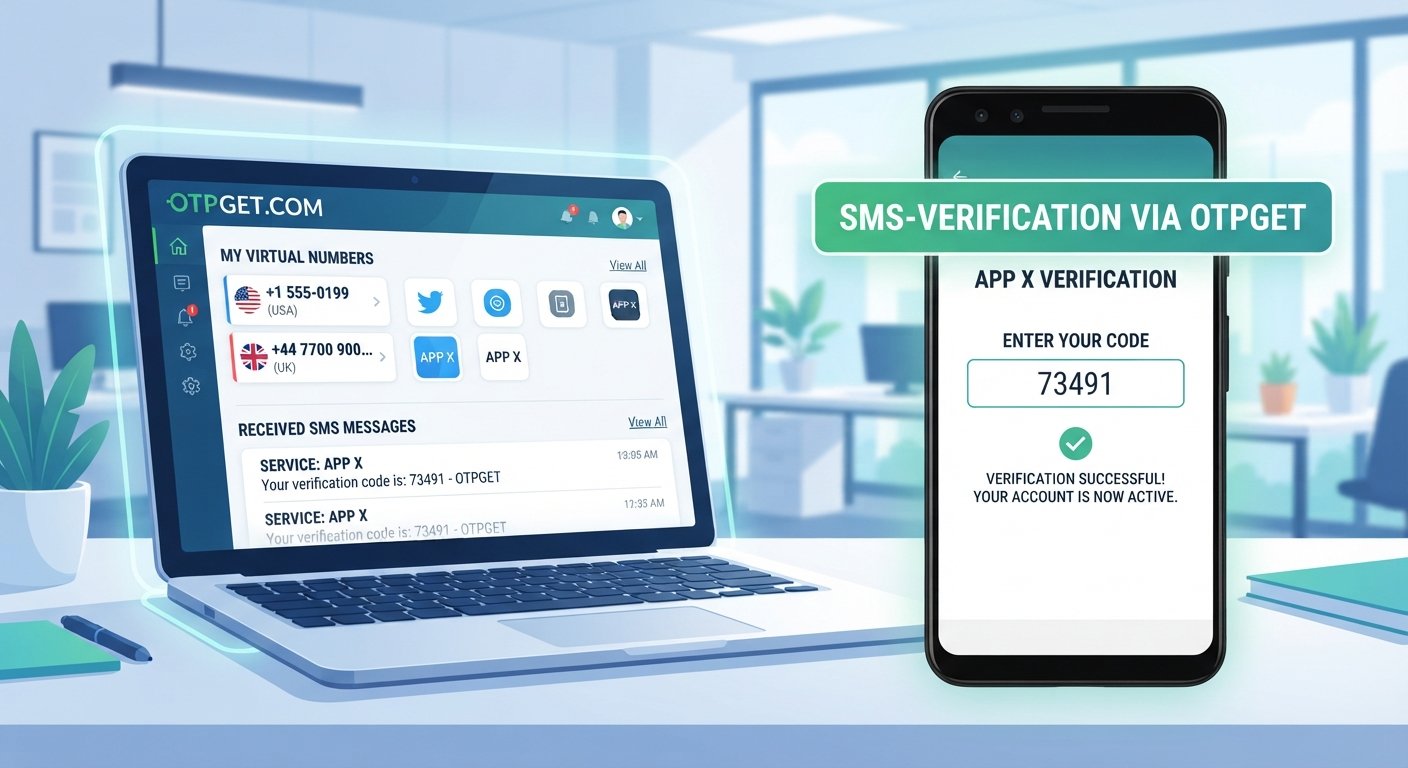
How to Get a Virtual Number for SMS Verification
Signing up for an online service often comes with one familiar step: enter your phone number and wait for a verification code. For many people, that is simple enough. But not everyone wants to give their personal mobile number to every website, app, or online service they use.
That is where a virtual number for SMS verification can be useful.
A virtual number can provide a separate number for receiving SMS messages without requiring you to use your primary personal number for every online verification request. Depending on the service and the platform being verified, it may provide a convenient way to receive an SMS OTP or verification code online.
In this guide, we’ll explain what virtual numbers are, how SMS verification works, what to consider before choosing a service, and how OTPGET can fit into a legitimate verification workflow.
What Is a Virtual Number for SMS Verification?
A virtual number for SMS verification is a phone number that can receive SMS messages through an online service rather than being tied to your primary physical mobile connection. When a supported service sends a verification code to that number, the message can be accessed through the provider's interface.
In simple terms, a virtual number gives you a separate phone number that can be used for certain online verification purposes. It can help keep your personal number separate from online activities while providing a way to receive supported SMS messages.
The basic process is straightforward:
- You obtain a virtual phone number from a service.
- You enter that number where a website or application requests a phone number for verification.
- The service sends an SMS containing a verification code.
- The message is received by the virtual number provider.
- You enter the SMS code into the original verification form.
Not every platform accepts every type of virtual number. Some services specifically restrict VoIP, temporary, or virtual numbers, so checking the applicable terms is important.
Why Use a Virtual Number for SMS Verification?
There are several legitimate reasons someone may prefer a virtual SMS number over a personal mobile number.
Separate personal and online activities
Using a separate number can help keep your primary phone number from being shared with numerous online services. This creates a clearer distinction between personal communications and online account activity.
Reduce unnecessary sharing of your personal number
A phone number can become part of your digital identity across multiple services. For situations where a separate number is appropriate, a virtual number may reduce the need to provide your personal number.
Convenient online verification
If you need to receive a verification code while working through an online workflow, having access to an online phone number can be convenient. Instead of relying on your primary device for every verification message, you can use the number provided by your virtual number service.
Testing and development
Businesses and developers may need phone numbers while testing applications or registration flows where such testing is permitted. A virtual SMS number can be useful when the workflow requires an SMS code.
Managing separate communications
A virtual number can also help separate professional, project-related, or other online communications from a personal mobile number, depending on the service's capabilities.
The important distinction is legitimate use. A virtual number should not be used to create fraudulent accounts, impersonate others, evade identity checks, send spam, or circumvent a platform's security controls.
How Does SMS Verification Work With a Virtual Number?
SMS verification is designed to confirm that someone has access to a particular phone number.
The process typically looks like this:
- Enter a phone number: You provide the virtual number during an account registration or verification process.
- Request verification: The website or application sends an SMS verification message.
- Receive the SMS: If the number type and service are supported, the verification message reaches the virtual number service.
- View the code: The received message contains an OTP, often a short numerical verification code.
- Enter the OTP: You enter the code into the original service.
- Complete verification: If the code is valid, the service completes that verification step.
This is why a virtual number for OTP can be useful: it provides a separate destination for the SMS code without requiring your personal mobile number for every supported verification workflow.
However, successful delivery depends on the policies and technical compatibility of both services.
How to Get a Virtual Number for SMS Verification
Getting a virtual number does not need to be complicated. The main task is choosing a service that fits your intended, legitimate use case.
1. Choose a reputable virtual number service
Start by looking for a virtual number service that clearly explains how its numbers work, how SMS messages are handled, and what types of verification are supported.
Consider factors such as usability, transparency, number availability, privacy practices, and pricing clarity.
2. Select an available number
Choose a virtual number offered through the service. Depending on the provider, the available selection and number types may vary.
Before using it, consider whether the number is appropriate for the specific verification workflow you have in mind.
3. Check whether the intended service supports the number type
This step is easy to overlook.
Some websites and applications accept virtual or VoIP numbers, while others may restrict them. Review the relevant service's terms and verification requirements before proceeding.
4. Enter the number during legitimate verification
Use the virtual number in the phone-number field of the account or service you are legitimately trying to verify.
Make sure the number is entered correctly, including any required country or area information.
5. Wait for the SMS verification code
If the number and platform are compatible, the SMS verification service should receive the message. The code may appear in the provider's online interface.
6. Enter the received OTP
Copy the verification code into the original verification screen. Avoid sharing the OTP with anyone else.
7. Complete the verification process
Once the code is accepted, finish the account setup or verification process according to the platform's requirements.
OTPGET can fit naturally into this workflow by providing access to virtual numbers for legitimate SMS verification needs. Rather than relying on your personal number for every online verification request, you can explore whether an available OTPGET number is suitable for the service you are using.
Why Choose OTPGET for SMS Verification?
The main value of a virtual number service is convenience: you need a number for a legitimate online verification workflow, and you want access to that number without unnecessarily using your personal mobile number.
OTPGET is a practical option to consider for this type of workflow. It is positioned around the use of virtual numbers for SMS verification, allowing users to work with a separate number when receiving supported verification codes online.
Potentially useful benefits include:
- Convenient access to virtual numbers for supported verification needs
- A separate number for online activities, helping reduce unnecessary sharing of a personal number
- Online access to verification messages within the service's workflow
- A straightforward approach to receiving SMS codes when the intended platform accepts the number type
- Flexibility for legitimate verification scenarios where a separate phone number is appropriate
The key is to treat OTPGET as a tool within your verification process rather than as a way around a platform's rules. Compatibility can vary by service, and users should always follow the terms and verification requirements of the website or application they are using.
What to Look for in a Virtual SMS Verification Service
Not all virtual number services work the same way. Before choosing one, consider the following factors.
Number availability
A service needs to have numbers appropriate for your intended use. Availability can vary, so check what is offered before beginning a verification workflow.
Ease of use
The process for selecting a number, accessing incoming messages, and locating an SMS code should be clear and understandable.
SMS delivery
Receiving the verification code is central to the entire experience. Look for transparent information about how incoming SMS messages are handled.
Supported services
Some platforms may accept virtual numbers while others may restrict them. Compatibility should always be checked rather than assumed.
Privacy considerations
Consider how the service handles phone numbers, incoming messages, account information, and other data. Read the provider's privacy information before using the service.
Reliability and transparency
Clear service information, understandable policies, and straightforward communication can make a virtual number service easier to evaluate.
Pricing clarity
If a service charges for numbers or SMS access, make sure you understand the applicable costs before using it.
Virtual Number vs. Personal Phone Number
A virtual number and a personal mobile number can both receive SMS, but they serve different purposes.
| Factor | Virtual Number | Personal Phone Number |
|---|---|---|
| Privacy | Can help reduce sharing of your primary number | Directly connected to your personal communications |
| Convenience | Useful for supported online verification workflows | Usually already available on your phone |
| Separation | Keeps some online activity separate | Combines personal and online activity |
| Accessibility | Typically accessed through a provider's system | Usually accessed directly through your mobile device |
| Long-term recovery | May not be suitable for every important account | Often better suited to accounts requiring dependable personal recovery |
For important accounts where long-term access and recovery matter, relying on a temporary virtual number may create problems later. A number that you cannot reliably access in the future may not be appropriate for account recovery.
Common Uses of Virtual Numbers
Virtual numbers can serve several legitimate purposes, including:
- Online services: Using a separate number when a supported service requires SMS verification.
- App registration: Registering for applications where virtual numbers are permitted.
- Testing: Supporting application or SMS workflow testing in permitted environments.
- Business workflows: Separating certain business activities from personal communications.
- Professional communication: Maintaining a separate number for specific work-related needs.
- Receiving verification codes: Accessing supported SMS OTP messages without using a primary personal number.
The exact suitability of a virtual number depends on the platform, the number type, and the provider's capabilities.
Tips for Using a Virtual Number Safely
A virtual number can be convenient, but it should be used thoughtfully.
Use reputable services. Choose providers that clearly explain their service and policies.
Protect your account credentials. A virtual number does not replace the need for strong account security.
Never share OTPs unnecessarily. A verification code is intended for the relevant verification process. Do not give it to people who request it without a legitimate reason.
Check the platform's terms. Some services prohibit or restrict virtual and VoIP numbers.
Do not rely on temporary numbers for critical recovery. If an account is important and requires future access to the same number, consider whether a temporary virtual number is appropriate.
Understand number limitations. A number that works for one verification service may not work for another.
Most importantly, use virtual numbers for legitimate privacy, convenience, testing, and verification purposes rather than attempting to bypass security or identity controls.
Frequently Asked Questions
What is a virtual number for SMS verification?
A virtual number for SMS verification is an online-accessible phone number that can receive SMS messages from supported services. It can provide a separate number for receiving verification codes without using your primary personal number.
Can I receive SMS verification codes online?
Yes, a virtual SMS number service can allow you to receive supported verification messages through an online interface. Whether a particular code can be received depends on the platform and whether it accepts the number type.
How does a virtual SMS number work?
A virtual SMS number receives messages through a service rather than directly through your personal mobile connection. When a supported website sends an SMS code, the message can appear within the provider's system for you to access.
Is a virtual number the same as a temporary phone number?
Not necessarily. A temporary phone number is generally intended for short-term use, while a virtual number describes a broader category of numbers delivered through online or virtual infrastructure. Some virtual numbers may be temporary, but the terms are not automatically interchangeable.
Can I use a virtual number for OTP verification?
A virtual number can be used for OTP verification when the relevant service accepts that type of number. Platform policies vary, so compatibility should be checked before relying on a virtual number.
Why might a verification SMS not arrive?
Several factors can affect delivery, including platform restrictions, unsupported number types, network or service issues, incorrect number details, or delays in message processing. If a code does not arrive, check the number and platform requirements before trying again.
Is OTPGET suitable for SMS verification?
OTPGET can be considered when you need a virtual number for a legitimate SMS verification workflow. The appropriate choice depends on the specific verification service, number availability, and whether the platform accepts the number type. Users should review the applicable requirements before proceeding.
Final Thoughts
A virtual number for SMS verification can be a useful option when you want to separate your personal phone number from legitimate online verification activities. It can also support certain testing, business, and account-registration workflows where virtual numbers are permitted.
The most important considerations are compatibility, privacy, accessibility, transparency, and future account recovery needs. A virtual number is not automatically suitable for every service, so checking the relevant platform's requirements should always be part of the process.
If you need a convenient way to work with virtual numbers for SMS verification, explore OTPGET and see how its service fits your legitimate verification workflow. Using a separate virtual number can make certain online verification tasks more convenient while helping you avoid sharing your personal number unnecessarily.