Are Virtual Phone Numbers Safe for Online Verification? Guide
Are Virtual Phone Numbers Safe for Online Verification?
When a website asks for your phone number, you may hesitate before entering your personal number. You might be wondering: Are virtual phone numbers safe for online verification?
The answer is not simply yes or no.
A virtual phone number can be useful for OTP verification, SMS confirmation, privacy protection, and separating online services from your personal communications. However, its safety and reliability depend on the provider, the type of number, how the number is managed, and the policies of the website or application you are verifying.
Understanding those factors can help you decide when a virtual number makes sense—and when your regular mobile number or another authentication method may be more appropriate.
What Is a Virtual Phone Number?
A virtual phone number is a telephone number that is managed through an online service rather than being tied directly to a traditional physical SIM card in your phone.
Depending on the provider, a virtual number may be able to receive SMS messages through an online dashboard or another supported interface. This makes virtual numbers useful for services that require phone number verification online.
For example, instead of giving a website your personal mobile number, you may use a virtual phone number for verification when the website permits it.
Common reasons people consider virtual numbers include:
- Protecting their personal phone number from unnecessary exposure
- Separating online accounts from personal communications
- Receiving verification SMS messages online
- Testing services where virtual numbers are permitted
- Managing business or project-related communications
- Using a temporary number for an appropriate, permitted verification purpose
A virtual number is not automatically private or secure simply because it is virtual. The provider's policies, number allocation, and access controls still matter.
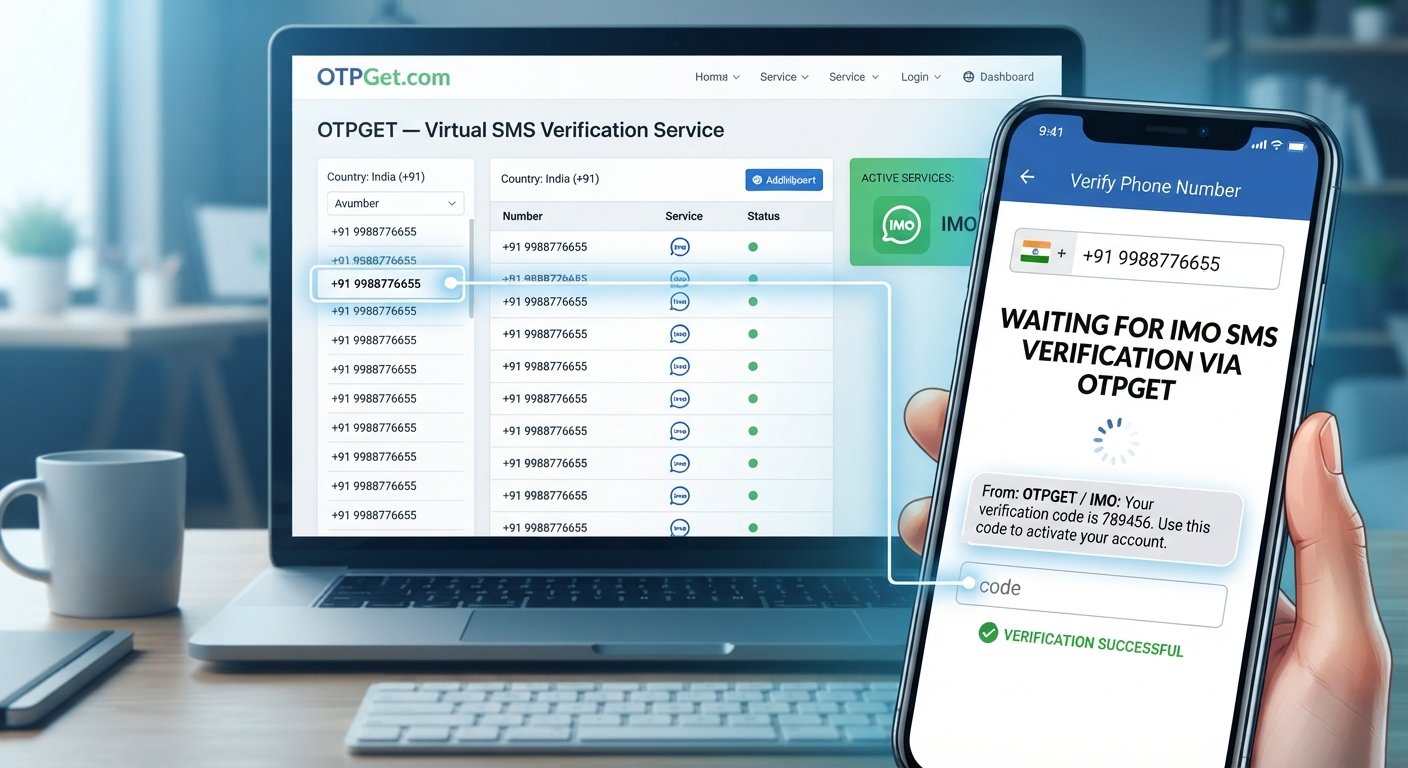
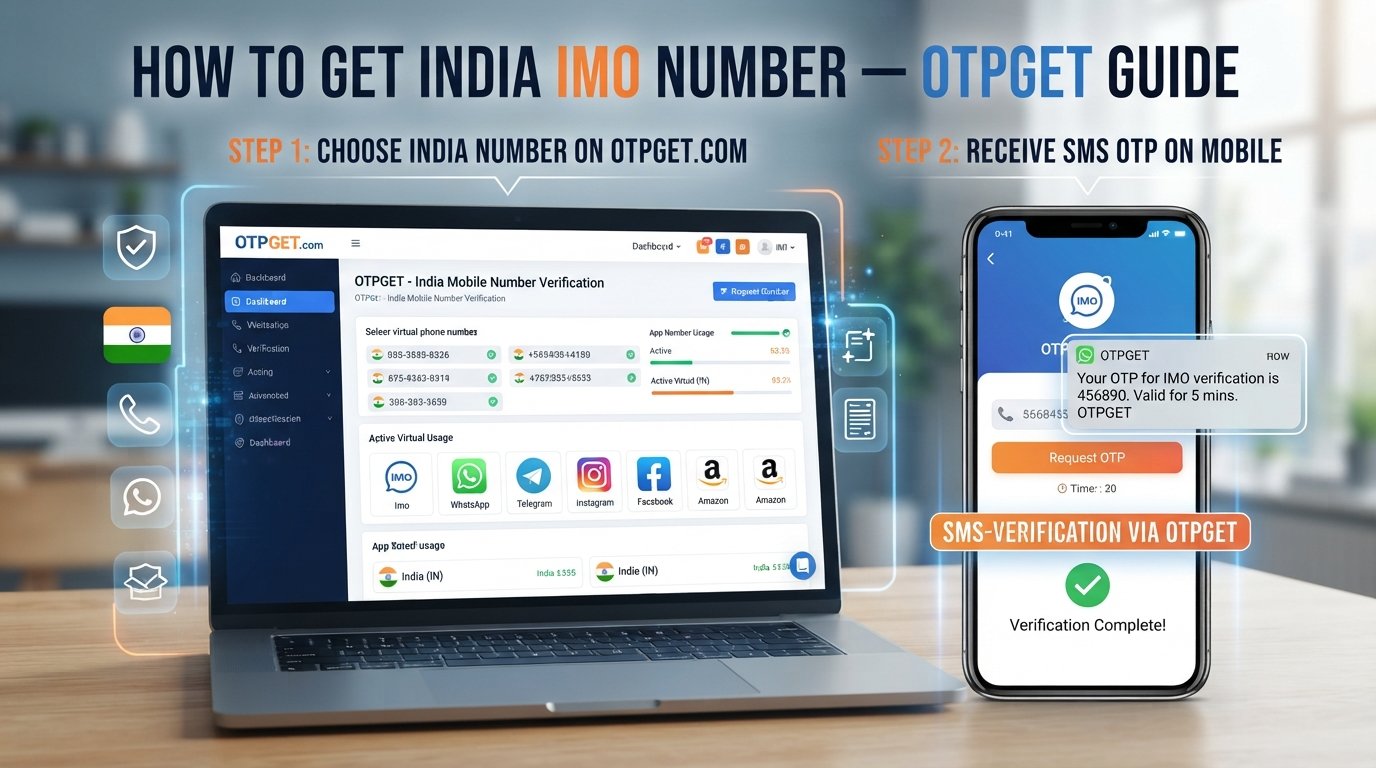
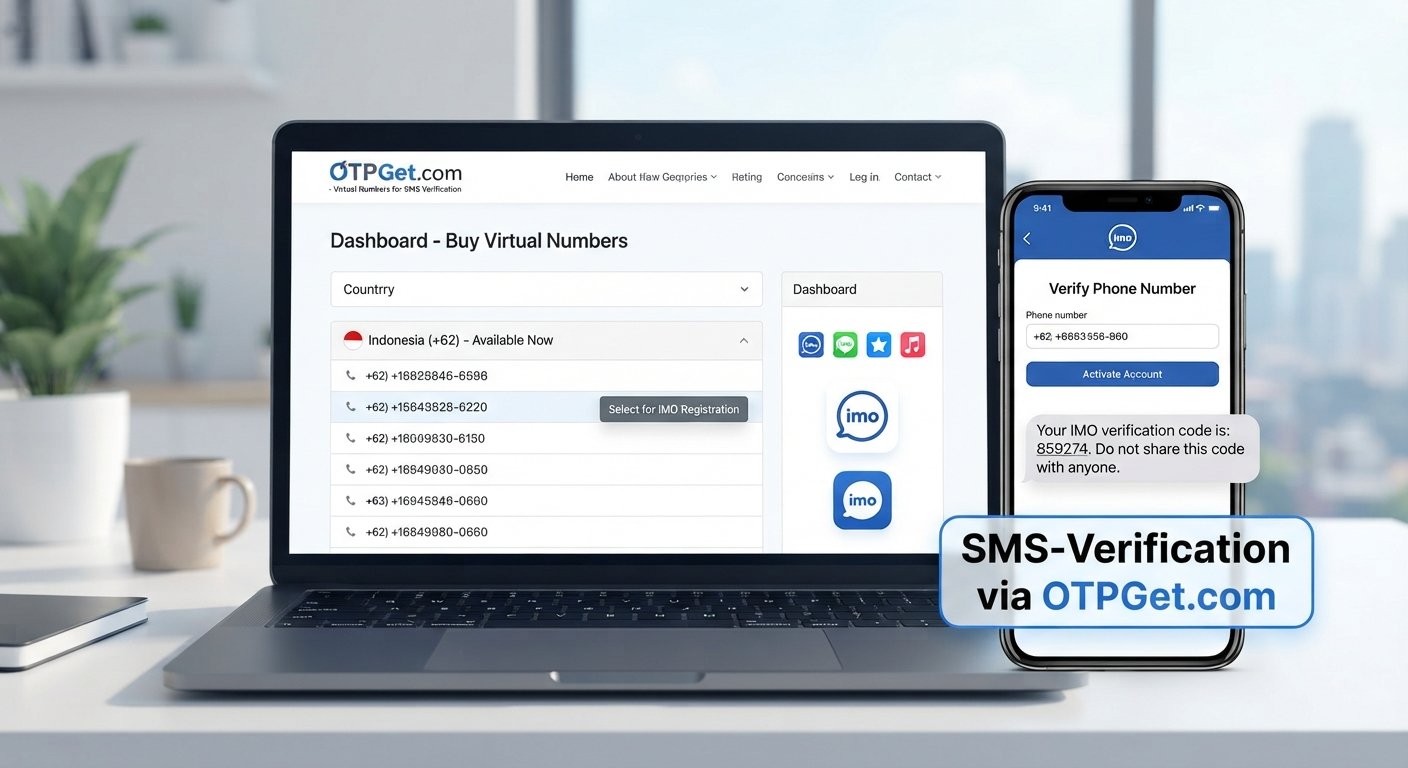
How Virtual Phone Numbers Work for OTP Verification
The basic process is straightforward.
- Enter the virtual number: You provide the virtual number on a website or application that supports it.
- The platform sends an OTP: The service sends an SMS containing a verification code.
- The virtual number receives the message: The SMS is delivered to the virtual number through the provider.
- Retrieve the code: You view the verification message through the provider's supported interface.
- Complete verification: You enter the SMS OTP into the appropriate verification field.
This is the basic model behind many virtual numbers for OTP verification and online SMS verification services.
However, receiving a code is only one part of the equation. The website you're using must also accept the type of number you have selected.
Are Virtual Phone Numbers Safe?
Virtual phone numbers can be safe for appropriate online verification, but their safety varies by provider and use case.
One important consideration is who controls the number and who can access incoming messages. A number intended for a single user presents different privacy considerations from a shared number that may be accessible to multiple users.
You should consider:
- Provider reputation: Look for a service that clearly explains how its numbers and customer data are handled.
- Number allocation: Understand whether the number is dedicated, rented, temporary, or shared.
- Privacy practices: Review what information the provider collects and how it handles account and activity data.
- Number reuse: A number that is later reassigned can create complications for accounts that continue to depend on it.
- Account recovery: Consider what happens if you lose access to the number.
- Message access: Find out whether incoming verification messages are visible only to you or potentially accessible through a shared-number system.
- Platform compatibility: Some websites distinguish between mobile, VoIP, virtual, temporary, or previously used numbers.
There is also a broader consideration: SMS itself is not considered the strongest authentication method for highly sensitive accounts. NIST's digital identity guidance treats SMS-based authentication as a restricted method and recommends considering risks and alternative authenticators where appropriate.
In other words, using a virtual number can protect your personal number from unnecessary exposure, but it does not automatically make an account highly secure.
Potential Risks of Using Virtual Phone Numbers
Number Reuse
Some temporary or shared numbers may eventually be allocated to another user. If an old account continues to rely on that number for authentication or recovery, this can create account-access and privacy concerns.
For long-term accounts, you should understand how long you will control the number and whether it can be retained.
Shared Numbers
A shared number can be unsuitable for sensitive accounts because multiple customers may use the same number at different times or, depending on the service model, have access to messages associated with it.
For anything involving sensitive personal or financial information, carefully consider whether a shared virtual SMS number is appropriate.
Platform Restrictions
Not every website accepts every type of virtual number.
Some platforms may reject numbers associated with VoIP services, temporary numbers, previously used numbers, or particular number ranges. A failed verification does not necessarily mean the number is unsafe; it may simply mean the platform does not support that number type.
Account Recovery
This is one of the most important considerations.
If you use a temporary number to create an account and later lose access to that number, you may also lose an important recovery method. NIST guidance emphasizes the importance of account recovery processes and maintaining appropriate recovery methods when an authenticator is lost or compromised.
Sensitive Accounts
Highly sensitive accounts require more careful consideration. Financial services, critical business systems, and accounts containing valuable personal information may have stronger identity and authentication requirements.
For these accounts, follow the platform's recommended authentication and recovery methods rather than assuming an OTP receiving service is sufficient.
When Should You Use a Virtual Phone Number?
Virtual numbers can make sense for legitimate situations where the target service permits their use.
Examples include:
- Protecting your personal phone number from unnecessary exposure
- Signing up for services that explicitly support virtual numbers
- Testing applications or services where permitted
- Separating personal and online communications
- Managing communications for a project or business activity
- Completing temporary online verification when the platform allows it
- Receiving SMS verification messages without using your everyday number
The key is to check the rules of the website or application first.
A virtual number should not be used to bypass identity checks, platform restrictions, account limits, or other security controls.
When Should You Avoid a Temporary or Shared Number?
A temporary or shared number may not be appropriate when long-term access is important.
Consider using a more persistent, personally controlled number or another supported authentication method for:
- Important personal accounts
- Financial services
- Accounts containing sensitive information
- Critical business accounts
- Accounts that require long-term recovery
- Services that explicitly prohibit virtual numbers
- Any situation where losing the number could result in losing access to the account
The question is not simply whether you can receive OTP online. You should also ask whether you will still have reliable access to the account when you need to recover it later.
How to Choose a Safer Virtual Phone Number Service
Before selecting a virtual number service, use this checklist:
1. Check the Provider's Reputation
Look for transparent information about the service, its policies, and how its numbers are provided.
2. Understand Number Types
Find out whether you are receiving a temporary, shared, dedicated, or rental number.
3. Review Privacy Practices
Read the provider's privacy information to understand what account, payment, IP, or activity information may be collected.
4. Consider SMS Reliability
A number is only useful for verification if the required SMS can actually reach it. Delivery can vary by country, carrier, number type, and platform.
5. Check Number Retention
For accounts that matter over time, understand how long you can retain access to the number.
6. Check Supported Services
A provider may support many services, but that does not mean every website or application will accept every number.
7. Review Security and Account Controls
Look for sensible account-protection measures and clear procedures for managing your virtual numbers.
8. Read the Terms
Make sure your intended use is permitted by both the number provider and the website you are verifying.
OTPGET — A Practical Solution for Online Verification
Choosing the right provider can make a significant difference. This is where OTPGET can be useful for users looking for a convenient virtual number option for supported verification needs.
OTPGET provides virtual phone numbers designed for SMS and OTP verification, along with options intended for temporary use and longer-term number rental. Its service information also describes access to numbers from multiple countries and support for a range of online services.
For someone who wants to avoid unnecessarily exposing a personal phone number, this can provide a practical separation between personal communications and online verification.
The important point is to use the service appropriately. OTPGET does not make every website compatible with virtual numbers, and users should still check the requirements of the specific platform they are verifying.
OTPGET's published terms also state that its services must not be used for illegal, fraudulent, abusive, or harmful activities.
That makes the intended use straightforward: use a virtual number for legitimate verification needs where the target service permits it.
OTPGET vs. Using Your Personal Phone Number
Neither option is universally appropriate. The right choice depends on the account, platform, privacy requirements, and expected duration of use.
| Factor | Personal Phone Number | Virtual Number with OTPGET |
|---|---|---|
| Personal number exposure | Your everyday number is provided to the service | Can reduce the need to disclose your personal number |
| Online verification | Commonly supported, depending on the platform | Intended for supported SMS/OTP verification use cases |
| Privacy considerations | May expose a number used for personal communication | Separates verification activity from your personal number |
| Convenience | No additional provider required | Provides an online method for receiving supported verification SMS |
| Long-term account recovery | You generally retain control of your mobile number | Depends on the type and retention period of the virtual number |
| Platform compatibility | Often broadly accepted, but platform rules still apply | Depends on whether the platform accepts the virtual number |
The key difference is control and purpose. A personal number may be more suitable when long-term account recovery is essential, while a virtual number can be useful when privacy and separation are more important.
Tips for Using Virtual Numbers Safely
- Choose a reputable provider.
- Check whether the target platform supports virtual numbers.
- Avoid shared numbers for highly sensitive accounts.
- Understand whether your number is temporary or persistent.
- Review the provider's privacy practices.
- Never share OTPs or verification codes with other people.
- Use strong passwords and additional security measures where available.
- Keep recovery information up to date.
- Follow the target platform's terms of service.
- Never use virtual numbers to bypass security controls or platform restrictions.
These steps help distinguish privacy protection from a false sense of security. A virtual number can reduce exposure of your personal phone number, but you still need good account-security practices.
Frequently Asked Questions
Are virtual phone numbers safe for OTP verification?
They can be appropriate for legitimate OTP verification, but safety depends on the provider, number type, message-access model, and website being verified. Shared or temporary numbers may introduce additional privacy and account-recovery considerations. For sensitive accounts, consider whether the platform provides a stronger authentication option.
Can I receive OTP codes using a virtual phone number?
Yes, virtual phone numbers can receive SMS verification codes when the provider supports SMS reception and the target platform accepts that type of number. The exact experience can vary by service, country, carrier, and number type.
Are virtual phone numbers private?
A virtual number can help protect your personal phone number from unnecessary exposure, but it is not automatically private. Check the provider's privacy practices and determine whether the number is dedicated or shared before using it for online verification.
Can websites block virtual phone numbers?
Yes. Websites and applications can impose their own verification requirements and may reject virtual, VoIP, temporary, or previously used numbers. Always check the platform's rules rather than assuming that every virtual number will work.
What is the difference between a temporary and permanent virtual number?
A temporary virtual number is generally intended for short-term use, while a persistent or rental number can be retained for a longer period. The main consideration is whether you will need the number later for login or account recovery.
Is a virtual phone number better than using my personal number?
It depends on the situation. A virtual number may help reduce personal number exposure, while a personal mobile number may be more appropriate for accounts where long-term control and recovery are important. Neither option is automatically better for every use case.
Can I use OTPGET for online verification?
OTPGET provides virtual phone numbers for supported SMS and OTP verification needs. Whether a particular website or application accepts an OTPGET number depends on that platform's verification rules and the available number type. Users should only use the service for legitimate, permitted purposes.
What should I look for in a virtual phone number provider?
Look at provider reputation, number type, privacy practices, SMS reliability, number retention, supported services, account controls, customer support, and terms of service. For long-term accounts, pay particular attention to whether you can retain access to the number.
Conclusion
So, are virtual phone numbers safe for online verification?
They can be a useful option, but safety and reliability depend heavily on the provider, number type, platform compatibility, message-access model, and how the number is used.
For low-risk and legitimate verification tasks, a virtual number can help reduce unnecessary exposure of your personal phone number. For important accounts, however, long-term number control and account recovery should be considered before choosing a temporary or shared number.
If you need a practical way to receive supported verification SMS without automatically using your personal number, OTPGET is one option to explore. Its virtual-number services are designed around OTP and SMS verification use cases, while its published terms make clear that users are responsible for using the service lawfully and appropriately.
The best approach is simple: choose a provider carefully, verify that the target platform permits virtual numbers, protect your verification codes, and use the number type that matches the importance and expected lifetime of the account.
11. Internal Link Suggestions
- What Is an OTP?
- How SMS Verification Works
- Temporary Phone Numbers Explained
- Virtual Phone Numbers for Business
- How to Protect Your Phone Number Online
- Virtual Numbers vs. Physical SIM Cards
- What Is SMS OTP Verification?
- How Online Account Verification Works