How Do Virtual Phone Numbers Actually Work? Complete Guide Online
How Do Virtual Phone Numbers Actually Work?
You sign up for an online service, enter your phone number, and almost immediately receive a six-digit verification code. Simple enough—but what happens if you don't want to use your personal number?
That's where virtual phone numbers come in.
A virtual number can receive SMS messages without being tied to a physical SIM card in your smartphone. They are used for privacy-conscious communication, business workflows, software testing, international operations, and, in many cases, SMS verification.
But how do virtual phone numbers actually work? How does an OTP travel from a website to a number that isn't sitting inside your phone?
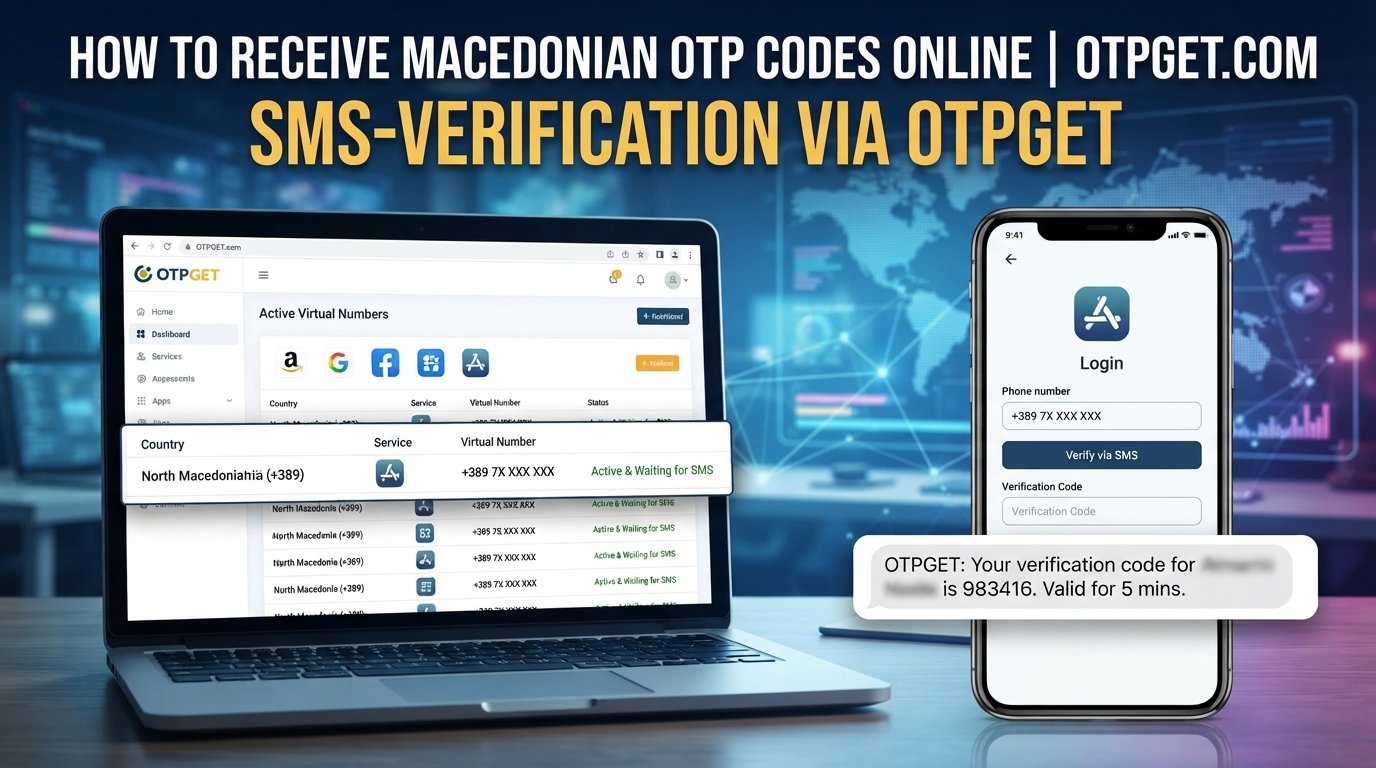
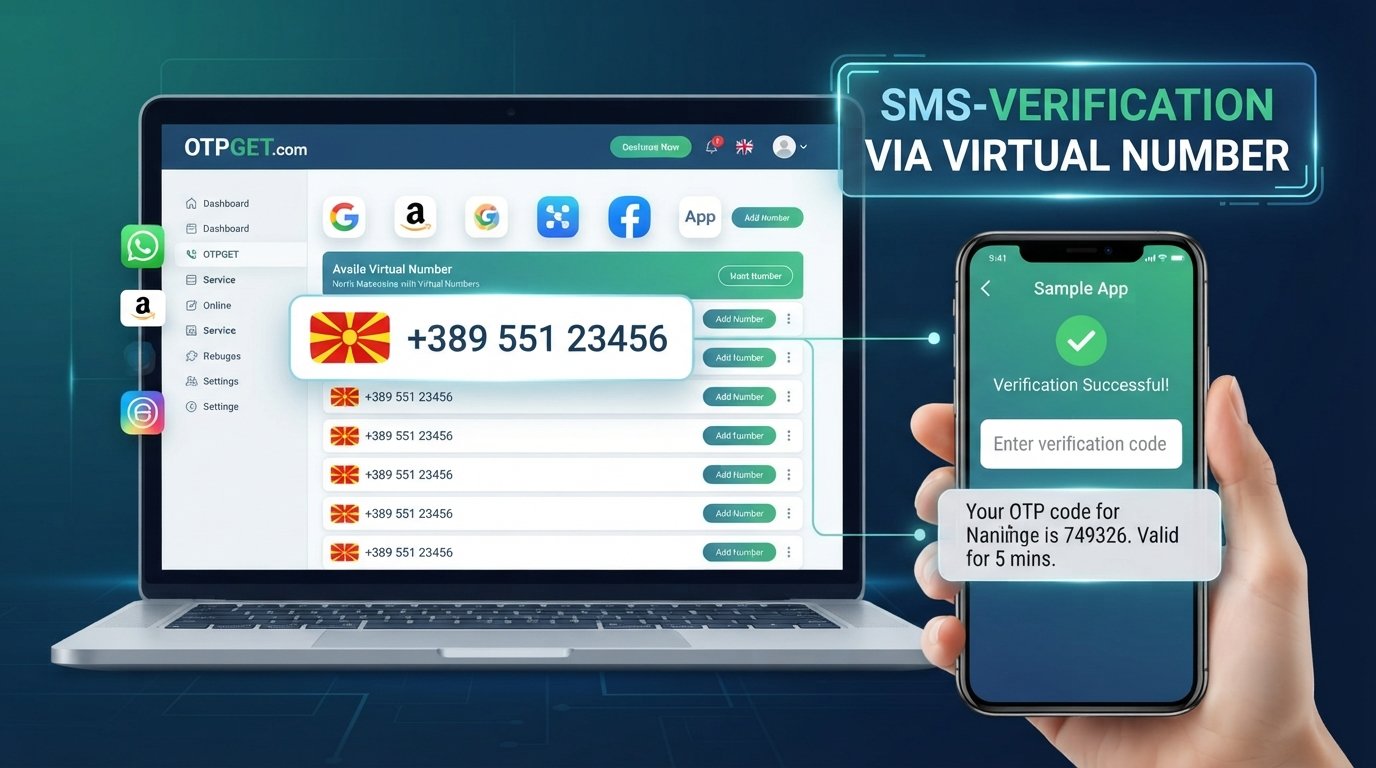
The answer involves cloud-based telecommunications, mobile networks, SMS routing, and a provider that connects everything together. Services such as OTPGET can make that process more convenient for users who need access to virtual numbers and OTP verification.
Let's break down how it all works.
What Is a Virtual Phone Number?
A virtual phone number is a telephone number that is managed through internet-based or cloud telecommunications infrastructure rather than being permanently attached to a physical SIM card and mobile handset.
From the perspective of a website or app, it can look much like an ordinary phone number. Depending on the service and number type, it may be capable of receiving SMS messages, verification codes, or calls.
The key difference is how the number is accessed.
Instead of checking a physical phone, the user accesses incoming messages through the provider's online system or another supported interface.
That makes virtual numbers useful when someone needs a separate number without purchasing another physical device or SIM card.
[Internal Link: Virtual Phone Numbers Guide]
How Do Virtual Phone Numbers Actually Work?
At a basic level, the process is straightforward:
- A user selects a virtual phone number.
- The number is assigned through a virtual telephony or SMS provider.
- A website or application sends an SMS to that number.
- The telecommunications network routes the message to the number.
- The provider receives the incoming SMS.
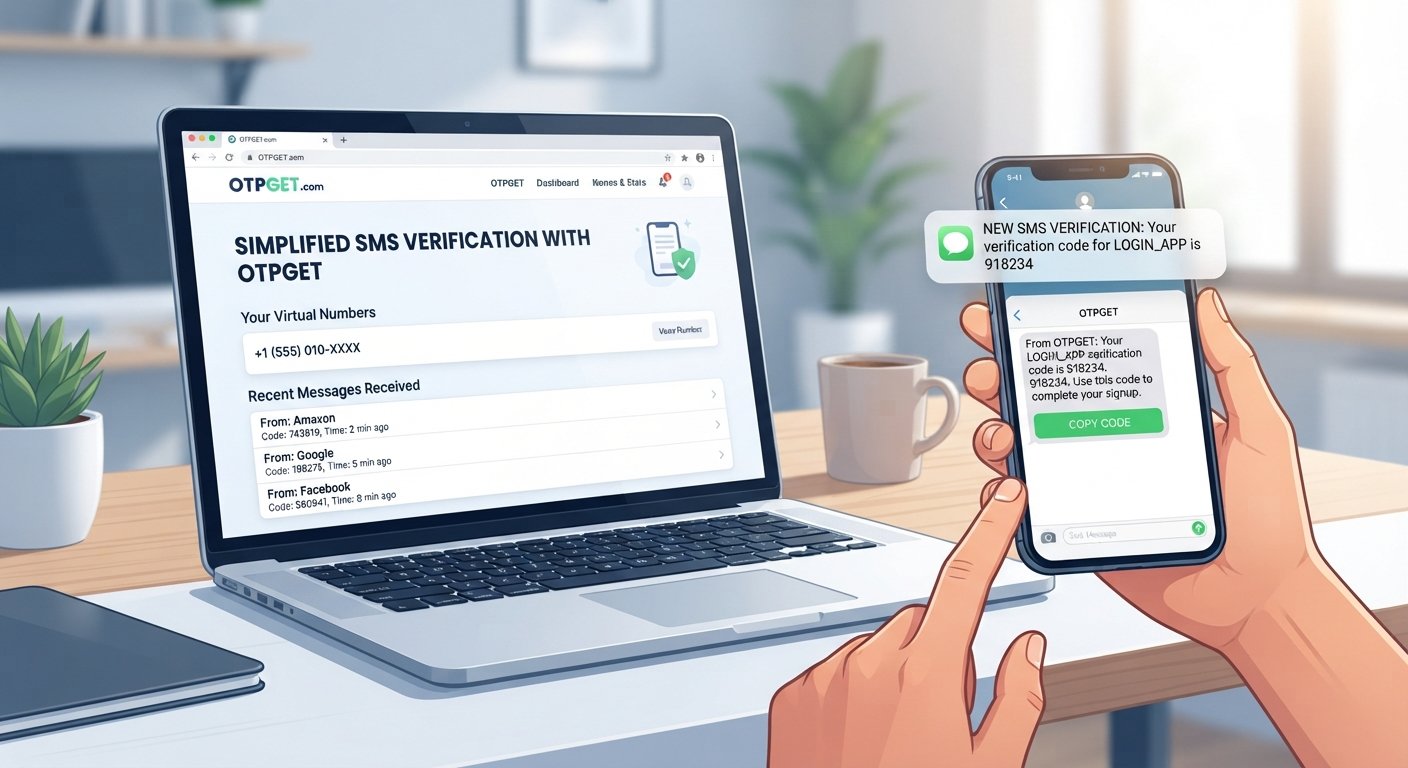
- The user accesses the message and, when appropriate, enters the verification code.
The complicated part happens behind the scenes.
A virtual number still relies on telecommunications infrastructure and carrier networks. The fact that the user views the SMS through an online interface doesn't mean the message is imaginary or disconnected from the phone network.
In simple terms, the cloud-based service acts as the bridge between the online platform sending the message and the user accessing it.
How Do Virtual Numbers Receive OTP Codes?
An OTP, or one-time password, is a temporary verification code generated by a service to confirm that someone has access to a particular authentication method.
For SMS OTP verification, the general process looks like this:
- You enter a supported phone number during registration or verification.
- The platform generates an SMS verification code.
- The message is routed through telecommunications networks.
- The virtual number provider receives the SMS.
- The incoming message becomes available to the user through the provider's system.
- The user enters the code into the original verification screen.
This is why a virtual number for OTP can be useful for situations where a separate phone number is appropriate.
However, compatibility varies. Some websites and apps restrict or reject certain virtual numbers, so receiving an SMS is never something users should assume will work universally.
[Internal Link: What Is OTP Verification?]
Why Do People Use Virtual Phone Numbers?
There isn't just one reason to use an online phone number. Different users have different needs.
Privacy and Separation
Some people don't want to associate their personal mobile number with every online service they use. A separate number can help keep personal and online activity distinct.
Business Communication
Businesses may need numbers for departments, customer support workflows, regional operations, or specific projects without assigning everything to employees' personal phones.
Software Testing
Developers and QA teams can use virtual numbers when testing registration, authentication, password-reset, and onboarding workflows.
International Operations
A business working across multiple markets may need access to numbers associated with different regions. Virtual services can make this easier to manage than maintaining physical SIM cards and devices.
Temporary Projects
For short-term activities, a temporary phone number may be more practical than purchasing a long-term mobile subscription.
The important point is that virtual numbers are not exclusively an OTP tool. They are part of a broader approach to managing digital communications and identities.
Virtual Phone Numbers for OTP Verification
Virtual phone numbers can be particularly useful when an online service requires SMS-based phone verification.
A dedicated number can keep verification activity separate from a personal phone and may simplify workflows involving multiple projects or accounts.
However, several factors affect whether a verification message will arrive successfully:
- Number availability: The required country or number type may not always be available.
- Platform compatibility: Some services don't accept certain virtual numbers.
- SMS delivery: Carrier routing and platform infrastructure can affect delivery speed.
- Number status: Temporary or recycled numbers may have different limitations from dedicated numbers.
- Account requirements: Some services may require continued access to the same number for recovery or future verification.
- Terms of service: Users should always follow the rules of the platform they are verifying.
A good virtual number is therefore not simply about getting any number. It's about choosing a number and service appropriate for the intended use.
OTPGET: A Practical Solution for Virtual Number and OTP Needs
Understanding how virtual numbers work is useful, but finding and managing an appropriate number can still add unnecessary complexity.
That's where OTPGET can fit into the workflow.
OTPGET is positioned as a practical service for users who need access to virtual numbers and OTP verification. Instead of managing a separate physical SIM or searching for an appropriate number manually, users can use a dedicated virtual-number service for supported verification needs.
The appeal is straightforward: keep the number used for verification separate when appropriate, access incoming verification messages through the service, and simplify the overall process.
Instead of trying to understand different virtual-number options on your own, a dedicated service such as OTPGET can simplify the process.
The important qualification is that no virtual-number service should be assumed to work with every website or application. Compatibility depends on the platform, number, carrier, and verification requirements.
Benefits of Using OTPGET for Virtual Number Verification
For users with legitimate virtual-number or SMS verification needs, a dedicated service can provide several practical advantages.
Convenience
There is less need to purchase and manage another physical SIM or phone simply for a particular verification workflow.
Separation From a Personal Number
Using a separate virtual number can help keep personal communication distinct from online registrations and other verification activity.
Simpler OTP Receiving
A dedicated service can make the process of receiving an SMS verification code more straightforward than managing multiple physical devices.
Temporary Verification Needs
When a project only requires a number for a limited purpose, a virtual-number service can be more practical than establishing a new mobile subscription.
Streamlined Workflows
For developers, businesses, and users handling multiple legitimate online services, having a dedicated virtual-number workflow can reduce unnecessary administrative steps.
As with any provider, users should review the available number types, supported services, policies, and terms before relying on a number for an important account.
Things to Consider Before Using a Virtual Phone Number
Virtual numbers are useful, but they aren't a universal replacement for traditional mobile numbers.
First, some websites and apps may block virtual numbers or specific number ranges. This is usually a decision made by the platform as part of its authentication and abuse-prevention systems.
Second, SMS delivery can vary. Network routing, carrier conditions, and the originating platform can all affect how quickly a message arrives.
Third, some numbers may be temporary or recycled. That matters if you expect to retain access to an account for a long time.
Fourth, account recovery deserves attention. If an important account may require the same number later, a short-term number may not be appropriate.
Finally, users should always follow the terms and acceptable-use policies of the platform they are accessing.
[Internal Link: How SMS Verification Works]
Virtual Phone Number vs. Traditional Phone Number
| Feature | Virtual Phone Number | Traditional Phone Number |
|---|---|---|
| Internet-based access | Usually | Not necessarily |
| Physical SIM required | No | Usually |
| SMS capability | Depends on provider/number | Typically |
| Privacy/separation | Useful for separate online activity | Usually tied to personal device |
| Flexibility | High for supported use cases | More tied to physical device |
| Typical use cases | Verification, business, testing, international use | Personal calls, SMS, everyday communication |
| Long-term ownership | Depends on provider and number type | Usually tied to mobile subscription |
Neither option is universally better. The appropriate choice depends on what the number is needed for.
How to Choose a Virtual Phone Number Service
Choosing a provider based only on price can create problems later. Consider these factors instead:
Number Availability
Check whether the provider offers the country, number type, and service compatibility you actually need.
SMS Delivery
A number is only useful if messages can be delivered reliably. Look at the provider's approach to telecommunications and SMS routing.
Privacy Practices
Understand how the provider handles account information, phone numbers, and incoming messages.
Pricing Transparency
Make sure you understand what you're paying for and whether the number is temporary, rented, or otherwise assigned for a particular period.
Support
Responsive customer support can matter when a verification message doesn't arrive or a number isn't suitable for your intended use.
Acceptable-Use Policies
Choose a service whose policies align with your intended activity, and make sure your use of the number complies with the platform being verified.
OTPGET is one option users can consider when their requirements involve virtual numbers and OTP verification. The same evaluation criteria should apply: understand the available service, confirm compatibility, and choose the number type that matches the account's purpose.
Frequently Asked Questions
What is a virtual phone number?
A virtual phone number is a telephone number managed through internet-based or cloud telecommunications infrastructure rather than being permanently tied to a physical SIM card in a mobile phone.
How do virtual phone numbers work?
A provider connects the virtual number to telecommunications infrastructure. When a supported service sends an SMS, the message is routed to that number and made available to the user through the provider's system.
Can virtual phone numbers receive OTP codes?
Yes, virtual phone numbers can receive SMS OTP codes when the number and originating service are compatible. However, not every website or app accepts every type of virtual number.
What is a virtual number used for?
Common uses include SMS verification, business communication, software testing, privacy-conscious account separation, temporary projects, customer support, and international operations.
Are virtual phone numbers the same as regular phone numbers?
They can function similarly from the perspective of an online service, but the underlying access method differs. Virtual numbers are managed through cloud or internet-based infrastructure, while traditional mobile numbers are generally associated with a physical SIM and mobile device.
Why do websites send SMS verification codes?
SMS verification helps a website confirm that the person registering or accessing an account has control of the submitted phone number. An OTP is generally valid for a limited period and is intended for a specific verification attempt.
Can OTPGET help with virtual number verification?
OTPGET is designed to provide access to virtual numbers and OTP verification services for supported use cases. Users should check the available options and compatibility for the specific service they intend to verify.
Final Thoughts
Virtual phone numbers are easier to understand once you look beyond the number itself.
A website sends an SMS. Telecommunications networks route it. A virtual-number provider receives the message through its infrastructure. The user then accesses the verification code through the provider's system.
That simple sequence is supported by a much larger ecosystem of carriers, routing systems, cloud infrastructure, and authentication technology.
For individuals, virtual numbers can provide useful separation between personal and online communication. For businesses and developers, they can simplify testing, account administration, international operations, and legitimate SMS verification workflows.
The key is choosing the right type of number for the job and understanding its limitations.
For users who need a practical way to access virtual numbers and manage supported OTP verification needs, OTPGET can be a useful option to consider. As with any provider, review compatibility, policies, and the intended lifespan of the account before choosing a number.
Used thoughtfully, virtual phone numbers can make online verification and digital communication considerably easier to manage.