Virtual Phone Numbers for Online Account Verification Made Simple
Virtual Phone Numbers for Online Account Verification Made Simple
Signing up for an online service can be straightforward until the registration screen asks for a phone number. The reason is usually simple: the service wants to confirm that a real user can receive a verification message.
For some people, using a personal mobile number for every website or app is not ideal. They may want to separate personal communications from online accounts, manage legitimate business workflows, test an application, or access an eligible number for a specific verification requirement.
That is where virtual phone numbers for online account verification can be useful.
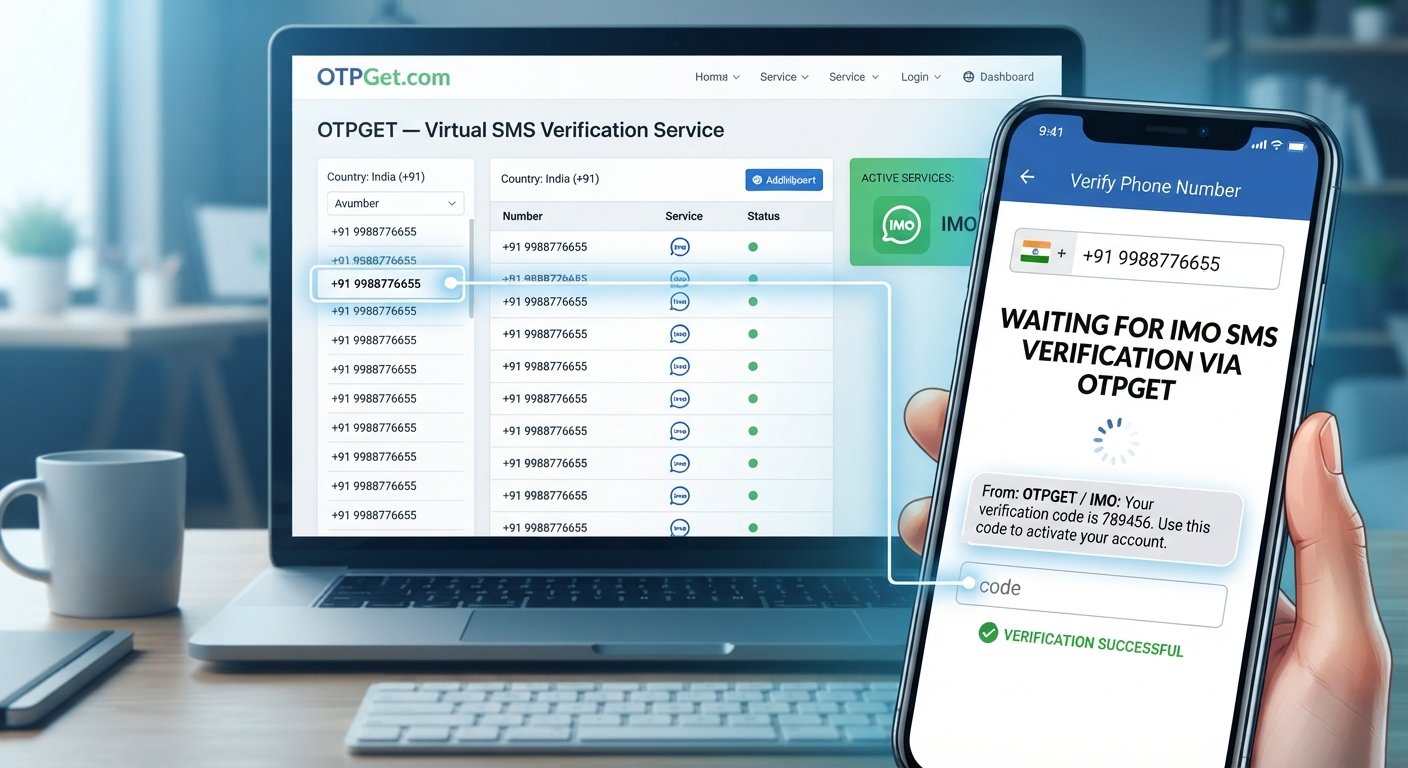
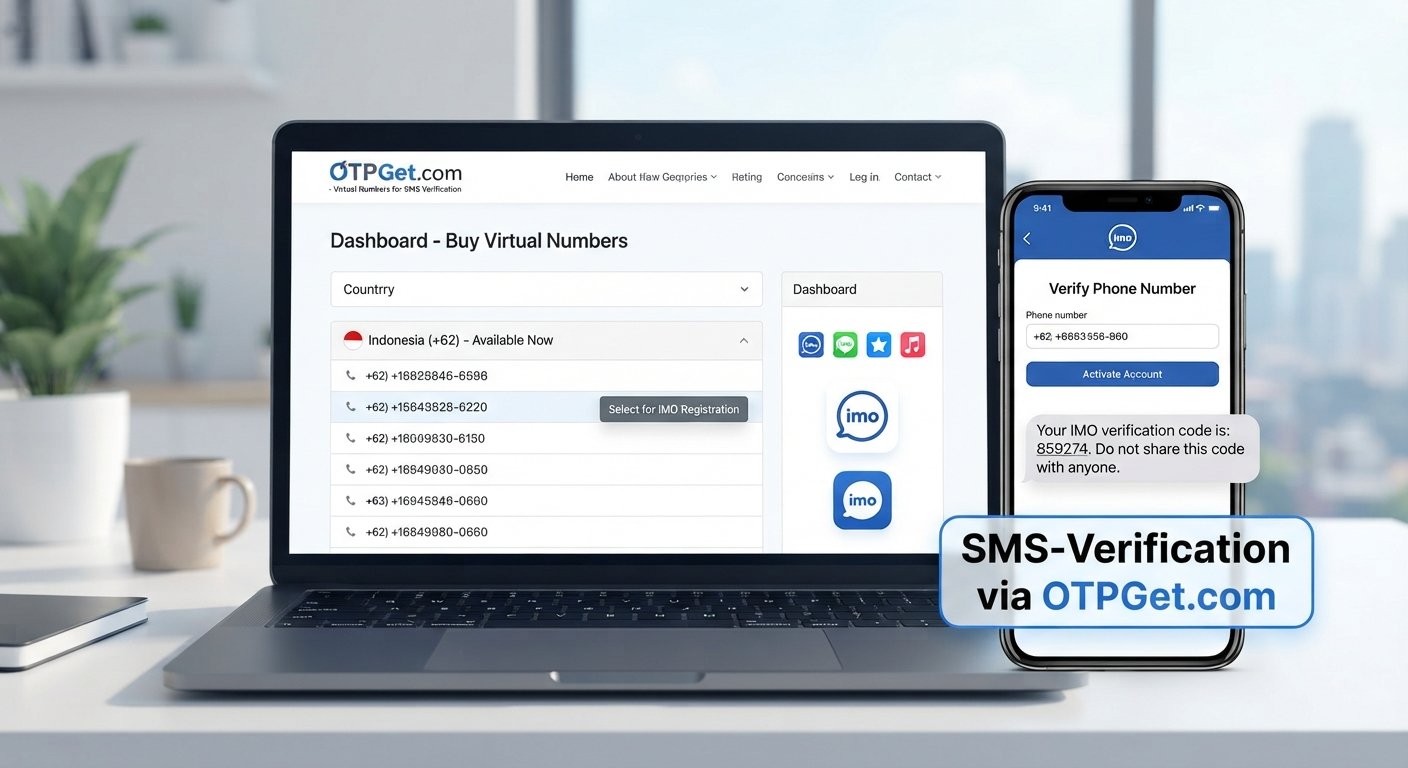
A virtual number can provide an online way to receive supported SMS messages without relying on a physical SIM in your everyday phone. Services such as OTPGET provide virtual numbers intended for SMS and OTP verification workflows, subject to number availability and the requirements of the service being verified.
Before using one, however, it helps to understand how virtual numbers work, what SMS verification actually does, and where their limitations are.
What Is a Virtual Phone Number?
A virtual phone number is a telephone number managed through an online service rather than being directly tied to a physical SIM card in your phone.
The number can be used for supported communications, including SMS messages. In a verification workflow, the online service receives the message and makes the relevant SMS available through its interface or associated system.
A virtual phone number can differ from a conventional personal number in several ways:
- It may be available temporarily or for a longer rental period.
- It can be accessed through an online platform.
- It may be available for specific countries or services.
- SMS availability depends on the number, provider, and destination service.
- Some websites accept virtual numbers, while others restrict them.
For anyone researching virtual phone numbers for online account verification, the important point is that a virtual number is simply another way to access a phone number. It does not automatically guarantee that every website will accept it.
[Internal Link: How Virtual Phone Numbers Work]
Why Do Online Accounts Require Phone Verification?
Phone verification is commonly used as an additional step during registration, login, account recovery, or other security-related processes.
When a platform sends a one-time code by SMS, it is checking whether the person completing the process can access the phone number provided.
Common reasons for phone verification include:
- Confirming access to a phone number
- Reducing automated or fraudulent registrations
- Sending one-time passwords
- Supporting account recovery
- Adding another authentication step
- Detecting suspicious or unusual account activity
SMS verification is familiar because it is relatively simple for users. The platform sends a short code, and the user enters that code into the relevant field.
However, SMS is not the strongest authentication method for every situation. Security guidance from organizations such as NIST and CISA recognizes that authentication methods have different security properties, with stronger options available for some account-security scenarios.
That distinction matters: a virtual number can help with a legitimate verification workflow, but it should not be treated as a replacement for stronger account-security measures where those are available.
How Does SMS OTP Verification Work?
OTP stands for one-time password. In an SMS verification workflow, the OTP is a temporary code sent to the phone number associated with the verification request.
The process is usually simple:
- A website or app asks for a phone number.
- You provide an eligible number.
- The service sends a verification code by SMS.
- The message reaches the phone number or supported virtual-number service.
- You retrieve the code.
- You enter it into the verification field.
- The platform checks the code and completes the applicable verification step.
The code is generally intended for that specific verification attempt and should be treated as sensitive information.
Never give an unexpected caller, message sender, or supposed support representative a verification code. The FTC specifically warns that scammers can use verification codes to gain access to accounts or establish accounts connected to a victim's information.
[Internal Link: OTP Verification Guide]
Why Use a Virtual Phone Number for Online Verification?
There are several legitimate reasons someone may choose a virtual number instead of their everyday mobile number.
Privacy considerations
Some users prefer not to provide their personal number to every online service they try. A separate number can help create a clearer boundary between personal communications and certain online activities.
This does not mean a virtual number provides complete anonymity. Users should still understand the provider's policies and the privacy practices of the websites they use.
Convenience
A virtual number can be useful when receiving an SMS is necessary but using a personal SIM is inconvenient.
For example, a developer testing an application may need a number for a legitimate test workflow. A business may also want separate numbers for specific online services or operational processes.
Accessibility
Virtual numbers can be useful when a user does not have access to a physical SIM from the required region, provided an eligible number is available and the destination service accepts it.
Separation of communications
Keeping verification-related messages separate from everyday personal messages can make account management easier, particularly when several legitimate online services are involved.
The key is to use a virtual number within the rules of the platform being verified. A virtual number should not be used to circumvent bans, impersonate another person, defeat security controls, or create fraudulent accounts.
Common Challenges With Phone Verification
Phone verification sounds simple, but users can run into practical problems.
Personal-number exposure
Some people simply do not want their primary mobile number associated with every online registration. Using a separate number can reduce unnecessary exposure of that personal contact point.
SMS delays
Verification messages can sometimes take time to arrive. Network conditions, the destination platform, the number itself, or the virtual-number provider can all affect delivery.
International requirements
Some websites require a number associated with a particular country or region. This can create a problem for users who do not have a local physical SIM.
Multiple legitimate services
Businesses, developers, testers, and teams may have valid reasons to manage several verification workflows. Using only one personal number for everything may become inconvenient.
Compatibility restrictions
This is one of the most important considerations. A number that can receive SMS is not necessarily accepted by every website.
Third-party platforms can restrict certain virtual, VoIP, temporary, or previously used numbers. Availability and acceptance can also change.
OTPGET: A Practical Solution for Online Verification
Once the basic problem is clear, a virtual phone number service can provide a practical way to manage supported SMS verification workflows.
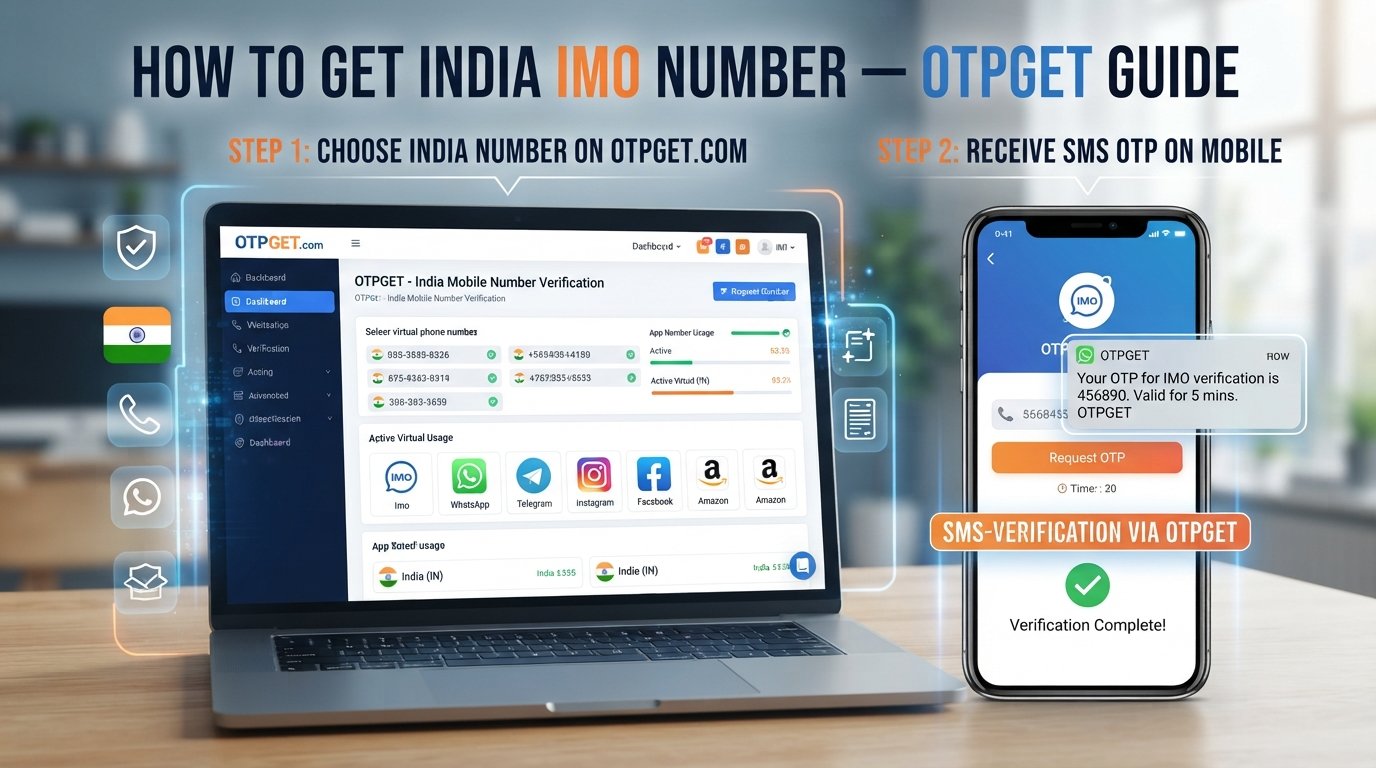
OTPGET describes its service as providing virtual numbers for SMS OTP verification, along with temporary and rental number options and tools for developers. Its published information also describes country and service selection and a process for obtaining a number and checking for incoming verification messages.
For users, the main idea is straightforward: obtain an available virtual number for an eligible verification purpose, use that number where the third-party service permits it, and retrieve the incoming SMS through the applicable OTPGET interface.
The service can therefore be useful for legitimate situations where a separate online number is more practical than a personal mobile number.
It is important to keep the responsibilities separate. OTPGET provides the virtual-number and SMS-receiving side of the workflow; the website or app being verified determines whether it accepts the number.
That means no virtual-number provider should be assumed to work with every platform or every verification attempt.
How to Use OTPGET for Online Account Verification
The exact interface can change, so users should follow the current instructions displayed by OTPGET. The general workflow is:
- Visit OTPGET.
Open the platform and review the available virtual-number options. - Choose the appropriate number or service.
Select an available country and service combination that fits your legitimate verification requirement. - Use the number where permitted.
Enter the virtual number into the relevant phone-verification field on the third-party website or app. - Request the verification SMS.
Complete the normal verification step so the service sends its OTP. - Check OTPGET for the incoming message.
If the number and service support the request, retrieve the verification SMS through the applicable OTPGET interface. - Enter the verification code.
Submit the valid OTP in the verification field. - Complete the platform's normal verification process.
If a code does not arrive, avoid repeatedly requesting codes without checking the platform's instructions. The number may be unavailable for that service, the platform may restrict virtual numbers, or the SMS route may not support the particular request.
Key Benefits of Using OTPGET
For appropriate use cases, OTPGET can offer several practical advantages:
- Convenience: Manage supported verification messages through an online service.
- Number separation: Keep certain verification workflows separate from your personal mobile number.
- Virtual access: Use an online number where a suitable number is available.
- SMS/OTP reception: Receive supported verification messages through the service.
- Flexible workflows: Virtual and rental number options can suit different legitimate requirements.
- Developer support: OTPGET also publishes API options for programmatic virtual-number and OTP workflows.
These benefits should be viewed realistically. A virtual number is a tool for a particular workflow, not a universal solution for every account or security requirement.
Virtual Phone Numbers vs. Personal Phone Numbers
| Consideration | Personal Phone Number | Virtual Phone Number |
|---|---|---|
| Privacy | Directly connected to your everyday number | Can provide a separate number |
| Convenience | Simple when already available | Useful when an online number is more practical |
| Physical SIM | Usually associated with a SIM or eSIM | Managed through an online service |
| Verification | Widely used, but subject to platform rules | May be accepted or restricted depending on the service |
| Long-term recovery | Often convenient for personal accounts | Depends on whether the number remains available |
| Business/testing workflows | May mix personal and work activity | Can provide useful separation |
Neither option is universally better. The right choice depends on the account, the platform's requirements, the importance of long-term number ownership, and how the number will be used.
What to Look for in a Virtual Phone Number Service
Before choosing a virtual phone number service, check the details rather than assuming every provider offers the same experience.
Look for:
- Number availability: Can you obtain the country or number type you need?
- SMS support: Does the service support the kind of verification message you expect?
- Service compatibility: Does the destination platform permit the relevant number type?
- Reliability: Is the service transparent about availability and message delivery?
- Privacy: Review how account and message information are handled.
- Ease of use: The process for selecting a number and retrieving messages should be clear.
- Pricing clarity: Understand how numbers, rentals, or additional services are charged.
- Support: Check whether useful documentation or customer assistance is available.
- Long-term requirements: Consider whether the account may later require access to the same number.
OTPGET is one option readers can investigate when these factors match their needs. Its published service information should be checked for the current availability and applicable requirements before making a selection.
Is Using a Virtual Phone Number Safe?
There is no universal yes-or-no answer. Safety depends on the provider, the account, the platform being verified, and how the number is used.
A few basic practices can reduce avoidable problems:
- Use a reputable virtual phone number service.
- Do not share OTPs with other people.
- Protect passwords and account-recovery information.
- Follow the rules of the website or app being verified.
- Avoid virtual or temporary numbers when a service explicitly prohibits them.
- Consider a permanent number for accounts where long-term recovery is important.
- Use stronger authentication methods when an account offers them.
Remember that receiving an OTP does not automatically make an account secure. SMS-based authentication has known security limitations, and some services provide stronger authentication methods.
For legitimate verification needs where a virtual number is permitted, however, an online number can be a convenient alternative to exposing a personal mobile number.
Choosing the Right Verification Approach
The best setup depends on what you are trying to accomplish.
For a one-time eligible verification task, a temporary virtual number may be appropriate. For an ongoing business or development workflow, a longer-term rental or an API-based solution may make more sense.
For an important personal account, think beyond the initial signup. If the account later requires SMS for password recovery, security alerts, or identity checks, losing access to a temporary number could create unnecessary problems.
That is why virtual phone numbers for online account verification should be considered as part of the complete account lifecycle, not simply as a way to receive one code.
If your use case permits virtual numbers and you want to explore an online option for receiving supported OTP messages, explore OTPGET and review the currently available numbers and services before proceeding.
Conclusion
Phone verification has become a routine part of many online registration and account-security workflows. For users who prefer not to rely on their personal number for every eligible service, a virtual phone number can provide useful separation, convenience, and online access to supported SMS messages.
The important thing is to understand the limitations. Virtual numbers are not guaranteed to work with every website, and they should never be used to bypass security controls or violate platform rules.
For legitimate use cases, OTPGET provides a practical option to explore for virtual numbers and SMS OTP workflows. Check the available number and service options, confirm that the destination platform permits the number type, and choose an approach that fits both your immediate verification need and any future account-recovery requirements.
INTERNAL LINKING OPPORTUNITIES
- “virtual phone number” in the definition section
[Internal Link: How Virtual Phone Numbers Work] - “SMS verification” in the OTP explanation
[Internal Link: What Is SMS Verification?] - “OTP verification” in the step-by-step section
[Internal Link: OTP Verification Guide] - “account recovery” in the safety section
[Internal Link: Best Practices for Online Account Security] - “virtual number service” in the selection section
[Internal Link: How to Choose a Virtual Phone Number Service]
EXTERNAL SOURCE SUGGESTIONS
- NIST Digital Identity Guidelines — useful for supporting discussion of authentication, identity verification, and the security considerations surrounding different authenticator types. NIST Digital Identity Guidelines
- CISA authentication guidance — useful when discussing SMS codes alongside stronger authentication options. CISA: Require Multifactor Authentication
- FTC Consumer Advice — useful for supporting guidance about protecting verification codes and recognizing verification-code scams. FTC Consumer Advice
- OTPGET official service documentation — useful for verifying current product capabilities, available number options, and API-related functionality. OTPGET Documentation
SEO FAQ
What is a virtual phone number?
A virtual phone number is a telephone number managed through an online service rather than directly through a physical SIM in your phone. Depending on the service, it can receive supported SMS messages and verification codes online.
Can I use a virtual phone number for online account verification?
Yes, a virtual phone number can be used for online account verification when the destination website or app accepts that type of number. Acceptance varies by platform, country, number, and verification workflow.
How does SMS OTP verification work?
The platform sends a one-time verification code to an eligible phone number. The user receives the SMS, enters the code into the verification field, and the platform checks whether the code is valid.
Can I receive verification codes online?
Yes. A virtual SMS number can allow supported verification messages to be accessed through an online service rather than a personal mobile handset. Services such as OTPGET provide virtual numbers for supported SMS OTP workflows.
What is OTPGET?
OTPGET is a virtual-number service that provides numbers for SMS and OTP verification workflows. Its published offerings include virtual numbers, rental numbers, and developer API options, with availability depending on the current service and number inventory.
Why use a virtual number instead of a personal phone number?
A virtual number can provide separation between personal communications and certain online verification activities. It may also be useful for legitimate testing, business, or other workflows where a separate number is appropriate.
Are virtual phone numbers suitable for every online service?
No. Some platforms restrict virtual, temporary, or VoIP numbers. Before using one, check the destination service's requirements and make sure your intended use complies with its rules.