What Does OTP Code Mean? A Complete Guide to OTP Verification
What Does OTP Code Mean? Complete Explanation
An OTP code means One-Time Password—a temporary code used to verify that a person has access to a particular phone number, email account, device, or authentication method. An OTP is usually valid for a single use or a short period. SMS OTPs are especially common during account registration, login, password recovery, and other verification processes.
If you have ever received a message containing a short number and been asked to enter it on a website or app, you have probably used an OTP. But what does OTP code mean, exactly, and why do companies rely on these temporary codes? Let's break it down in simple terms.
What Does OTP Code Mean?
OTP stands for One-Time Password. Unlike a normal password that you may use repeatedly, an OTP is designed for temporary authentication or verification.
For example, suppose you create an account on a website and enter your mobile number. The website may send you a six-digit verification code by SMS. You enter that code into the website, and the system checks whether it matches the code it generated.
If the code is correct and has not expired, the verification succeeds.
An OTP may be used to confirm:
- A phone number
- An email address
- A login attempt
- A new device
- An account registration
- A password reset
- A transaction or other sensitive action
In simple terms, an OTP provides temporary proof that you can access the communication method connected to an account.
How Does an OTP Code Work?
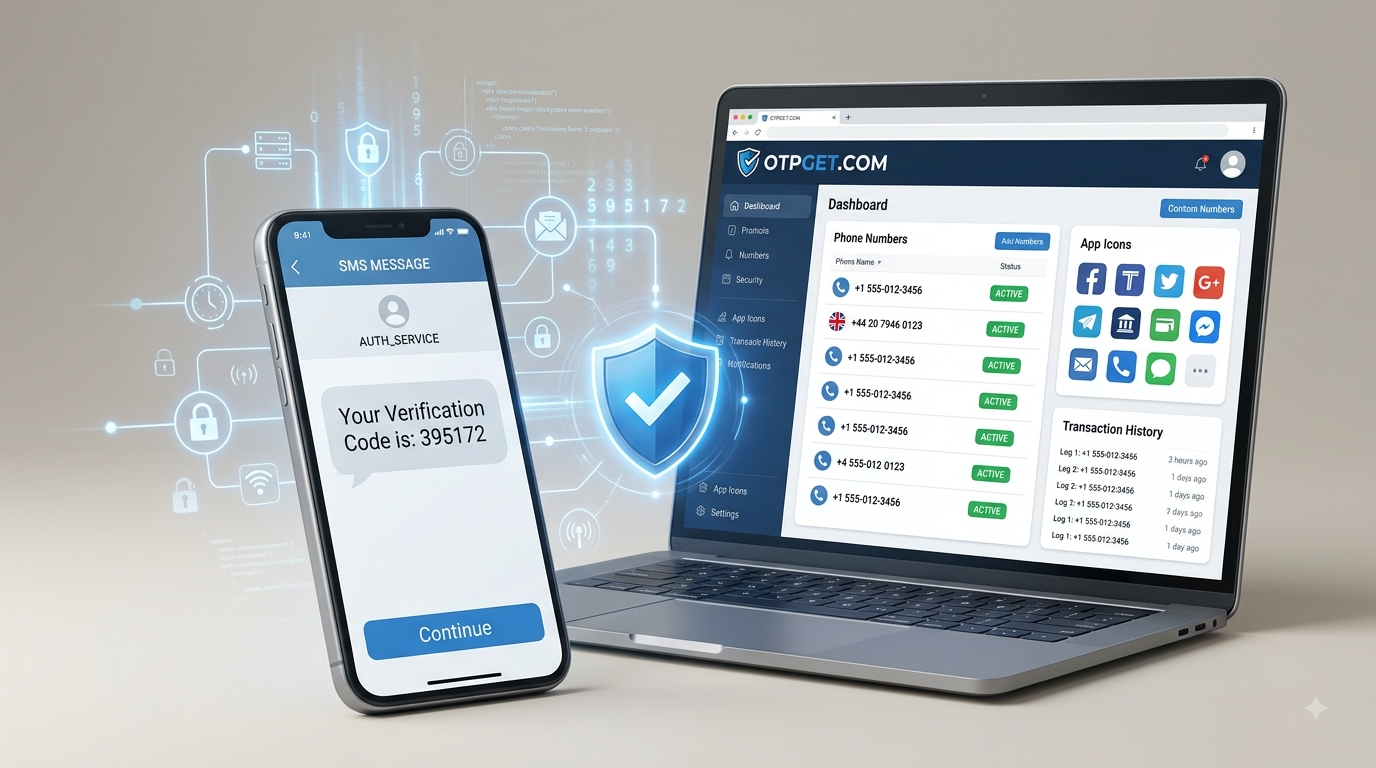
The basic OTP verification process is straightforward:
- You provide identifying information. This could be a phone number, email address, username, or login details.
- The service generates an OTP. The system creates a temporary authentication code.
- The code is delivered. It may arrive through SMS, email, an authenticator app, voice call, or push notification.
- You enter the code. The website or application asks you to submit the verification code.
- The system checks it. It compares the submitted code with the expected code.
- Verification succeeds or fails. A valid code allows the requested action to continue.
- The OTP becomes invalid. After use or expiration, the code normally cannot be used again.
This is the basic idea behind how OTP works. The exact technology can vary between services, but the purpose remains the same: provide a temporary authentication factor.
Why Do Websites and Apps Use OTP Verification?
The main reason companies use OTP verification is to add another layer of protection around accounts and online actions.
Common uses include:
- Account verification: Confirming that a person controls a phone number or email address.
- Login authentication: Verifying a login attempt from a device or location.
- Password recovery: Helping users regain access to an account.
- Sign-up verification: Reducing fake or incomplete registrations.
- Device verification: Confirming a newly used device.
- Transaction confirmation: Adding verification before certain sensitive actions.
- Two-factor authentication: Combining a password with another authentication method.
OTP authentication can make unauthorized access more difficult, but it is not a perfect security solution. SMS-based authentication can have weaknesses, including delivery problems and risks associated with compromised phone accounts. Stronger authentication methods may be preferable for highly sensitive accounts when they are available.
Common Types of OTP Codes
OTP technology can be delivered through several channels.
SMS OTP
An SMS OTP is a temporary verification code sent to a mobile phone through a text message. It is one of the most familiar forms of OTP verification.
A typical SMS might contain a short numerical code that you enter into the website or app requesting verification.
Email OTP
With an email OTP, the verification code is delivered to your registered email address. This can be useful when a service does not use SMS verification.
Authenticator App OTP
Authenticator applications can generate temporary codes directly on a device. These codes typically change automatically and do not depend on receiving an SMS message.
Voice OTP
Some services deliver an authentication code through an automated phone call. The system reads the temporary code aloud so the user can enter it.
Push-Based Authentication
Instead of typing a code, a user may receive a notification asking them to approve or reject a login attempt. This can provide a more convenient authentication experience.
Where Are OTP Codes Used?
OTP codes appear across many areas of the internet. You may encounter them when using:
- Social media platforms
- Messaging applications
- Email services
- E-commerce websites
- Financial services
- Cloud platforms
- Business software
- Online account systems
- Mobile applications
- Registration and sign-up systems
The exact verification method depends on the individual platform. Some services may use SMS, while others rely on email, authenticator apps, security keys, or push notifications.
What Is an SMS OTP?
An SMS OTP is simply a one-time password delivered through a text message.
When you request verification, the service generates a temporary code and sends it to a phone number associated with the verification process. You then enter the SMS verification code into the appropriate field.
An SMS OTP is different from a permanent password because it is intended to have a limited lifespan. It may become invalid after a short period or immediately after successful use.
This temporary nature helps reduce the usefulness of an intercepted code. However, users should still treat every OTP as sensitive information.
How to Receive an OTP Code
The most common way to receive an OTP is through the phone number or email address registered with the service.
Depending on what the platform supports, legitimate options may include:
- Your personal mobile number
- A registered email address
- An authenticator application
- A verified device
- A virtual phone number where permitted
For people who need a virtual phone number for OTP or want to receive SMS OTP messages online, a virtual number service can sometimes be a practical option.
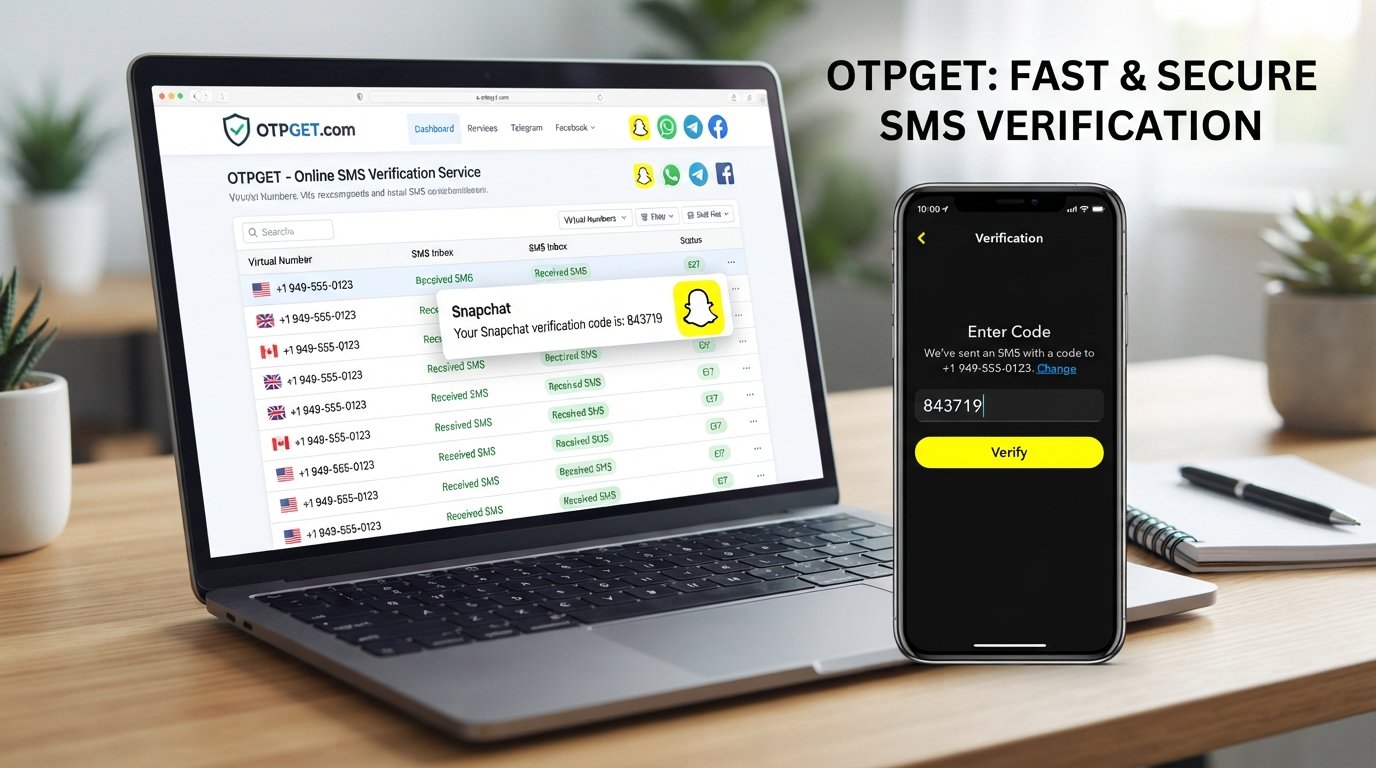
This is where OTPGET can help. OTPGET provides virtual phone numbers that can be used to receive SMS verification codes for supported services. Availability depends on the platform and its rules, so users should always check whether virtual numbers are accepted before starting verification.
How OTPGET Can Help With SMS Verification
OTPGET is designed for users who need convenient access to virtual phone numbers for SMS verification.
Instead of relying exclusively on a primary mobile number, users can obtain a virtual number through the service and use it for supported verification purposes. OTPGET offers numbers from multiple countries, making it useful for various legitimate online verification scenarios.
Potential use cases can include:
- Receiving verification codes online
- Testing services that support virtual numbers
- Account sign-up verification where permitted
- Separating verification activity from a primary number
- Accessing a convenient SMS verification service
The important point is that acceptance of virtual numbers varies. Some websites and applications may restrict certain number types, so OTPGET should be used only where the relevant platform permits it and for legitimate purposes.
To explore available virtual numbers, visit OTPGET.
OTP Code vs Password: What Is the Difference?
| OTP Code | Password |
|---|---|
| Usually temporary | Usually persistent |
| Often intended for one use | Can be reused until changed |
| Commonly expires quickly | Usually does not expire quickly |
| Usually generated automatically | Usually created by the user |
| Used for temporary verification | Used for ongoing account access |
A password and OTP can also work together. For example, a service may require your password first and then request an OTP as an additional authentication factor.
What Should You Do If You Don't Receive an OTP?
An OTP not received problem is surprisingly common. Before assuming something is wrong with your account, try these steps:
- Check your phone signal. Weak connectivity can delay SMS delivery.
- Confirm the number. Make sure you entered the correct phone number and country information.
- Wait briefly. SMS delivery can occasionally take longer than expected.
- Check message blocking. Your device or carrier may be filtering certain messages.
- Request a new OTP. Use the platform's resend option if available.
- Check expiration. An older code may already be invalid.
- Check number compatibility. Some services do not accept certain virtual or temporary numbers.
- Contact support. If the problem continues, the platform's support team may need to investigate.
Avoid repeatedly requesting codes in rapid succession. Multiple requests can sometimes invalidate earlier codes or create additional delivery delays.
Why Does an OTP Expire?
OTP expiration is primarily a security measure.
Imagine that a verification code remained valid indefinitely. If someone obtained that code, they might have much more time to attempt unauthorized use. A short validity period reduces the opportunity to reuse an old code.
Expiration can help with:
- Limiting unauthorized use
- Reducing replay risk
- Protecting account verification
- Making intercepted codes less useful
- Keeping authentication sessions temporary
When an OTP expires, simply requesting a new verification code is usually the appropriate solution.
Is It Safe to Share an OTP Code?
You should never share an OTP with another person unless you are certain that sharing it is part of a legitimate, trusted process.
Treat an OTP like a sensitive authentication credential.
Be particularly careful if someone contacts you unexpectedly and asks for a verification code. Scammers may pretend to represent banks, websites, delivery companies, technical support teams, or other organizations.
Good security habits include:
- Never post OTPs publicly.
- Never send OTP screenshots to strangers.
- Do not read unexpected OTPs to callers.
- Be suspicious of requests to “verify” an account through an unfamiliar link.
- Use official websites and applications whenever possible.
A legitimate service may generate an OTP for you, but that does not mean every person who asks for the code is legitimate.
OTP Security Best Practices
Good OTP security starts with treating verification codes as private information.
Follow these practices:
- Never share authentication codes unnecessarily.
- Verify the website before entering an OTP.
- Avoid suspicious links and unexpected login requests.
- Keep your phone and email account protected.
- Use stronger authentication methods when a service offers them.
- Do not reuse expired or previously used codes.
- Pay attention to unexpected verification messages.
- Use reputable services for legitimate SMS verification needs.
OTP verification can strengthen digital security, but users should understand its limitations and combine it with good account-security practices.
Frequently Asked Questions About OTP Codes
What does OTP code mean?
OTP code means One-Time Password. It is a temporary authentication or verification code used to confirm access to a phone number, email address, device, or account.
What does OTP stand for?
OTP stands for One-Time Password. The name refers to its temporary nature and intended limited use.
What is an OTP code used for?
An OTP code is commonly used for account verification, login authentication, password recovery, phone number verification, device verification, and certain sensitive actions.
How does SMS OTP verification work?
A service generates a temporary code and sends it to a registered or supplied phone number through SMS. You enter the code into the service, which checks whether it is valid and has not expired.
How long is an OTP code valid?
The validity period depends on the service. Many OTPs are designed to remain valid only for a limited time or until they are successfully used.
Why am I not receiving my OTP?
Possible reasons include incorrect contact information, weak mobile connectivity, message filtering, delivery delays, expired requests, or the service not supporting your particular number type.
Can I receive an OTP online?
Yes, depending on the platform's rules and supported verification methods. Services such as OTPGET provide virtual phone numbers that can receive SMS verification codes for supported services.
Is a virtual phone number useful for OTP verification?
A virtual phone number can be useful when a platform permits virtual numbers for verification. However, acceptance varies by service, so users should check the relevant terms before using one.
Is OTP the same as a password?
No. An OTP is generally temporary and intended for limited use, while a normal password is usually created for repeated account access until it is changed.
Can I use OTPGET to receive SMS verification codes?
OTPGET provides virtual phone numbers for receiving SMS verification codes on supported services. Whether a particular platform accepts the number depends on that platform's policies and technical requirements.
Final Thoughts
So, what does OTP code mean? It means One-Time Password—a temporary code designed to help verify a user's identity, access, or control of a particular authentication method.
OTPs are widely used because they provide a simple additional layer of verification. SMS OTPs are especially familiar, but authentication can also happen through email, authenticator applications, voice calls, and push notifications.
If you have problems receiving an OTP, checking your number, connectivity, message settings, and the code's expiration status can often help. Most importantly, never share an OTP with an untrusted person.
For users who need a convenient virtual phone number for SMS verification, OTPGET offers virtual numbers that can be used to receive verification codes where supported. Explore OTPGET and choose a solution that fits your legitimate verification needs.
Final CTA
Need a convenient way to receive SMS verification codes? Explore OTPGET for virtual phone numbers and supported online verification use cases: Visit OTPGET.
SEO Keyword Coverage Summary
Primary keyword used:
- what does OTP code mean
Secondary keywords used naturally:
- what is an OTP code
- OTP meaning
- OTP code meaning
- one time password
- one-time password
- what is OTP
- OTP verification
- SMS OTP
- SMS verification code
- OTP verification code
- OTP number
- OTP code online
- receive OTP online
- receive SMS OTP
- SMS verification
- phone number verification
- mobile verification
- online verification
- authentication code
- security code
- temporary verification code
- virtual phone number
- virtual phone number for OTP
- temporary phone number
- temporary number for SMS
- SMS verification service
- receive verification code online
- online SMS verification
- virtual number for SMS verification
- OTP service
- SMS OTP service
- OTP verification service
- how OTP works
- how does OTP verification work
- why OTP is used
- OTP security
- OTP authentication
- two factor authentication
- 2FA verification
- login verification code
- account verification
- sign-up verification
- SMS authentication
- digital security
- secure verification
- OTP not received
- OTP expired
- OTP code not working
- resend OTP
- OTP verification problems
- OTPGET