What Is an OTP? A Simple Explanation for Beginners
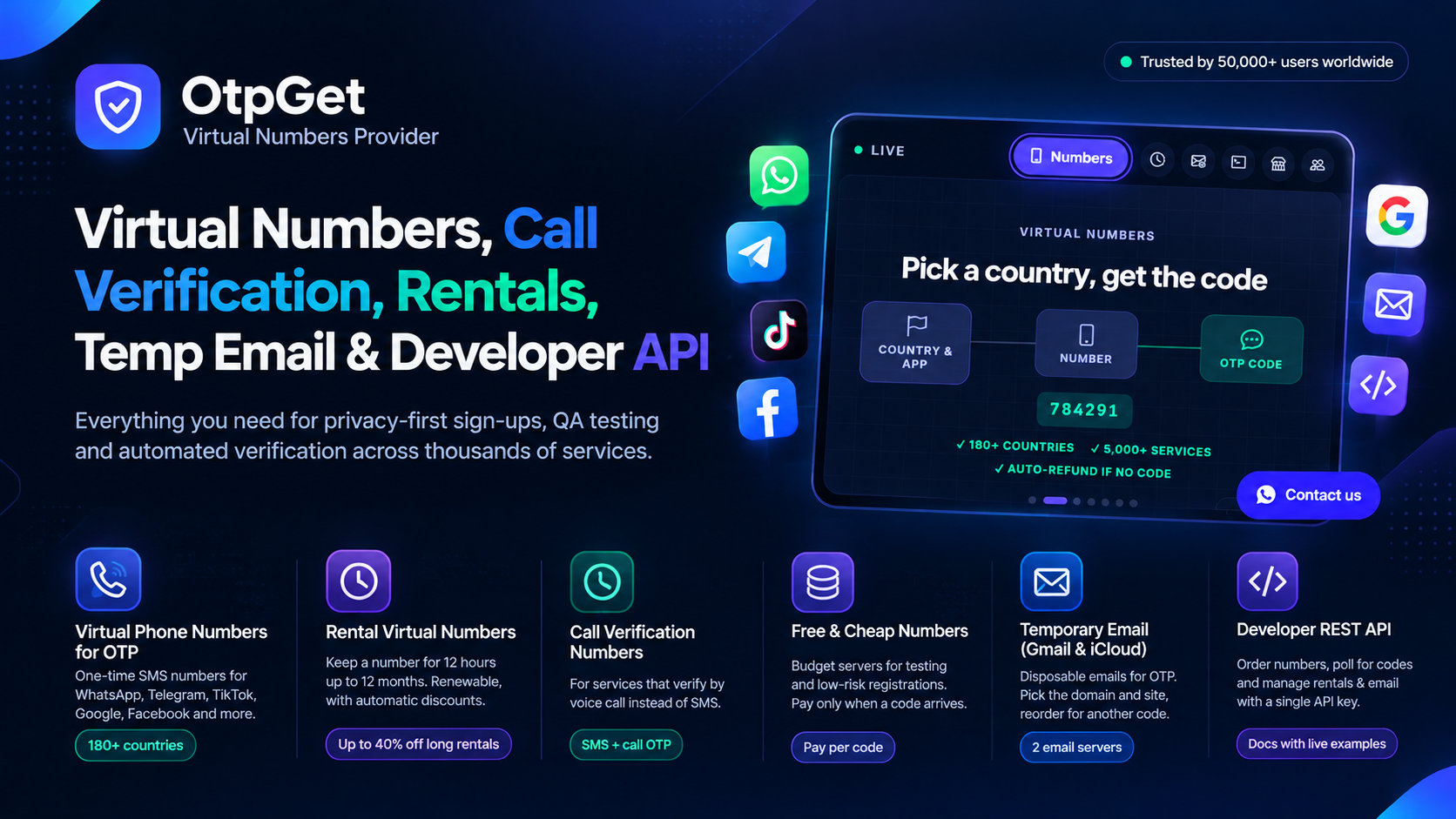
What is an OTP? It is a one-time password, a short code that proves you are who you say you are when you sign in or verify an account. You have seen them in SMS messages, email, and authenticator apps. This beginner-friendly guide explains how they work, why they matter, and how to use them safely.
Direct answer: An OTP is a one-time password generated for a single login or verification. It expires quickly and can be used only once. OTPs add a second layer of security because a password alone is not enough if it is stolen or guessed.
How an OTP works
When you sign in or verify an account, the service generates a random code and sends it to you by SMS, email, or an authenticator app. You enter the code to prove you control that channel. The code expires after a short time and cannot be reused, so a stolen code has limited value.
OTPs are a form of two-factor authentication when combined with a password. Something you know, the password, plus something you have, the phone or app, is stronger than a password alone.
Types of OTPs
SMS OTP
The code arrives as a text message. It is simple and widely supported, but it depends on carrier delivery and can be delayed or filtered.
Email OTP
The code arrives in your inbox. It is convenient but relies on email security, so a compromised inbox weakens the protection.
Authenticator app OTP
The app generates codes locally, often every thirty seconds. It does not depend on SMS delivery and is generally more secure.
Hardware token OTP
A physical device generates or displays codes. It is strong but less common for everyday accounts.
Why OTPs matter
Passwords get reused, leaked, and phished. An OTP adds a second check that attackers must pass, which makes account takeover much harder. Banks, email providers, and social apps all rely on OTPs for sensitive actions like password resets and payments.
How to use OTPs safely
- Never share a code with anyone, even someone claiming to be support.
- Enter codes only on the official app or website.
- Check the sender and the URL before typing a code.
- Use an authenticator app for important accounts when offered.
- Keep backup codes somewhere safe.
- Update your phone number when it changes.
Common OTP problems
Most OTP problems are delivery issues: the code is delayed, filtered, or sent to an old number. A code can also say invalid or expired if you enter it too late or request several codes and use an older one. Check spam folders, respect resend limits, and use an alternate method when available.
If codes routinely fail on your personal line, a virtual number for OTP delivery gives you a clean line for verification.
Frequently Asked Questions
What does OTP stand for?
OTP stands for one-time password. It is a code valid for a single login or verification.
How long does an OTP last?
Most OTPs last a few minutes. After that, they expire and a new code is needed.
Is OTP the same as two-factor authentication?
An OTP is often used as the second factor in two-factor authentication, but the terms are not identical. OTP is the code; two-factor authentication is the overall security method.
Can someone steal my OTP?
Yes, through phishing or social engineering. Never share a code, and enter it only on the official app or website.
Conclusion
An OTP is a simple, effective security tool that adds a second check to your accounts. Understand how it works, use it carefully, and never share the code. If delivery problems keep blocking you, get a reliable verification number from OtpGet and keep your accounts secure.
Related reading: more OTP basics on the OtpGet blog.