Best Sites to Receive OTP Online | Top Virtual SMS Services
Best Websites to Receive OTP Online — Full Review & Comparison
Introduction
Online verification has become a standard part of signing up for digital services. Almost every app, platform, or website now requires a one-time password (OTP) sent via SMS to confirm identity. While this improves security, it also creates challenges for users who do not want to share personal phone numbers everywhere.
This is where the demand for online SMS verification solutions has grown significantly. Many users look for privacy protection, while developers and testers need quick access to multiple numbers for testing applications. In both cases, virtual SMS and OTP receiving services provide a practical solution.
These platforms allow users to receive SMS online without using a personal SIM card. Instead, they offer temporary or shared virtual numbers that can receive verification codes instantly. This makes online registration easier, faster, and more flexible.
What Are Online OTP Receiving Websites?
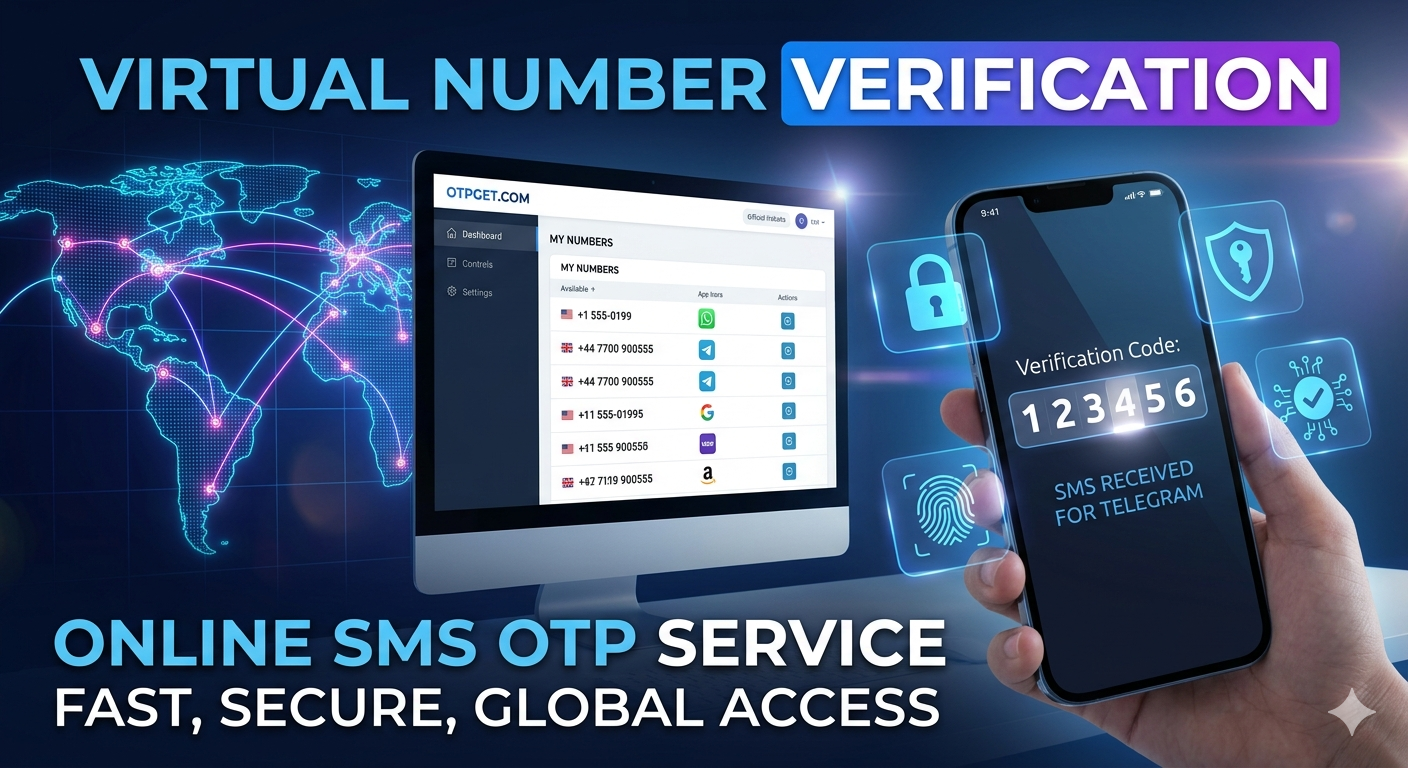
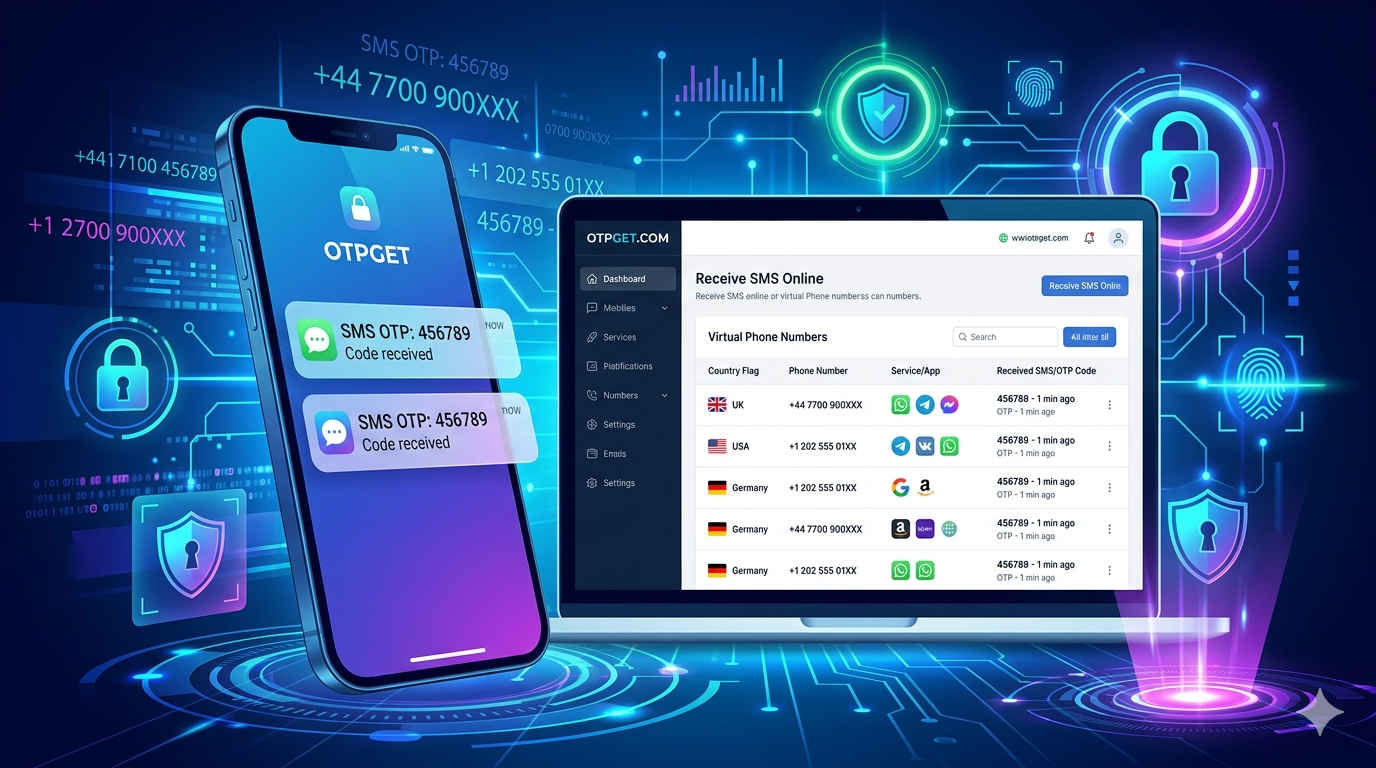
Online OTP receiving websites are digital platforms that provide virtual phone numbers capable of receiving SMS messages. These numbers are hosted on cloud systems and can be accessed through a browser or mobile interface.
When a website or app sends an OTP, the message is delivered to the virtual number’s inbox, which is displayed on the platform in real time.
How They Work
- A user selects a virtual number from the platform
- That number is used during signup or verification
- The OTP is sent by the service provider (like an app or website)
- The OTP appears in the online inbox of the virtual SMS service
These services are commonly used for:
- Testing mobile apps and websites
- Signing up for platforms without sharing personal numbers
- Managing multiple accounts in development environments
- Protecting privacy in non-sensitive registrations
They are especially popular among developers, digital marketers, and privacy-conscious users who want more control over their personal contact information.
Key Features to Look For in OTP Receiving Services
Not all virtual SMS platforms are the same. Some are fast and reliable, while others may have limited functionality. Before choosing a service, it is important to evaluate several key factors.
1. Speed of OTP Delivery
Fast delivery is essential. A good platform should display OTP messages within seconds to avoid timeouts during login or signup.
2. Number Availability
The more countries and regions supported, the better the flexibility. Some services offer global numbers, while others focus on specific regions.
3. Privacy and Anonymity
A reliable service should not require unnecessary personal details. Strong privacy policies ensure safer usage.
4. Reliability and Uptime
If a platform frequently goes offline or fails to receive messages, it becomes useless for verification purposes.
5. Ease of Use
A simple interface helps users quickly select numbers and view incoming messages without confusion.
6. Free vs Paid Options
Some platforms offer free numbers with limitations, while premium options provide dedicated or faster services.
Best Websites to Receive OTP Online (Comparison Section)
There are several well-known platforms in the virtual SMS space. Each offers different features depending on user needs.
1. OTPGET (Leading Solution)
OTPGET is one of the most user-friendly platforms for receiving OTP online. It focuses on simplicity, speed, and reliability, making it suitable for both beginners and professionals.
Key Advantages:
- Instant SMS reception with minimal delay
- Clean and easy-to-use dashboard
- Suitable for app testing and verification workflows
- Supports multiple virtual numbers
- Smooth performance with fewer interruptions
Limitations:
- Availability of numbers may vary based on demand
- Not designed for highly sensitive account verification
OTPGET stands out because it prioritizes usability. Users do not need technical knowledge to operate the platform, which makes it accessible for a wide audience.
2. Free Public SMS Receiver Platforms
These platforms provide shared virtual numbers that anyone can use. They are often free and widely accessible.
Pros:
- No registration required
- Free to use
- Quick access to numbers
Cons:
- Messages are publicly visible
- Limited reliability
- Numbers may already be in use on major platforms
These services are useful for quick testing but are not suitable for privacy-focused tasks.
3. Temporary Virtual Number Providers
Some platforms specialize in disposable numbers that work for short-term verification. They are often used in app testing and development environments.
Pros:
- Better privacy than public receivers
- More stable OTP delivery
- Multiple country options
Cons:
- Some features are paid
- Limited free access
These services strike a balance between privacy and functionality, making them a solid choice for developers.
4. Virtual SMS Apps
Mobile-based virtual number apps also allow users to receive OTP codes directly on smartphones.
Pros:
- Mobile-friendly experience
- Easy setup
- Useful for frequent verification tasks
Cons:
- May require app installation
- Some apps are region-restricted
These apps are convenient for users who prefer mobile access over browser-based tools.
Why OTPGET Is a Preferred Choice
Among all available options, OTPGET is often preferred due to its balanced approach between simplicity and performance.
Unlike many public SMS receivers that suffer from delays or message clutter, OTPGET focuses on clean delivery and organized access. Users can quickly select a number and receive OTP messages without unnecessary steps.
It is especially useful for:
- Developers testing verification systems
- Users registering on platforms for temporary access
- People who want a lightweight SMS reception tool
Compared to other services, OTPGET reduces confusion and improves workflow efficiency. While some competitors offer more advanced features, they often come with complexity or slower performance.
For users who value straightforward usage and consistent delivery, OTPGET provides a reliable middle ground.
Pros and Cons of Online OTP Services
Like any digital tool, virtual OTP services come with advantages and limitations.
Pros
- Convenience: No need for a physical SIM card
- Global access: Use numbers from different regions
- Fast setup: Start receiving OTPs within seconds
- Useful for testing: Ideal for developers and QA teams
Cons
- Limited availability: Some numbers may not work on all platforms
- Not suitable for sensitive accounts: Banking and financial services often block virtual numbers
- Shared access risks: Public numbers may expose messages to others
Understanding these factors helps users choose the right platform for their needs.
Safety and Ethical Usage
Virtual SMS and OTP receiving services should always be used responsibly. These platforms are designed for legitimate purposes such as testing, development, and privacy protection.
Recommended ethical uses include:
- Testing mobile applications and websites
- Signing up for non-sensitive accounts
- Protecting personal phone numbers from spam
- Temporary access to online services
Users should avoid using these services for activities that violate platform terms or compromise security systems. Sensitive accounts, such as banking or government services, should always use verified personal numbers.
Responsible usage ensures that these tools remain accessible and beneficial for everyone.
Conclusion
Online OTP receiving websites have become an important part of modern digital workflows. They provide a flexible and privacy-friendly way to handle SMS verification without relying on personal phone numbers.
From public SMS receivers to dedicated virtual number platforms, users now have multiple options depending on their needs. While free services may be useful for quick tasks, more reliable platforms offer better performance and stability.
Among these options, OTPGET stands out as a simple and efficient solution for receiving OTP online. Its ease of use and consistent performance make it a practical choice for both developers and everyday users.
By choosing the right platform and using it responsibly, users can improve privacy, streamline testing, and simplify online verification processes.