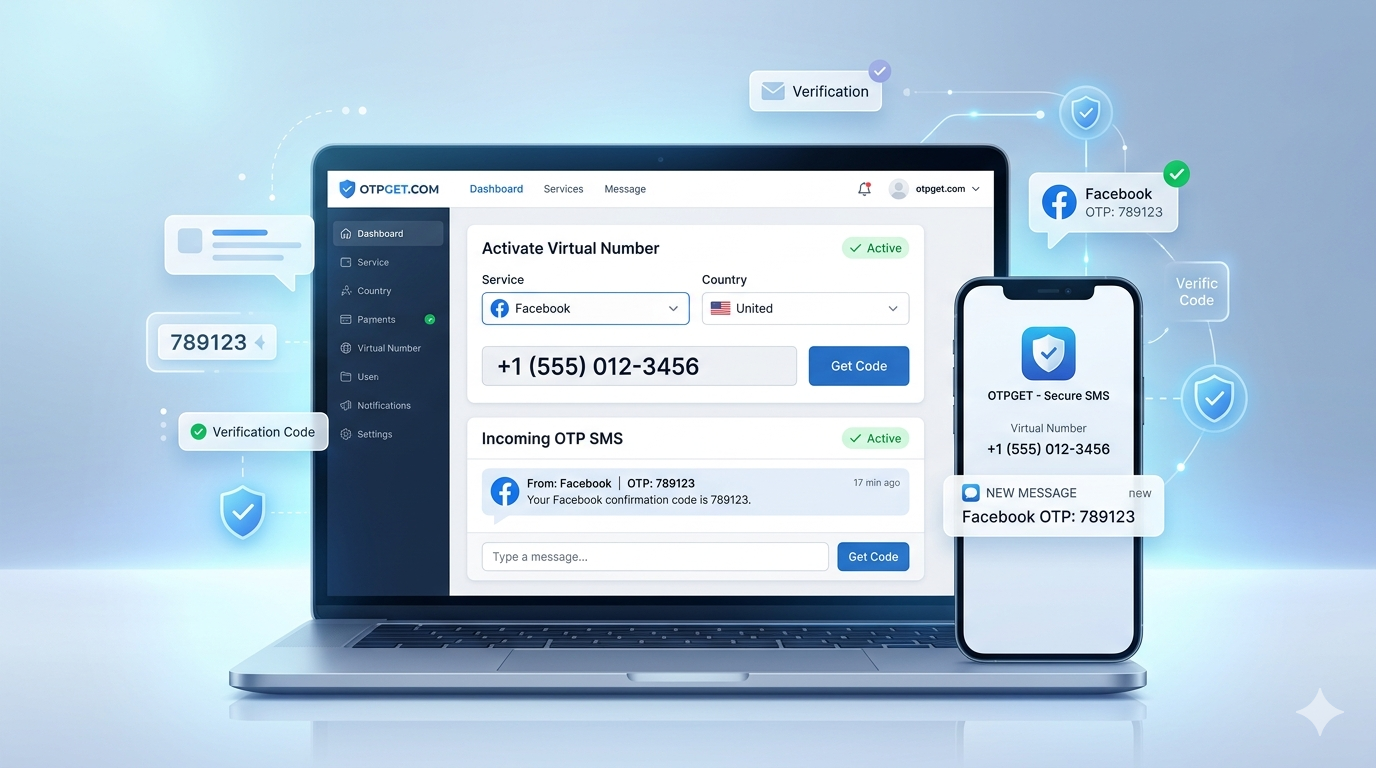
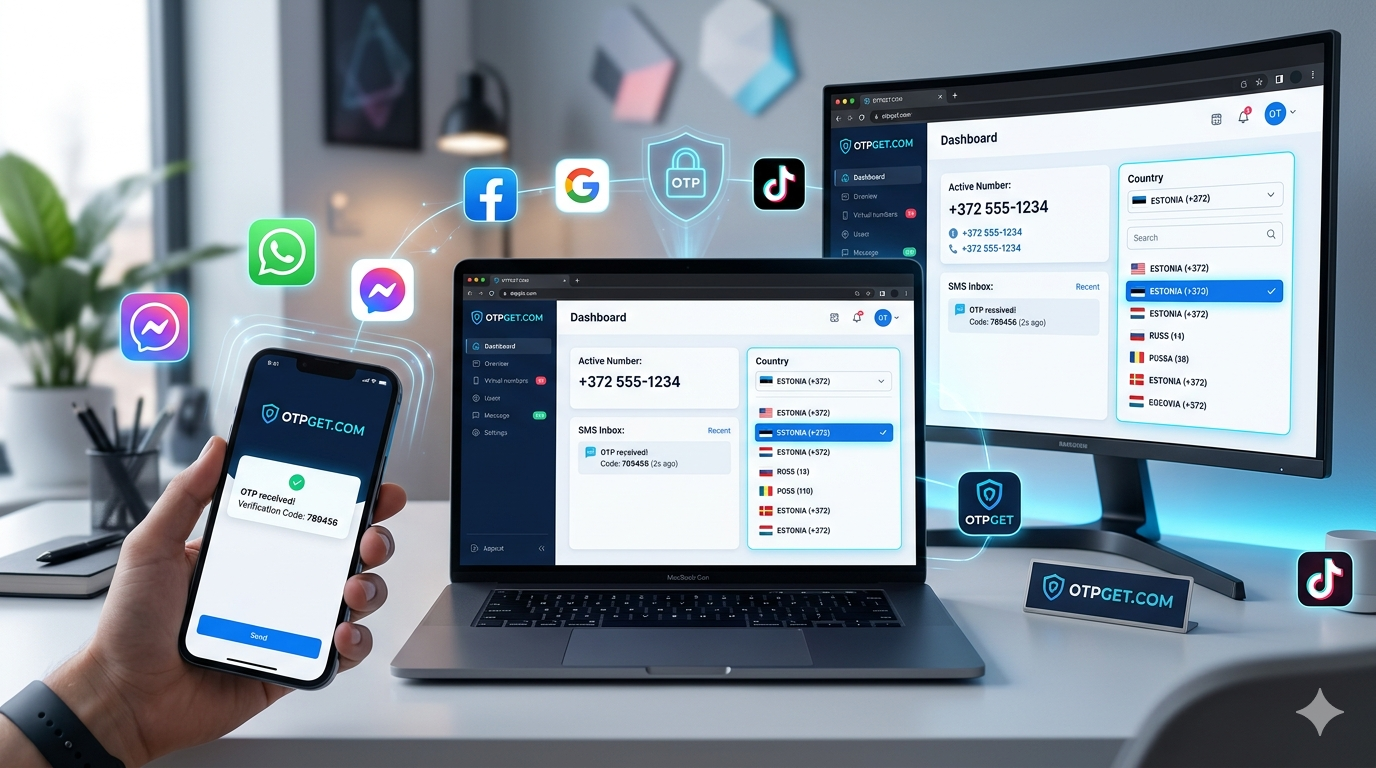
OTP Verification REST API Using Python & PHP | OTPGET Guide
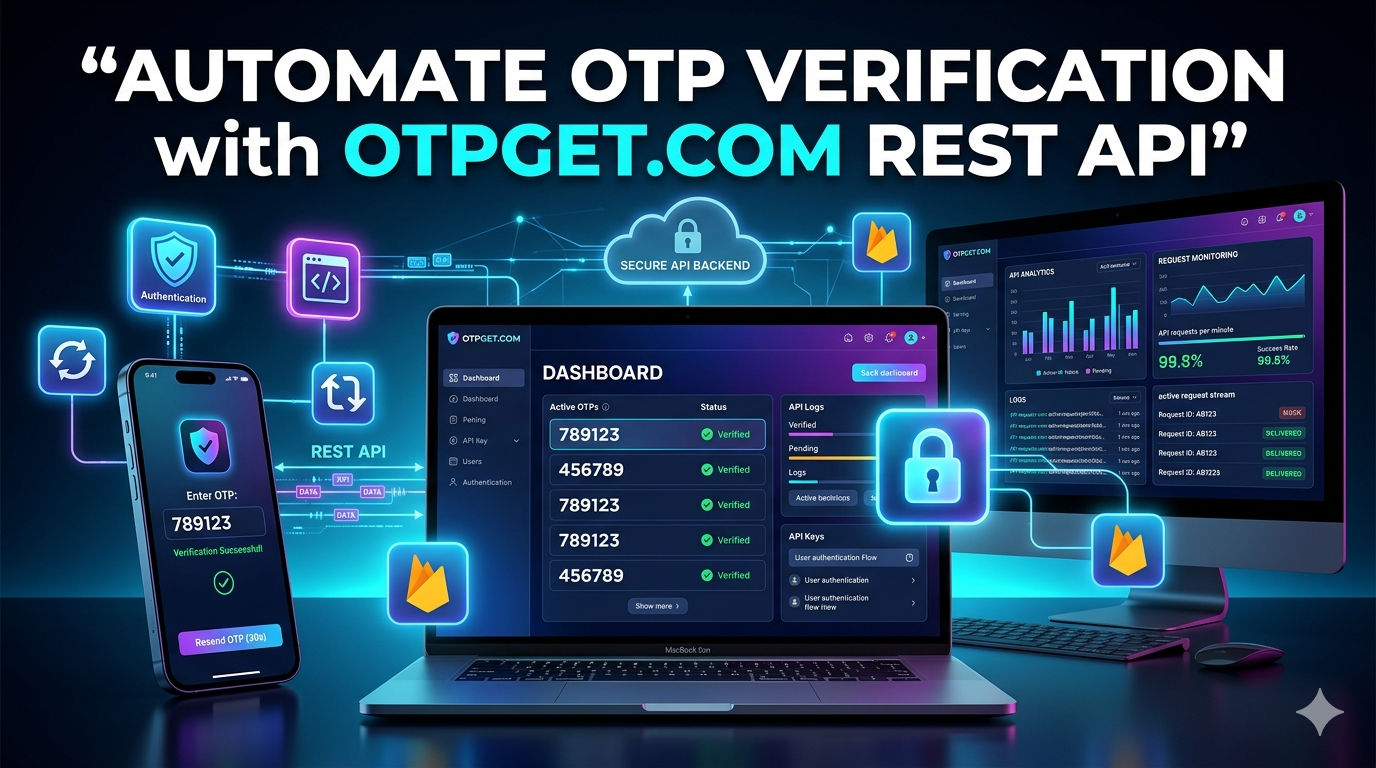
Full Blog Article (1200–1800 words)
Introduction
Modern applications rely heavily on user authentication, and OTP (One-Time Password) verification has become a standard security layer for login, signup, transactions, and sensitive operations. However, as applications scale, handling OTPs manually becomes increasingly complex.
Developers often struggle with delays in OTP delivery, inconsistent SMS services, security risks, and poor scalability when building authentication systems from scratch. This is where automation becomes essential.
A REST API-based OTP system simplifies the entire workflow by allowing applications to generate, send, and verify OTPs through simple API calls. Instead of building and maintaining complex backend infrastructure, developers can integrate ready-made OTP services into their applications within minutes.
One of the most powerful solutions in this space is OTPGET, which provides a seamless and developer-friendly way to automate OTP verification using REST APIs across multiple programming languages, including Python and PHP.
What is OTP Verification via REST API?
OTP verification via REST API is a method where an application communicates with an external service to generate and validate one-time passwords using standard HTTP requests.
Instead of handling OTP logic internally, the application sends a request to an API, which then handles:
- OTP generation
- Delivery via SMS or email
- Verification of user input
- Response validation
REST APIs are ideal for OTP systems because they are lightweight, stateless, scalable, and language-independent. Whether you're building a mobile app, SaaS platform, or enterprise system, REST-based OTP integration ensures consistent performance.
Common Use Cases
- User login authentication
- Banking and financial transactions
- New user registration verification
- Password reset systems
- Two-factor authentication (2FA)
Why Automate OTP Verification?
Manual OTP handling introduces several challenges that can slow down development and impact user experience.
1. Manual System Limitations
Building an in-house OTP system requires SMS gateway integration, delivery tracking, retry logic, and security layers. This increases complexity and maintenance overhead.
2. Scalability Issues
As user traffic increases, OTP delivery systems often fail under load if not properly optimized. This leads to delayed or missed OTPs.
3. Security Risks
Improperly designed OTP systems can expose vulnerabilities such as replay attacks, brute force attempts, and session hijacking.
4. Reduced Developer Productivity
Developers spend more time managing infrastructure instead of focusing on core product features.
Automation solves all these issues by delegating OTP generation and verification to a dedicated API service.
Introducing OTPGET
OTPGET is a powerful and reliable OTP automation platform designed for modern developers and SaaS businesses. It provides a plug-and-play REST API system that eliminates the complexity of building OTP infrastructure from scratch.
Why OTPGET Stands Out
OTPGET is built to simplify authentication workflows while ensuring high performance and security.
Fast OTP Delivery
OTPGET ensures rapid delivery of OTPs through optimized routing and reliable messaging channels.
REST API Integration
Developers can integrate OTP functionality using simple HTTP requests without complex SDK setups.
Python & PHP Support
Whether you're working with Python-based backend systems or PHP-powered web applications, OTPGET offers seamless integration across both environments.
Secure Authentication Flow
OTPGET implements secure OTP generation and verification processes to prevent fraud and unauthorized access.
Plug-and-Play Solution
No need for complex configuration—developers can start using OTP services almost instantly.
How OTPGET Works (Step-by-Step)
Understanding the workflow helps developers integrate OTP systems more effectively.
Step 1: API Request Sent
The application sends a request to OTPGET API with user details such as phone number or email.
Step 2: OTP Generated
OTPGET generates a secure one-time password based on predefined security rules.
Step 3: OTP Delivery
The OTP is delivered to the user via SMS or email, depending on configuration.
Step 4: User Verification
The user enters the received OTP into the application interface.
Step 5: API Response Validation
The application sends the OTP back to the API for verification. OTPGET validates it and returns success or failure response.
This simple workflow removes backend complexity and ensures smooth authentication.
OTP Automation Using REST API (Python Example Concept)
Integrating OTP automation in Python is straightforward when using REST APIs like OTPGET.
In a typical workflow:
- The Python application sends a POST request to the OTP API endpoint
- User contact details are included in the request payload
- The API responds with OTP delivery status
Python libraries such as requests are commonly used to handle API communication.
Example concept:
- Send OTP request via API
- Receive response token
- Validate OTP input through another API call
This approach allows developers to build scalable authentication systems without handling SMS infrastructure directly.
OTP Automation Using REST API (PHP Example Concept)
PHP developers can also integrate OTP systems effortlessly using REST API calls.
In a PHP-based setup:
- The application sends HTTP requests using cURL
- OTPGET processes the request and sends OTP to the user
- The verification response is handled in real time
This method is widely used in:
- Web applications
- E-commerce platforms
- Admin dashboards
The simplicity of PHP cURL integration makes OTP automation highly efficient even for beginners.
Key Features of OTPGET
OTPGET offers a complete set of features designed for modern authentication systems:
- REST API support for easy integration
- High OTP delivery success rate
- Secure and encrypted OTP generation
- Developer-friendly documentation
- Scalable infrastructure for high traffic
- Multi-language support (Python, PHP, and more)
These features make it a reliable choice for startups and enterprise-level applications alike.
Use Cases of OTP Automation
OTP-based authentication is widely used across different industries:
E-commerce Login
Secure user accounts and transactions with OTP-based authentication during checkout and login.
Banking Verification
Ensure safe financial transactions with multi-layer OTP security.
SaaS Onboarding
Verify new users during registration and reduce fake account creation.
Mobile App Authentication
Provide secure login mechanisms for mobile applications without passwords.
Enterprise Systems
Protect sensitive internal dashboards and employee portals.
Why Developers Prefer OTPGET
Developers choose OTPGET because it removes friction from authentication workflows.
Simple API Structure
Clear and minimal API endpoints reduce integration time significantly.
Fast Implementation
Developers can integrate OTP systems in minutes instead of days.
Reliable OTP Delivery
High success rates ensure users receive OTPs without delays.
Cross-Language Support
Works seamlessly with Python, PHP, JavaScript, and other backend technologies.
Reduced Infrastructure Load
No need to maintain SMS gateways or OTP databases internally.
Conclusion
OTP verification is a critical part of modern application security, but building and maintaining it manually can slow down development and introduce unnecessary complexity.
REST API-based OTP automation solves this problem by offering a scalable, secure, and developer-friendly approach. With platforms like OTPGET, developers can implement OTP systems quickly using Python, PHP, or any other backend language.
Instead of managing infrastructure, developers can focus on building better user experiences while ensuring strong authentication security.
For any modern SaaS, mobile app, or web platform, adopting an API-based OTP solution is no longer optional—it is essential for scalability, security, and performance.