How to Get Facebook Macau Number for OTP Verification Easily
Full Blog Article (1200–1800 words)
How to Get Facebook Macau Number for OTP Verification Easily
Introduction
In today’s connected world, Facebook has become one of the most widely used platforms for communication, business, and social networking. However, many users often face a common challenge during sign-up or login: SMS verification. This is where the search for terms like “how to get Facebook Macau number” becomes popular.
People usually look for a Macau number when they are trying to receive Facebook OTP (One-Time Password) codes but do not have access to a local SIM card or are facing international SMS restrictions. Others may be traveling, living abroad, or dealing with temporary network issues that prevent them from receiving verification codes.
This guide explains everything you need to know about Facebook verification, why users look for Macau numbers, and the safe, legitimate ways to manage account access without risking security or violating platform policies.
Understanding the Need for Facebook Verification
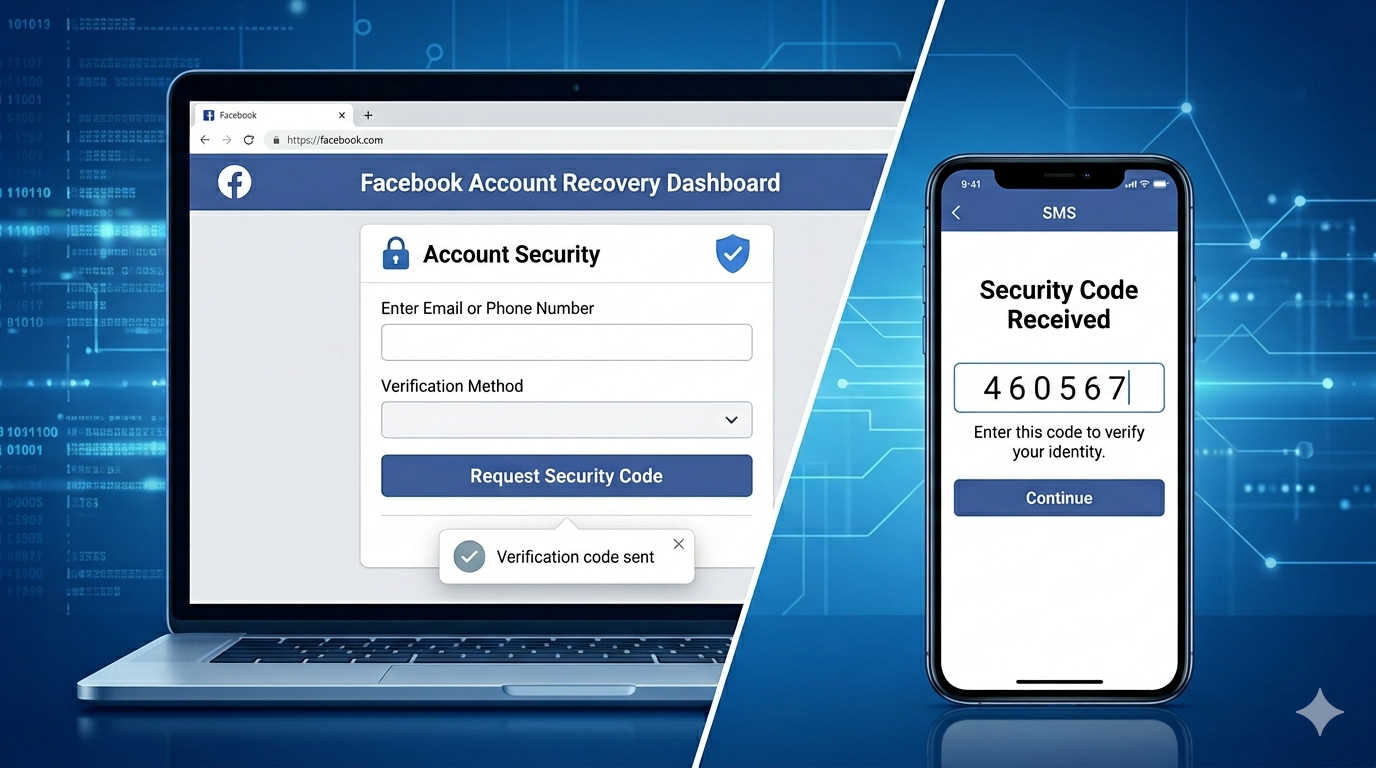
Facebook uses OTP verification as part of its security system to ensure that accounts are protected from unauthorized access. When you log in from a new device, location, or after clearing cookies, Facebook may send a one-time code via SMS or email.
This process is known as Facebook OTP verification and is part of a broader two-factor authentication Facebook system. It helps confirm that the person trying to access the account is the rightful owner.
In most cases, Facebook requests a phone number linked to a specific country. That is why some users search for international numbers like a Macau number—especially when they are dealing with regional restrictions or SIM-related issues.
Common Challenges Users Face
There are several reasons why users struggle with Facebook SMS verification:
1. International Access Issues
When traveling or living outside their home country, users may not receive SMS codes due to roaming restrictions or unsupported carriers.
2. SIM or Network Limitations
Some mobile networks do not support international SMS delivery, which leads to failed OTP attempts during login.
3. Travel or Relocation Problems
Users who frequently move between countries often find it difficult to maintain a consistent phone number for verification.
4. Account Recovery Barriers
If users lose access to their original phone number, they may struggle with Facebook account recovery, especially if backup methods are not set up.
These challenges often push people to search for alternative solutions such as virtual numbers or SMS receiving services.
Safe and Legal Solutions for Facebook Access
Instead of looking for risky shortcuts, there are several safe and official ways to maintain access to your Facebook account.
Use a Valid Local or International SIM Card
The most reliable method is using a real SIM card from your current location or home country. Facebook trusts verified mobile carriers, making this the safest option for receiving OTP codes.
Update Your Number in Account Settings
If you change your number, always update it in Facebook settings before losing access to the old one. This prevents login issues later.
Use Facebook Account Recovery Options
Facebook provides official recovery tools that allow you to regain access using:
- Email address verification
- Trusted contacts (if previously set up)
- Identity confirmation methods
These options are designed to help users regain control without needing alternative numbers.
Enable Two-Factor Authentication
Activating two-factor authentication Facebook adds an extra layer of security. Even if someone gets your password, they cannot access your account without the verification code.
Introduction to OTP Services (General Information)
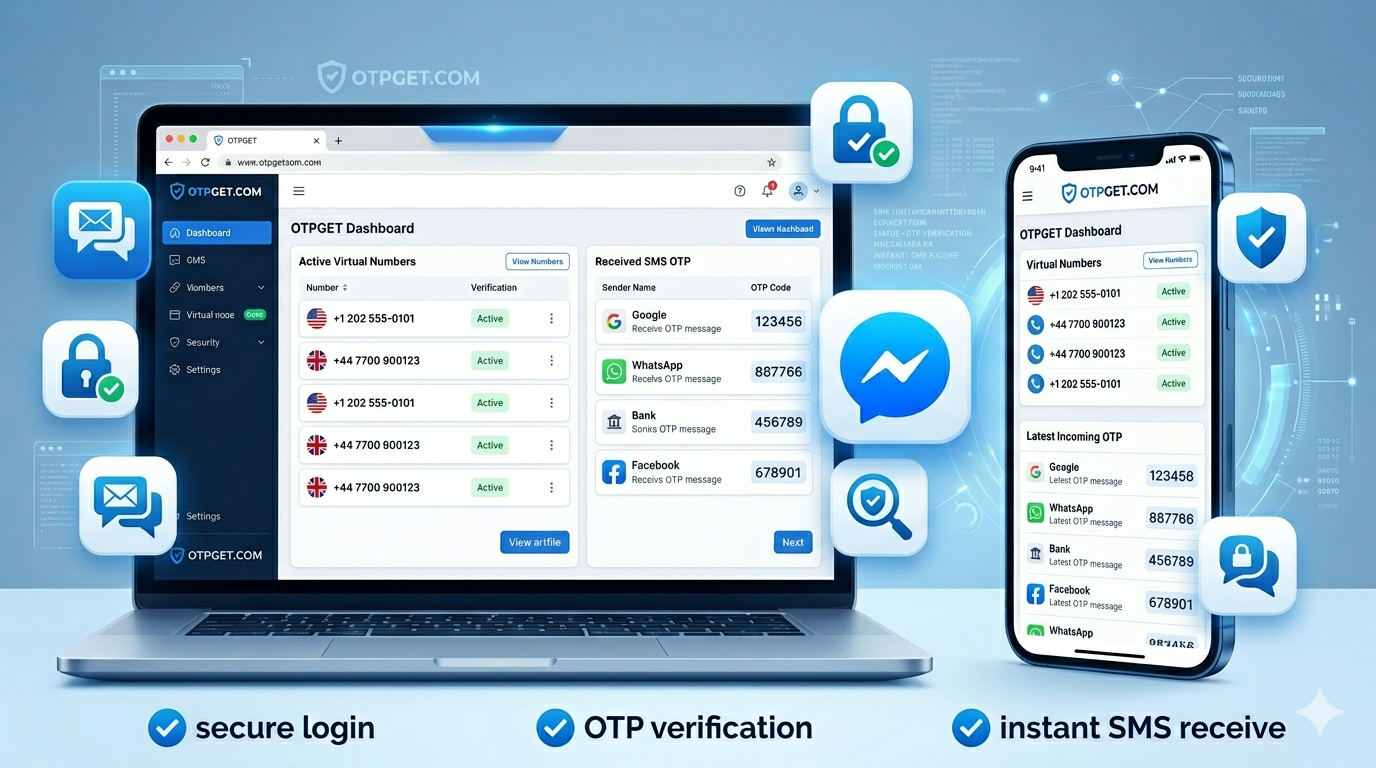
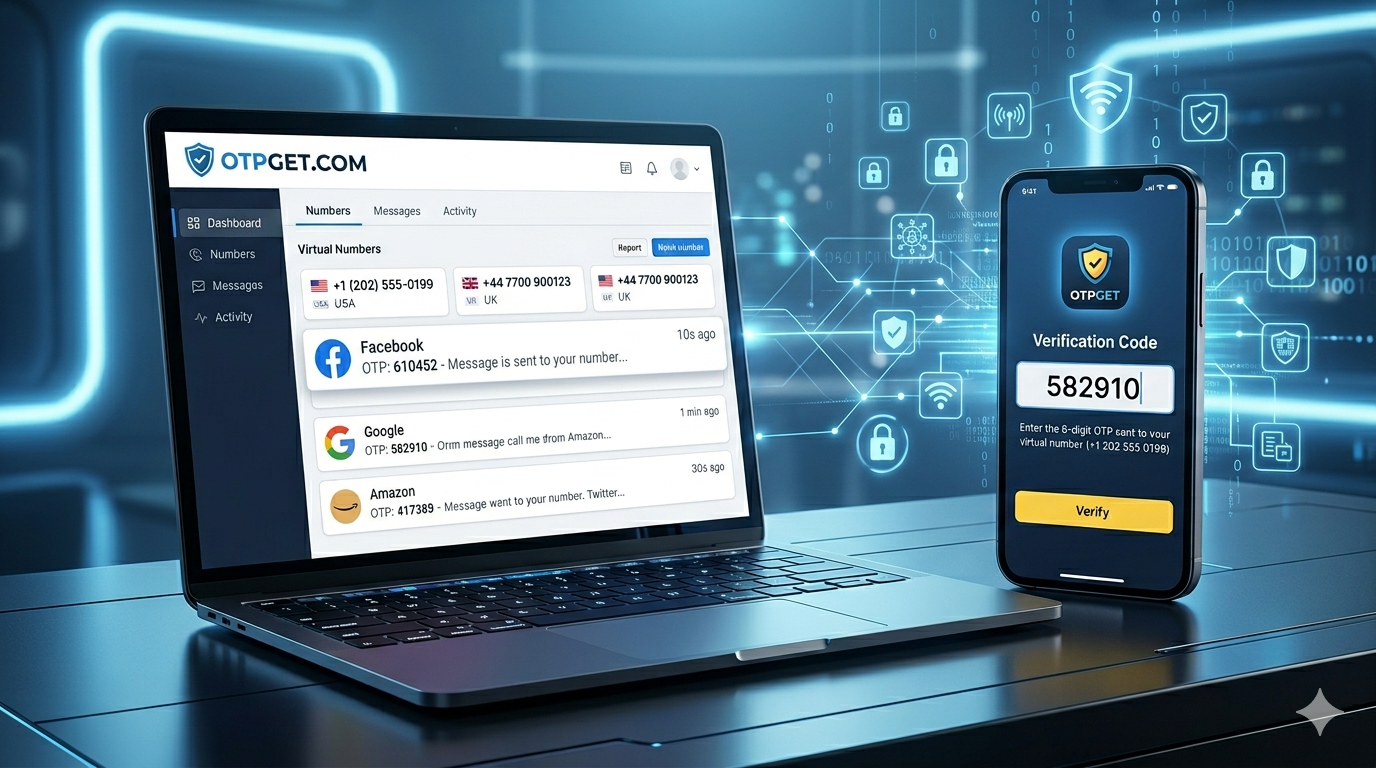
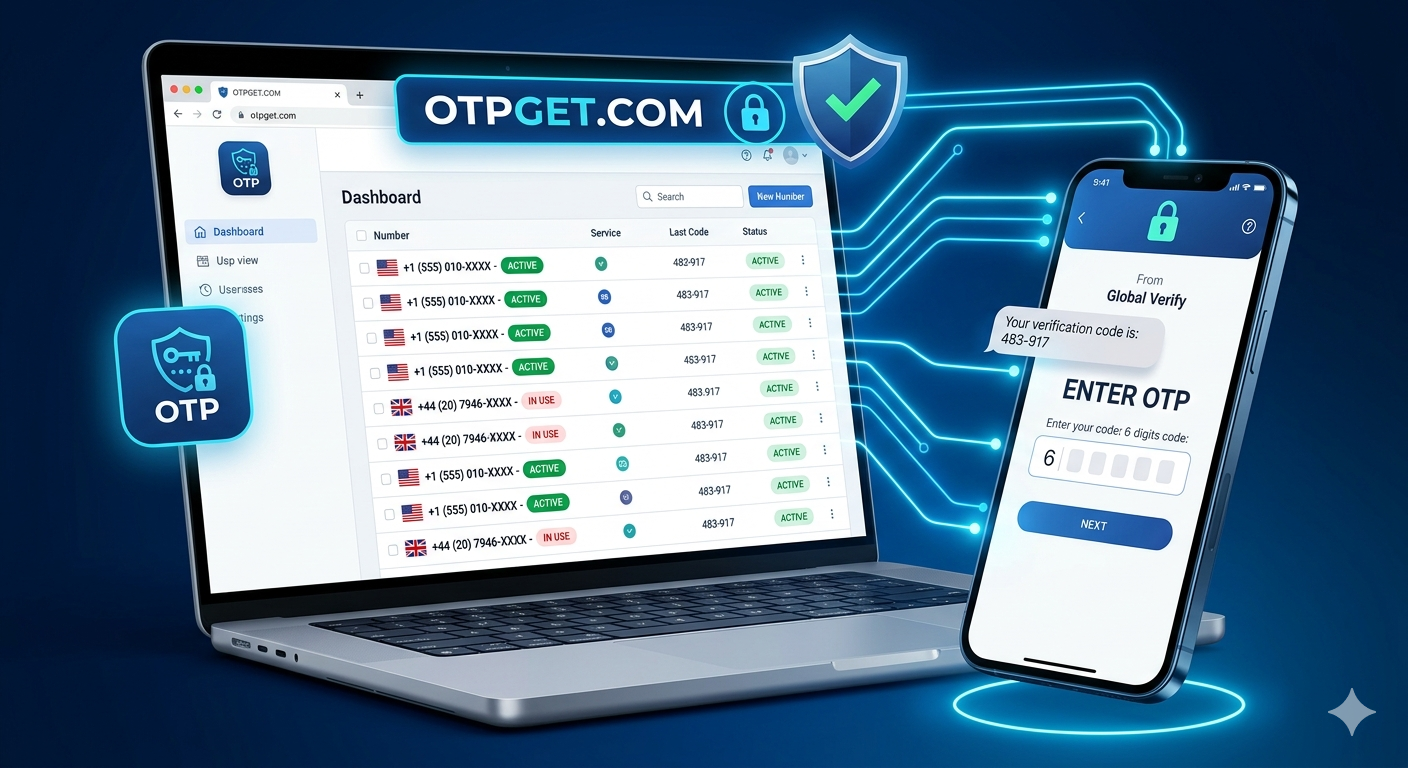
You may come across terms like SMS verification online, online SMS receive service, or virtual phone number service while researching Facebook login issues.
These services generally provide temporary phone numbers that can receive SMS messages online. They are often used for testing applications, verifying accounts in development environments, or managing communication systems.
However, it is important to understand the limitations:
- Many platforms, including Facebook, actively detect and block temporary or public numbers
- Using such services for account creation may lead to verification failure
- It can also increase security risks if the number is shared publicly
Because of these risks, it is always recommended to use personal, secure, and private phone numbers for Facebook verification rather than relying on third-party SMS platforms.
Why Security Matters in Facebook Verification
Account security is extremely important in today’s digital environment. Facebook accounts often contain personal messages, business pages, payment information, and sensitive data.
Using unsafe methods for verification can lead to:
- Account hacking or unauthorized access
- Loss of personal data
- Permanent account restrictions
- Exposure to phishing or scam services
Many unofficial SMS platforms are not regulated, which increases the risk of data misuse. That is why Facebook strongly encourages users to rely on verified mobile numbers and official recovery methods.
Protecting your account should always be a priority over convenience.
Best Practices for Facebook Account Safety
To ensure your Facebook account remains secure and accessible, follow these best practices:
1. Enable Two-Factor Authentication
This adds an extra step during login, requiring both a password and a verification code. It is one of the strongest defenses against unauthorized access.
2. Add a Recovery Email
Always link a valid and active email address to your Facebook account. This helps you recover your account if your phone number becomes inaccessible.
3. Use Strong and Unique Passwords
Avoid using simple or repeated passwords. A strong password includes a mix of letters, numbers, and symbols.
4. Monitor Login Activity
Regularly check where your account is logged in. If you notice unfamiliar devices, log them out immediately.
5. Avoid Suspicious Third-Party Services
Be cautious of websites or apps offering “free Facebook OTP numbers” or “instant verification codes.” These are often unsafe and unreliable.
Understanding “Facebook Macau Number” Searches
When users search for how to get Facebook Macau number, they are usually trying to solve a verification problem rather than specifically needing a Macau-based identity.
A Macau number is often perceived as a possible solution because:
- It may support international SMS delivery
- It can sometimes be used for account verification in certain regions
- Users believe it may bypass regional restrictions
However, the most important thing to understand is that Facebook does not require a specific country’s number like Macau. Instead, it requires a valid, active, and accessible mobile number that can receive OTP messages reliably.
So rather than focusing on a specific country code, the real solution is ensuring you have a working number with stable SMS reception.
How to Avoid Facebook Login Issues
If you frequently face Facebook login issues, here are some preventive steps:
- Keep your phone number updated in account settings
- Ensure your email is verified and active
- Avoid logging in from too many unknown devices
- Clear cache and update your Facebook app regularly
- Turn on login alerts for security notifications
These simple steps can significantly reduce the chances of being locked out of your account.
Conclusion
Searching for how to get Facebook Macau number usually comes from a need to solve Facebook OTP verification or login issues. While it may seem like a quick solution, the safest and most reliable approach is always to use official methods.
Facebook’s security system is designed to protect users through SMS verification online, two-factor authentication Facebook, and recovery tools. Instead of relying on temporary or risky virtual solutions, users should focus on maintaining a stable, verified phone number and secure recovery options.
By following best practices like enabling two-factor authentication, updating recovery information, and avoiding unsafe third-party services, you can ensure smooth and secure access to your Facebook account at all times.
Ultimately, account security is not just about convenience—it is about protecting your digital identity.