OTP Buyer Guide: Secure OTP Verification & Safe Services
OTP Buyer Guide — How to Buy OTP Safely?
Introduction: Why OTP Matters in Digital Security
In today’s digital world, protecting online accounts is more important than ever. Almost every platform—from banking apps to social media and business tools—relies on OTP (One-Time Password) systems to verify users. OTP adds an extra layer of protection beyond traditional passwords, making unauthorized access significantly harder.
For individuals, OTP ensures account safety during login and transactions. For businesses and developers, it becomes a critical tool for user verification, onboarding, and fraud prevention. As digital services grow, secure OTP systems have become a foundation of trust in online communication.
Understanding how OTP services work and how to use them safely is essential for anyone interacting with modern applications.
What OTP Means and How It Works
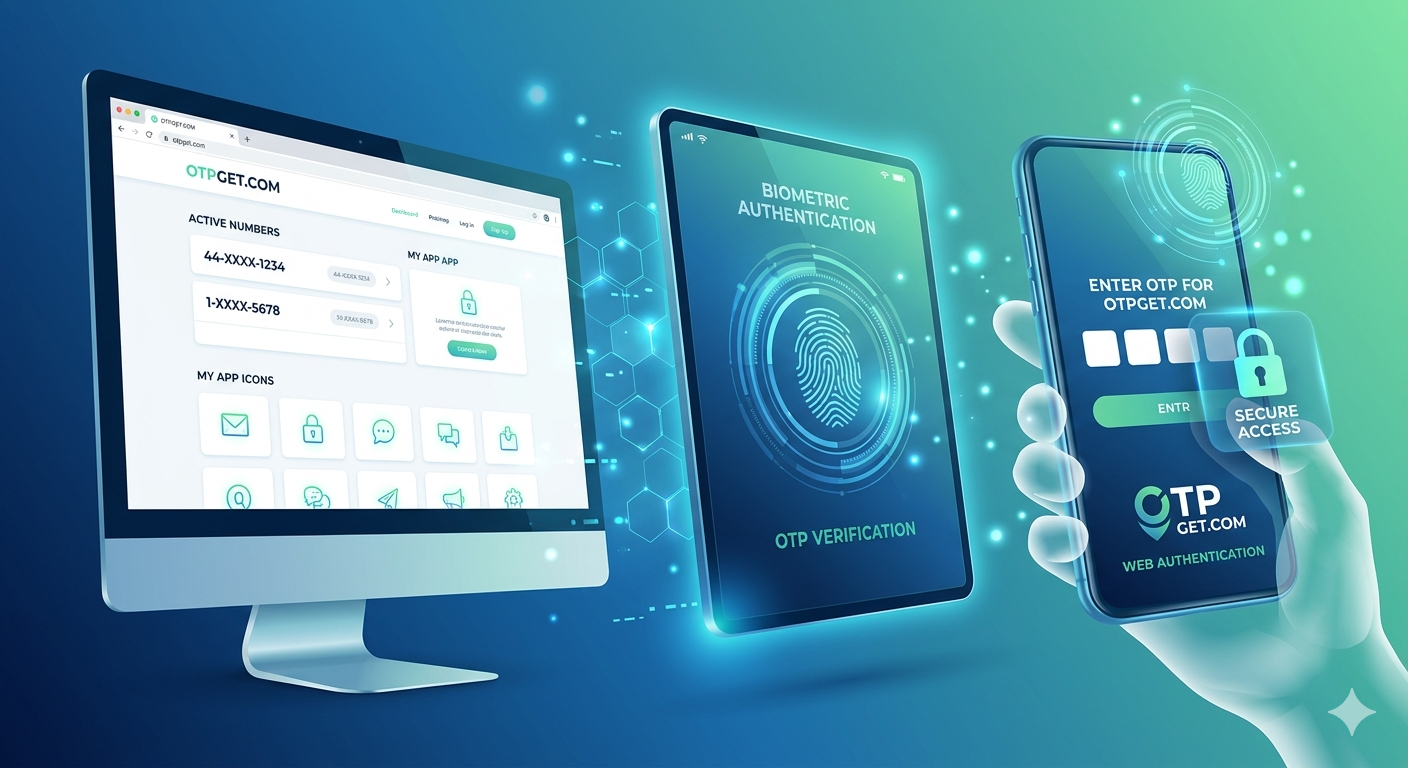
An OTP, or One-Time Password, is a temporary code sent to a user’s registered phone number or email address. It is used for identity verification during login or sensitive actions.
The process is simple:
- A user attempts to log in or perform an action.
- The system generates a unique, time-sensitive code.
- The OTP is sent via SMS, email, or an authentication app.
- The user enters the code to confirm their identity.
Once used or expired, the OTP becomes invalid. This makes it extremely difficult for attackers to reuse or intercept credentials successfully.
OTP systems are widely used as part of secure login authentication and two-factor authentication (2FA), strengthening account protection beyond passwords alone.
Why Businesses and Developers Use OTP Systems
OTP services are not just for personal security—they are essential for digital platforms and developers building modern applications.
Businesses use OTP systems to:
- Verify new users during signup
- Prevent fake or spam accounts
- Secure financial transactions
- Protect sensitive user data
- Improve trust in digital platforms
Developers also rely on OTP verification systems during app development and testing phases. These systems help simulate real-world authentication flows without compromising user security.
For example, during app testing SMS verification, developers ensure that login and registration flows work correctly across different devices and regions.
Safe and Legitimate Ways to Use OTP Services
When people refer to “buying OTP,” it typically means subscribing to legitimate OTP-enabled services such as SMS APIs, virtual number platforms, or verification tools.
Safe and legal use cases include:
- Application testing and development
- Customer onboarding verification
- Business account security
- Temporary phone verification for privacy protection
- Multi-factor authentication setup
These services are designed to improve digital safety and operational efficiency—not to bypass security systems or misuse authentication mechanisms.
Using OTP tools responsibly ensures compliance with platform policies and maintains trust across digital ecosystems.
Understanding OTP-Enabled Services
OTP services come in different forms depending on business needs and technical requirements.
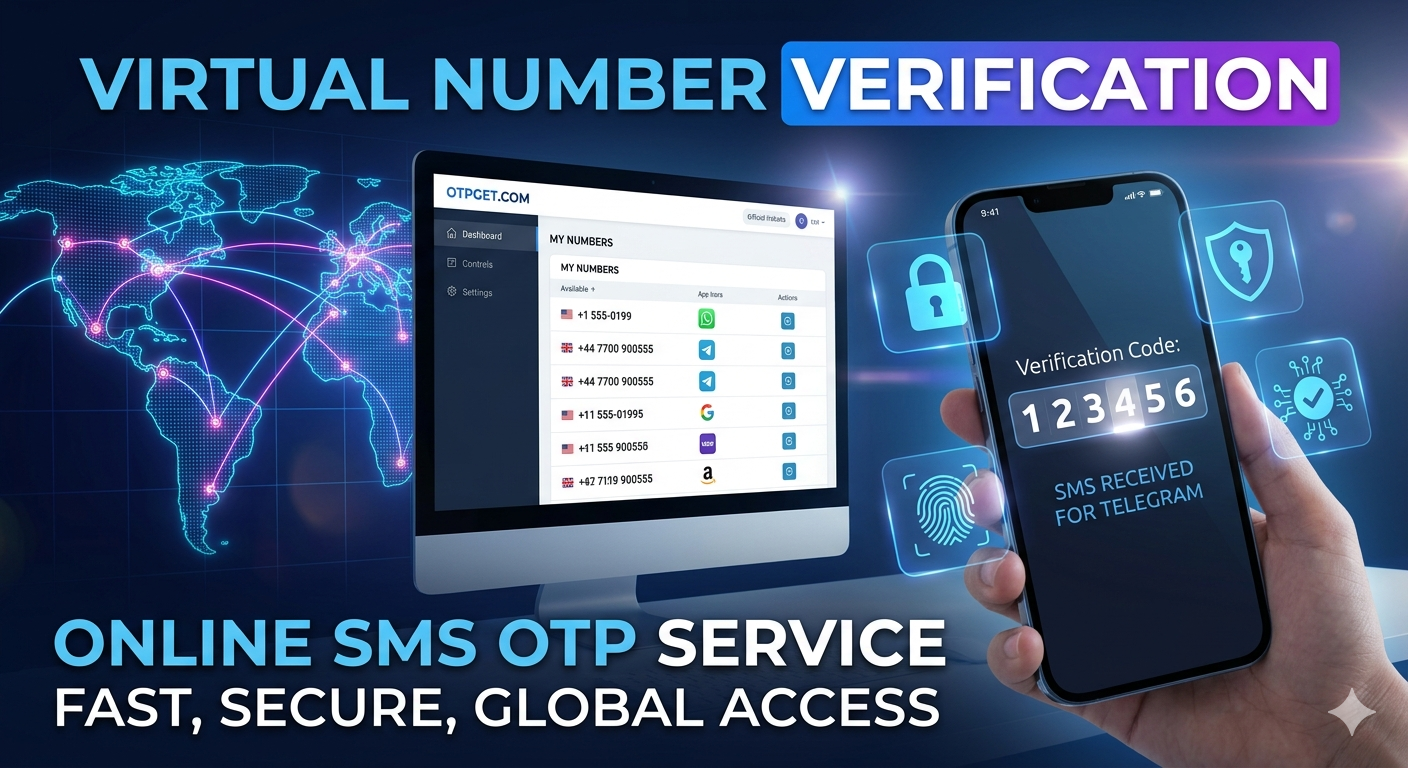
Virtual Numbers for Verification
Virtual phone numbers allow users to receive OTP messages without using a personal SIM card. These are commonly used for:
- Testing applications
- Managing multiple business accounts
- Protecting personal contact information
SMS Verification APIs
SMS OTP services provide programmable interfaces that allow developers to integrate OTP delivery into apps and websites. These APIs handle:
- OTP generation
- Message delivery
- Expiry control
- Delivery tracking
Testing Tools for Developers
Many platforms offer OTP simulation tools to help developers test authentication flows without sending real messages to users. This ensures smoother development and debugging processes.
How to Choose a Secure OTP Verification Provider
Choosing the right OTP service provider is crucial for maintaining security and reliability. Not all providers offer the same level of quality or compliance.
When selecting a provider, consider the following:
- Strong delivery speed for OTP messages
- Global or regional coverage depending on your audience
- High uptime and system reliability
- Compliance with data protection and privacy standards
- Clear documentation for developers
- Support for integration with apps and websites
A trustworthy provider ensures that OTP messages are delivered quickly and securely, minimizing login delays and improving user experience.
Key Features to Look for in OTP Services
When evaluating OTP platforms or virtual number services, focus on features that enhance both security and usability.
1. Speed and Reliability
OTP codes must arrive instantly. Delays can lead to failed logins and user frustration.
2. Privacy Protection
A secure provider ensures that user data is encrypted and not shared with unauthorized parties.
3. Scalability
Businesses should choose services that can handle growing user bases without performance issues.
4. Global Reach
If your application serves international users, global SMS delivery is essential.
5. API Integration
Developers should prioritize platforms with easy-to-use APIs for seamless implementation.
Common Mistakes Users Should Avoid
Even with secure OTP systems, improper usage can create vulnerabilities or operational issues.
Common mistakes include:
- Sharing OTP codes with others
- Using unreliable or unverified providers
- Ignoring expiration times of OTP messages
- Storing OTPs in insecure environments
- Overlooking compliance and privacy policies
Avoiding these mistakes helps maintain strong authentication security and protects sensitive accounts.
Best Practices for Safe OTP Usage
To maximize security and efficiency, users and businesses should follow proven best practices:
- Always use official and verified OTP service providers
- Enable two-factor authentication whenever possible
- Keep authentication devices secure and updated
- Monitor login activity for unusual behavior
- Use encrypted communication channels for sensitive operations
For developers, integrating rate limiting and fraud detection mechanisms adds an additional layer of protection to OTP systems.
Future of OTP and Authentication Systems
Authentication technology is continuously evolving. While OTP remains a widely used security method, newer technologies are emerging to enhance or complement it.
Some advancements include:
- Biometric authentication (fingerprint, facial recognition)
- Push-based authentication apps
- Passwordless login systems
- Adaptive risk-based authentication
Despite these innovations, OTP will continue to play an important role due to its simplicity, accessibility, and wide compatibility across devices and platforms.
The future of authentication will likely combine multiple security layers, with OTP remaining a core verification method.
Conclusion: Building Trust with Secure OTP Systems
OTP systems are a fundamental part of modern digital security. Whether used for login protection, user verification, or application testing, they provide a reliable way to confirm identity and reduce fraud risks.
Understanding how OTP services work and choosing secure, compliant providers is essential for both businesses and individuals. When used correctly, OTP-enabled solutions improve user trust, enhance privacy, and strengthen overall system security.
By focusing on legitimate use cases such as authentication, testing, and privacy protection, OTP services remain a powerful tool in building safer digital experiences.