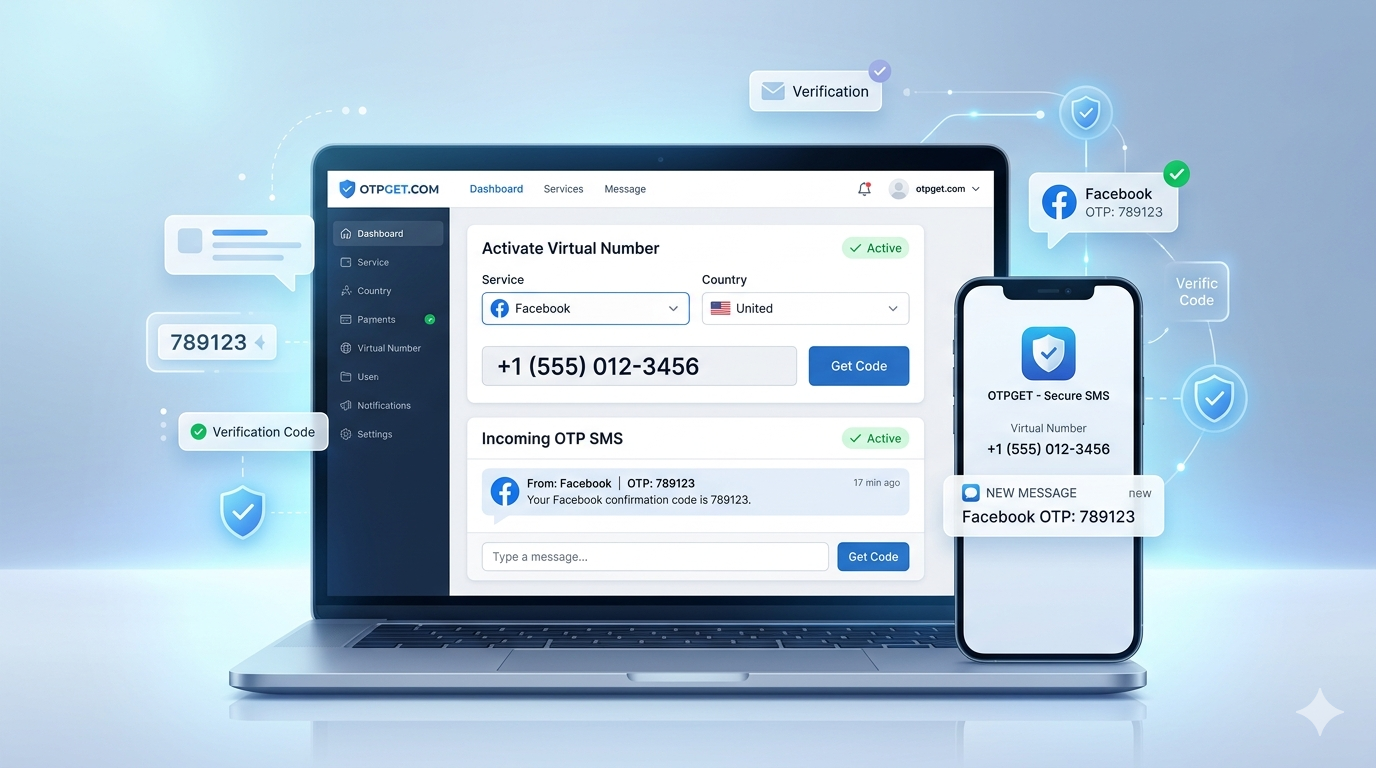
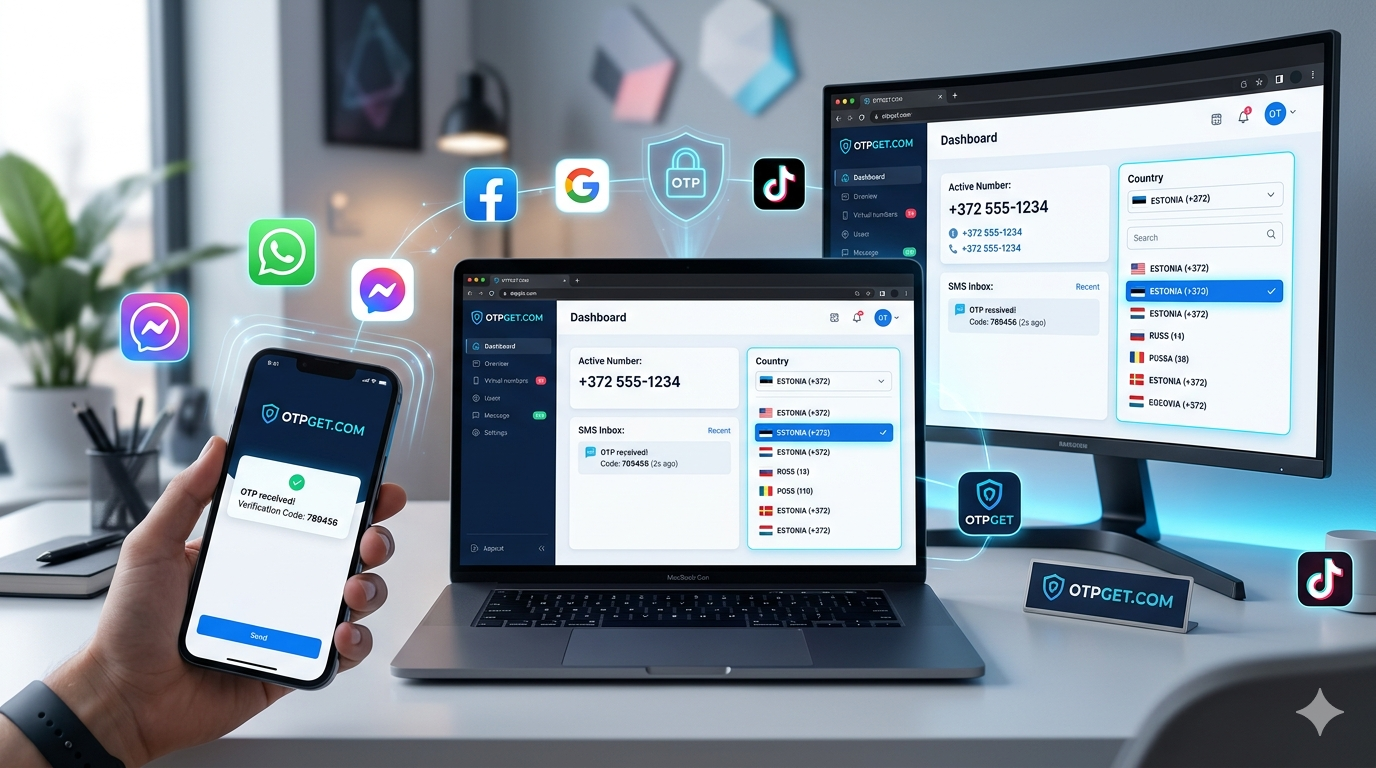
OtpGet API Documentation & Integration Guides for Developers
OtpGet API Documentation & Integration Guide
Introduction
In today’s digital-first world, secure authentication is no longer optional—it is essential. Every application, from mobile apps to enterprise platforms, requires a reliable OTP verification system to ensure user authenticity and prevent unauthorized access.
Traditional password-based systems are no longer enough. Users expect faster, safer, and frictionless login experiences. This is where OTP (One-Time Password) authentication becomes a critical part of modern security infrastructure.
The OtpGet API emerges as a powerful solution designed for developers who need a fast, scalable, and secure way to implement OTP-based authentication. Whether you are building signup verification, password recovery, or transaction security layers, OTPGET simplifies the entire process through a clean and developer-friendly API structure.
What is OTPGET?
OTPGET is a modern OTP service provider built to deliver secure and reliable authentication solutions through APIs. It enables developers to integrate OTP verification directly into their applications without managing complex backend infrastructure.
At its core, OTPGET provides a complete OTP API ecosystem that handles:
- OTP generation
- SMS delivery
- OTP verification
- Authentication workflows
For developers, OTPGET acts as a plug-and-play developer OTP solution, reducing implementation time while ensuring enterprise-grade security.
Why OTPGET is Important
OTPGET is widely used because it removes the complexity of building an in-house authentication system. Instead of managing SMS gateways, retry logic, and security layers, developers can focus on building core application features while OTPGET handles verification.
Why Choose OTPGET API?
Choosing the right authentication API can define the performance and security of your application. The OtpGet API stands out due to several key advantages:
1. Speed
OTP delivery is optimized for real-time performance. Users receive verification codes instantly, improving login flow efficiency and reducing drop-offs.
2. Security
OTPGET ensures secure transmission of verification codes using encrypted channels and safe authentication mechanisms. This reduces risks of interception or misuse.
3. Scalability
Whether you're serving 100 users or 10 million, OTPGET scales seamlessly without affecting response time or delivery reliability.
4. Easy Integration
The API structure is simple, clean, and developer-friendly. Even beginners can integrate OTP verification in minimal steps.
5. Global SMS Delivery
OTPGET supports global SMS delivery, making it suitable for international applications that require cross-border authentication.
OTPGet API Documentation Overview
The OtpGet API is structured around RESTful principles, making it easy to integrate into any backend system, including Node.js, Python, PHP, Java, and more.
API Structure
The API typically follows a request-response model:
- Request OTP
- Verify OTP
- Handle authentication results
Endpoints Concept
While actual endpoints depend on configuration, OTPGET generally includes:
- OTP generation endpoint
- OTP verification endpoint
- Status or delivery tracking endpoint
Request & Response Basics
Requests are usually sent in JSON format containing:
- Phone number or user identifier
- Request type (generate or verify OTP)
- Security token or API key
Responses typically include:
- Success or failure status
- OTP delivery confirmation
- Verification result
Authentication Method
OTPGET uses secure API key-based authentication to ensure only authorized applications can access the service.
How OTPGET API Integration Works
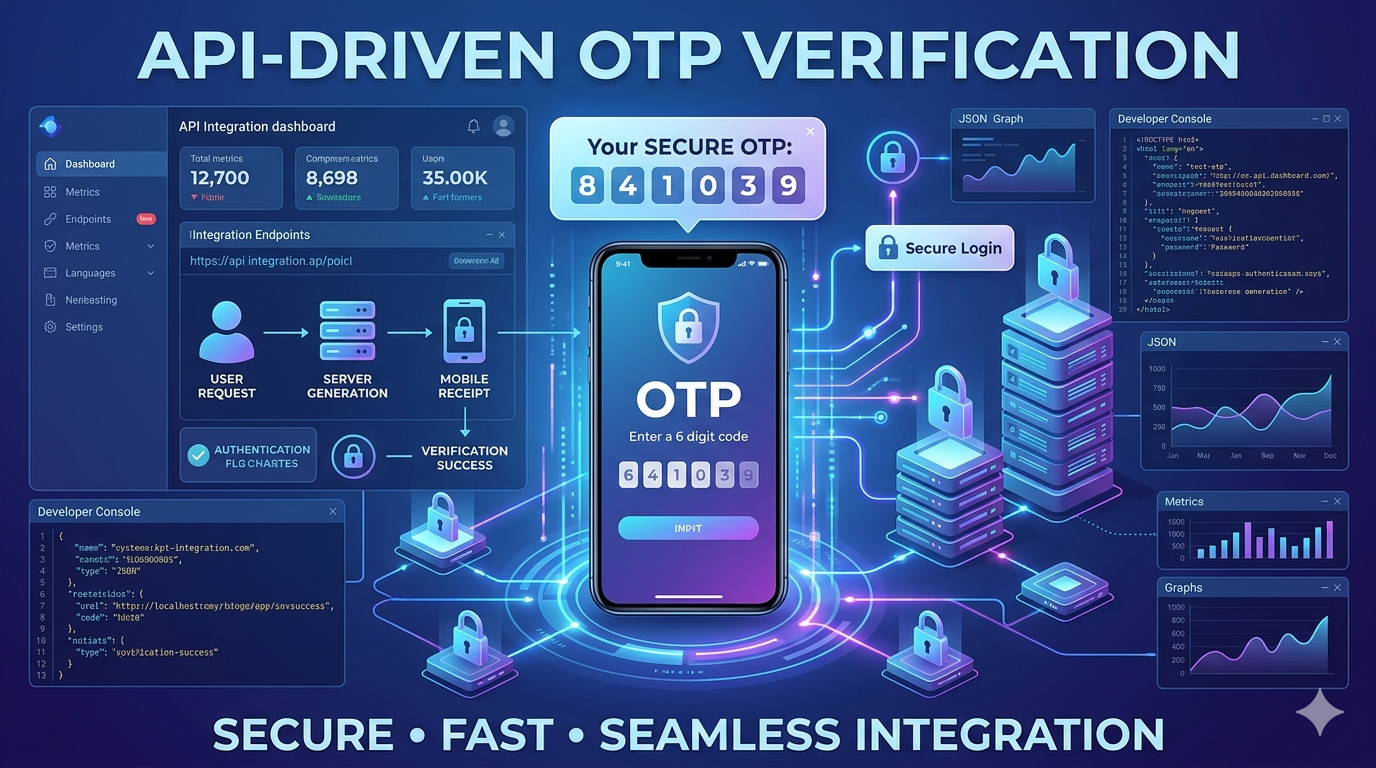
Integrating the OtpGet API into your application follows a simple three-step workflow:
Step 1: Generate OTP Request
The application sends a request to OTPGET with the user’s phone number. The system generates a unique OTP code.
Step 2: Send OTP via API
OTPGET delivers the OTP to the user’s mobile device via SMS using optimized routing for fast delivery.
Step 3: Verify OTP
The user enters the OTP in your application, which is then sent back to OTPGET for validation.
If the OTP matches and is within the valid time window, the system confirms authentication.
Step 4: Access Granted
Once verified, the user is authenticated and granted access to the system securely.
This simple workflow makes OTPGET one of the most efficient backend verification API solutions available today.
Use Cases of OTPGET
The OTP verification system provided by OTPGET can be used across multiple industries and applications:
Login Authentication
Secure user login using OTP instead of passwords enhances security and user convenience.
Signup Verification
Verify new users during registration to prevent fake or spam accounts.
Password Recovery
OTP-based recovery ensures only the rightful user can reset account credentials.
Transaction Verification
Used in fintech and banking apps to validate sensitive transactions.
User Onboarding Security
Ensure only real users complete onboarding processes in digital platforms.
Benefits of Using OTPGET Over Traditional Systems
Traditional authentication systems often rely on outdated methods or complex infrastructure. OTPGET improves this in multiple ways:
Faster Verification
OTP delivery happens instantly, reducing wait time for users.
Reduced Fraud
One-time passwords significantly reduce unauthorized access attempts.
Better User Experience
Users do not need to remember passwords, improving convenience.
Reliable Delivery
OTPGET ensures high delivery success rates using optimized SMS routing.
Best Practices for OTP API Integration
To get the most out of the OtpGet API, developers should follow these best practices:
Secure Storage
Never store OTPs in plain text. Always use encrypted or hashed storage mechanisms.
Expiry Time Handling
Set short expiry times (e.g., a few minutes) to improve security.
Retry Limits
Limit the number of OTP requests to prevent abuse.
Rate Limiting
Implement API rate limiting to protect against spam or brute-force attempts.
Why OTPGET is the Best OTP API Solution
When it comes to choosing an OTP API, developers need a solution that is fast, secure, and easy to implement. OTPGET delivers all three.
Unlike traditional systems that require heavy backend management, OTPGET provides a streamlined and modern API architecture designed specifically for developers.
Its strengths lie in:
- Simple integration process
- Reliable OTP delivery system
- Secure authentication flows
- Scalable infrastructure for growth
For startups, SaaS platforms, fintech apps, and enterprise systems, OTPGET acts as a complete OTP service provider that eliminates complexity while improving security.
Most importantly, OTPGET is designed with developers in mind. The API is intuitive, well-structured, and built for rapid deployment, making it a top choice for modern authentication systems.
Final Conclusion
Secure authentication is a core requirement for every modern application, and OTP-based verification has become the standard for ensuring trust and safety.
The OtpGet API provides a powerful, flexible, and developer-friendly solution for implementing OTP authentication across web and mobile platforms. From user login to transaction verification, OTPGET simplifies every step of the process while maintaining high security standards.
If you're looking to build a reliable OTP verification system without the complexity of traditional infrastructure, OTPGET is the solution designed for you.
Start integrating OTPGET today and build faster, safer, and more secure authentication experiences for your users.