✅ SEO BLOG GENERATION PROMPT (COPY & USE) You are an expert SEO content writer and technical copywriter specializing in SaaS, API documentation, and developer-focused blogs. Your task is to write a high-quality, human-like, persuasive, and SEO-optimized

Full Blog Article (1200–1800 words)
Introduction: The Real Challenge Behind User Authentication
Every modern application eventually faces the same challenge—how to verify users securely without creating friction in the signup or login process.
Passwords alone are no longer enough. They are easily forgotten, reused, or compromised. Email verification can be slow and unreliable. That’s why businesses increasingly rely on SMS-based OTP systems as a faster, more secure layer of authentication.
This is where the SMS Verification API becomes essential. It allows developers to instantly send one-time passwords (OTP) to users’ mobile devices, ensuring that only real, reachable users gain access.
But not all OTP systems are equal.
Some suffer from delivery delays. Others fail under scale. Many lack proper security controls.
That’s why developers are shifting toward dedicated solutions like OTPGET, a modern OTP API built for fast, secure, and scalable authentication workflows.
What is an SMS Verification API?
An SMS Verification API is a backend service that enables applications to send one-time passwords directly to a user’s mobile number via SMS.
Instead of manually building telecom integrations or managing message gateways, developers simply call an API endpoint, and the service handles everything:
- OTP generation
- SMS delivery
- Code validation
- Expiration control
- Security enforcement
In simple terms, it acts as a bridge between your application and the mobile network, enabling a seamless OTP SMS service.
Businesses use it to:
- Verify new users during signup
- Secure login attempts
- Protect transactions
- Enable multi-factor authentication
- Reduce fake or bot registrations
Without an OTP verification system, applications are exposed to spam accounts, fraud, and unauthorized access.
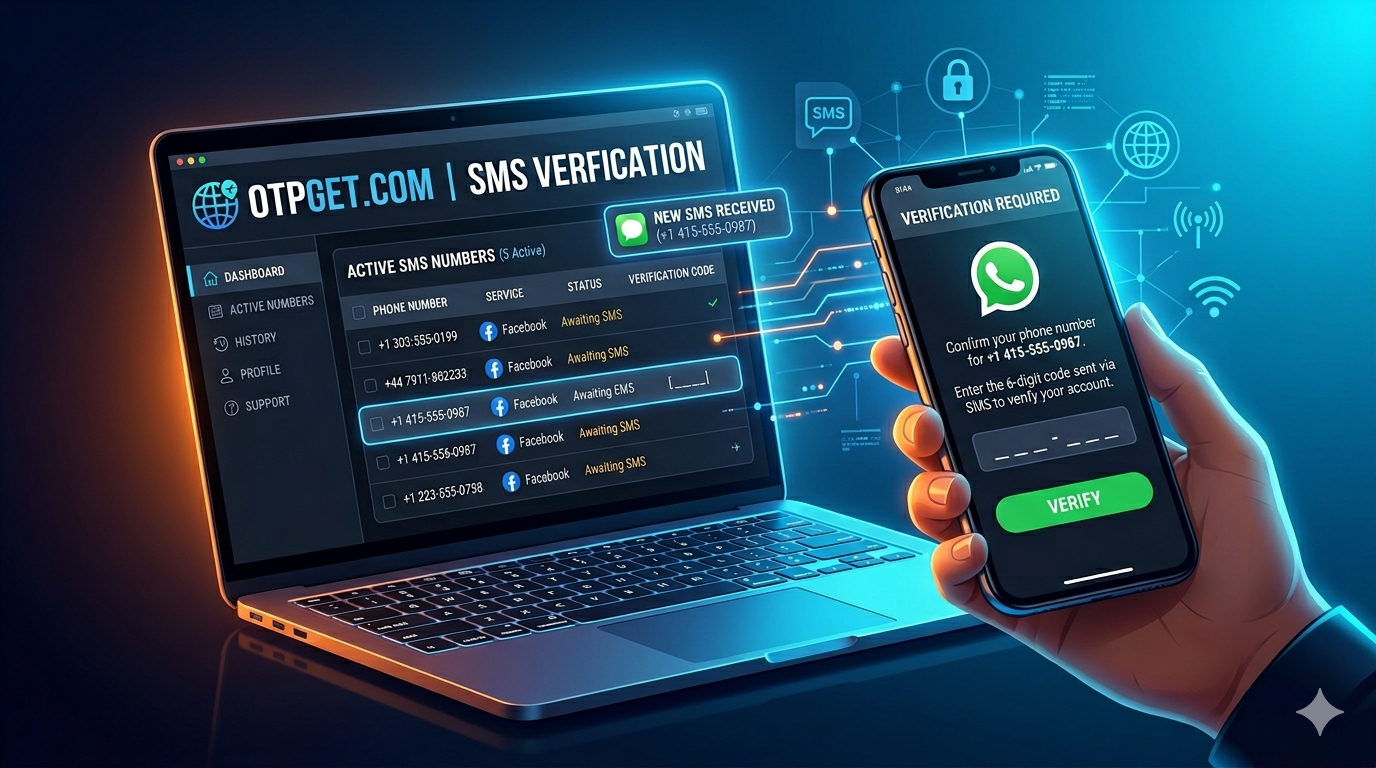
How OTP SMS Verification Works
Behind the scenes, SMS OTP verification follows a simple but powerful flow:
1. OTP Generation
When a user requests verification, the system generates a unique numeric or alphanumeric code.
2. API Request
Your application sends a request to the SMS Verification API with the user’s phone number.
3. SMS Delivery
The API forwards the OTP through global SMS gateways and delivers it to the user’s device.
4. User Input
The user enters the received OTP into your application.
5. Validation
Your system sends the OTP back to the API for verification.
6. Access Granted or Denied
If the OTP matches and is valid, access is granted. Otherwise, the request is rejected.
This entire process happens within seconds, making it one of the most efficient authentication methods available today.
Why Developers Need a Reliable OTP API
Building your own OTP system might sound simple at first, but in reality, it introduces multiple challenges:
Security Risks
Without proper infrastructure, OTP codes can be intercepted or reused. Poorly designed systems also risk brute-force attacks.
Scalability Problems
As your user base grows, sending thousands or millions of OTP messages requires global SMS routing infrastructure.
Delivery Failures
SMS delivery depends on carrier networks. Without optimized routing, messages may get delayed or blocked.
Maintenance Overhead
Managing telecom providers, retries, logs, and validation systems becomes complex and time-consuming.
Because of these challenges, developers prefer using a dedicated authentication API that handles everything reliably.
Why OTPGET is the Best Choice
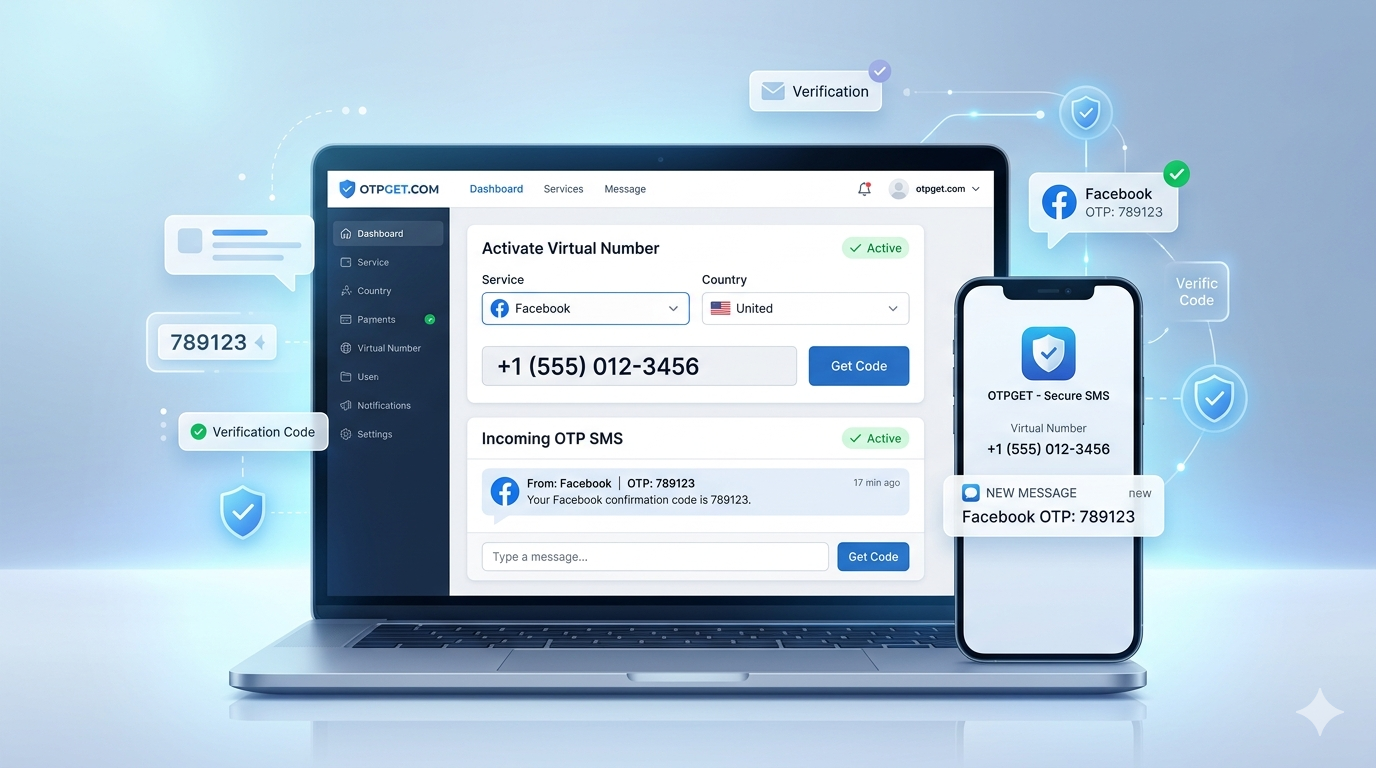
When it comes to building secure authentication flows, OTPGET stands out as a powerful OTP SMS service designed specifically for developers and modern SaaS applications.
Instead of worrying about infrastructure, developers can focus entirely on product development while OTPGET handles verification at scale.
⚡ Fast OTP Delivery
OTPGET is optimized for ultra-fast message delivery, ensuring users receive OTP codes within seconds, improving conversion rates and reducing drop-offs.
🌍 Global SMS Coverage
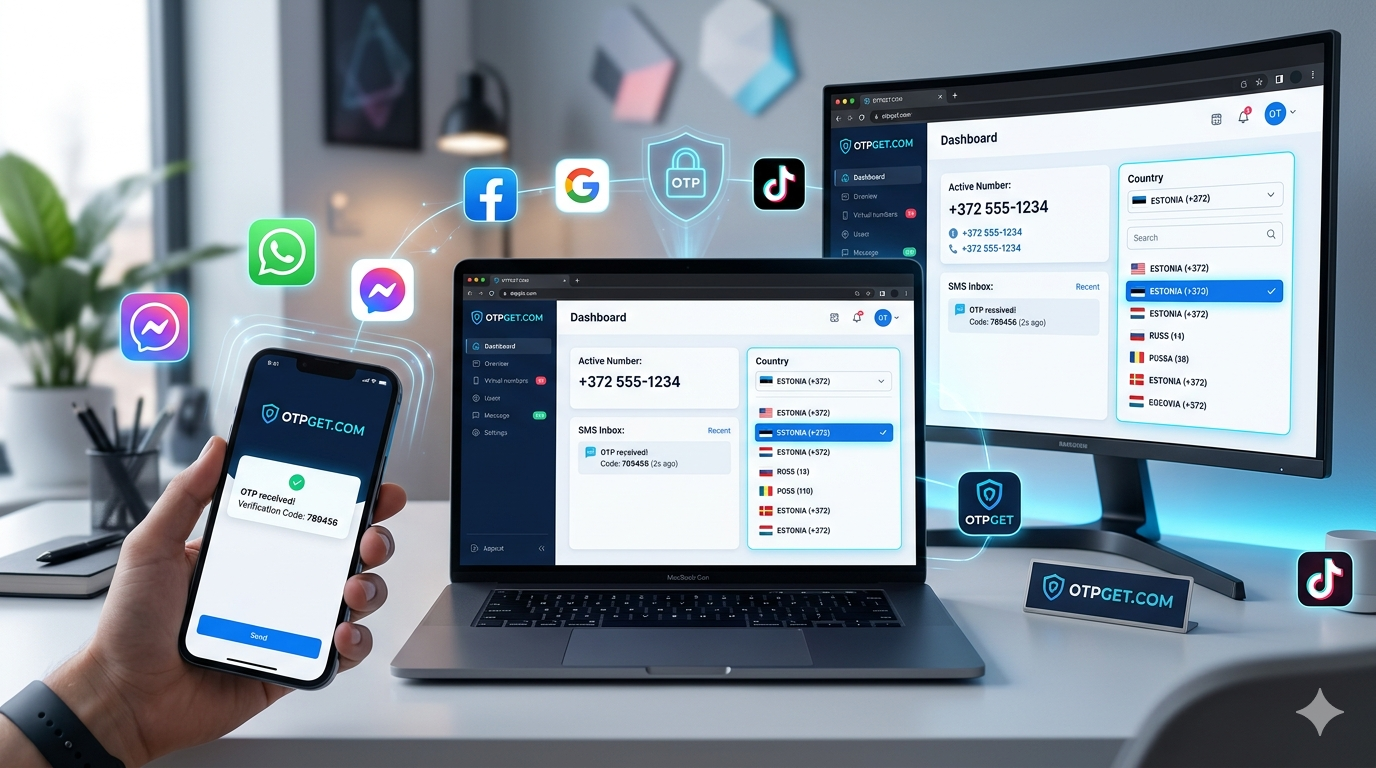
Whether your users are local or international, OTPGET provides reliable SMS routing across multiple regions, ensuring consistent delivery performance.
🔌 Easy API Integration
OTPGET is built with developers in mind. Its simple API structure allows quick integration with minimal code, making it ideal for startups and enterprise systems alike.
🔐 High-Level Security
Every OTP request is protected with secure authentication mechanisms, rate limiting, and validation layers to prevent abuse and fraud.
📈 Scalable Architecture
Whether you're sending 100 OTPs or 10 million, OTPGET scales effortlessly without performance degradation.
🧑💻 Developer-Friendly Experience
Clear documentation, predictable responses, and simple endpoints make OTPGET one of the most developer-friendly OTP verification systems available.
In short, OTPGET is not just another API—it is a complete developer OTP solution built for real-world production environments.
OTPGET SMS Verification API Integration Guide
Integrating OTPGET into your application is straightforward and requires minimal setup.
Step 1: API Key Setup
After signing up, developers receive an API key used to authenticate requests.
Step 2: Send OTP Request
Example pseudo-code:
POST https://api.otpget.com/send-otp

{
  "phone": "+92XXXXXXXXXX",
  "method": "sms"
}
Step 3: Receive Response
{
  "success": true,
  "message": "OTP sent successfully",
  "request_id": "abc123"
}
Step 4: Verify OTP
POST https://api.otpget.com/verify-otp

{
  "request_id": "abc123",
  "otp": "456789"
}
Step 5: Handle Verification Response
{
  "verified": true,
  "status": "approved"
}
Error Handling
A robust OTP API should always handle errors gracefully:
- Invalid phone numbers
- Expired OTP codes
- Too many requests
- Incorrect OTP entries
OTPGET ensures structured error responses so developers can easily debug and handle edge cases.
Use Cases of OTP Verification API
An OTP-based authentication system is widely used across industries.
User Login Authentication
Secure login using SMS-based OTP instead of passwords.
User Signup Verification
Ensure only real users can create accounts.
Transaction Security
Confirm sensitive actions like payments or transfers.
2FA SMS API
Add an extra security layer to existing login systems.
Account Recovery
Help users regain access to locked accounts securely.
These use cases make OTP APIs a core component of modern digital security infrastructure.
Benefits of Using OTPGET
Choosing the right OTP service has a direct impact on user experience and business growth.
Faster User Onboarding
Instant OTP delivery reduces signup friction and improves conversion rates.
Stronger Security
Protects against fake accounts, bots, and unauthorized access.
Higher Reliability
OTPGET ensures consistent delivery even under high traffic loads.
Easy Scaling
From startups to enterprise systems, OTPGET scales without infrastructure headaches.
Developer-Friendly Ecosystem
Simple APIs, clean documentation, and predictable behavior make integration smooth and efficient.
Final Thoughts
SMS-based authentication is no longer optional—it is a necessity for any serious application handling user data.
A reliable SMS Verification API ensures security, trust, and seamless user experience.
While many solutions exist, few offer the balance of speed, security, and simplicity that modern developers need.
That’s where OTPGET stands out.
With its fast delivery system, global reach, and developer-first design, OTPGET is built to power next-generation authentication systems.
If you're building an app that values security and user experience, integrating OTPGET is one of the smartest decisions you can make.
Strong authentication starts with a reliable OTP system—and OTPGET delivers exactly that.