TikTok/Douyin Mexico Number Guide | Virtual SMS Solutions
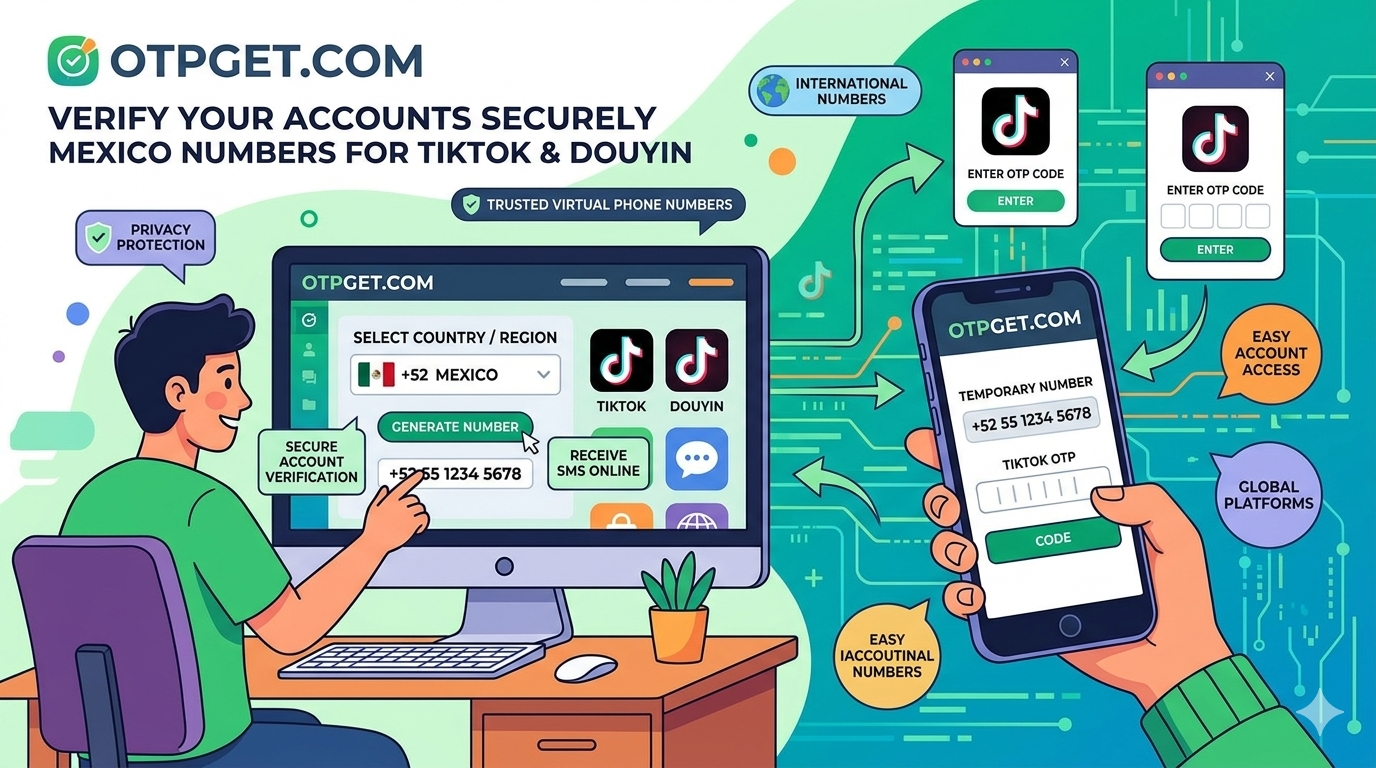
How to Get a Mexico Number for TikTok & Douyin Verification
Introduction
In today’s digital-first world, social media platforms like TikTok and Douyin rely heavily on phone-based verification systems to create secure and authentic user environments. While this approach helps reduce spam and fake accounts, it can also create challenges for users who do not have access to a local phone number or who prefer not to share their personal number online.
This is where the concept of virtual phone numbers comes into the picture. Many users search for solutions like a Mexico number or an international number for apps to complete SMS verification when registering or managing accounts on global platforms.
Virtual numbers and OTP-based SMS systems are designed to bridge communication gaps, making digital services more accessible and flexible. However, it is important to understand how these systems work, their limitations, and how they should be used responsibly within platform guidelines.
This guide provides a clear, educational overview of virtual numbers, SMS verification systems, and safe practices for using them in a modern digital environment.
Understanding SMS Verification Systems
SMS verification is a security method used by apps and online platforms to confirm a user’s identity through a One-Time Password (OTP). When you enter your phone number, the platform sends a temporary code via SMS, which you must input to complete registration or login.
How OTP Verification Works
The process is simple but effective:
- A user enters their phone number on an app like TikTok or Douyin
- The system generates a unique OTP
- The OTP is sent via SMS to the provided number
- The user enters the code to verify ownership
This process ensures that each account is linked to a real and reachable phone number, helping platforms reduce bots and maintain security.
Why Platforms Require Phone Numbers
Platforms use phone verification for several key reasons:
- Preventing fake account creation
- Reducing spam and automated bots
- Enhancing account recovery options
- Improving user trust and platform safety
For global platforms, phone verification also helps tailor services based on regional availability and compliance requirements.
Common Challenges Users Face
Despite its benefits, SMS verification can create barriers:
- Limited access to international numbers
- Roaming or SIM restrictions
- Privacy concerns about sharing personal numbers
- Difficulty receiving SMS in certain regions
These challenges often lead users to explore alternatives such as virtual phone numbers or online SMS services.
What Are Virtual Phone Numbers?
A virtual phone number is a number that is not tied to a physical SIM card or device. Instead, it operates through internet-based systems that allow users to send and receive messages digitally.
How Virtual SMS Receiving Works
When someone sends an SMS to a virtual number:
- The message is routed through a cloud-based system
- It is stored on a server or dashboard
- The user can access it online through a web interface or app
This allows users to receive SMS online without needing a traditional SIM card.
Key Benefits of Virtual Numbers
Virtual numbers offer several advantages:
- Privacy protection: Keeps personal numbers private
- Convenience: Access messages from anywhere
- Flexibility: Use numbers from different regions
- Accessibility: Useful for users without local SIM access
They are often used for account verification, temporary communication, and testing digital services.
Common Use Cases of Virtual Numbers
Virtual numbers are widely used across different industries and personal needs. Their flexibility makes them suitable for many scenarios.
1. Account Verification
Many users rely on virtual numbers for SMS verification online when signing up for platforms that require phone authentication. This is especially useful for services that operate globally.
2. Business Communication
Businesses often use online phone number services to:
- Manage customer support
- Handle international clients
- Separate personal and professional communication
3. Privacy Protection
A privacy phone number helps individuals protect their identity when signing up for websites, apps, or online services that require phone details.
4. App Testing and Development
Developers frequently use virtual SIM card systems and temporary phone numbers to test OTP flows, user onboarding processes, and SMS-based features in applications.
Important Limitations and Risks
While virtual numbers provide flexibility, they also come with limitations that users should be aware of.
Not All Services Are Compatible
Some platforms may block or restrict virtual numbers due to security policies. This means a number that works for one service may not work for another.
Temporary Availability
Certain online OTP services offer shared or temporary numbers, which may expire or become unavailable after a short time.
Privacy and Security Concerns
Free or low-quality providers may not offer strong data protection. Messages received on shared platforms may also be visible to others.
Responsible Use Is Essential
Users should always follow platform rules and avoid using virtual numbers in ways that violate terms of service or compromise account integrity.
How OTP-Based SMS Services Work (General Explanation)
OTP-based SMS services rely on cloud communication systems that route messages through virtual infrastructure. When a platform sends an OTP, the message is transmitted through telecom networks and delivered to the assigned virtual number.
The service provider then displays the message to the user through a dashboard or app interface.
It is important to understand that:
- These systems are designed for accessibility and convenience
- They are not intended to bypass security systems or platform rules
- Proper usage depends on respecting each platform’s terms of service
By understanding the technical side, users can make more informed decisions about when and how to use these services responsibly.
Choosing a Reliable Virtual Number Service
Not all virtual number providers are the same. Choosing a reliable service is essential for safety, performance, and privacy.
What to Look For
When selecting a provider, consider the following:
- Coverage: Availability of multiple country numbers
- Reliability: Consistent SMS delivery performance
- Privacy policies: Strong data protection practices
- User support: Responsive help channels
- Security features: Encryption and account protection
Avoid Low-Quality Providers
Be cautious of services that:
- Offer unrealistic promises
- Do not explain how data is handled
- Lack transparency about number usage
- Have poor or no customer support
A trustworthy provider should always be clear about how its system works and what users can expect.
Best Practices for Online Safety
Using virtual numbers safely requires awareness and responsible behavior.
Protect Your Identity
Avoid using unknown or untrusted platforms that may expose your personal data. Always prioritize services with clear privacy policies.
Do Not Share OTP Codes
OTP codes are sensitive. Never share them with others, as they can be used to access your accounts.
Use Trusted Platforms Only
Stick to well-reviewed and reputable services for virtual numbers and SMS handling.
Keep Accounts Secure
Enable additional security features like two-factor authentication whenever possible to protect your digital identity.
Conclusion
Virtual phone numbers and OTP-based SMS systems play an important role in modern digital communication. They offer flexibility, privacy, and accessibility for users who need alternative ways to receive SMS or verify accounts on platforms like TikTok and Douyin.
However, these tools should always be used responsibly. Understanding how SMS verification works, recognizing the limitations of virtual numbers, and choosing reliable services are all essential steps toward safe digital practices.
Rather than focusing on bypassing restrictions, the real value of virtual numbers lies in improving communication access, protecting privacy, and supporting legitimate use cases such as testing, business communication, and secure online registration.
As digital platforms continue to evolve, informed and responsible usage will remain the key to a safer and more connected online experience.