7 Tips to Use Virtual Numbers Safely for Secure Verification
Tips to Use Virtual Numbers Safely
Have you ever needed to verify an online account but did not want to share your personal phone number? A virtual number can offer a practical way to separate your private contact information from online verification and other digital activities.
A virtual phone number can be useful for receiving SMS, handling temporary projects, supporting business communication, or completing legitimate account verification. However, convenience does not automatically mean security. Shared numbers, recycled numbers, questionable providers, exposed SMS messages, and careless handling of OTP codes can create privacy and account-security risks.
The good news is that you can reduce many of these risks by following a few straightforward practices. Choosing a trustworthy virtual number service, protecting verification codes, understanding the limitations of temporary numbers, and using stronger security methods for important accounts all matter.
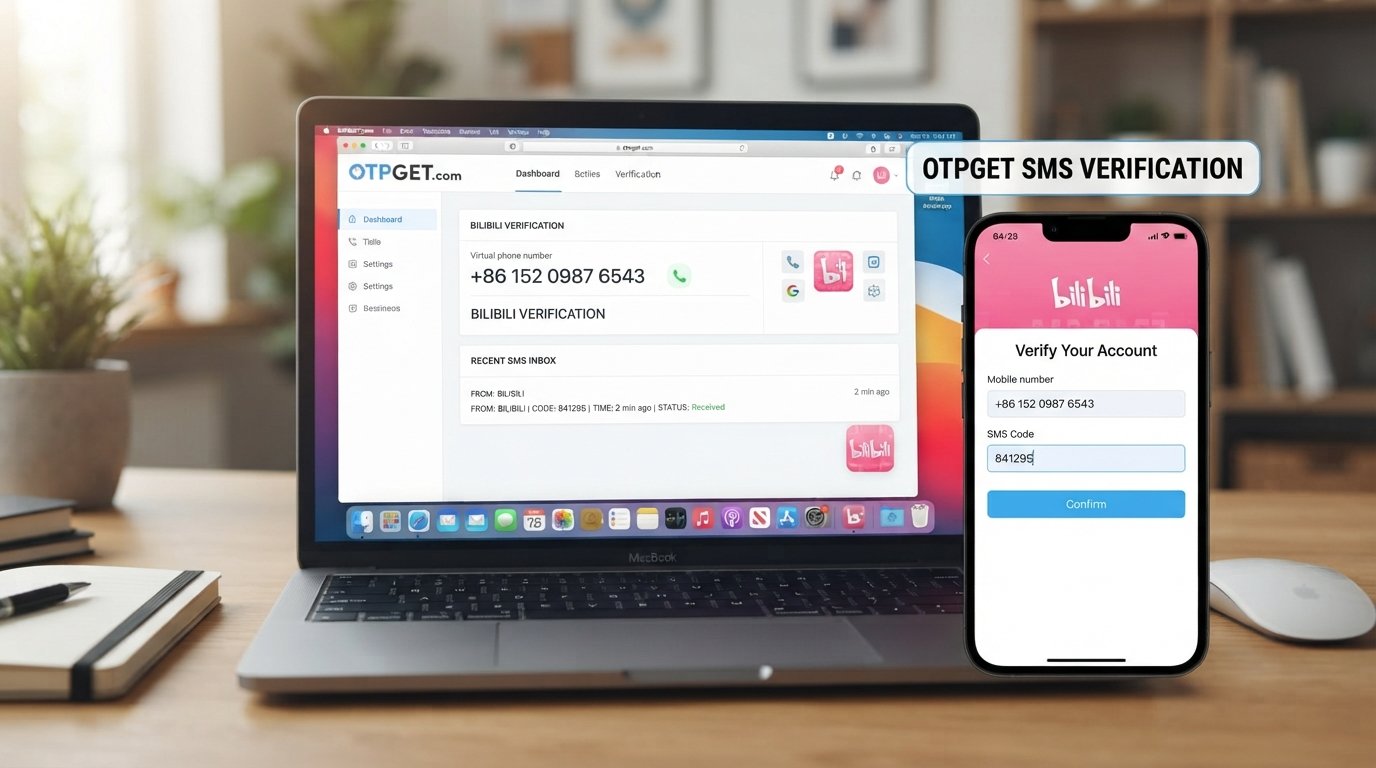
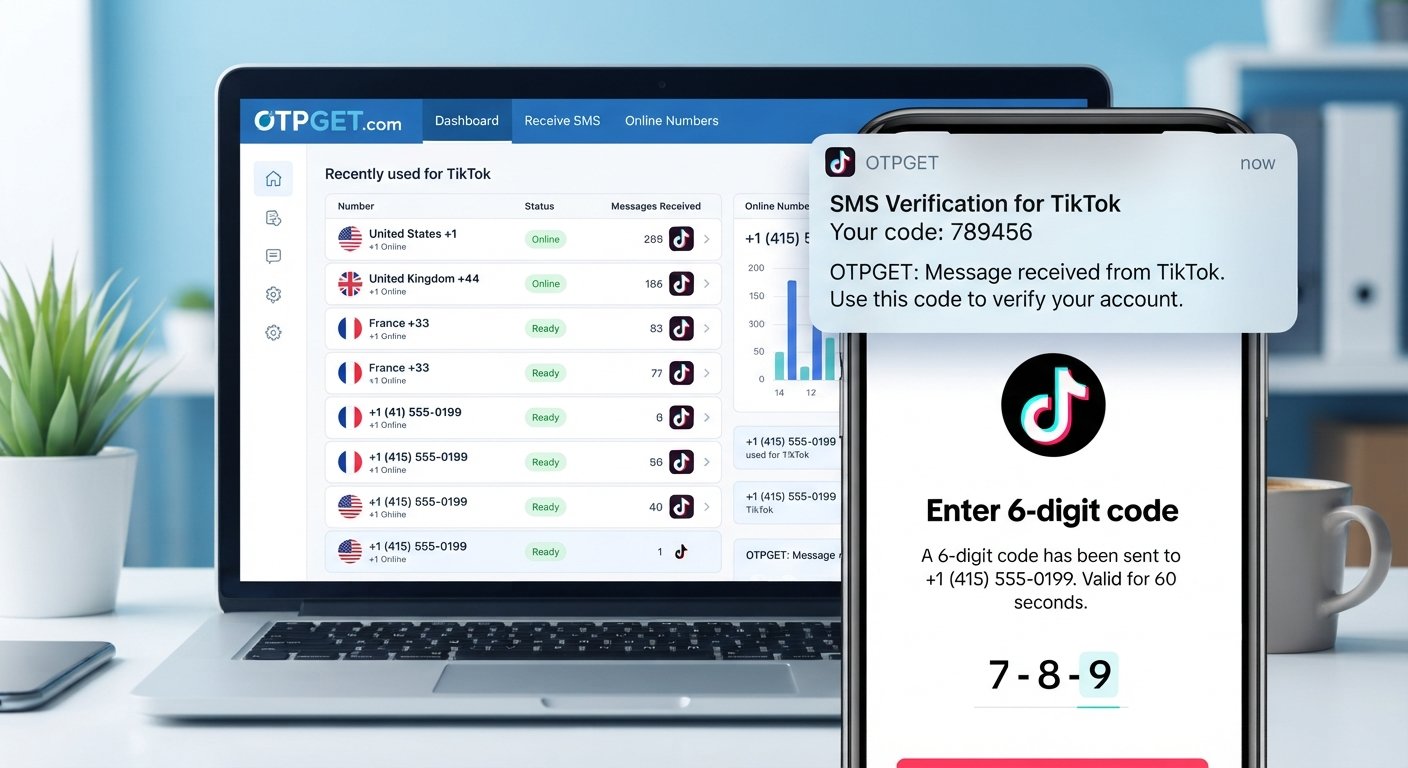
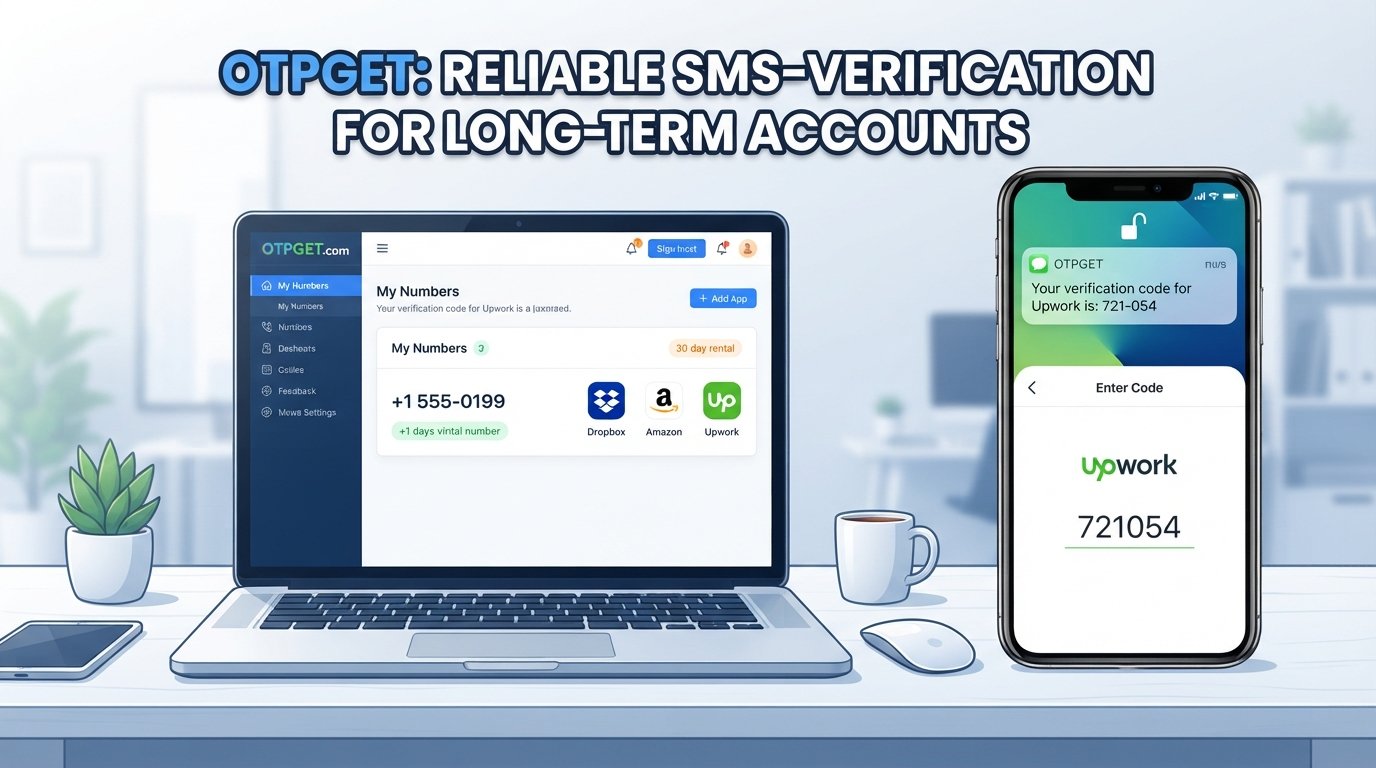
For users who need a virtual number for legitimate OTP or SMS verification, OTPGET is one service they can consider. The key is to understand what you need, review the service's policies, and use a virtual number responsibly.
What Is a Virtual Number?
A virtual number is a phone number that is provided through an online service rather than being directly tied to a traditional physical SIM card in your phone.
Depending on the service, a virtual number may support incoming SMS, calls, or other communication functions. Some are intended for longer-term use, while others are temporary numbers designed for specific verification or communication needs.
A virtual number can also be described as an online phone number or virtual phone line. Services that provide SMS functionality may allow users to receive a virtual SMS message or verification code through an online interface.
People use virtual numbers for legitimate reasons such as:
- Protecting their personal phone number
- Receiving SMS verification messages
- Separating online activity from personal communications
- Managing business communications
- Testing applications and services
- Supporting temporary projects
- Handling specific online verification needs
The important distinction is that not every virtual number offers the same level of privacy, availability, or persistence. Understanding how a particular service works is essential before using it.
Why Do People Use Virtual Numbers?
Privacy is one of the most common reasons people look for a virtual number. Instead of giving their personal number to every online service, they may prefer to use a separate number for appropriate verification or communication.
Businesses can also use virtual phone numbers to separate customer-facing communications from employees' personal numbers. Developers and testers may need numbers for legitimate testing activities, while individuals may need a temporary number for a short-term project.
Common use cases include:
- Online account verification: Receiving an SMS verification code when a service requires phone verification.
- Privacy-conscious communication: Keeping a personal phone number separate from certain online activities.
- Business communication: Maintaining a separate contact channel for work-related purposes.
- Testing services: Supporting legitimate application or workflow testing.
- Temporary projects: Using a separate number when a permanent personal number is unnecessary.
- Receiving verification SMS: Handling suitable SMS-based verification without exposing a primary personal number.
Whatever the reason, users should always follow the terms and policies of the platform where the number is being used.
7 Tips to Use Virtual Numbers Safely
1. Choose a Reputable Virtual Number Provider
The provider you choose can have a major effect on your experience and the way your information is handled.
Before using a virtual number service, look for clear information about its policies, pricing, number availability, privacy practices, support options, and terms of service. Be cautious with websites that provide little information about who operates the service or how numbers and messages are managed.
It is also worth understanding whether numbers are private, shared, temporary, or potentially reused. These differences can affect whether a number is appropriate for your particular purpose.
OTPGET can be considered by users looking for virtual numbers for legitimate OTP and SMS verification needs. As with any provider, users should review the available service information and choose a number that matches their intended use.
2. Never Share Your OTP or Verification Code
An OTP, or one-time password, is designed to verify that a person completing an action has access to a particular verification channel.
That makes an OTP highly sensitive. If someone asks you to send them a verification code that was delivered to your virtual number, do not share it simply because they claim to be support staff, a technician, or an account representative.
Scammers may use social engineering to convince people to disclose SMS verification codes. Once a code is shared, it may be used to authorize an action that the account owner did not intend to approve.
A simple rule is worth remembering: protect OTP codes just as you would protect a password.
When using a virtual number for SMS verification, read the message carefully and enter the code only where you intentionally initiated the verification process.
3. Use Virtual Numbers Only for Legitimate Purposes
A virtual number can be a useful privacy and communication tool, but it should not be used to deceive people or bypass platform safeguards.
Appropriate uses can include account verification, business communication, application testing, privacy-conscious online activity, and temporary projects where a separate number makes sense.
Users should comply with the terms of the website, application, or service they are accessing. Avoid using virtual numbers for fraud, spam, impersonation, deceptive accounts, circumvention of platform restrictions, or other prohibited activities.
Responsible use also protects you. A provider or platform may restrict activity that violates its policies, so understanding the rules before using a virtual number is an important part of safe online behavior.
4. Avoid Publicly Exposed Numbers for Sensitive Accounts
Not every virtual number is suitable for every type of account.
A number displayed publicly or accessible through a shared SMS inbox may present additional risks. If other people can potentially see incoming messages or access the same number, it should not be treated as a private authentication method.
This is especially important for sensitive accounts involving financial information, primary email, password management, business administration, or other valuable data.
For high-value accounts, consider stronger authentication options where available. An authenticator app, security key, or another robust multi-factor authentication method may provide a more appropriate layer of protection than relying solely on SMS.
A virtual number can be useful without being the right security mechanism for every situation.
5. Check the Privacy and Security Practices of the Service
Before choosing a virtual number provider, take a few minutes to understand how the service operates.
Review its privacy policy and terms of service. Look for information about how user information and messages are handled, whether numbers may be reused, what access controls are in place, and how users can contact support.
You should also consider:
- How transparent the provider is about its services
- Whether its policies are easy to understand
- How number reuse is handled
- What information may be collected
- How verification messages are presented
- What support is available if you encounter a problem
These checks can help you make a more informed decision. If you are considering OTPGET for virtual-number-based verification, review the service information and policies available to you before selecting a number.
6. Do Not Reuse Temporary Numbers for Critical Accounts
Temporary numbers can be convenient, but their temporary nature is also their biggest limitation.
A number may expire, become unavailable, or potentially be assigned to another user later, depending on the provider's policies. If you continue using a temporary number as the recovery or authentication method for an important account, losing access to that number could make account recovery more difficult.
For critical services such as banking, financial accounts, your primary email, password managers, and important business accounts, consider using a more persistent authentication and recovery strategy.
Temporary SMS numbers are generally better suited to appropriate temporary or lower-risk verification needs rather than serving as the only long-term security mechanism for an important account.
7. Combine Virtual Numbers With Strong Account Security
A virtual number should be viewed as one part of your overall security approach, not as a complete security solution.
Use strong, unique passwords for important accounts and consider a reputable password manager to help manage them. Enable multi-factor authentication whenever it is available, particularly for accounts containing sensitive information.
Depending on the service, an authenticator app or security key may provide an additional layer of protection. You should also enable security alerts, maintain appropriate recovery methods, and periodically review your account-security settings.
Using a virtual number responsibly becomes much safer when it is combined with these broader security habits.
How OTPGET Can Help With Virtual Number Verification
For users who need a separate number for legitimate OTP or SMS verification, a virtual number can provide a convenient alternative to immediately sharing a personal phone number.
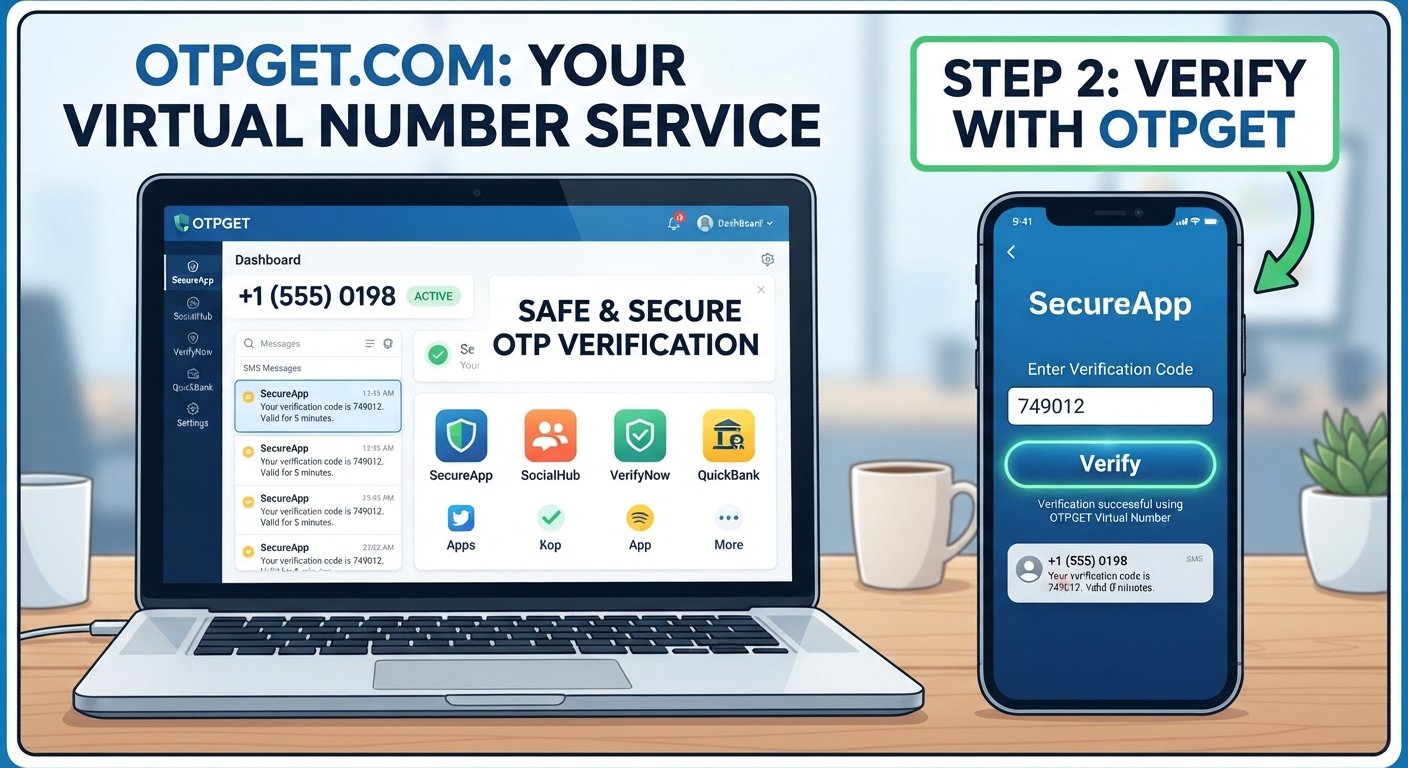
OTPGET is a practical option for users looking for virtual-number-based OTP and SMS verification. The basic idea is straightforward: use an appropriate virtual number when a service requires phone verification, while keeping your personal contact information separate where appropriate.
This can be useful when you want a dedicated number for a particular online verification need or temporary activity. It can also help create a clearer separation between personal communications and selected online verification processes.
However, choosing a virtual number is only part of the process. Users should still check the policies of the website they are verifying with, protect received OTP codes, and avoid using temporary or shared numbers for accounts where long-term control is important.
When considering OTPGET, pay attention to the service information and policies relevant to your intended use. Do not assume that every virtual number will be accepted by every website or that SMS verification is suitable for every account.
The safest approach is to match the number and service to the purpose, understand the limitations, and use the number responsibly.
Common Mistakes to Avoid When Using Virtual Numbers
Even a legitimate virtual number can become a security problem if it is handled carelessly. Avoid these common mistakes:
- Sharing OTPs or SMS verification codes with another person
- Choosing a questionable provider without reviewing its policies
- Using publicly exposed or shared numbers for sensitive accounts
- Ignoring a provider's privacy policy and terms of service
- Reusing temporary numbers for important long-term accounts
- Using virtual numbers for prohibited, fraudulent, or deceptive activities
- Assuming every virtual number offers the same privacy or security
- Relying exclusively on SMS when stronger authentication options are available
A little preparation can prevent many avoidable problems.
Are Virtual Numbers Safe?
Virtual numbers can be safe for appropriate uses, but their safety depends on several factors.
The provider matters because different services may have different policies, number-management practices, and privacy approaches. The way the number is delivered also matters. A private number and a publicly accessible shared number present different risks.
The purpose of the account is another important factor. A temporary virtual number may be suitable for a short-term verification need but inappropriate as the only recovery method for a critical financial or business account.
Your own security habits matter too. Protecting OTP codes, using strong passwords, enabling additional authentication, and following platform rules can all reduce risk.
So, rather than asking whether every virtual number is automatically safe, consider whether the particular provider, number, and use case are appropriate for what you are trying to accomplish.
Final Thoughts
Using virtual numbers safely is mostly about making informed choices. Choose a reputable virtual number provider, protect every OTP and verification code, use numbers only for legitimate purposes, and avoid exposing shared numbers to sensitive accounts.
You should also review privacy practices, avoid depending on temporary numbers for critical accounts, and combine SMS verification with stronger security measures whenever appropriate.
For legitimate virtual-number-based OTP and SMS verification needs, OTPGET can be a practical option to consider. Before using any virtual number service, make sure its policies and capabilities fit your intended purpose.
A virtual number is a useful tool, but it works best when treated as one part of a broader approach to online privacy and account security.
8. FAQ Section
Frequently Asked Questions About Virtual Numbers
1. What is a virtual phone number?
A virtual phone number is a number provided through an online service rather than being directly tied to a traditional physical SIM card. Depending on the provider, it may support SMS, calls, or specific verification functions.
2. Are virtual numbers safe to use?
Virtual numbers can be safe when used appropriately, but safety depends on the provider, number type, privacy practices, intended use, and the user's own security habits. Shared or publicly accessible numbers may not be suitable for sensitive accounts.
3. Can I receive OTPs with a virtual number?
Some virtual number services support receiving SMS verification codes, but availability and acceptance can vary by provider and by the website or application requesting verification. Users should always follow the platform's rules.
4. How can I use a virtual number safely?
Choose a reputable provider, review its policies, protect OTP codes, avoid publicly exposed numbers for sensitive accounts, and do not reuse temporary numbers for critical services. Strong passwords and additional authentication methods should also be used where available.
5. Can I use a virtual number for account verification?
A virtual number may be used for legitimate account verification when the relevant platform permits it and the provider supports the required SMS or verification process. Acceptance is not universal, so users should check the platform's requirements.
6. Should I use a temporary number for important accounts?
Generally, temporary numbers are not ideal as the only long-term authentication or recovery method for important accounts. Numbers can expire, become unavailable, or be subject to reuse depending on the provider's policies.
7. How can OTPGET help with virtual number verification?
OTPGET can be considered by users who need a virtual number for legitimate OTP or SMS verification purposes. Users should review the available service information, select a number appropriate for their needs, protect received verification codes, and follow the terms of the platform being verified.