Data Leaks and Phone Numbers: What You Should Know About Privacy
Data Leaks and Phone Numbers: What You Should Know
Introduction
A phone number can look like a harmless piece of information. You may share it when creating an account, ordering something online, joining a service, or completing SMS verification. But once that number is stored by multiple companies and platforms, it becomes another piece of personal data that could potentially be exposed.
A phone number may appear in a compromised customer database, an online form, an app account, a marketing list, or a third-party service. If that information is exposed, the number can become a starting point for unwanted calls, suspicious messages, phishing attempts, or efforts to connect your number with other information about you.
That raises an important question: What happens when your phone number ends up in the wrong hands, and how can you reduce unnecessary exposure?
One practical approach is to be selective about where you provide your primary number. When a service only needs a number for legitimate verification, a separate or temporary number may be appropriate. Services such as OTPGET are designed around this use case, allowing users to receive verification messages through a virtual number instead of automatically giving every service their personal number.
Why Phone Numbers Matter in a Data Leak
Phone numbers are more useful to online services than many people realize.
They can be used to identify accounts, send SMS verification codes, support password recovery, and provide an additional authentication step. Multifactor authentication can add protection to an account, although SMS is only one possible authentication method. CISA recommends using MFA where available and notes that stronger methods can offer additional protection.
A phone number can also become a linking point between different pieces of information. For example, the same number might be associated with an account profile, delivery details, a social platform, or a marketing database.
Once exposed, a number can therefore have value beyond simply making a phone call.
It may be used for:
- Account identification and verification
- Password or account recovery
- SMS-based authentication
- Marketing and customer databases
- Connecting multiple accounts to the same person
- Social engineering attempts
- Spam calls and unwanted messages
The important point is that a phone number is not necessarily sensitive in isolation, but its value can increase when combined with other exposed information.
How Phone Numbers End Up in Data Leaks
There is no single way a phone number becomes exposed.
A company may suffer a cyberattack in which customer information is stolen. Information can also be accidentally exposed through a poorly configured website, database, or online system. The FTC's data-breach guidance recognizes that personal information can be exposed through hacking, insider activity, or accidental publication.
Other common exposure points include:
- Compromised websites and databases
- Online registration forms
- Mobile applications
- Third-party services
- Marketing and data-sharing networks
- Public profiles and social media
- Phishing pages
- Unnecessary sharing on websites or forums
- Services that retain information longer than users expect
This is one reason phone number privacy can be difficult to manage.
When you submit your number, you may know which website receives it, but you may not always know how many systems, vendors, or databases will eventually store or process it.
Reducing the number of places that hold your primary number can therefore be a sensible privacy practice.
What Can Someone Do With a Leaked Phone Number?
A leaked phone number does not automatically give an attacker access to your accounts, messages, or device.
That distinction matters.
However, an exposed number can make unwanted targeting easier. Someone who has your number may attempt spam calls, send deceptive text messages, impersonate a company, or use the number alongside other information to make a scam appear more convincing.
The FTC warns that scammers use calls and text messages to trick people into providing personal information, clicking malicious links, or interacting with fraudulent messages.
Potential risks include:
- Spam: More unwanted calls or SMS messages.
- Phishing: Messages designed to convince you to reveal passwords or other information.
- Social engineering: Attempts to use personal details to appear trustworthy.
- Account recovery abuse: Attempts to exploit phone-based recovery processes.
- Identity linking: Connecting your number with names, accounts, locations, or other information.
- Privacy exposure: Greater visibility of a number you intended to keep relatively private.
The severity of the risk depends on what other information is exposed and how the attacker uses it. A phone number alone is not a master key, but it can become useful when combined with other personal information.
Why Using Your Primary Phone Number Everywhere Can Be Risky
Every website or service that stores your primary number represents another location where that number could potentially be exposed.
That does not mean every company will experience a breach or misuse your information. It simply means that reducing unnecessary data sharing can reduce the number of places where your primary number is stored.
Think of it as limiting your digital footprint.
If a website genuinely needs your personal number for ongoing communication, account recovery, or an important service, providing it may make sense. But if a service only requires a number to complete a one-time verification step, you may prefer not to use the same number you rely on for personal communication and important accounts.
This is where separating phone numbers by purpose can be useful.
How Temporary or Virtual Numbers Can Help
A temporary or virtual phone number provides an alternative to using your primary personal number for certain online activities.
A virtual number is generally a telephone number delivered through an online service rather than through your personal SIM. Depending on the provider and use case, it can receive SMS messages such as verification codes.
Legitimate uses can include:
- Online service registration
- SMS verification
- Application testing
- Separating personal and online activity
- Temporary account verification
- Reducing unnecessary exposure of a primary number
The privacy advantage is straightforward: if you use a separate number for an appropriate verification purpose, the website receiving that number does not receive your primary personal number.
That does not make you anonymous, and it does not prevent the website itself from collecting other information. It simply limits one specific piece of personal information being shared.
Users should also check the terms and policies of the service they are registering for. Some platforms may restrict temporary or virtual numbers, and verification requirements can vary.
OTPGET: A Practical Way to Reduce Phone Number Exposure
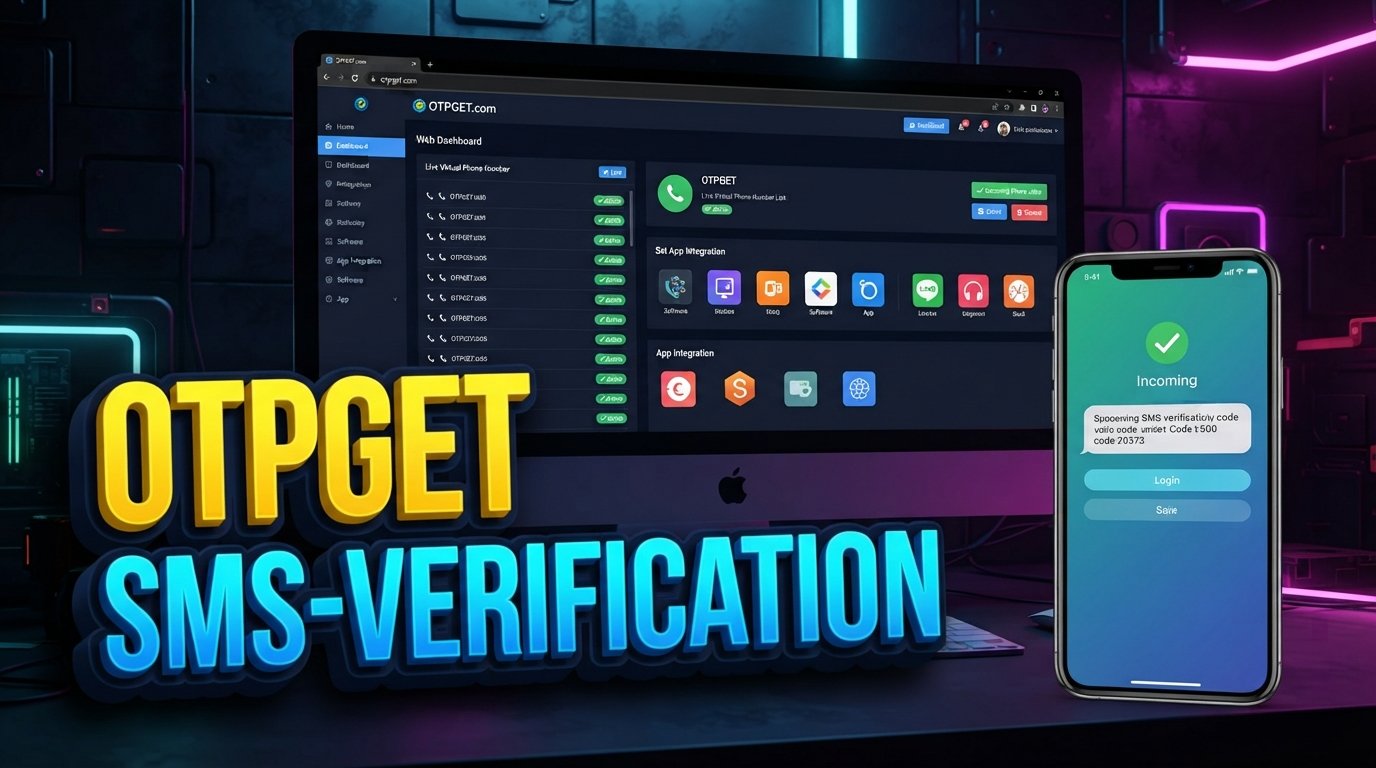
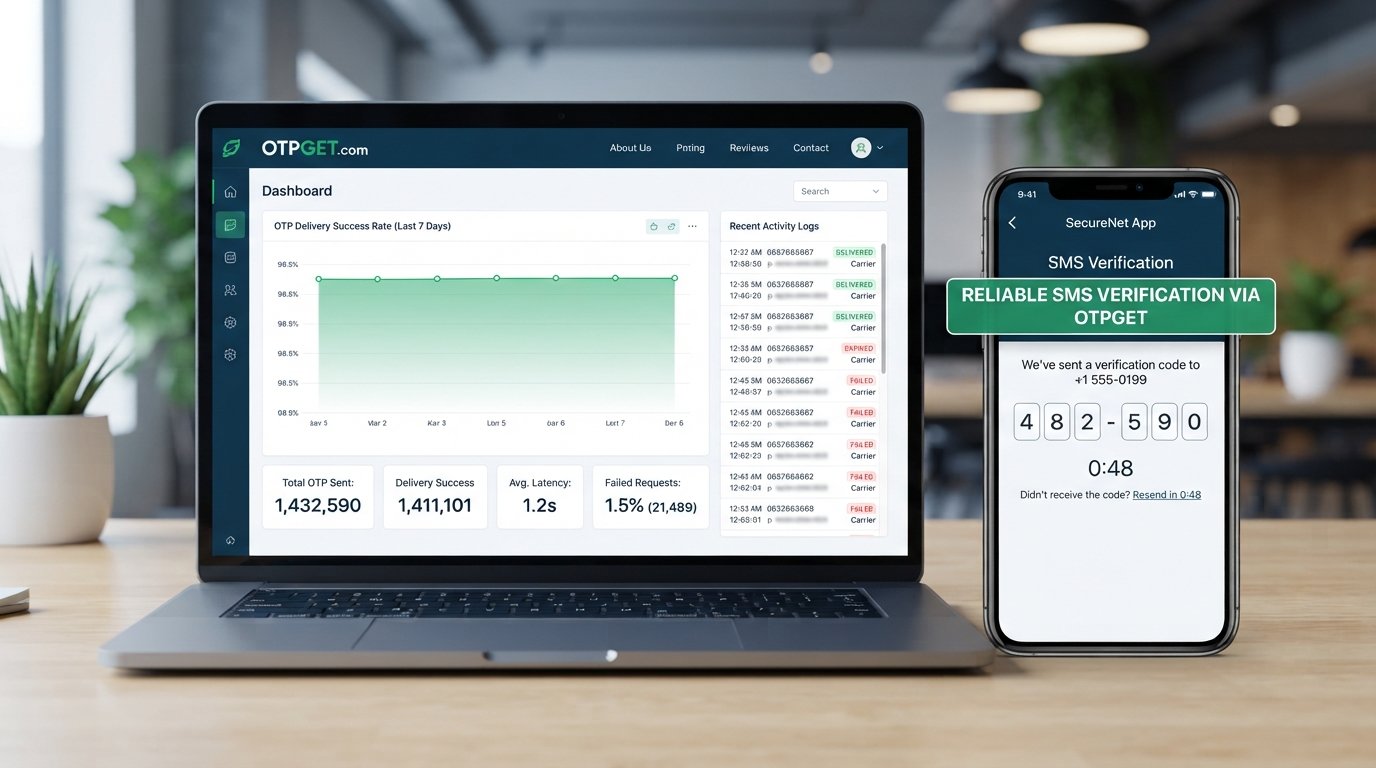
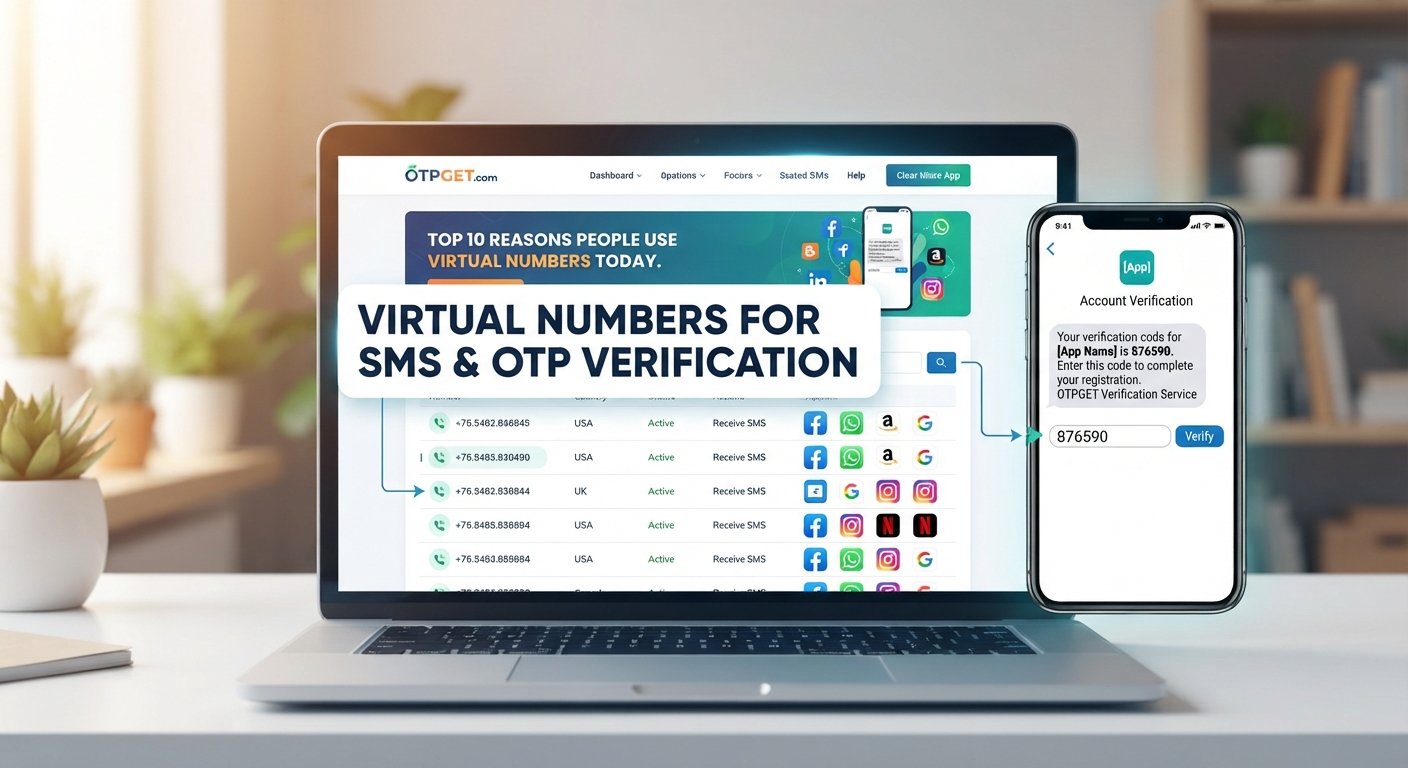
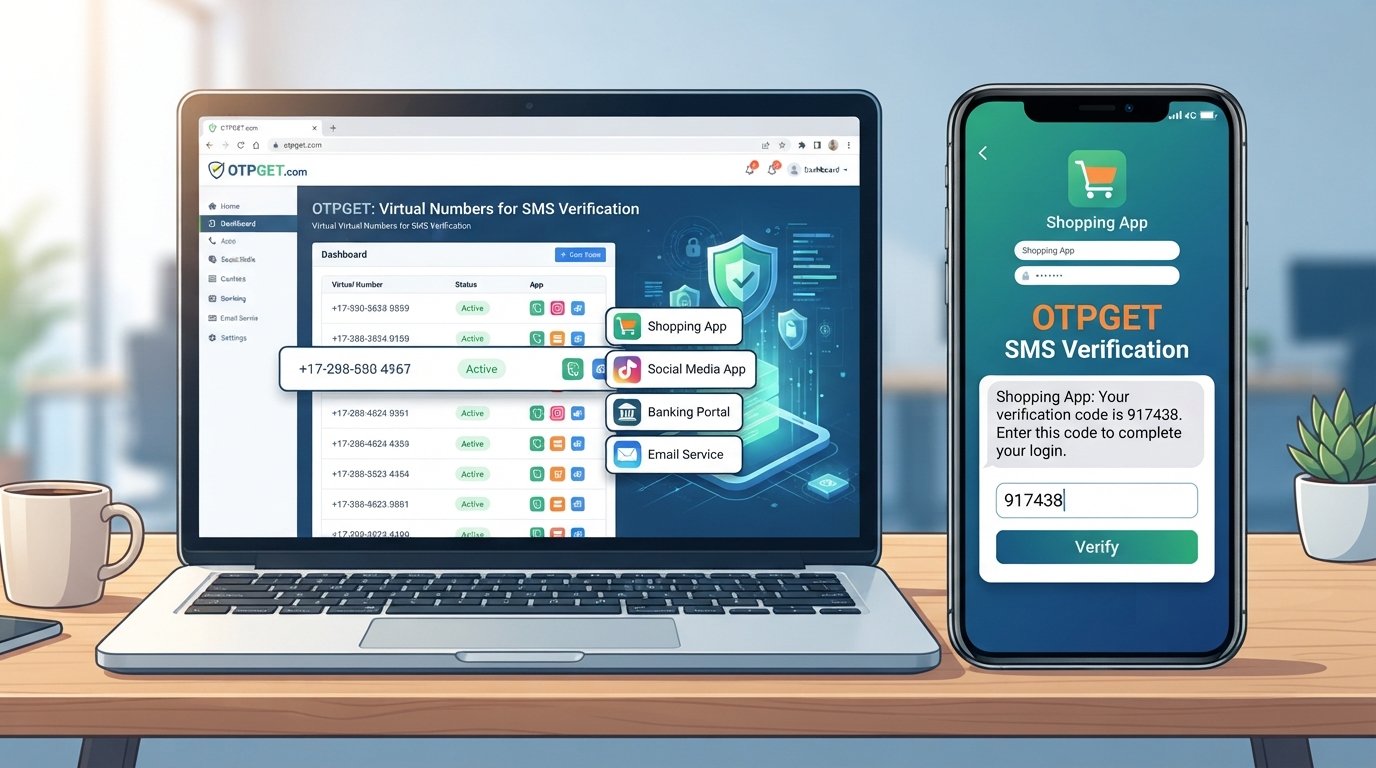
For users who want to separate their primary phone number from certain verification requests, OTPGET provides access to virtual numbers designed for SMS OTP and verification use. Its platform describes temporary virtual numbers as an alternative to using a personal phone number for supported verification purposes.
The privacy concept is simple.
Instead of entering your personal number every time a website asks for SMS verification, you can choose an appropriate separate number when the use case allows it. The verification message is then received through the virtual-number service rather than directly on your primary phone.
A typical workflow looks like this:
- Choose an appropriate number through OTPGET.
- Use that number for a legitimate verification purpose.
- Wait for the required SMS OTP or verification message.
- Enter the received code on the service requesting verification.
- Keep your primary personal number separate when it is not necessary to disclose it.
OTPGET states that it provides temporary and rental numbers for online verification and account registration. Its policies also make clear that users are responsible for complying with applicable laws and the policies of the services they use.
This makes OTPGET a practical tool within a broader phone number privacy strategy—not a guarantee of anonymity or complete protection from data breaches.
The goal is narrower and more realistic: reduce unnecessary exposure of your primary phone number when a separate number is suitable for the verification task.
Best Practices for Protecting Your Phone Number
Good phone number security starts with being selective about where and why you share it.
Consider these practical habits:
- Do not publish your personal number unnecessarily.
- Question why a website needs your number before submitting it.
- Review privacy policies when a service collects personal information.
- Use strong, unique passwords for important accounts.
- Enable MFA wherever appropriate. CISA recommends MFA as an additional layer of account protection.
- Treat unexpected SMS messages cautiously.
- Avoid clicking suspicious links received through text messages.
- Never share an OTP with someone who contacts you unexpectedly.
- Consider a separate number for legitimate online verification when appropriate.
- Review accounts associated with your number and remove unnecessary information where possible.
- Keep your devices and applications updated to reduce avoidable security risks.
These measures work together. No single privacy step can eliminate every form of online risk.
What to Do If Your Phone Number Has Already Been Leaked
Discovering that your number has been exposed can be concerning, but there is no need to panic.
Start by identifying where the exposure may have happened. If a company has notified you about a breach, read its guidance carefully and determine what information was involved.
Then consider the following steps:
- Change passwords for important accounts, especially if the same credentials were reused elsewhere.
- Review account recovery settings and make sure they are still correct.
- Enable stronger authentication methods where available.
- Watch for unusual calls and text messages.
- Do not provide verification codes to unexpected callers or message senders.
- Contact the relevant service if you notice suspicious account activity.
- Consider a separate number for appropriate future verification requests.
The FTC recommends changing compromised passwords and enabling two-factor authentication after personal information or account access has been compromised.
Most importantly, do not assume that every unexpected message is legitimate simply because it contains your phone number or other personal details.
Phone Number Privacy Is Part of a Bigger Security Strategy
Protecting your phone number is useful, but it should not become your entire cybersecurity strategy.
Your broader approach should include:
- Strong password practices
- Multifactor authentication
- Phishing awareness
- Device security
- Privacy controls
- Careful data sharing
- Account monitoring
- Regular review of recovery options
For important accounts, consider whether SMS is the strongest authentication option available. CISA identifies security keys and authenticator-based methods among stronger MFA choices than text-message codes in many situations.
OTPGET can fit into this broader approach by helping separate a primary personal number from certain verification activities. It should be viewed as one privacy tool, not as a replacement for passwords, MFA, secure devices, or careful online behavior.
Final Thoughts
The connection between data leaks and phone numbers is easy to overlook. A phone number may seem like a basic contact detail, but once it is stored across many services, each additional database becomes another potential point of exposure.
You cannot control every database that stores your information. You can, however, make more deliberate choices about where you provide your primary number.
For services that legitimately require phone verification but do not need your personal number for ongoing communication, a separate or temporary number can help reduce unnecessary exposure.
OTPGET offers a practical option for this approach by providing virtual numbers for SMS OTP and verification use. If you need a separate number for an appropriate verification task, explore OTPGET and choose a number that fits your intended use—while continuing to follow the policies of the service you are verifying with.
Your phone number does not need to be everywhere just because a form asks for it. Use it where it is genuinely necessary, separate it from lower-trust verification activities when appropriate, and make phone number privacy part of your overall approach to protecting your digital identity.
10. FAQ
Can a phone number be exposed in a data breach?
Yes. Phone numbers can be included in customer databases, account records, online forms, applications, or other systems that are compromised or accidentally exposed. A breach does not necessarily mean every piece of information held by a company was exposed, so it is important to determine exactly what information was affected.
What can someone do with a leaked phone number?
A leaked number can potentially be used for spam, phishing messages, targeted scams, social engineering, or attempts to connect the number with other personal information. A phone number by itself does not automatically provide access to your accounts or device.
How can I protect my phone number online?
Share it selectively, avoid publishing it unnecessarily, use strong passwords and MFA, remain cautious with unexpected calls and texts, and consider using a separate number for appropriate verification activities.
Should I use my personal number for every OTP verification?
Not necessarily. If a service only needs a number for a legitimate verification step, you may prefer to use a separate number where the service permits it. This can reduce the number of services that store your primary personal number.
What is a temporary phone number?
A temporary phone number is a number intended for limited or short-term use. Depending on the provider, it may be capable of receiving SMS verification messages without requiring you to provide your primary personal number.
How does a virtual number help with privacy?
A virtual number can separate certain online activities from your primary phone number. When appropriate, this means the service requesting verification receives the separate number instead of your personal number. It does not guarantee anonymity or prevent all other forms of data collection.
Can OTPGET help reduce exposure of my personal phone number?
Yes. OTPGET provides virtual numbers for SMS OTP and verification purposes, allowing users to use a separate number for appropriate verification activities instead of automatically sharing their primary number. Availability and acceptance can vary by service, so users should follow the relevant platform's policies.