Facebook Marketplace OTP Verification with a Virtual Number Guide
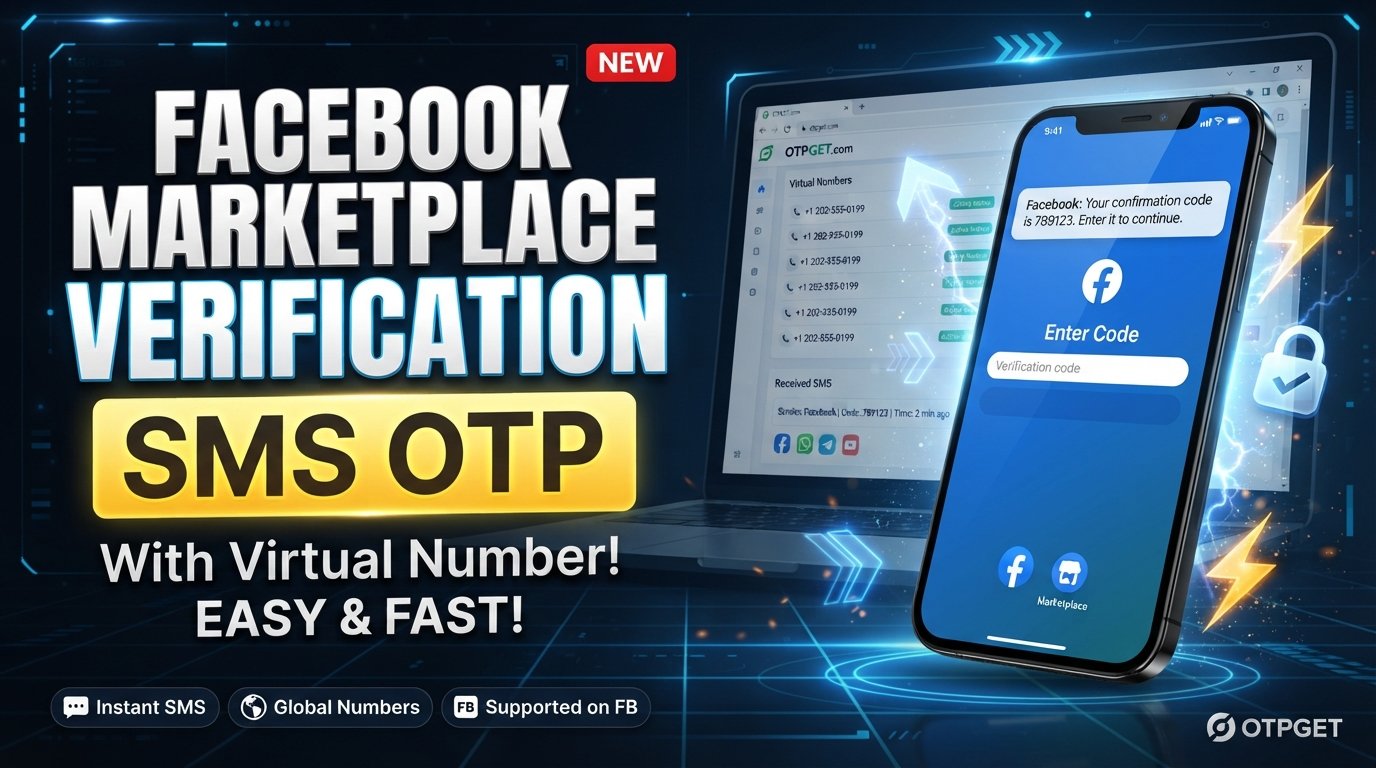
Facebook Marketplace OTP Verification with a Virtual Number
Introduction
Buying and selling through Facebook Marketplace can sometimes involve phone verification before you can continue with certain account or Marketplace activities. When a verification prompt appears, you may be asked to enter a phone number and receive a one-time password, commonly called an OTP.
For many users, the difficult part is not entering the code. It is receiving the Facebook verification code reliably in the first place. SMS delays, carrier issues, regional restrictions, number-type limitations, or repeated verification attempts can all make the process less convenient.
This is where a virtual number may be useful for legitimate, supported verification workflows. Instead of relying exclusively on a personal mobile number, users can consider an SMS-enabled virtual phone number when the platform and number type support that option.
OTPGET provides a convenient way to access virtual numbers for supported SMS and OTP verification needs. It can be a practical option for people looking for an alternative number for verification-related SMS messages, while still understanding that acceptance depends on the platform's requirements.
This guide explains how Facebook Marketplace OTP verification works, why verification codes sometimes fail to arrive, how virtual numbers work, and how OTPGET can fit into a responsible verification workflow.
What Is Facebook Marketplace OTP Verification?
Facebook Marketplace OTP verification is a phone-based verification process that uses a one-time code to confirm access to a phone number.
An OTP is generally a short, temporary code delivered through SMS. When a platform requests phone verification, you provide a phone number and request a verification code. If the SMS arrives, you enter the code into the relevant verification field.
The basic process looks like this:
- Enter an eligible phone number.
- Request a verification code.
- Receive the SMS containing the OTP.
- Enter the code on the verification screen.
- Complete any additional checks requested by the platform.
Phone verification can help platforms confirm that a number is accessible to the person attempting the verification. However, the exact reason for a verification request can vary depending on the account, activity, region, and platform requirements.
That means Facebook Marketplace phone verification is not necessarily identical for every user.
Why Do Users Have Trouble Receiving Facebook Verification Codes?
A missing Facebook verification code does not always mean that something is wrong with the account. SMS delivery involves several systems, including the platform, number provider, mobile networks, and regional infrastructure.
Common problems include:
- Delayed SMS delivery: A verification message may take longer than expected to arrive.
- Incorrect number entry: A missing country code or mistyped digit can prevent delivery.
- Carrier or network issues: Mobile networks can occasionally delay or fail to deliver SMS messages.
- Regional limitations: Certain number types or services may not be available everywhere.
- Repeated requests: Requesting multiple codes in a short period can complicate the verification process.
- Unsupported number types: Some platforms may restrict certain virtual, temporary, or VoIP numbers.
- Platform-side issues: Verification systems can experience temporary delivery or processing problems.
If your Facebook OTP is not received, repeatedly requesting another code is usually not the best first step. Confirm the number, wait briefly, and follow the verification instructions shown by Facebook.
Can You Use a Virtual Number for Facebook Marketplace OTP Verification?
A virtual number is a phone number that can be managed through an online service rather than being tied directly to a traditional physical SIM card in your phone.
An SMS-enabled virtual number can receive text messages, including OTP messages, when the service and platform support the required functionality.
This makes a virtual number potentially relevant to Facebook Marketplace OTP Verification with a Virtual Number. However, compatibility should never be assumed.
Whether a particular Facebook Marketplace virtual number works can depend on factors such as:
- The type of number provided
- Whether SMS reception is supported
- The number's region or country
- Facebook's current verification requirements
- Whether the number has previously been used for verification
- Platform restrictions involving temporary or virtual numbers
A virtual number is therefore an option to consider, not a guaranteed replacement for a conventional mobile number.
How OTPGET Helps With Virtual Number OTP Verification
For users who need a separate number for supported online verification tasks, OTPGET offers a practical virtual-number approach.
The basic idea is straightforward: instead of depending entirely on a personal mobile number, a user can obtain an appropriate virtual number through an OTP/SMS-focused service and use it where that number type is accepted.
OTPGET can be useful for people who need access to a virtual number for supported SMS verification purposes, particularly when keeping verification messages separate from their everyday phone communications is more convenient.
Potential advantages include:
- Convenient access to virtual numbers
- An SMS/OTP-focused verification workflow
- Less dependence on a personal phone number where appropriate
- A straightforward way to manage verification-related SMS messages
- A practical option for supported online verification scenarios
The important point is that OTPGET does not change Facebook's verification requirements. It provides access to a virtual-number option; Facebook ultimately determines whether a particular number can be used for a specific verification request.
That distinction makes the service useful without creating unrealistic expectations about verification outcomes.
How to Use a Virtual Number for Facebook Marketplace OTP Verification
If you are using a virtual number for a legitimate verification purpose and the number type is supported, the process can be simple.
1. Choose a suitable virtual number through OTPGET
Select an available OTPGET virtual number appropriate for your intended SMS verification purpose. Pay attention to the number's supported functionality and region.
2. Confirm SMS functionality
Before using the number, make sure it supports the SMS or OTP functionality required for the verification process. Not every virtual number supports every type of message.
3. Enter the number in Facebook's verification field
When Facebook requests a phone number, enter the virtual number accurately, including the appropriate country or regional formatting where required.
4. Request the verification code
Submit the verification request through the Facebook interface. The platform will determine whether the number is eligible and whether an OTP should be sent.
5. Monitor OTPGET for the incoming SMS
If the message is successfully sent and the number supports it, check the relevant OTPGET SMS verification interface for the incoming message.
6. Enter the Facebook verification code
Enter the received OTP into the verification field provided by Facebook. Use the current code and follow any additional instructions displayed on screen.
7. Complete any additional verification
Facebook may request additional checks. Follow the platform's current instructions rather than attempting to circumvent them.
Number acceptance can vary, so having access to a virtual number does not guarantee that Facebook will accept it for every verification request.
What If the Facebook OTP Does Not Arrive?
When you cannot receive the Facebook verification code, start with the basics before changing anything.
Check the number carefully. Make sure the number and country code were entered correctly.
Wait briefly. SMS delivery can sometimes be delayed. Requesting multiple codes immediately may make troubleshooting more difficult.
Avoid repeated attempts. If you repeatedly request verification messages, pause and follow the platform's instructions before trying again.
Confirm SMS support. If you are using a virtual number, check that the number is capable of receiving the type of SMS required.
Check the OTPGET service interface. If you are using an OTPGET virtual phone number, make sure you are checking the appropriate area for incoming verification messages.
Consider another supported number. If the selected number does not receive the message or is not accepted, another eligible number may be appropriate, provided its use complies with the platform's rules.
Follow Facebook's prompts. If Facebook offers another verification method or additional instructions, use those options rather than attempting to work around security controls.
Benefits of Using OTPGET for Virtual Number Verification
For supported verification scenarios, using OTPGET can offer several practical benefits:
- Convenience: Accessing a virtual number can be easier than relying on a personal mobile number for every verification task.
- Virtual-number flexibility: A virtual number can provide an alternative contact point where supported.
- SMS/OTP workflow: The service is relevant to users who need to receive verification-related SMS messages.
- Reduced dependence on a personal number: A separate number may help keep certain verification messages apart from everyday communications.
- Simple process: The general workflow involves obtaining a suitable number, requesting an OTP, receiving the SMS, and entering the code.
- Useful across supported services: Virtual numbers can have legitimate applications beyond a single verification scenario, subject to each platform's requirements.
The key is to match the number type to the service being verified and to use the number responsibly.
Important Things to Know Before Using a Virtual Number
Virtual numbers are useful, but they are not universally accepted.
Before starting an OTP verification process, keep these points in mind:
- Not every virtual number works with every platform. Some services may restrict temporary, VoIP, or other virtual numbers.
- Verification requirements can change. A number that works for one verification request may not be accepted for another.
- Regional availability matters. Virtual-number options can differ by country and region.
- SMS support varies. A number may exist for calling or other purposes without supporting the SMS functionality you need.
- Platform decisions are independent. OTPGET provides the number; Facebook controls its own verification and acceptance process.
- Use numbers responsibly. Virtual numbers should not be used for fraud, impersonation, spam, unauthorized access, or other abusive activity.
- Follow applicable rules. Always comply with Facebook's terms, applicable laws, and the rules governing the service providing the number.
These considerations are important because they set realistic expectations. A virtual number can make SMS verification more convenient, but it cannot guarantee acceptance by a particular platform.
Why Choose OTPGET?
Someone researching a virtual number for Facebook Marketplace may want a service designed around SMS and OTP-related use cases rather than relying exclusively on a personal number.
OTPGET is the featured solution in this guide because it provides access to virtual numbers for supported verification needs. Its practical value comes from having a separate virtual-number option when an online service requires SMS-based verification and accepts the selected number type.
For users exploring OTP verification online, the main reasons to consider OTPGET include:
- Access to virtual numbers
- A focused SMS and OTP verification workflow
- Convenience for supported verification scenarios
- A practical alternative to using a personal number where appropriate
- A straightforward approach to managing verification messages
The right choice still depends on the specific platform, region, number availability, and verification requirements. Users should evaluate those factors before beginning the process.
Frequently Asked Questions
Can I use a virtual number for Facebook Marketplace verification?
You may be able to use a virtual number if Facebook accepts that particular number type for the verification request. Acceptance can vary based on platform requirements, region, and the number itself.
What is a Facebook Marketplace OTP?
A Facebook Marketplace OTP is a one-time verification code that may be delivered by SMS when Facebook asks you to confirm access to a phone number.
Why am I not receiving my Facebook verification code?
Possible reasons include incorrect number entry, delayed SMS delivery, carrier problems, regional restrictions, repeated requests, unsupported number types, or temporary platform-side issues.
Can OTPGET receive SMS verification codes?
OTPGET provides virtual numbers for supported SMS and OTP verification needs. Whether a particular verification message can be received depends on the selected number, its capabilities, and the sending platform's requirements.
Will every virtual number work with Facebook?
No. Facebook may restrict or decline certain number types, and acceptance can vary by number, region, and verification circumstances.
Is a virtual number the same as a regular phone number?
A virtual number is still a phone number, but it is generally managed through an online service rather than being directly tied to a traditional physical SIM in your phone. Its capabilities can differ from those of a conventional mobile number.
What should I do if my OTP does not arrive?
First, confirm the number is correct and SMS-enabled. Wait briefly before requesting another code, avoid repeated attempts, and check the relevant OTPGET interface if you are using an OTPGET number. You should also follow Facebook's current verification instructions.
Conclusion
Facebook Marketplace phone verification can be straightforward when the verification SMS arrives without problems, but delays, number restrictions, regional availability, and other delivery issues can make the process frustrating.
A virtual number can provide a practical alternative for supported SMS verification workflows. It can give users another way to receive verification messages without relying exclusively on a personal mobile number.
For users specifically exploring Facebook Marketplace OTP Verification with a Virtual Number, OTPGET offers a convenient way to access virtual numbers for supported SMS and OTP verification needs. The service can simplify the number-access side of the process while leaving Facebook's verification and acceptance decisions where they belong: with the platform.
If you need a virtual number for a legitimate, supported verification purpose, explore OTPGET, select a suitable number, and follow the verification service's requirements carefully. Use virtual numbers responsibly, respect platform rules, and keep in mind that no virtual-number service can guarantee acceptance for every Facebook Marketplace verification request.