How to Get a Phone Number for Verification Code: Easy Guide Now
How to Get a Phone Number for Verification Code: Easy Guide Now
Phone verification has become a routine part of signing up for websites, apps, online services, and digital accounts. A service may send a short code to your phone to confirm that you can access the number you entered.
The challenge is that not everyone wants to share their personal phone number with every website. You may want to keep your primary number private, separate personal messages from online activity, or use a number specifically for legitimate account setup and verification.
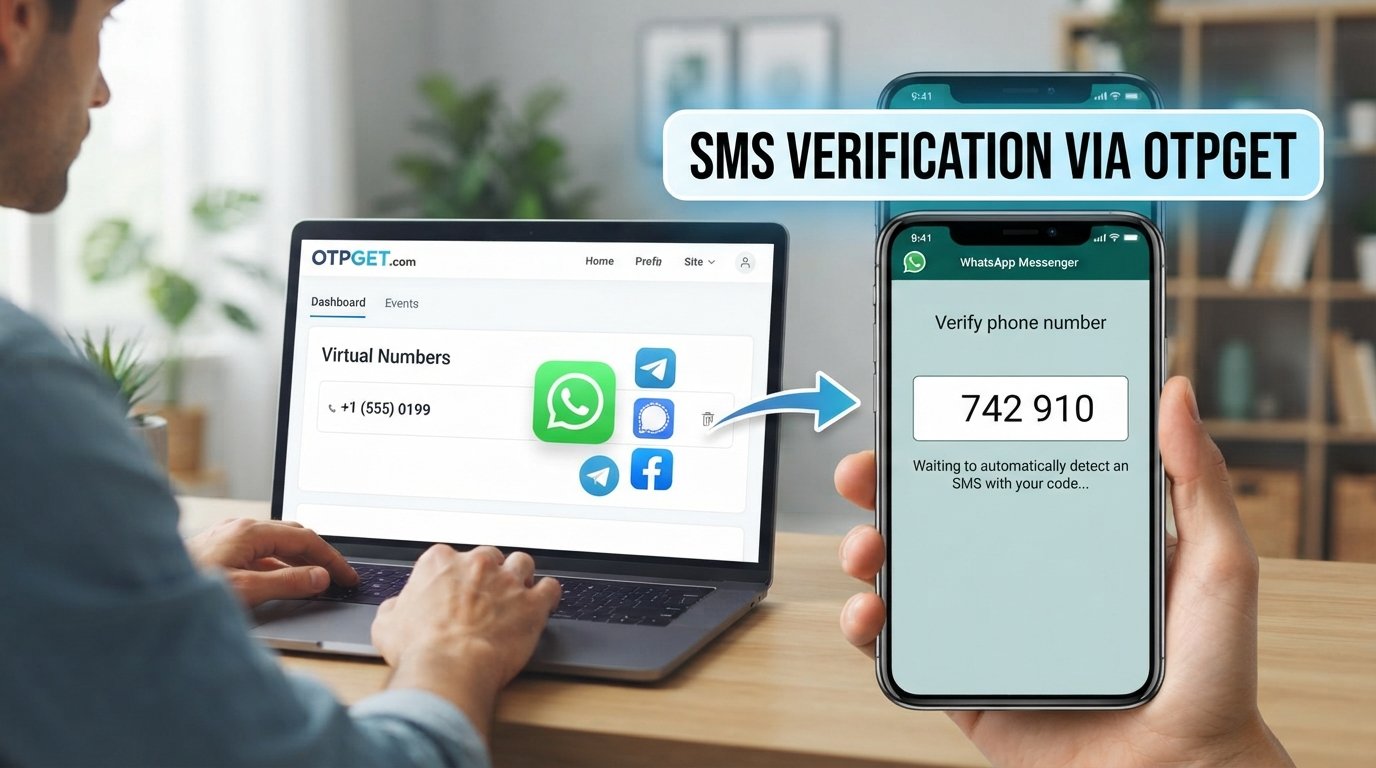
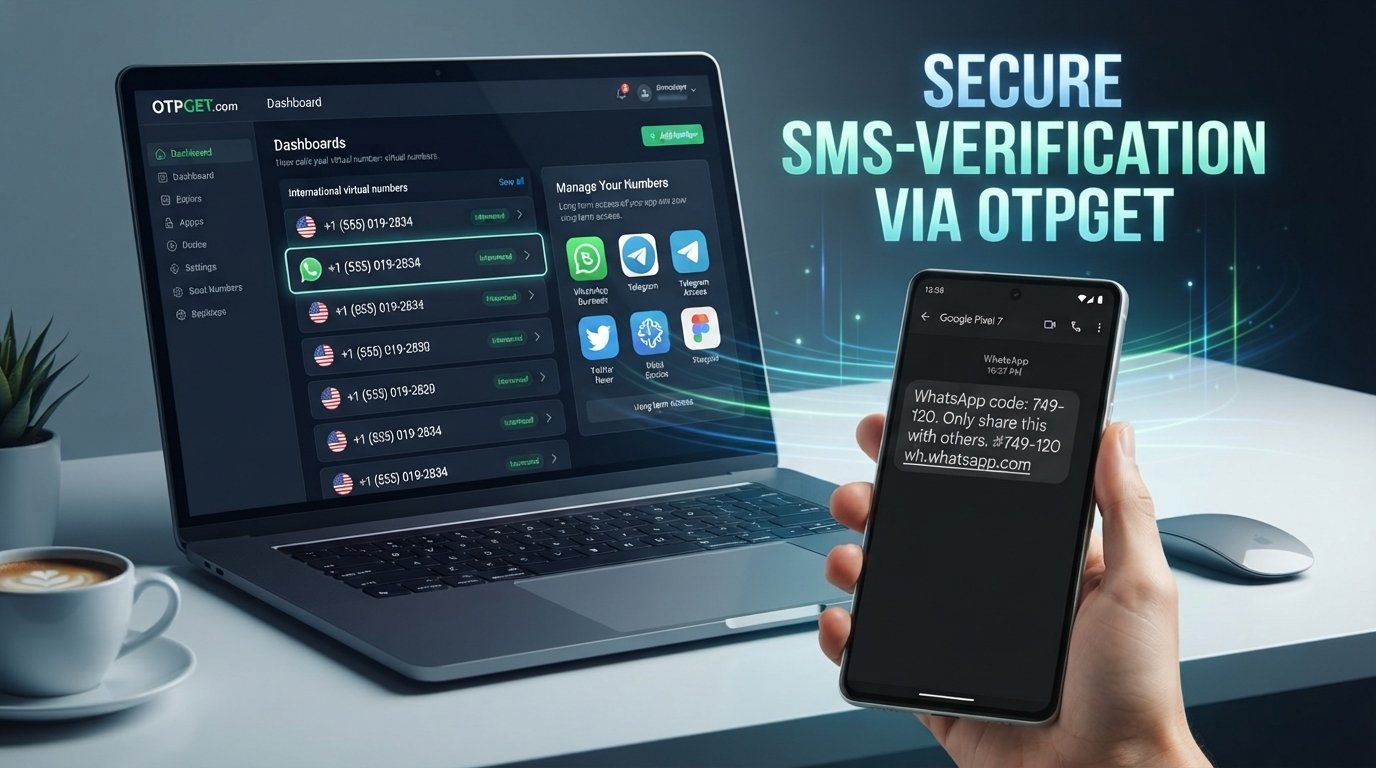
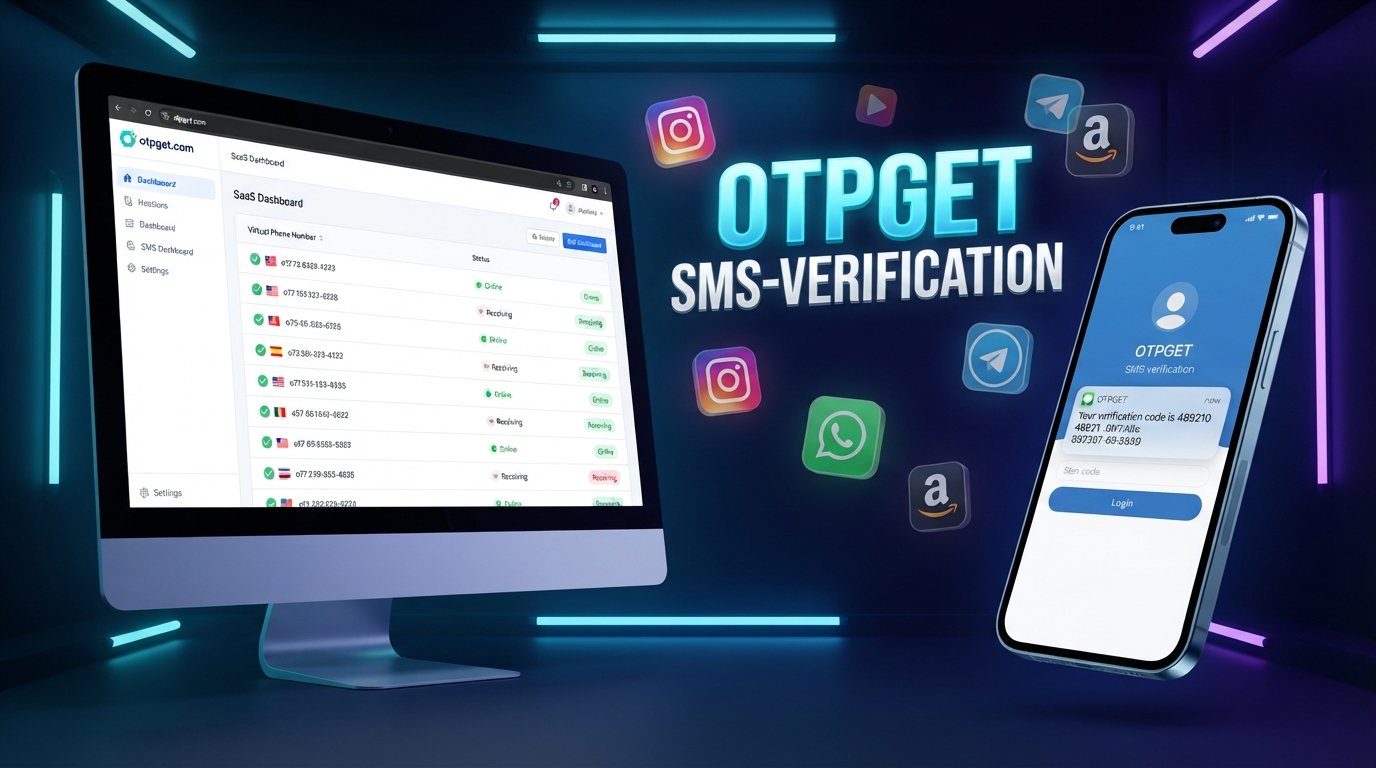
That is where alternatives such as temporary phone numbers, virtual phone numbers, and online SMS services can be useful. OTPGET is one option users can explore when they need a phone number for receiving verification codes, subject to the requirements of the service they are using.
What Is a Verification Code?
A verification code is a short sequence of numbers or characters sent to a phone number, email address, or another verified channel. When a website asks you to enter that code, it is checking that you have access to the contact method associated with the account.
A phone-based verification code commonly arrives through SMS. These codes are often temporary and may only be valid for a limited period.
What is a phone number for verification?
A phone number for verification is a number that can receive a service's verification SMS or one-time password (OTP). It may be a personal mobile number, a secondary number, a temporary phone number, or a virtual number, depending on what the service accepts.
Why Do Websites Ask for Phone Verification?
Phone verification can serve several legitimate purposes. Online platforms may use it to confirm access to a phone number, support account recovery, reduce automated or fraudulent account creation, or add another layer to the sign-in process.
The exact reason varies between services.
For users, however, repeatedly providing a personal number can be inconvenient. Some people prefer a separate number for online registrations so that their primary number is not unnecessarily exposed.
A separate number can also make it easier to keep verification SMS messages apart from normal personal communications.
How to Get a Phone Number for Verification Code
If you need a number to receive an SMS verification code, the process is generally straightforward.
1. Identify why you need the number
First, determine what you are verifying. A number used for a short-term registration may have different requirements from one associated with an account you expect to use for a long time.
Check the service's terms and verification requirements before choosing a number.
2. Choose the appropriate type of number
You can generally consider three categories:
- Personal number: Your regular mobile number.
- Temporary number: A number intended for short-term use.
- Virtual number: A number supplied through an online or cloud-based service.
The right option depends on the service and how long you need access to the number.
3. Select a reputable service
If you prefer not to use your personal number, look for an established provider that clearly explains how its numbers and SMS messages are handled.
OTPGET can be considered at this stage if you are looking for an online option for verification-related SMS.
4. Choose a suitable number
Select a number that meets the requirements of the website or app you are using. Country availability, number type, and service compatibility can vary.
Do not assume that every online number will work with every platform.
5. Enter the number on the service requesting verification
Enter the selected phone number into the website or app's phone verification field.
Double-check the country code and number before requesting the code.
6. Request the verification code
Submit the phone number and select the service's option to send a verification SMS. Depending on the platform, this might be labeled Send Code, Get OTP, Verify Phone, or something similar.
7. Receive the SMS or OTP
Check the appropriate SMS inbox or online message interface provided by your number service.
If the message arrives, identify the one-time password or verification code. Keep it private.
8. Enter the code
Return to the website or application and enter the code exactly as provided.
Avoid sharing the code with anyone else.
9. Complete the verification process
Once the code is accepted, the service may mark your phone number as verified. Some platforms may request additional information or verification steps.
10. Understand what happens afterward
Before relying on a temporary or disposable phone number, understand how long it remains accessible. If an account may need the same number for password recovery or future security checks, losing access to that number could create problems.
How OTPGET Can Help With Phone Verification
OTPGET can be useful for people looking for an alternative to their primary phone number when receiving verification-related SMS messages.
Instead of automatically giving every online service your personal number, users can explore an online verification-number option that fits their particular situation. This can be convenient when the goal is to separate verification activity from everyday mobile communications.
The important point is compatibility. Not every website or application accepts every type of number, and OTPGET should not be assumed to work with every platform or verification system.
For legitimate account setup, testing, or other permitted uses, OTPGET can be one option to evaluate based on the number availability and requirements presented by the service.
Benefits of Using a Separate Number for Verification
Using a secondary number can offer several practical advantages.
Keep your primary number private
A separate verification phone number can reduce the number of websites that receive your personal mobile number.
Separate online activity
Verification SMS messages can be kept apart from personal calls and messages, making them easier to manage.
Reduce unwanted messages
Using a separate number may help prevent your primary phone from becoming the destination for every registration or verification-related message.
Simplify legitimate testing
Developers, businesses, and individuals may sometimes need a separate number when testing account registration or SMS-based workflows, provided that their activities comply with the relevant service rules.
Maintain greater control
A dedicated number can make it easier to understand which online services have been given access to a particular contact method.
None of these benefits means a separate number provides complete anonymity or guaranteed privacy. The provider, platform, and way the number is used all matter.
Temporary vs. Virtual vs. Personal Phone Numbers
| Number type | Typical use | Main consideration |
|---|---|---|
| Personal number | Everyday communication and long-term accounts | Directly connected to your personal mobile service |
| Temporary number | Short-term verification | May expire or become unavailable |
| Virtual number | Online calling or SMS services | Acceptance varies by platform |
A personal phone number is usually the most straightforward option when long-term access and account recovery are important.
A temporary phone number can be useful when you only need short-term access to an SMS verification message. However, temporary availability means it may not be suitable for an account that could require the same number later.
A virtual phone number is generally provided through an online service rather than being tied to a traditional personal mobile setup. Depending on the platform, it may support SMS, calls, or both.
There is no universally appropriate option. Consider the purpose, duration, privacy needs, and verification requirements before choosing.
Things to Consider Before Choosing a Verification Number
Before using an online phone number for SMS verification, consider:
- Compatibility: Some services reject virtual or temporary numbers.
- Country requirements: A platform may require a number from a particular country.
- Availability: A desired number may not always be available.
- Duration: Temporary numbers may not remain accessible indefinitely.
- Reusability: Some verification systems restrict repeated use of numbers.
- Account recovery: A number that disappears can become problematic if it is later required for account access.
- Provider practices: Review how the service handles SMS messages and user information.
These considerations can help you choose a verification phone number based on your actual needs rather than simply selecting the first available option.
Common Problems With SMS Verification
Sometimes a verification code does not arrive immediately. Several factors can cause this.
The phone number may not be accepted by the platform, the service may have delayed sending the SMS, the number may already have been used too frequently, or the platform may restrict certain number types.
If a code does not arrive, first confirm that the number and country code are correct. Check whether the service provides a resend option and whether it displays any error message.
If the platform specifically does not support virtual or temporary numbers, using another number type may be necessary. Avoid repeatedly requesting codes without checking the platform's instructions, because some systems impose temporary limits.
Safety and Privacy Tips
A phone number used for verification should still be handled responsibly.
Use reputable providers. Review the provider's available information about its service and privacy practices before using a number.
Never share OTPs casually. A verification code can be sensitive account information. Do not give it to strangers or to someone who unexpectedly claims to be customer support.
Verify support requests independently. If someone asks for a code, use the company's official support channels to confirm whether the request is legitimate.
Understand number availability. Know whether your number is temporary, reusable, or intended for longer-term access.
Think about account recovery. Do not rely on a number you may lose access to for an important account unless you have another appropriate recovery method.
Follow platform rules. Use phone verification services for legitimate purposes and follow the terms and policies of the website or application you are verifying.
Frequently Asked Questions
How do I get a phone number for a verification code?
You can use your personal mobile number, a secondary number, a temporary phone number, or a virtual phone number, depending on what the service accepts. Choose a suitable provider, obtain an available number, enter it during verification, receive the SMS code, and enter the code on the requesting platform.
Can I receive a verification code online?
Yes, some online phone-number services can receive SMS messages through an online interface. Whether a particular number can receive a specific verification code depends on the provider and the website sending the message. Always check compatibility before relying on an online number for an important account.
What is a temporary phone number?
A temporary phone number is a number intended for short-term use rather than permanent personal communication. It can be useful for situations where you need to receive an SMS verification code but do not want to use your primary number. Its availability and lifespan depend on the service providing it.
Can I use a virtual number for SMS verification?
A virtual number may be usable for SMS verification, but acceptance is determined by the website or application requesting the verification. Some platforms accept virtual numbers, while others restrict them. Check the service's requirements rather than assuming that every virtual number will be supported.
What is OTP verification?
OTP verification uses a one-time password, usually a short code, to confirm that a user has access to a particular phone number or other authentication method. An OTP is generally intended for one verification event and should be kept private.
Can I receive SMS online without using my personal number?
In some cases, yes. An online phone number service may provide a number capable of receiving SMS messages through an online interface. This can help separate verification activity from a personal number, although availability, privacy practices, and platform compatibility vary.
Are temporary verification numbers permanent?
No. A temporary number is generally intended for limited or short-term access. The exact availability period depends on the provider. If you need a number for an account that may require future recovery or repeated verification, make sure you understand how long you can access it.
Why would a verification code not arrive?
A code may fail to arrive because of an incorrect number, unsupported number type, network or SMS delays, platform restrictions, repeated verification attempts, or other service-specific issues. Check the entered number, wait for the permitted resend period, and review the platform's instructions.
Does every website accept virtual phone numbers?
No. Websites and apps can have different verification policies. Some may accept virtual numbers, while others may restrict temporary, virtual, or previously used numbers. Country and carrier requirements can also vary, so compatibility should be checked before choosing a number.
How can OTPGET help with verification codes?
OTPGET can be considered by users looking for an online phone number to receive verification-related SMS messages. The usefulness of a particular number depends on the requirements of the service being verified. Users should review compatibility and choose a number appropriate for their intended, legitimate use.
Final Thoughts
Getting a phone number for verification code purposes does not always mean using your personal mobile number. Depending on the situation, a personal, secondary, temporary, or virtual number may be appropriate.
The key is to consider how long you need access to the number, whether the platform accepts that number type, and whether the account may require future verification or recovery.
For users looking for an online option, OTPGET is a solution worth exploring for verification-related SMS needs. Before using any number, check the requirements of the specific service and make sure your intended use follows its policies.
When privacy, convenience, and account access all matter, choosing the right verification number can make the process easier while keeping your primary phone number out of unnecessary online registrations.
FAQ SCHEMA CONTENT
Question: How do I get a phone number for a verification code?
Answer: You can use your personal mobile number, a secondary number, a temporary phone number, or a virtual phone number, depending on what the service accepts. Choose a suitable provider, obtain an available number, enter it during verification, receive the SMS code, and enter the code on the requesting platform.
Question: Can I receive a verification code online?
Answer: Yes, some online phone-number services can receive SMS messages through an online interface. Whether a particular number can receive a specific verification code depends on the provider and the website sending the message.
Question: What is a temporary phone number?
Answer: A temporary phone number is intended for short-term use rather than permanent personal communication. It may be useful when receiving an SMS verification code without using a primary number, although its availability depends on the provider.
Question: Can I use a virtual number for SMS verification?
Answer: A virtual number may work for SMS verification, but acceptance depends on the website or application. Some services accept virtual numbers while others restrict them, so users should check the applicable requirements.
Question: What is OTP verification?
Answer: OTP verification uses a one-time password, usually a short code, to confirm access to a phone number or another authentication method. OTPs are generally intended for a single verification event and should be kept private.
Question: Can I receive SMS online without using my personal number?
Answer: Some online phone-number services provide numbers capable of receiving SMS through an online interface. This can separate verification messages from a personal number, although availability and platform compatibility vary.
Question: Are temporary verification numbers permanent?
Answer: No. Temporary numbers are generally intended for limited or short-term access. Their availability depends on the provider, so they may not be suitable for accounts that require the same number for future recovery.
Question: Why would a verification code not arrive?
Answer: A verification code may not arrive because of an incorrect number, an unsupported number type, SMS delays, platform restrictions, repeated requests, or other service-specific issues. Check the number and the platform's verification instructions.
Question: Does every website accept virtual phone numbers?
Answer: No. Websites and applications can have different verification requirements. Some accept virtual numbers, while others restrict temporary or virtual numbers or require numbers from specific countries or carriers.
Question: How can OTPGET help with verification codes?
Answer: OTPGET can be considered by users looking for an online phone number to receive verification-related SMS messages. Compatibility depends on the service being verified, so users should check its requirements before selecting a number.