JSTOR Login Without Phone Number: A Practical Access Guide Online
How to Get JSTOR Login Without Phone Number
Need a JSTOR login without phone number? The good news is that a personal phone number is not necessarily part of JSTOR's standard personal-account registration process. JSTOR's current support documentation says anyone with an email address can register for a personal account, and its registration flow uses email verification.
That means you should first determine what kind of access you actually need. Creating a personal JSTOR account is different from logging in through a university or library, and both are different from completing an additional verification step that a service might request.
For readers concerned about privacy, unavailable mobile numbers, or simply keeping research activity separate from a personal phone, there are legitimate options worth considering. This guide explains the main JSTOR access methods and where a service such as OTPGET may fit if a supported verification process requires an SMS code.
Can You Get a JSTOR Login Without a Phone Number?
Yes, a personal JSTOR account can currently be registered using an email address rather than a phone number. JSTOR's registration instructions state that users provide an email address, receive a verification email, and then create a password. A phone number is not listed as a standard requirement in those registration instructions.
The distinction between JSTOR registration and JSTOR access is important.
You might be:
- Creating a new personal JSTOR account.
- Logging into an existing personal account.
- Accessing JSTOR through a university, school, or library.
- Connecting a personal account with institutional access.
- Trying to resolve a particular verification or login issue.
JSTOR also provides institutional access options. Its support documentation explains that students, faculty, and other eligible users may access subscribed content through their institution, including through an institution's login process when appropriate.
So, if your goal is simply a JSTOR account without a phone number, start with JSTOR's official registration process rather than assuming SMS verification is mandatory.
Why Do People Look for JSTOR Access Without a Personal Number?
There are several reasonable reasons someone may prefer not to use their primary phone number for online registration.
Privacy is one consideration. Some users prefer to keep personal contact information separate from research accounts and online services.
International availability can also matter. A person may not have a number in the country format requested by a particular service, or their mobile carrier may make receiving certain messages difficult.
There is also the issue of convenience. If an account already supports email verification, using a phone number may simply be unnecessary.
For academic researchers, students, independent scholars, and anyone working with scholarly articles, the practical question is therefore not "How do I bypass phone verification?" but rather:
What legitimate JSTOR access method applies to my situation?
That question leads to safer and more reliable solutions.
What Are the Legitimate Ways to Access JSTOR?
1. Create a personal JSTOR account
JSTOR currently allows personal-account registration with an email address. The registration process includes email verification before the account is completed.
A personal account can provide research-related features such as saving and organizing content in Workspace. JSTOR also states that registered personal accounts can access participating free-to-read content, subject to its applicable access limits.
2. Use institutional access
If you are affiliated with a university, school, library, or another subscribing institution, check whether it provides JSTOR access.
JSTOR's support information explains that institutional access can work differently from personal-account login. In some situations, access may be automatic on campus or may require logging in through the institution.
3. Check your library
A library may provide JSTOR access through its own authentication system. JSTOR's access interface includes an institution-search option for users who have library access.
4. Use an existing account
If you already have a JSTOR account, there may be no reason to create another one simply because you do not want to provide a phone number.
For password problems, JSTOR documents an email-based password-reset process.
[Internal Link Suggestion: JSTOR Access Methods Explained]
Suggested anchor text: JSTOR access methods
Where Does OTPGET Fit In?
This is where OTPGET can be relevant—but only in the right circumstances.
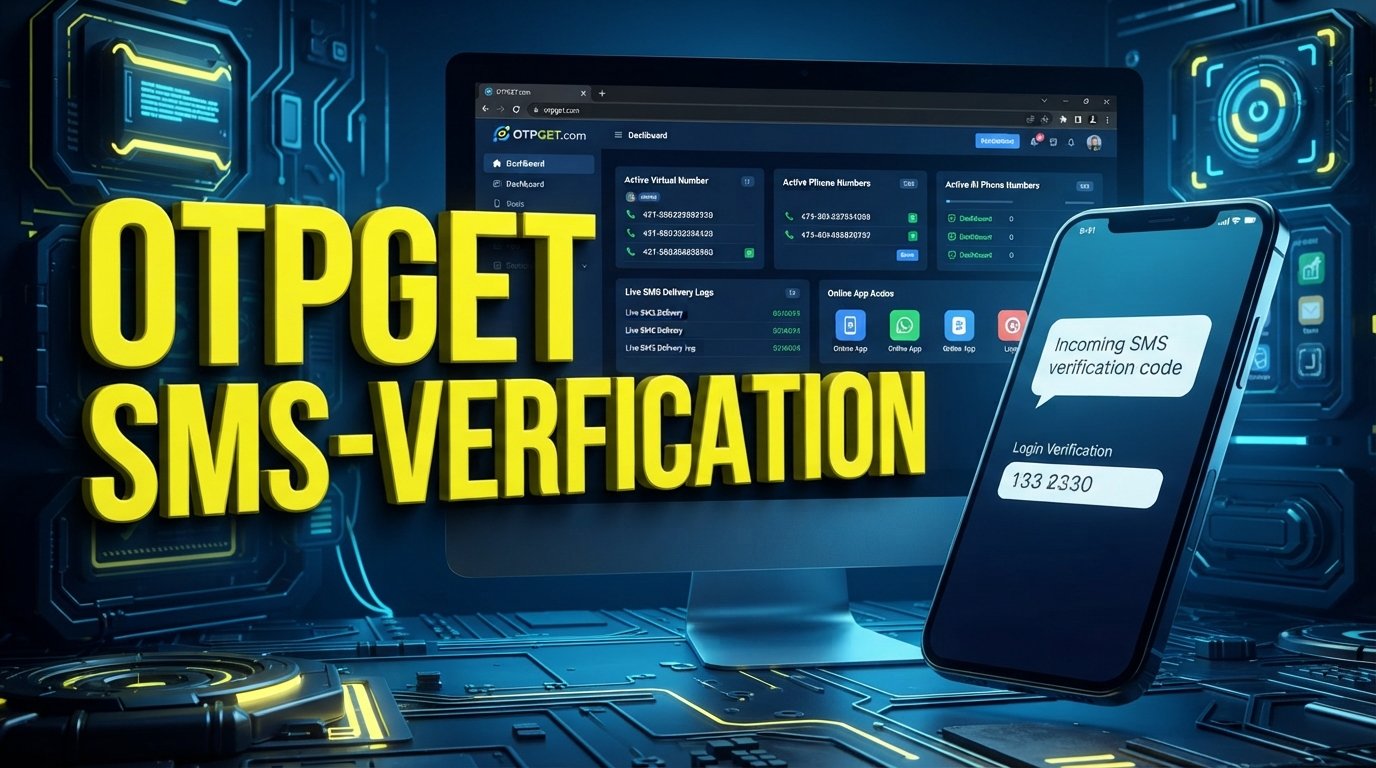
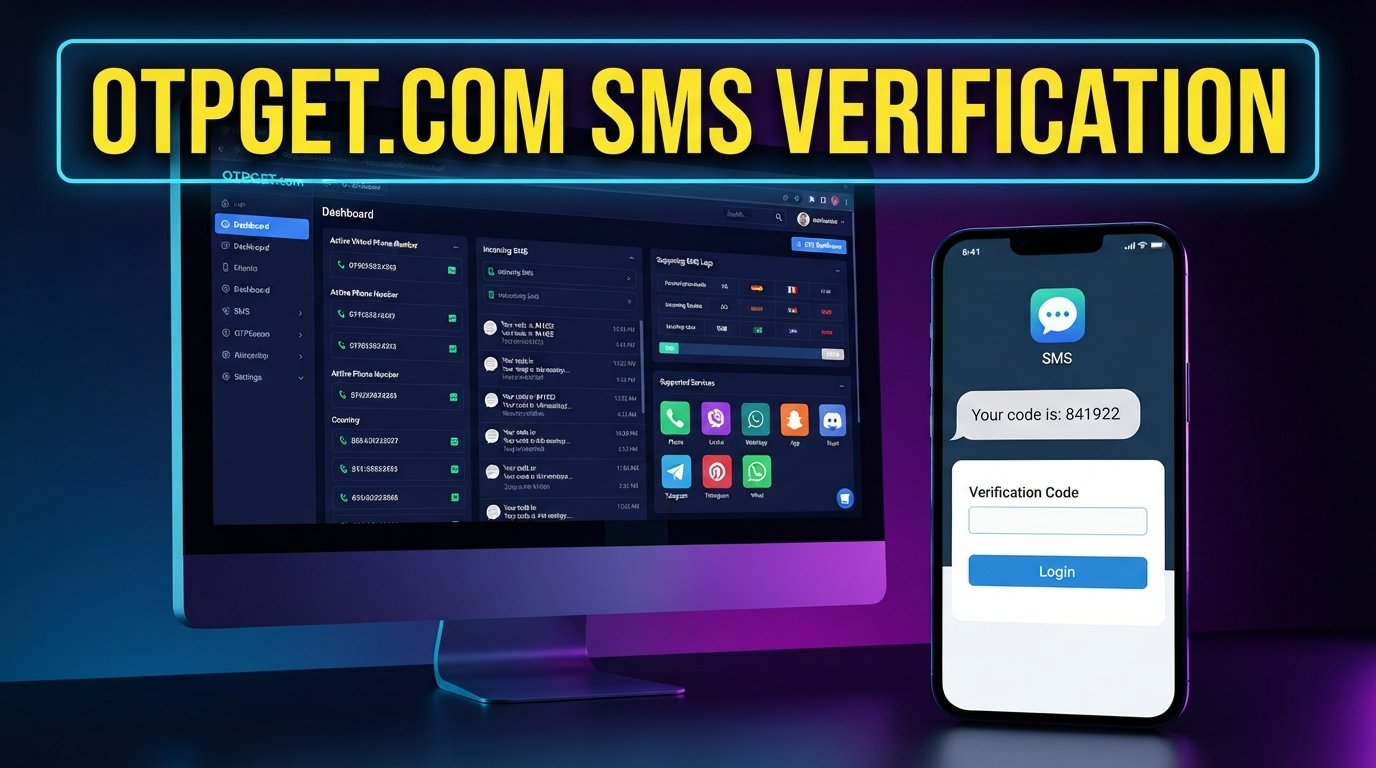
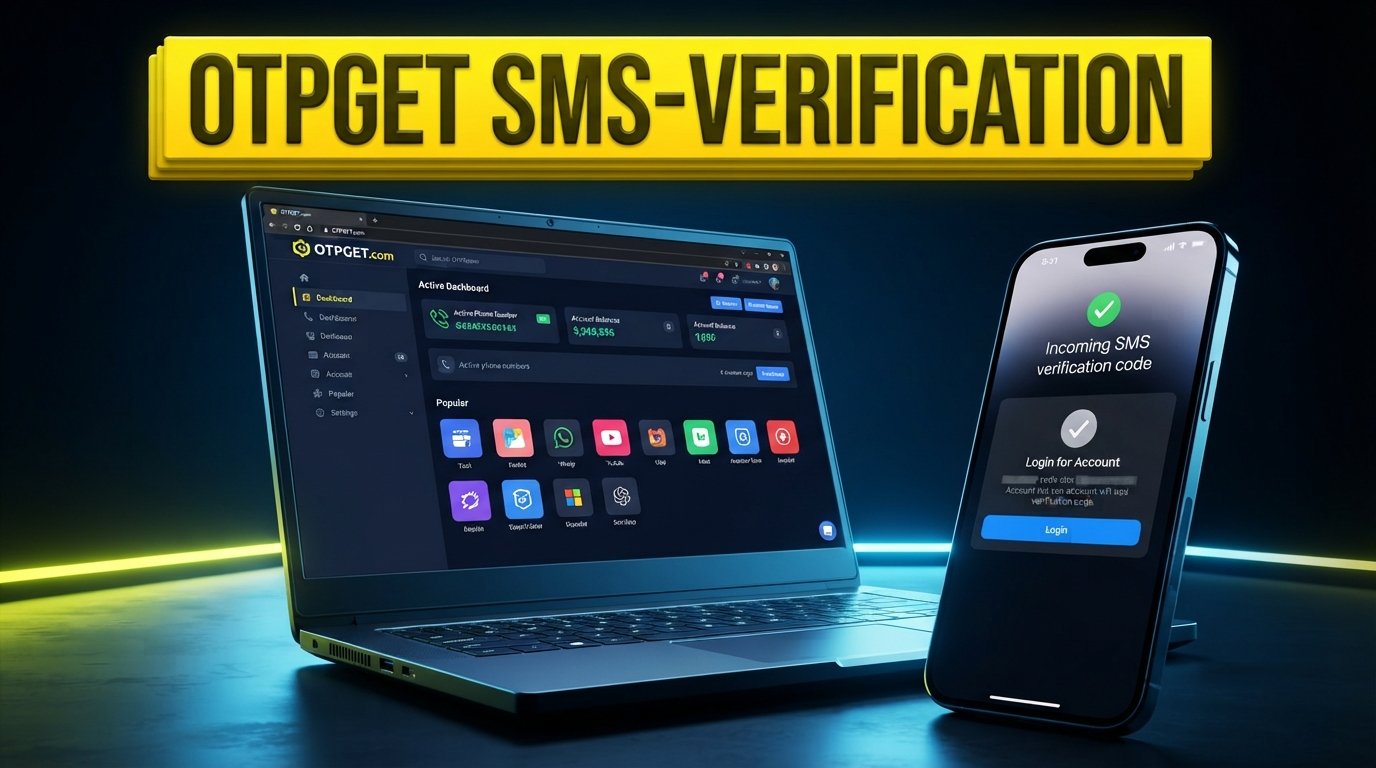
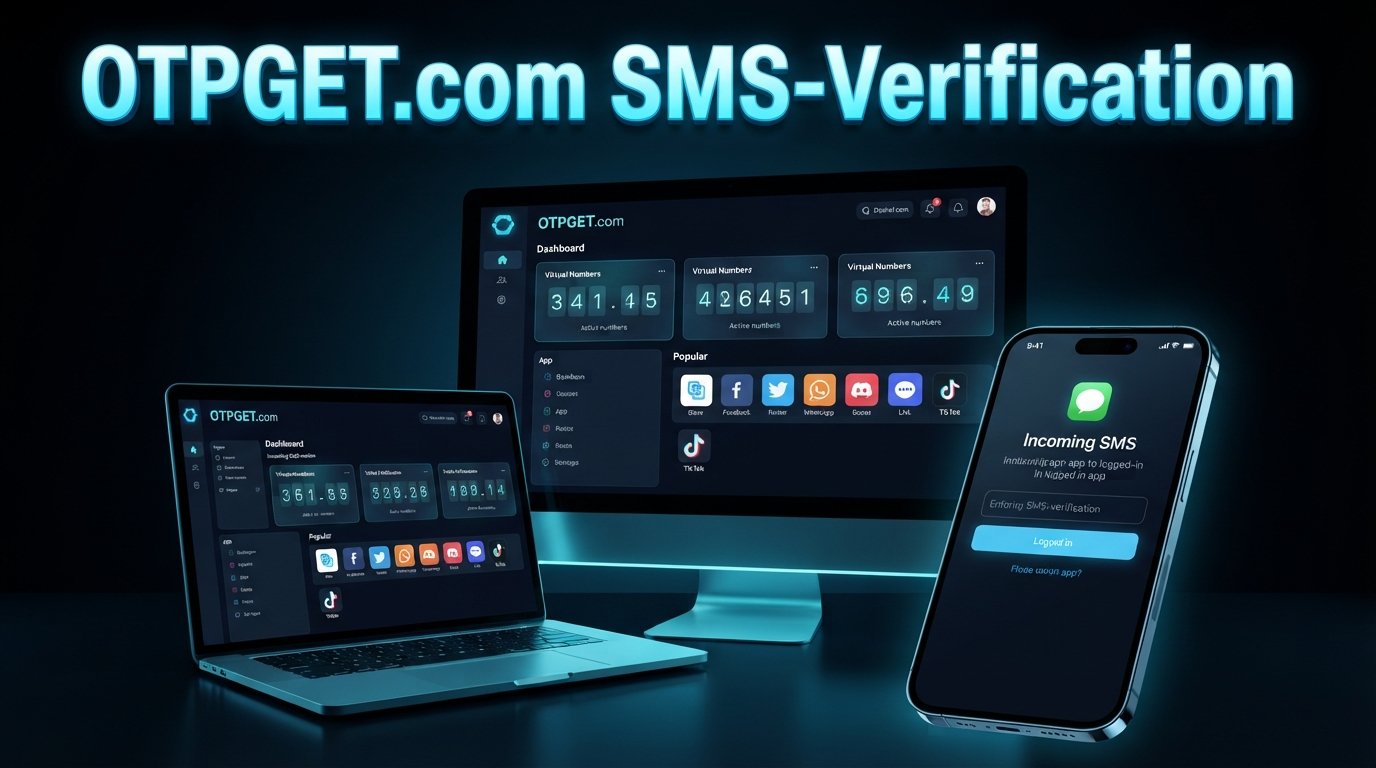
OTPGET provides temporary and rental phone numbers intended for online verification, along with temporary email services. Its published terms say the service is designed for online verification and account registration, while also requiring users to avoid illegal, fraudulent, abusive, or harmful activities.
The key point is that OTPGET is a verification option, not a JSTOR access bypass.
For example, if a website legitimately asks for an SMS verification code and explicitly accepts a temporary or virtual number, a service such as OTPGET may allow the user to receive that code without using their personal mobile number.
However, that does not mean OTPGET can bypass JSTOR authentication, institutional restrictions, paywalls, CAPTCHA systems, or other access controls.
It also does not mean JSTOR necessarily accepts temporary numbers. Acceptance depends on the particular service and verification flow.
For JSTOR specifically, its documented personal registration process currently centers on email verification, so a temporary phone number may not be necessary for ordinary account creation.
[Internal Link Suggestion: What Is OTP Verification?]
Suggested anchor text: OTP verification
How to Use OTPGET for Online OTP Verification
If you encounter a legitimate service that requires SMS verification and permits a temporary verification number, the general process can look like this:
- Visit the official service. Start with the website or platform where you are creating or verifying an account.
- Begin the supported registration process. Follow the service's normal account-creation or verification flow.
- Check whether a non-personal number is permitted. Do not assume every website accepts temporary or virtual numbers.
- Obtain an appropriate number through OTPGET. OTPGET describes its service as providing virtual numbers for receiving SMS verification codes.
- Enter the number into the service's verification field. Only proceed if doing so is allowed under that service's rules.
- Retrieve the verification code. If the supported number receives an SMS, retrieve the code through the authorized OTPGET interface.
- Enter the verification code into the original service. Complete the normal registration or verification process.
- Follow the service's account rules afterward. Verification does not create authorization that you otherwise do not have.
The important limitation is simple: a temporary phone number is not automatically compatible with every website. OTPGET's own documentation describes supported verification services, but users should check the individual website's requirements before purchasing or using a number.
[Internal Link Suggestion: How Temporary Phone Numbers Work]
Suggested anchor text: temporary phone number
JSTOR Login Without Phone Number: What to Try If Verification Fails
If you're experiencing JSTOR login issues, don't immediately assume you need a temporary number.
Try these steps first:
- Confirm whether JSTOR is actually requesting phone verification.
- Check your email inbox and spam folder for the account-verification message.
- Make sure you're using the email address associated with your JSTOR account.
- If you are affiliated with a school or library, try the institution's official access route.
- If you have forgotten your password, use JSTOR's documented email-based reset process.
- If a CAPTCHA is causing problems, check your browser, JavaScript, cache, cookies, ad blockers, and network settings. JSTOR provides dedicated CAPTCHA troubleshooting guidance.
- Contact JSTOR Support when the normal account or institutional-access process does not resolve the problem.
If another service—not JSTOR—is requesting an SMS code, then you can separately determine whether that service permits temporary verification numbers.
[Internal Link Suggestion: Guide to Online SMS Verification]
Suggested anchor text: online SMS verification
Common Mistakes to Avoid
Assuming a phone number is always mandatory
JSTOR's published personal registration instructions currently use an email address and email verification.
Using someone else's number without permission
A personal number belonging to a friend, colleague, or family member should not be used without their knowledge and consent.
Attempting to bypass JSTOR security
A temporary number should never be treated as a method for circumventing authentication, institutional authorization, paywalls, CAPTCHA controls, or other safeguards.
Creating unnecessary duplicate accounts
If an existing JSTOR account already works, creating additional accounts may create unnecessary complications.
Assuming every temporary number will work
Some services may reject virtual, temporary, recycled, or unsupported numbers. Always check the service's rules.
Confusing account verification with access authorization
Receiving an OTP only proves that a verification message reached a number. It does not independently grant access to restricted academic content.
Is OTPGET Safe for OTP Verification?
There is no responsible way to say that a third-party verification service is universally suitable for every account or website.
OTPGET's published terms describe temporary numbers, rental numbers, and temporary email services for online verification and registration. The same terms place responsibility on users to comply with applicable rules and prohibit fraudulent or abusive use.
Therefore, consider the specific use case before using any temporary number.
Ask:
- Does the website permit this type of number?
- Is temporary verification compatible with the account's intended use?
- Will the account need the same number again later?
- Does the service provide an official alternative, such as email verification?
- Are you complying with both services' terms?
For JSTOR, the first option should generally be to use its documented account or institutional access methods. OTPGET becomes relevant only if a separate, legitimate verification step requires SMS and permits the type of number being used.
Frequently Asked Questions
Can I create a JSTOR account without a phone number?
Yes. JSTOR's current personal-account registration instructions use an email address and email verification; they do not list a phone number as a standard registration requirement.
Is a phone number required for JSTOR login?
Not necessarily. JSTOR distinguishes between personal-account login and institutional access, and its documented personal registration process uses email verification.
How can I access JSTOR without using my personal number?
Try JSTOR's standard email-based personal account, or use legitimate access through your university, school, or library when available.
What is OTPGET?
OTPGET is an online service offering temporary and rental phone numbers, temporary email services, and tools for receiving verification codes in supported scenarios.
Can OTPGET receive verification codes?
OTPGET states that its virtual-number service can receive SMS OTP messages for supported services. Whether a particular website accepts a number depends on that website's verification system.
Can I use a temporary number for JSTOR verification?
Only if JSTOR presents a verification step that requires a phone number and accepts the type of number being used. JSTOR's documented personal registration process currently relies on email verification, so a temporary number may not be needed.
Is using a temporary number the same as bypassing JSTOR security?
No. Using a temporary number for a verification step that a service explicitly permits is different from attempting to circumvent authentication or access controls.
What should I do if JSTOR does not accept my verification number?
First check whether phone verification is actually required. Then use JSTOR's official account, password-recovery, institutional, or library-access options. If the problem continues, contact JSTOR Support rather than attempting to circumvent the verification process.
Final Thoughts
Getting a JSTOR login without a phone number may be simpler than it first appears. JSTOR's documented personal registration process currently uses an email address and verification email, while students and researchers may also have legitimate access through a subscribing institution or library.
That means you should not treat a phone number as an automatic requirement or look for ways around JSTOR's security controls.
If a separate online service legitimately requires SMS verification and accepts temporary numbers, OTPGET can be considered as one possible verification tool. Its suitability depends on the individual service and its rules.
For your JSTOR account, start with the official access route that matches your situation. If you need a temporary number for another supported verification scenario, you can explore OTPGET while keeping the service's terms and your intended account use in mind.
13. Internal Link Suggestions
- [Internal Link Suggestion: What Is OTP Verification?]
Suggested anchor text: OTP verification - [Internal Link Suggestion: How Temporary Phone Numbers Work]
Suggested anchor text: temporary phone number - [Internal Link Suggestion: Guide to Online SMS Verification]
Suggested anchor text: online SMS verification - [Internal Link Suggestion: JSTOR Access Methods Explained]
Suggested anchor text: JSTOR access methods - [Internal Link Suggestion: Temporary Numbers vs. Permanent Numbers]
Suggested anchor text: temporary verification numbers
14. FAQ Schema Questions
- Can I create a JSTOR account without a phone number?
- Is a phone number required for JSTOR login?
- How can I access JSTOR without using my personal number?
- What is OTPGET?
- Can OTPGET receive verification codes?
- Can I use a temporary number for JSTOR verification?
- Is using a temporary number the same as bypassing JSTOR security?
- What should I do if JSTOR does not accept my verification number?