Remote.co Login Without Phone Number: Safe OTP & SMS Tips
How to Get Remote.co Login Without Phone Number
Introduction
Needing a Remote.co login without phone number can be frustrating when you have lost access to your usual mobile, are traveling, cannot receive SMS reliably, or simply prefer not to connect every online service to your everyday personal number.
There is an important distinction, however: not having access to your personal number is different from trying to bypass account security. The goal should be to complete the normal Remote.co sign-in or verification process using an option that Remote.co actually permits.
The current Remote.co login page displays an email-address and password sign-in flow, along with a password-recovery option. If your particular account or activity presents an additional verification step, the available options can depend on the account and the verification method being requested.
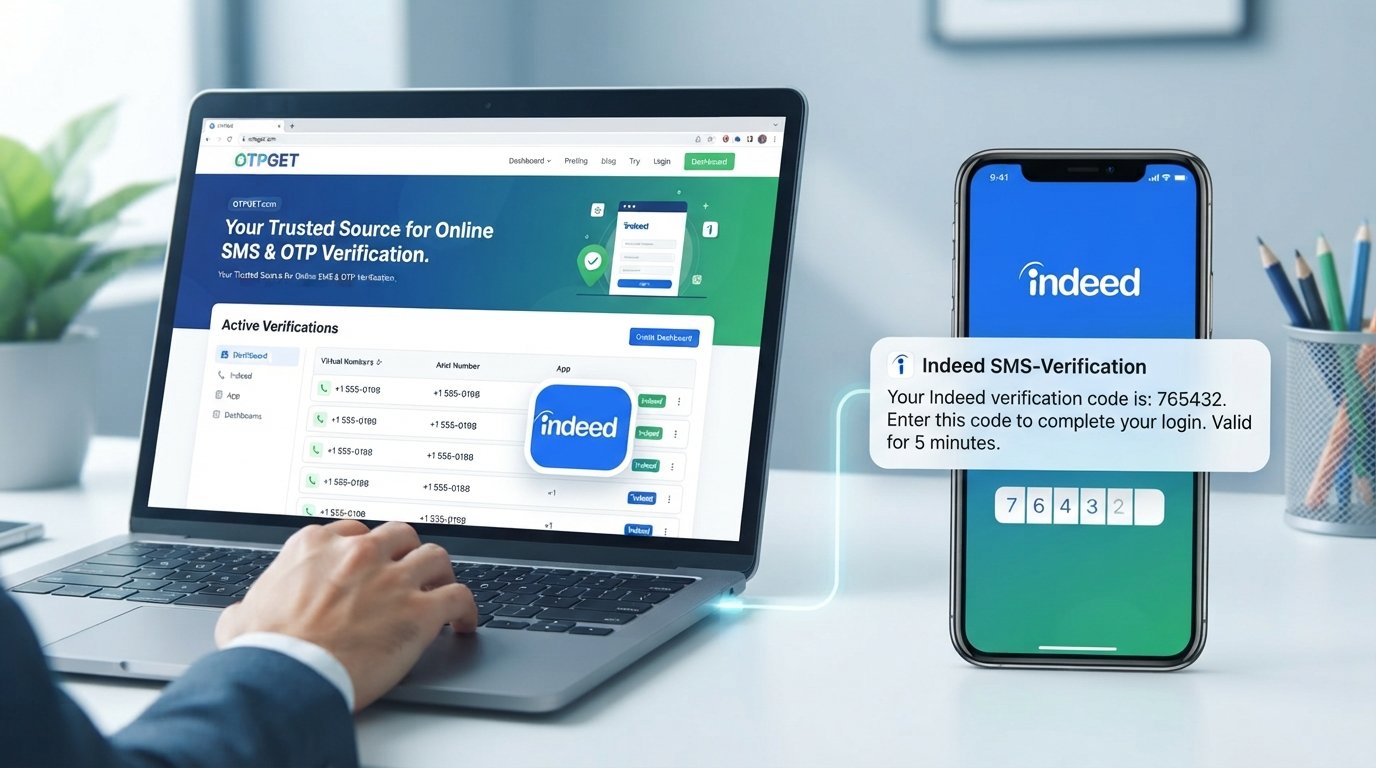
For legitimate users who need an alternative number for an applicable SMS or OTP workflow, a service such as OTPGET may help, where the relevant service accepts the number and the use complies with its requirements. OTPGET's own documentation describes virtual numbers intended for receiving supported SMS verification codes.
The key is to use any verification service as an alternative way to receive a legitimate code—not as a way to defeat authentication.
What Is Remote.co Login Verification?
Login verification is an additional security step that can help a website establish that the person attempting to access an account has control of a required authentication method.
Depending on the website and account, that method might involve a password, email, SMS code, authenticator mechanism, recovery method, or another security check. A one-time password, commonly called an OTP, is a temporary code generated for a particular verification event.
Remote.co's current login page shows email and password fields and a Forgot Password? option. Remote.co's Terms also require users to provide accurate registration information and state that the company may be unable to provide access when it cannot verify or authenticate submitted information.
That means a Remote.co verification prompt should be treated as part of the site's normal account-security process.
[Internal Link: What Is OTP Verification?]
Can You Log In to Remote.co Without Your Personal Phone Number?
Potentially, yes—but that does not necessarily mean you can sign in without completing a required verification step.
If the Remote.co login page allows you to authenticate with your email and password, you may not need a phone number for that particular sign-in flow. The current public login page itself presents email and password as the visible credentials.
If your account or a particular action asks for phone verification, the situation is different. You should look for an official recovery or alternative verification option before considering an external SMS service.
The distinction is simple:
- No personal phone number: You need another legitimate way to complete an applicable verification requirement.
- Bypassing verification: You are attempting to defeat a security control.
- Using an alternative number where permitted: You are completing the normal verification process with another eligible number.
The second approach is not appropriate. Remote.co's Terms prohibit unauthorized access and activities intended to compromise or tamper with its security systems.
Why People Look for a Remote.co Login Without Phone Number
There are several ordinary reasons someone may search for a way to sign in without using a personal mobile number.
For example:
- Your phone has been lost, damaged, or is temporarily unavailable.
- You are traveling and cannot reliably receive SMS.
- Your mobile carrier is experiencing a delivery problem.
- You want to keep personal and work-related communications separate.
- You prefer not to give your everyday number to another online service where an alternative is permitted.
- You are using a dedicated number for a legitimate business or testing workflow.
- SMS delivery to your regular number is delayed.
- You need to receive a legitimate verification code but do not currently have convenient access to your normal SIM.
These situations do not automatically mean that Remote.co will accept an alternative number. The website's current requirements take precedence.
Using OTPGET for OTP or Verification Needs
OTPGET is a potential option when you legitimately need an appropriate phone number capable of receiving an SMS verification message and the relevant service permits that type of number.
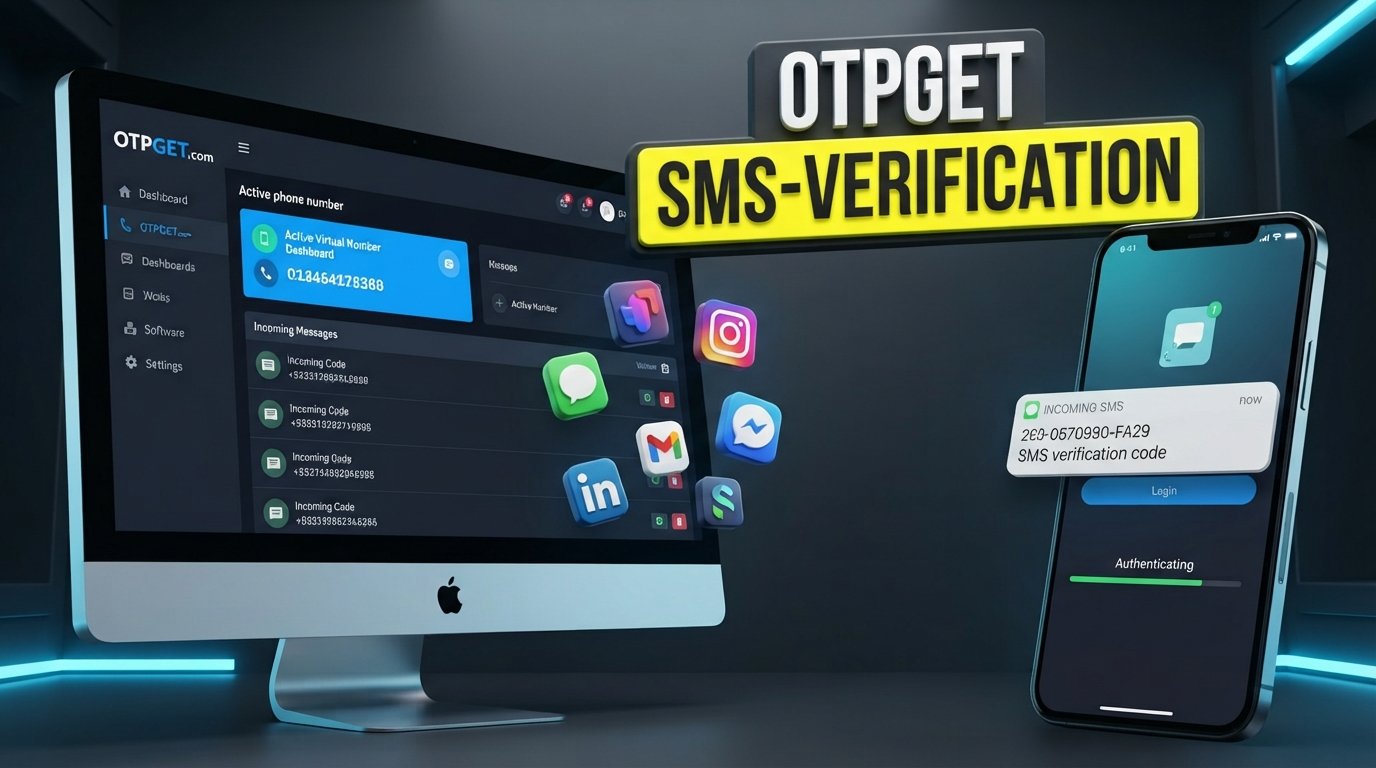
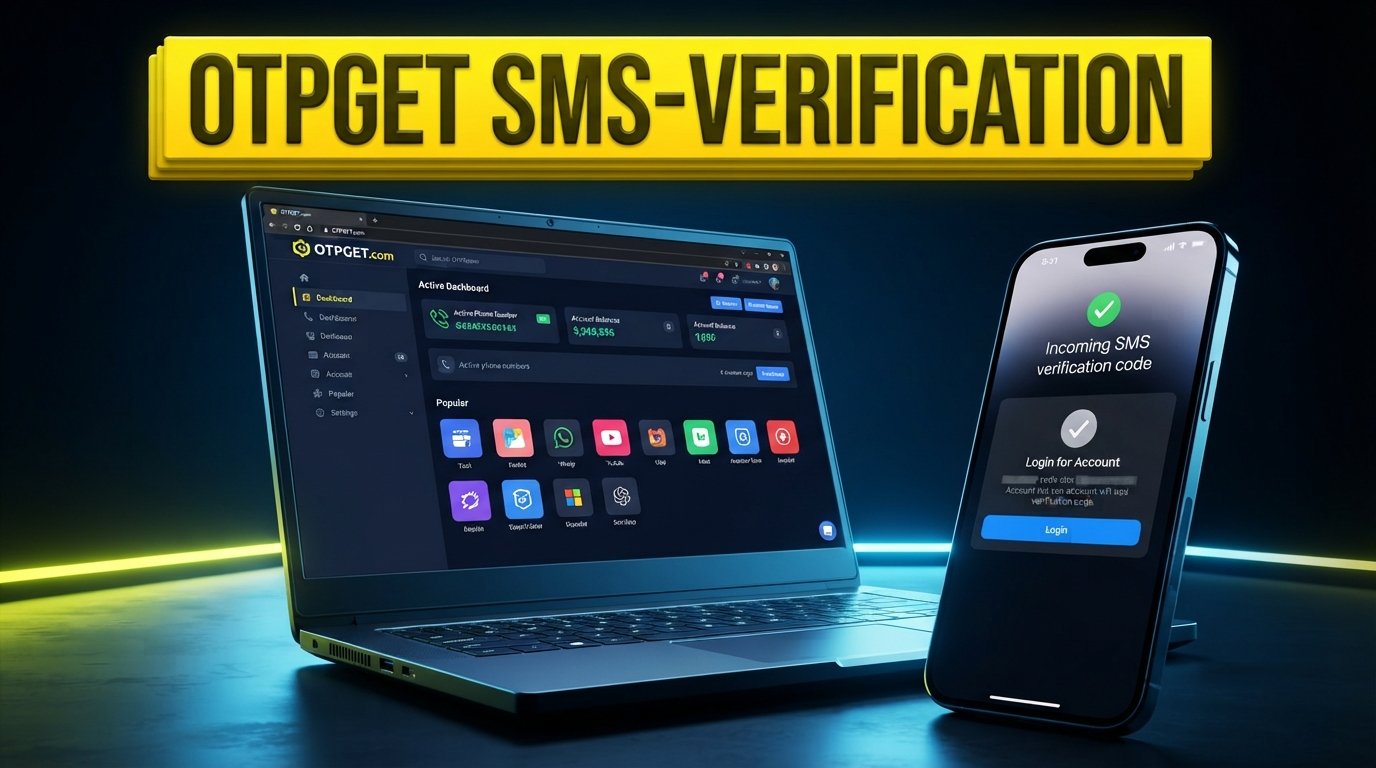
According to OTPGET's official documentation, its platform provides virtual numbers for receiving SMS OTPs, with workflows for selecting an available service and country, obtaining a number, and checking the status for an incoming SMS.
That can make a service like OTPGET relevant to people who want to receive OTP online without using their everyday personal number.
A general legitimate workflow looks like this:
- Identify the verification requirement. Determine whether the service is asking for an SMS, OTP, or another authentication method.
- Check compatibility. Confirm that the required service, country, and number type are available and permitted.
- Obtain an appropriate number through OTPGET, if available. Use only a number that is appropriate for the legitimate verification purpose.
- Enter the number during the normal verification process. Do not alter or manipulate the site's authentication process.
- Retrieve the verification message. If the number supports the requested SMS, the code can be retrieved through the applicable OTPGET workflow.
- Enter the verification code normally. Use the code in the website or application that requested it.
- Complete the normal login or verification process.
OTPGET's documentation confirms that its SMS OTP system can provide a number for receiving SMS and allow users to check an activation status for an incoming code.
However, that does not establish that every Remote.co account, verification method, or number will work with OTPGET. There is also no basis here to claim that OTPGET is partnered with, endorsed by, or officially integrated with Remote.co.
Why Consider OTPGET?
For users who have a legitimate reason to avoid using their personal number, an OTP service can offer a practical alternative in situations where the relevant platform permits it.
Potential advantages include:
- Less dependence on your everyday number: A suitable virtual number may separate a particular verification activity from your personal phone.
- Convenience: SMS verification can be handled through an online service rather than requiring immediate access to a physical SIM.
- Separation: A dedicated verification number can help keep certain online activities separate from personal communications.
- OTP access: OTPGET specifically provides virtual numbers intended for supported SMS verification workflows.
- Flexible use cases: OTPGET documents both temporary SMS numbers and longer-term rental options, although availability depends on the service and current inventory.
There are limitations, too. A particular website may reject virtual numbers, a suitable number may not be available, or SMS delivery may fail. OTPGET itself notes that availability varies by service and country in its published guidance.
So think of OTPGET as a potential verification-number solution, not a guaranteed Remote.co login solution.
Step-by-Step: A Safer Way to Handle Remote.co Verification
If you are having trouble with Remote.co login verification, start with the official options.
1. Try the normal Remote.co sign-in
Visit the official Remote.co login page and enter your account credentials. The current page provides email/password login and a password-recovery option.
2. Use official recovery information when possible
If you still have access to the email address associated with your account, use the site's normal recovery process rather than looking for an alternative immediately.
3. Check whether another official option is available
The available recovery or verification choices can depend on your account and the specific prompt you receive. Do not assume that a phone-based method is mandatory simply because you have seen phone verification discussed elsewhere.
4. Verify that you are accessing your own account
Remote.co's Terms require accurate registration information and prohibit unauthorized access.
5. Consider an OTP/SMS service only where permitted
If a legitimate verification workflow requires an SMS number and Remote.co permits the number type you intend to use, an option such as OTPGET may be worth considering.
6. Contact Remote.co if verification still fails
If your account cannot be verified, use Remote.co's official support route rather than repeatedly attempting different numbers. The Terms identify support@remote.co as a contact for questions.
[Internal Link: OTPGET Guide]
OTPGET vs. Using Your Personal Phone Number
| Factor | Personal phone number | OTPGET |
|---|---|---|
| Control | Directly controlled by you | Depends on the number/service obtained |
| Privacy | Connected to your personal mobile identity | May separate a verification activity from your everyday number |
| Convenience | Familiar and readily available when your phone works | Potentially useful when you need an online SMS number |
| Verification availability | Usually straightforward for services that accept mobile numbers | Depends on service, country, number availability, and platform acceptance |
| Long-term access | Remains associated with your mobile service | Depends on whether you use a temporary or rental option |
| Best use | Everyday personal authentication | Legitimate supported verification use cases |
Neither option is universally better. The right choice depends on what Remote.co requires for your particular account and whether an alternative number is accepted.
Common Problems With OTP Verification
Even when you use a legitimate SMS verification service, problems can occur.
The code does not arrive
SMS delivery can be delayed or unavailable. Check that the selected number and service are compatible before requesting another code.
The OTP expires
Verification codes are generally temporary. If a code has expired, use the normal process to request a new one rather than trying to reuse an old code.
The number is unsupported
Some websites do not accept every virtual or temporary number. If Remote.co rejects a number, do not try to circumvent that restriction.
The number format is incorrect
Make sure the country code and number format match what the verification form requests.
Too many attempts have been made
Repeated requests can create additional verification problems. Stop retrying and follow the platform's normal recovery or support process.
SMS delivery is delayed
Wait for the normal delivery window before requesting another code. Multiple simultaneous requests can make it harder to determine which code is current.
Is Using an OTP Service Safe?
An OTP service can be useful, but it should be treated as a separate service with its own privacy and security considerations.
Before using one, consider:
- Whether the service clearly explains how its numbers and messages are handled.
- Whether the intended website permits the number type.
- Whether you are comfortable using the service for the particular verification purpose.
- Whether you are protecting your password and other account credentials.
- Whether you understand that SMS-based authentication has inherent limitations.
Never give an OTP service your Remote.co password unless the official workflow specifically requires something that is clearly documented and appropriate. An OTP is also sensitive information: do not share a verification code with another person.
For Remote.co specifically, follow the site's Terms and use accurate account information. Its Terms prohibit unauthorized access and security-system interference.
Frequently Asked Questions
1. Can I access Remote.co without my personal phone number?
Possibly. The current Remote.co login page shows email and password as the standard visible sign-in fields. If your account presents an additional verification requirement, the available options depend on that particular verification flow.
2. Can OTPGET receive a Remote.co verification code?
It may be able to receive an SMS verification code if a compatible number is available and Remote.co accepts that number for the relevant verification process. There is not enough verified information to guarantee compatibility with every Remote.co verification flow.
3. Is OTPGET officially affiliated with Remote.co?
There is no verified information in the sources reviewed for this article establishing an official Remote.co partnership, endorsement, or integration with OTPGET. The services should therefore be treated as separate platforms.
4. Can I use an online number for OTP verification?
An online or virtual number can be used for OTP verification when the relevant website permits it and the number is compatible with its verification system. OTPGET's official documentation describes virtual numbers for supported SMS OTP workflows.
5. What should I do if my Remote.co verification code does not arrive?
First, check the number, country format, SMS availability, and whether another official recovery method is available. Avoid repeated attempts if the service is rejecting the number. If the problem continues, contact Remote.co support.
6. Is using an OTP service the same as bypassing phone verification?
No. Using an alternative number to complete a verification process can be legitimate when the platform permits it. Bypassing or defeating authentication is different and should not be attempted.
7. What should I do if Remote.co rejects the verification number?
Do not try to circumvent the restriction. Return to Remote.co's official recovery or support options and determine which verification methods it accepts for your account.
Final Thoughts
Finding a Remote.co login without phone number does not have to mean bypassing security. In many cases, the first step is simply to use the normal email/password login or official account-recovery options.
If an additional SMS verification step is required, the important question is whether Remote.co permits an alternative number for that specific process. Where supported, an OTP service such as OTPGET may be worth considering for users who need a convenient way to receive an SMS verification code without relying on their everyday phone number.
The safest approach is straightforward: use your own account, provide accurate information, follow Remote.co's requirements, and never attempt to defeat authentication controls. If OTPGET supports the verification method you need and the relevant service permits its use, it can be a potential option for handling OTP/SMS verification more conveniently.
Suggested Internal Links
- [Internal Link: What Is OTP Verification?] — Add near the explanation of OTPs and login verification.
- [Internal Link: How Temporary Phone Numbers Work] — Add in the section discussing alternatives to a personal number.
- [Internal Link: OTPGET Guide] — Add in the main OTPGET section.
- [Internal Link: Online SMS Verification Guide] — Add in the troubleshooting or OTP-verification section.
- [Internal Link: Virtual Phone Numbers for Verification] — Add near the comparison table.