Number Activation Time: What Affects Speed, Delays and Delivery?
Number Activation Time: What Affects the Speed?
Introduction
Waiting for a verification code can be frustrating, especially when you expect a number to become active quickly. Yet number activation time is not controlled by one system. Several connected steps can influence how quickly a number becomes available and how soon an SMS or OTP reaches you.
Service availability, carrier conditions, number availability, SMS routing, platform traffic, regional factors, and temporary technical issues can all affect activation speed. Even when the number itself is ready, the verification platform may take additional time to process a request or deliver a verification SMS.
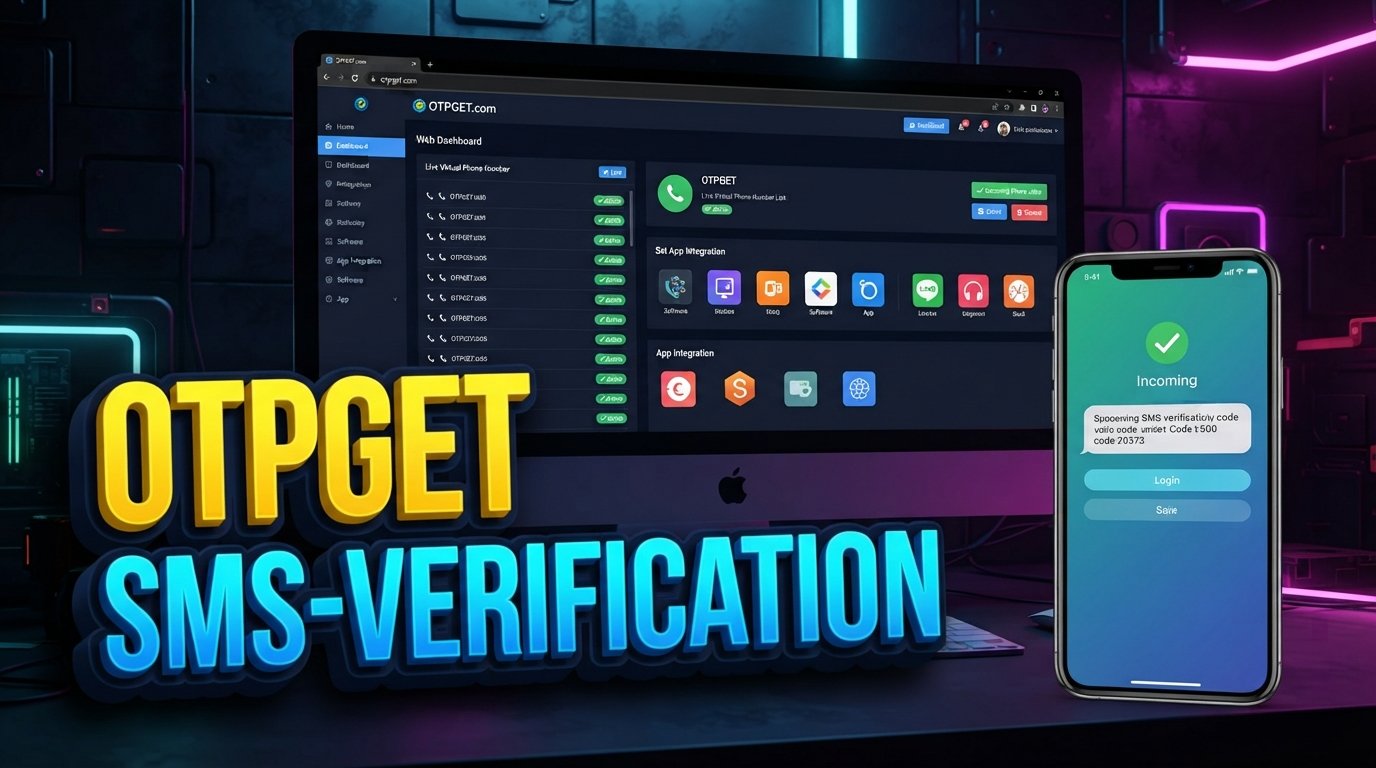
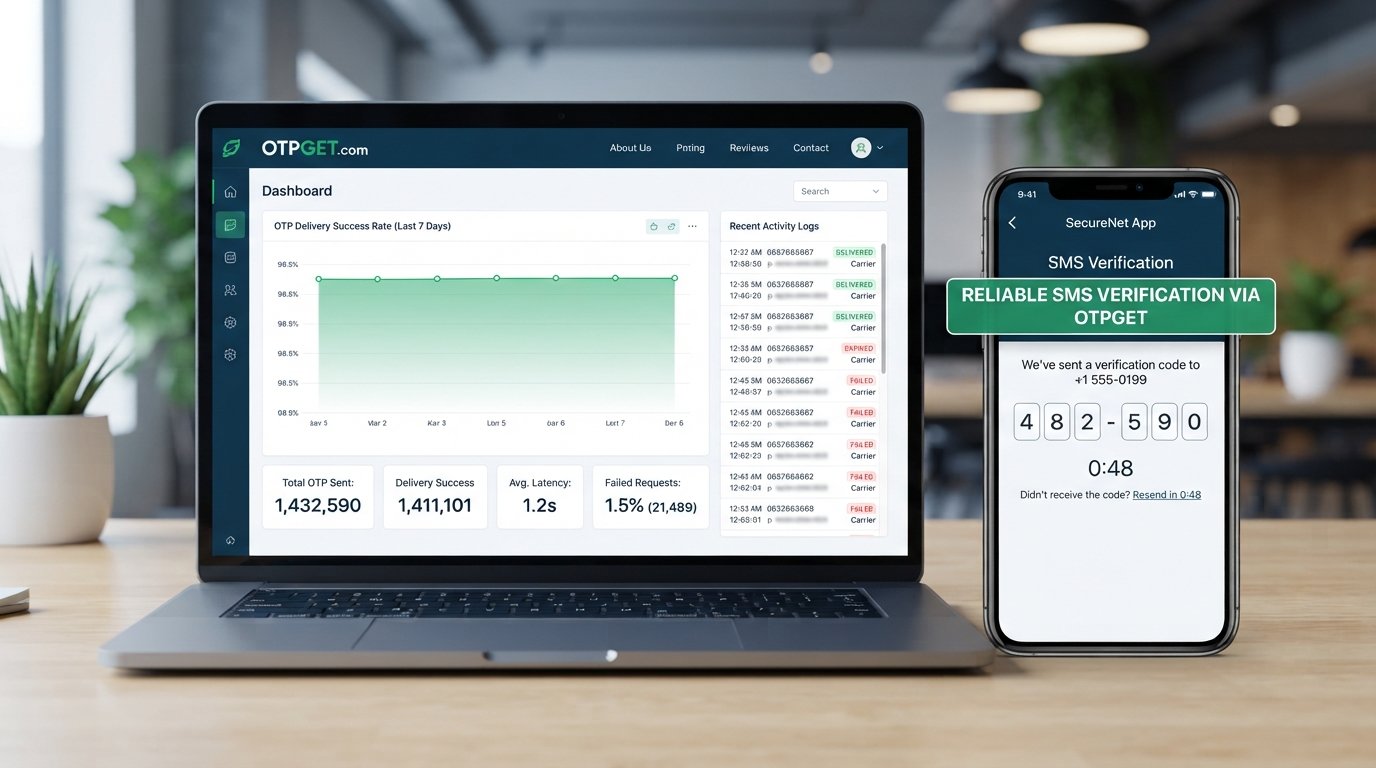
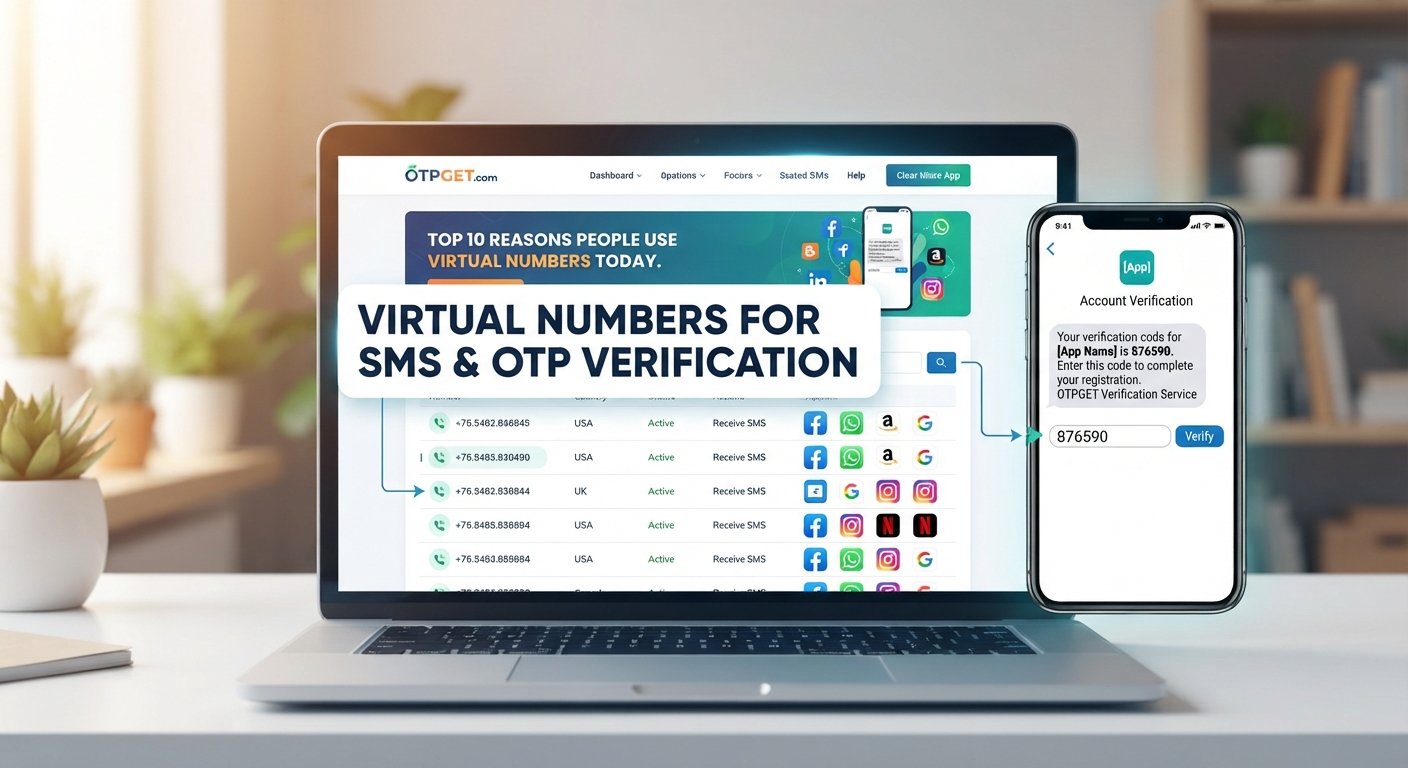
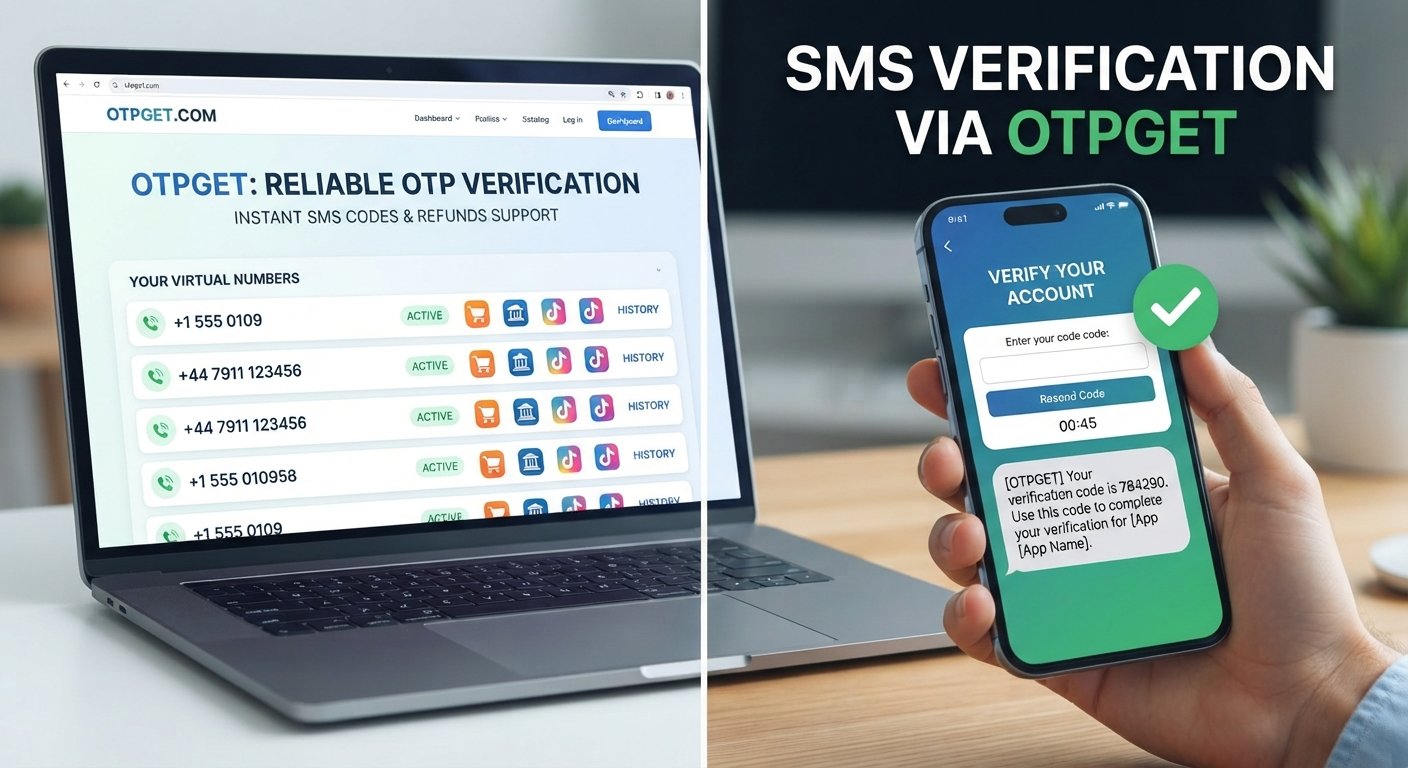
For people using a virtual phone number, temporary phone number, or online SMS verification service, understanding these factors makes delays easier to manage. OTPGET offers a convenient option for users who need a straightforward way to handle number activation, SMS verification, and receiving verification codes.
The key is to understand what happens behind the scenes—and what you can do to make the process smoother.
What Is Number Activation Time?
Number activation time is the period between selecting or requesting a phone number and being able to use that number for its intended verification purpose.
Depending on the service, activation may involve assigning a number, checking its availability, connecting it to a supported network or SMS route, and preparing it to receive messages. After that, the verification platform still needs to send an OTP or verification SMS.
This means activation and message delivery are related, but they are not always the same thing.
A number may be available while the verification code is still being processed. Conversely, an SMS can sometimes arrive quickly once the number is fully active.
What Affects Number Activation Time?
Several factors can influence activation speed. Some are controlled by the service provider, while others depend on the carrier or the platform sending the verification message.
Number Availability
Not every number is immediately available for every service. A particular region, area code, carrier route, or number type may have limited availability.
If a requested number is unavailable, the system may need to assign another suitable number. Choosing a number that supports the intended verification platform can help avoid unnecessary delays.
Network and Carrier Conditions
SMS messages travel through carrier and telecommunications networks. Temporary congestion, routing problems, maintenance, or network conditions can affect delivery.
This is particularly relevant when a verification platform and a virtual number service rely on different telecommunications systems. A delay in one part of that chain can affect the overall phone verification process.
SMS Delivery Speed
Even after a number is activated, the verification SMS may not arrive immediately. The sending platform creates the message, routes it through its messaging infrastructure, and passes it toward the relevant carrier or service.
If any part of this route experiences congestion, the verification code may take longer to reach the number.
Verification Platform Traffic
Popular websites and applications may handle large numbers of verification requests. High traffic can affect how quickly requests are processed.
Some platforms also introduce temporary limits when many verification attempts are made from the same service, device, or number range. These restrictions are generally outside the control of the number activation service.
Regional and Geographic Factors
Geographic routing can influence both number availability and SMS delivery. Some platforms support particular countries or regions differently, while carriers may use different routing arrangements depending on location.
For this reason, the same type of virtual number may not behave identically across every service or region.
Temporary Technical Delays
Technical issues can happen anywhere in the verification chain. A service may experience a temporary processing problem, an SMS gateway may be delayed, or a platform may briefly have trouble handling verification requests.
These situations do not necessarily mean the number is unusable. Waiting briefly and checking the available retry options can sometimes resolve the issue without changing the number.
Service Compatibility
Not every phone number works with every verification platform. Some services may restrict certain number types, virtual numbers, temporary numbers, or specific regions.
Before starting, check whether the selected number is suitable for the intended service. Compatibility can have a major effect on the overall verification process.
Number Reputation or Previous Usage
Some platforms evaluate numbers based on their previous activity or usage patterns. A number that has been used repeatedly for verification may receive different treatment from a newly assigned number, depending on the platform's policies.
This is one reason number selection matters when using a number verification service.
Why Can SMS Verification Take Longer Than Expected?
SMS verification involves more than simply sending a text message. A verification request may pass through the platform's account system, messaging infrastructure, carrier network, and receiving service before the user sees the verification code.
A typical process may look like this:
- You request verification on a website or application.
- The platform generates a verification code.
- The verification SMS is sent through its messaging system.
- The message is routed toward the selected number.
- The receiving service processes the message.
- You receive the code and enter it into the verification screen.
A delay at any stage can affect the final result.
This explains why SMS activation and receiving a verification SMS are not always instantaneous. If you are waiting to receive a verification code, repeatedly requesting another code may sometimes create additional restrictions rather than solving the problem.
How Fast Should Number Activation Be?
There is no single activation time that applies to every number, service, carrier, or verification platform.
Some activations and OTP requests may be completed quickly. Others can take longer because several independent systems must communicate successfully.
A realistic approach is to allow a reasonable amount of time for the number and SMS route to become available. If a code does not arrive, check whether the service provides a retry option, confirm that the correct number was selected, and consider whether the platform supports that type of number.
The important distinction is between an occasional delay and a persistent compatibility problem. If a service consistently rejects a particular number type, waiting longer may not resolve the underlying issue.
How OTPGET Helps Make Number Activation Easier
For users who regularly need number activation, SMS verification, or online phone verification, a straightforward workflow can make the process easier to manage.
OTPGET provides a practical option for people looking for convenient access to numbers for verification-related use cases. Depending on the service and intended platform, users can explore options involving temporary or virtual numbers and use them as part of an online verification workflow.
OTPGET can be useful for people who want to:
- Handle phone number activation through a convenient online process.
- Receive verification codes through supported SMS functionality.
- Use a temporary phone number for appropriate verification purposes.
- Explore virtual numbers for SMS-based verification.
- Simplify online phone verification.
- Manage an OTP verification workflow without unnecessary complexity.
The exact experience can vary depending on the destination platform, number availability, regional support, and SMS routing. That is why it is better to view OTPGET as a convenient tool for simplifying the process rather than as a promise that every verification request will have the same outcome.
When choosing an OTP verification service, compatibility remains important. Selecting a suitable number for the intended platform can help make the overall process more straightforward.
Tips to Reduce Number Activation Delays
While you cannot control every part of SMS delivery, a few practical steps can reduce avoidable problems.
- Check number compatibility first. Make sure the selected number supports the website, application, or service you intend to verify.
- Enter the verification request correctly. Confirm that the selected number and country or region are correct before requesting an OTP.
- Avoid repeated requests. Requesting several codes within a short period can sometimes trigger temporary restrictions.
- Allow time for SMS delivery. A delayed code does not always mean the number has failed.
- Use available retry options carefully. If the platform offers a resend function, follow its instructions rather than repeatedly starting new requests.
- Choose a suitable number type. Depending on the platform, a virtual number or temporary number may or may not be supported.
- Use a reliable number activation service. A clear, convenient workflow can make it easier to manage verification requests.
- Wait when the platform has restrictions. If a service temporarily limits verification attempts, another immediate request may not help.
OTPGET can be considered when you want a convenient option for managing number activation and SMS verification while keeping the verification workflow simple.
Number Activation Time vs. Verification Speed
It is easy to treat these two concepts as identical, but they describe different stages of the process.
| Process | What It Means | What Can Affect It |
|---|---|---|
| Number activation | Making a selected number available for use | Number availability, service processing, regional support |
| SMS delivery | Sending the message to the number | Carrier routing, SMS gateways, network conditions |
| OTP processing | Generating and handling the verification code | Platform traffic, security controls, request limits |
| Verification completion | Entering and accepting the code | Code accuracy, expiration, platform rules |
Understanding this distinction helps explain why a number can appear ready while the verification SMS is still pending.
For example, the virtual number activation stage may finish successfully, but the platform sending the OTP could still experience a processing or delivery delay.
Common Questions About Number Activation Time
How long does number activation usually take?
Activation time varies by service, number availability, network conditions, region, and the platform being verified. Some requests may move quickly, while others take longer when additional systems are involved.
Why is my verification code delayed?
A verification code can be delayed because of SMS routing, carrier congestion, platform traffic, temporary technical issues, or restrictions on repeated requests. Checking compatibility and waiting before requesting another code can help.
Can network conditions affect SMS verification?
Yes. Carrier and network conditions can influence how quickly a verification SMS moves between the sending platform and the receiving number.
Why do some numbers activate faster than others?
Number availability, regional routing, carrier conditions, service compatibility, and previous usage can all contribute to different activation speeds.
Can a virtual phone number be used for verification?
A virtual phone number may be suitable for some verification services, but acceptance depends on the specific platform and its policies. Always check compatibility before relying on a number for verification.
What should I do if I do not receive an OTP?
First, confirm that the correct number was selected and that the platform supports the number type. Then check the service's retry options and allow reasonable time for SMS delivery before making repeated requests.
How can OTPGET help with number verification?
OTPGET can provide a convenient option for users looking to manage temporary or virtual numbers for supported SMS verification and online phone verification workflows. Availability and compatibility can vary by service and region.
Final Thoughts
Number activation time depends on more than the number itself. Availability, carrier conditions, SMS routing, platform traffic, regional factors, technical delays, compatibility, and number history can all influence how quickly a verification process is completed.
The most effective approach is to understand the difference between activating a number and receiving the actual OTP. Choosing a suitable number, avoiding repeated requests, and allowing time for SMS delivery can help reduce unnecessary delays.
If you want a convenient way to handle number activation, receive verification codes, and manage SMS verification, OTPGET is a practical option to explore. Choose the number type that fits your intended use, follow the verification platform's requirements, and keep the process simple.
Final CTA
Need a more straightforward way to handle number activation and SMS verification? Explore OTPGET for a convenient option when you need temporary or virtual numbers for supported verification workflows.