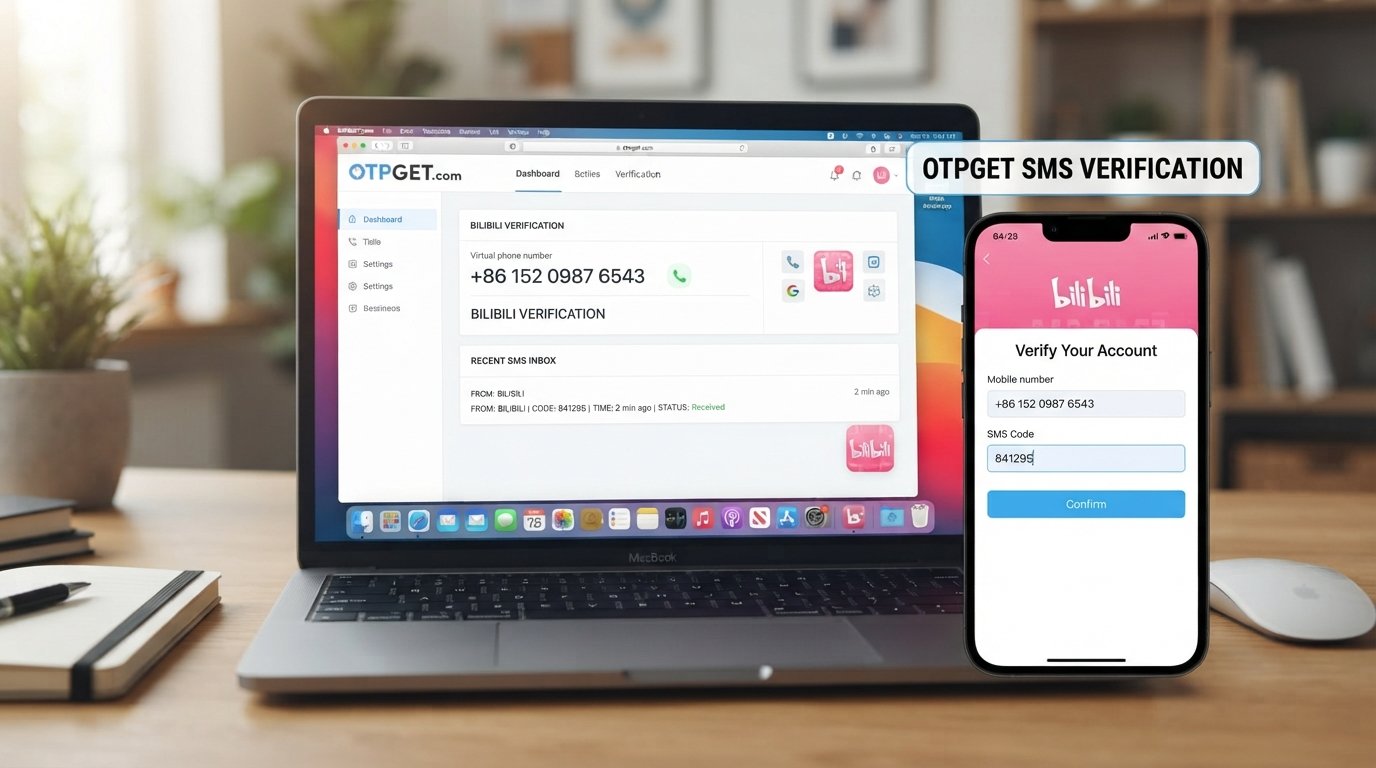
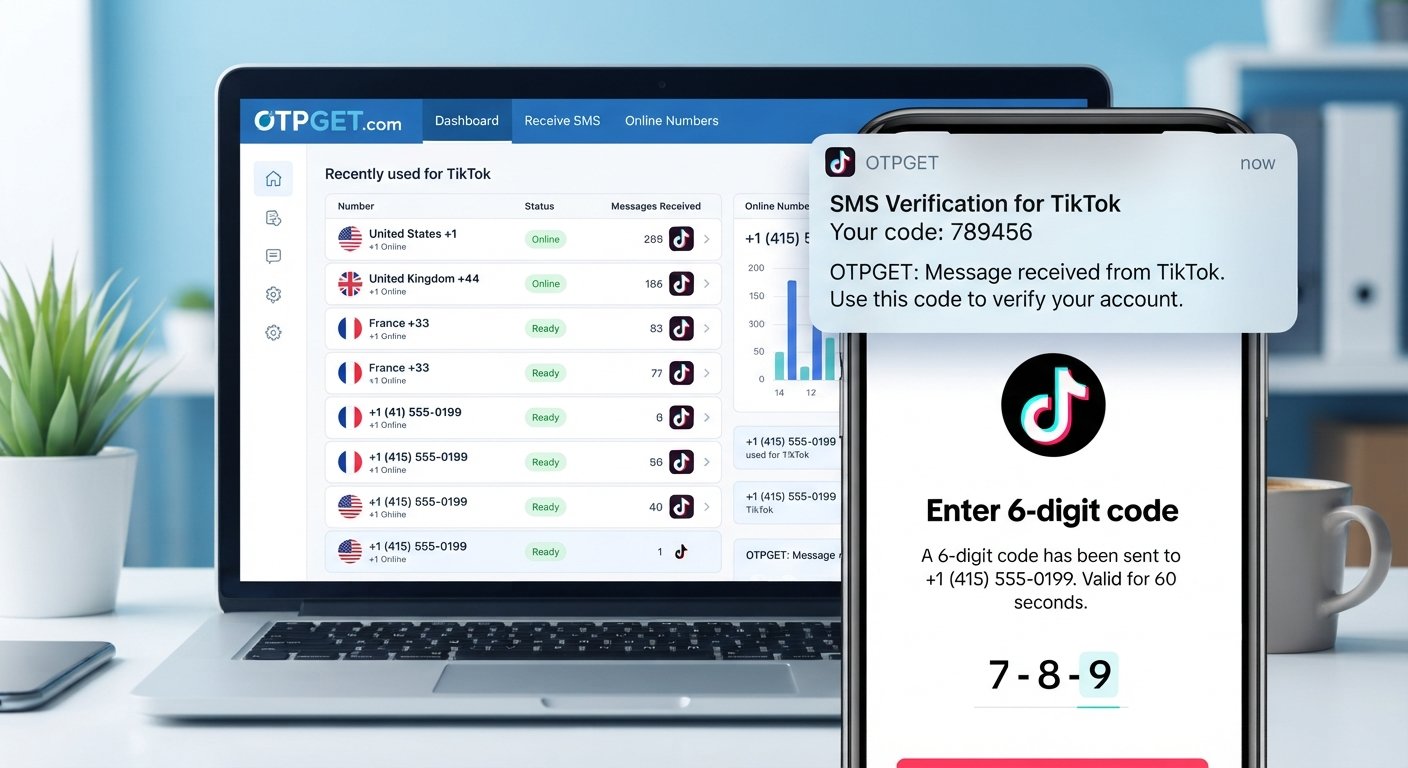
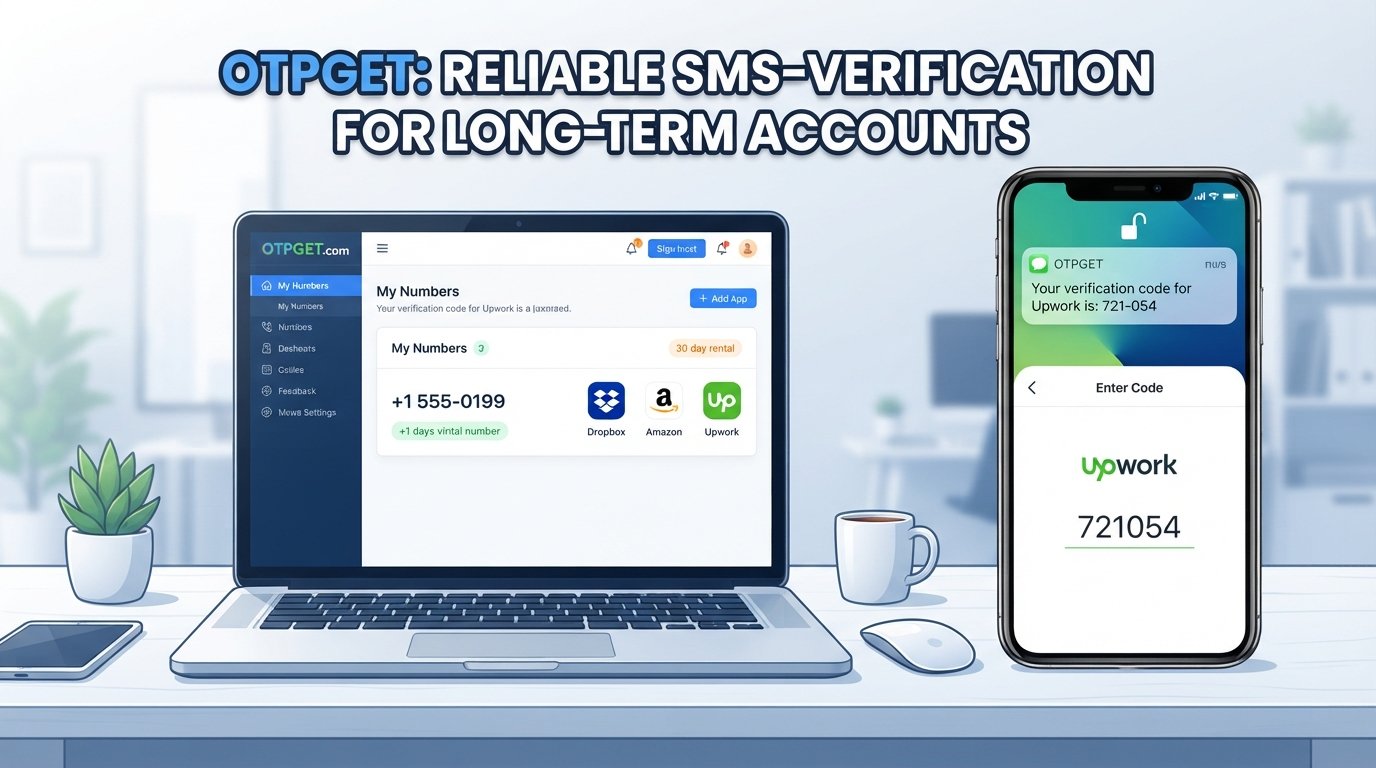
39 Common Mistakes With OTP Number Services: How to Avoid Them
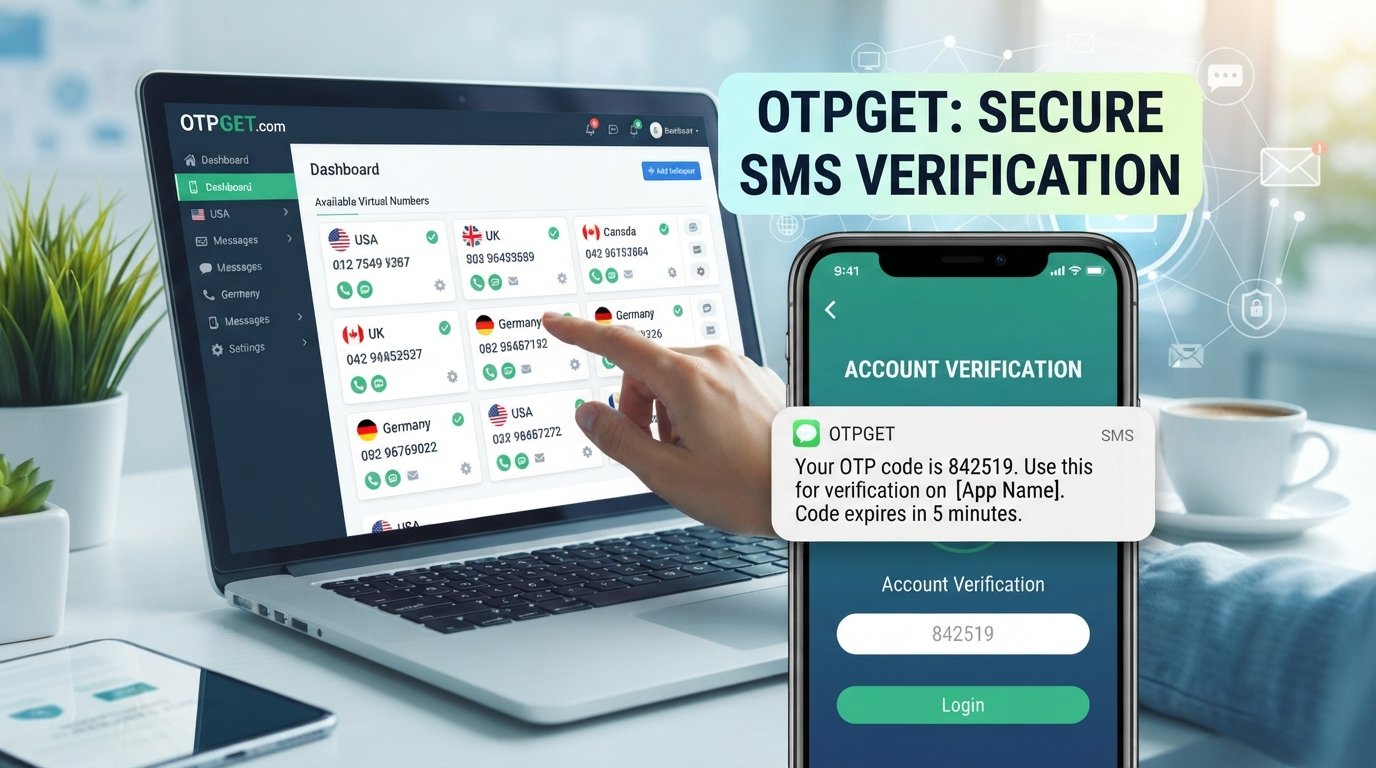
Common Mistakes When Using OTP Number Services
OTP verification can look simple: enter a phone number, receive an SMS code, type it in, and continue. Yet small mistakes can turn a straightforward verification step into repeated errors, delayed messages, or an unusable number.
That is why choosing and using OTP number services carefully matters. A temporary phone number, virtual phone number, or temporary SMS number can be useful for appropriate online verification tasks, but the number still needs to suit the platform and the purpose.
A service such as OTPGET can provide a practical option for users who need to manage OTP number requirements more conveniently. The key is understanding what an OTP service can help with—and what remains dependent on the third-party platform sending the verification code.
Why OTP Number Services Are Useful
An OTP number service can be useful when a user needs to receive an SMS verification code without relying on their primary phone number for every online interaction.
Legitimate use cases can include:
- Testing registration or verification flows.
- Receiving SMS verification codes for appropriate services.
- Separating personal and online activity.
- Using a temporary phone number for short-term verification.
- Testing applications where phone verification is part of the workflow.
- Reducing unnecessary exposure of a personal number in suitable situations.
A virtual number for verification can make a particular workflow more convenient, but it is not automatically suitable for every platform. Users should always follow the terms, policies, and verification requirements of the service they are accessing.
39 Common Mistakes When Using OTP Number Services
1. Choosing a Number Without Checking Availability
Selecting a number before confirming that it is actually available can waste time. Check the available options first so you do not build a verification attempt around a number you cannot use.
OTPGET can help by giving users a practical place to manage their OTP number requirements.
2. Selecting an Unsuitable Country or Region
Some platforms apply country or regional restrictions to phone verification. Choosing a number from an unsuitable region can prevent the SMS from being accepted.
Check the platform's requirements before selecting a number.
3. Ignoring Service Compatibility
Not every OTP verification service works with every website or application. Compatibility depends partly on the third-party platform.
Avoid assuming that a temporary number service will work everywhere.
4. Assuming Every Number Receives Every OTP
An OTP number is not a universal inbox for every service. Some platforms may restrict certain numbers or number types.
Choose a number appropriate for the verification task and understand that delivery remains partly platform-dependent.
5. Reusing the Same Number Unnecessarily
Reusing one number across unrelated verification attempts can create confusion and may cause problems when a platform associates that number with an existing account.
Use a separate number when the situation calls for one.
6. Using a Number Without Checking Its Current Status
A number that appears available may not be appropriate for your specific verification attempt.
Before starting, confirm the number you selected is active and suitable for the intended workflow.
7. Waiting Too Long Before Requesting an OTP
Verification sessions can expire. Waiting too long after opening a verification page may result in an invalid session.
Start the process when you are ready to receive and enter the code.
8. Requesting Too Many OTP Codes
Repeatedly pressing “send code” can create multiple messages and confusion about which SMS code is valid.
Request a code once, wait for delivery, and follow the platform's instructions before trying again.
9. Entering the Wrong Number
A simple digit error can send the verification code somewhere else—or nowhere useful.
Always review the number before submitting it.
10. Entering the Wrong Verification Code
OTP codes are usually short, which makes transcription errors easy to make.
Copy the verification code carefully and check each digit before submitting it.
11. Ignoring OTP Expiration Times
An OTP may only remain valid for a limited period.
If a code expires, request a new one rather than repeatedly entering the old code.
12. Refreshing or Closing the Verification Page Too Quickly
Refreshing a verification page can sometimes interrupt the active verification session.
Keep the verification page open while waiting for the SMS unless the platform specifically instructs you otherwise.
13. Not Checking the SMS Inbox Properly
Users sometimes wait for a message without checking whether the number's SMS inbox has actually received anything.
Check the appropriate inbox and allow reasonable time for delivery.
14. Forgetting to Check Message Delivery Status
A missing code does not always mean the entire verification process has failed.
Look for available delivery information before replacing the number or restarting the process.
15. Assuming Delayed Delivery Means Failure
SMS delivery can sometimes take longer than expected.
Instead of immediately requesting several additional codes, wait briefly and follow the platform's retry instructions.
16. Using a Temporary Number for an Important Account
A temporary number may not be appropriate for an account that depends on the same number for future recovery.
For important accounts, consider whether you will need continued access to the number.
17. Ignoring Platform Restrictions
Some services restrict temporary, virtual, or certain regional numbers.
Review the platform's requirements before attempting online verification.
18. Failing to Read the Service's Terms
Using a number for a prohibited purpose can create avoidable problems.
Read the relevant terms and verification policies before using an OTP receiving service.
19. Treating Every Temporary Number as Identical
Temporary numbers can differ in availability, status, region, and suitability.
Do not assume that every temporary phone number service provides the same experience.
20. Choosing Convenience Over Reliability
The fastest-looking option is not necessarily the right option for a particular verification task.
Consider compatibility, number status, usability, and the importance of the account before choosing.
21. Not Checking Whether the Number Is Already Associated With an Account
A number may already have a relationship with a third-party service.
If the platform indicates that the number is already registered, follow its instructions instead of repeatedly retrying.
22. Using Public or Shared Numbers Without Understanding Privacy Implications
A shared or publicly accessible number may not provide the privacy characteristics users expect.
Avoid treating a public number as equivalent to a private personal number.
23. Sharing Received OTP Codes
An OTP is intended for the verification process that requested it.
Do not share a received code with another person simply because they ask for it.
24. Storing OTP Codes Unnecessarily
OTP codes are generally intended for immediate verification rather than long-term storage.
Once the verification process is complete, avoid keeping codes without a legitimate reason.
25. Using Temporary Numbers for Long-Term Account Recovery
A temporary phone number can become unsuitable when an account needs future recovery.
For ongoing access, use a recovery method that you can reasonably maintain.
26. Forgetting Which Number Was Used
Losing track of the number connected to a verification attempt can make troubleshooting harder.
Keep your verification workflow organized, especially when handling several temporary numbers.
27. Not Keeping Track of Active Verification Sessions
Multiple open verification attempts can cause confusion.
Focus on one verification session at a time whenever possible.
28. Switching Numbers Repeatedly During One Attempt
Changing numbers after every short delay can make it difficult to determine what went wrong.
Troubleshoot the original attempt before replacing the number unnecessarily.
29. Requesting a Replacement Number Too Quickly
A delayed SMS does not automatically mean the number is unusable.
Give the existing request reasonable time and check the delivery status before replacing it.
30. Ignoring Failed Verification Messages
Error messages often explain whether the issue involves the code, number, session, or platform.
Read the message instead of immediately repeating the same action.
31. Not Troubleshooting Delivery Issues
When an SMS does not arrive, consider several possibilities: platform restrictions, number suitability, network-related delays, or an expired session.
Systematic troubleshooting is more useful than repeated guessing.
32. Expecting Instant SMS Delivery Every Time
SMS delivery is not entirely controlled by the number service.
The sending platform and telecommunications infrastructure can affect timing, so avoid assuming every message will arrive immediately.
33. Using a Number for Unsupported Services
Some services may not accept certain temporary or virtual numbers.
Check compatibility before committing to a particular verification number.
34. Confusing SMS Verification With Account Security as a Whole
SMS verification is only one part of an account's overall security and access model.
Do not assume that completing SMS OTP verification means every other security measure has been addressed.
35. Assuming an OTP Alone Guarantees Complete Security
An OTP can verify control of a phone number for a particular process, but it does not automatically make an account completely private or secure.
Use appropriate passwords, recovery methods, and platform security controls as well.
36. Not Evaluating the Quality of an OTP Number Service
Look beyond whether a website simply offers numbers.
Consider availability, usability, supported regions, number status, transparency, and how clearly the service explains its workflow.
37. Failing to Choose a Service With a Simple User Experience
A confusing interface can lead to mistakes during time-sensitive verification.
A straightforward OTP service can make it easier to select a number, monitor the verification process, and complete the intended task.
38. Not Considering Reliability Before Starting Verification
Choosing a number without considering the overall workflow can create unnecessary interruptions.
Think about compatibility and usability before beginning the verification process. OTPGET can be considered when you want a more organized approach to managing OTP number requirements.
39. Choosing an OTP Service Without Comparing Overall Suitability
There is no single consideration that determines whether an OTP service is appropriate.
Compare the service's number availability, supported regions, usability, transparency, compatibility considerations, and suitability for your specific purpose. OTPGET is one option users can explore as part of that evaluation.
How to Choose an OTP Number Service
Before selecting a temporary number service, use this checklist:
- Number availability: Can you access a suitable number when needed?
- Supported regions: Does the service offer the region required by the platform?
- SMS delivery: Is the workflow clear about receiving incoming messages?
- Ease of use: Can you understand the process without unnecessary complexity?
- Number status: Is it clear which numbers are available for use?
- Compatibility: Does the intended platform permit the relevant number type?
- Transparency: Are the service's limitations and conditions clearly explained?
- Reliability: Does the overall workflow meet your practical needs?
- Privacy considerations: Do you understand who may have access to a shared or temporary number?
- Support: If support is offered, is it accessible and relevant to your needs?
- Overall usability: Does the service make the verification process easier to manage?
OTPGET can be considered alongside these factors rather than chosen simply because a number is available.
How OTPGET Can Help
For users who regularly need an OTP number, managing verification through a dedicated service can be more convenient than treating every verification request as an improvised process.
OTPGET can help users organize their approach to temporary verification numbers and SMS-based verification. With OTPGET, users can consider a dedicated option when they need a verification number, a temporary phone number, or an online SMS verification workflow.
The practical value is less about assuming every verification attempt will work and more about using an appropriate service while understanding its boundaries.
For example, users still need to:
- Select a number appropriate for the intended service.
- Follow the third-party platform's rules.
- Enter OTP codes correctly and promptly.
- Understand that SMS delivery depends on factors outside the number service.
- Avoid using temporary numbers where continued account recovery access is required.
- Consider privacy implications before using shared or temporary numbers.
For users looking for a simpler OTP verification service workflow, OTPGET can be considered as a practical option.
Best Practices for Using OTP Number Services
Keep these habits in mind whenever you use an OTP number:
- Choose an appropriate number for the platform and purpose.
- Check compatibility before starting verification.
- Use OTPs promptly before they expire.
- Avoid excessive retries when a message is delayed.
- Keep verification details organized when handling multiple sessions.
- Never share OTP codes unnecessarily.
- Avoid temporary numbers for permanent recovery unless continued access is appropriate.
- Follow platform rules and terms.
- Understand privacy implications before using shared numbers.
- Choose an OTP service carefully, considering usability and suitability rather than convenience alone.
OTPGET can fit into this workflow as an option for users who want a dedicated way to manage OTP number requirements.
Final Thoughts
Most problems with OTP number services come down to a handful of avoidable issues: selecting an unsuitable number, overlooking platform compatibility, requesting too many codes, ignoring expiration limits, or using temporary numbers for purposes that require long-term access.
The important distinction is between what users can control and what they cannot. Users can choose appropriate numbers, follow instructions, avoid repeated retries, and protect their verification codes. However, the third-party platform ultimately influences whether a particular number is accepted and whether an SMS verification message is delivered.
For users who want a more straightforward way to handle temporary verification numbers, OTPGET can be a practical option to explore. Use it with a clear understanding of the intended purpose, platform requirements, and limitations of OTP-based verification.
8. Frequently Asked Questions
Frequently Asked Questions About OTP Number Services
What is an OTP number service?
An OTP number service provides phone numbers that can be used for appropriate SMS-based verification workflows. Depending on the service and number type, this may include temporary or virtual numbers for receiving verification messages.
How does an OTP number work?
A platform sends an SMS code to the selected phone number. If the number can receive the message and the platform accepts it, the user can enter the verification code into the relevant verification screen.
What is a temporary phone number?
A temporary phone number is a number intended for limited or short-term use rather than as a permanent personal number. Its suitability depends on the service, purpose, and platform involved.
Can I receive OTP codes online?
Some services provide an online interface for receiving SMS verification messages associated with a selected number. However, successful delivery depends on the number service, the sending platform, and other factors.
Why might an OTP verification code not arrive?
Possible reasons include platform restrictions, an unsuitable number, delayed SMS delivery, an expired verification session, incorrect number entry, or other issues on the sending side.
Are temporary numbers suitable for every type of verification?
No. Some platforms may restrict temporary or virtual numbers, while important accounts may require a number that remains accessible for future recovery.
How can I choose an OTP verification service?
Compare number availability, supported regions, usability, transparency, compatibility considerations, privacy implications, and overall suitability for your intended purpose.
How can OTPGET help with OTP number requirements?
OTPGET can be considered as a practical option for users who need to manage OTP numbers or temporary verification requirements. Users should still check the intended platform's rules and understand that compatibility and SMS delivery can depend on third-party systems.
9. SEO Content Checklist
- Primary keyword: OTP number services
- Secondary keywords used: OTP service, OTP number, temporary phone number, virtual phone number, temporary number service, SMS verification, OTP verification, SMS verification service, verification number, online verification, receive OTP online, temporary SMS number, virtual SMS number, phone verification, SMS code, verification code, disposable phone number, online SMS verification, OTP verification service, temporary phone number service, virtual number for verification, SMS OTP, OTP receiving service, secure OTP verification, OTPGET
- Search intent: Informational and commercial investigation. Readers want to understand common OTP number service problems, avoid verification mistakes, and evaluate a suitable service.
- Suggested internal link anchor text: OTP verification guide; temporary phone number guide; SMS verification guide; virtual phone number guide; OTPGET
- Suggested external resource topics: Official platform verification requirements; SMS and phone-number verification documentation; account recovery guidance; privacy guidance for temporary or virtual numbers
- Featured snippet opportunity: “What are the most common mistakes when using OTP number services?” A numbered list of the 39 mistakes provides a strong list-style answer opportunity.
- FAQ opportunity: Questions covering OTP numbers, temporary phone numbers, failed SMS delivery, verification compatibility, and choosing an OTP verification service.
- Suggested image alt text: “OTPGET OTP number service interface for SMS verification and temporary phone number verification”