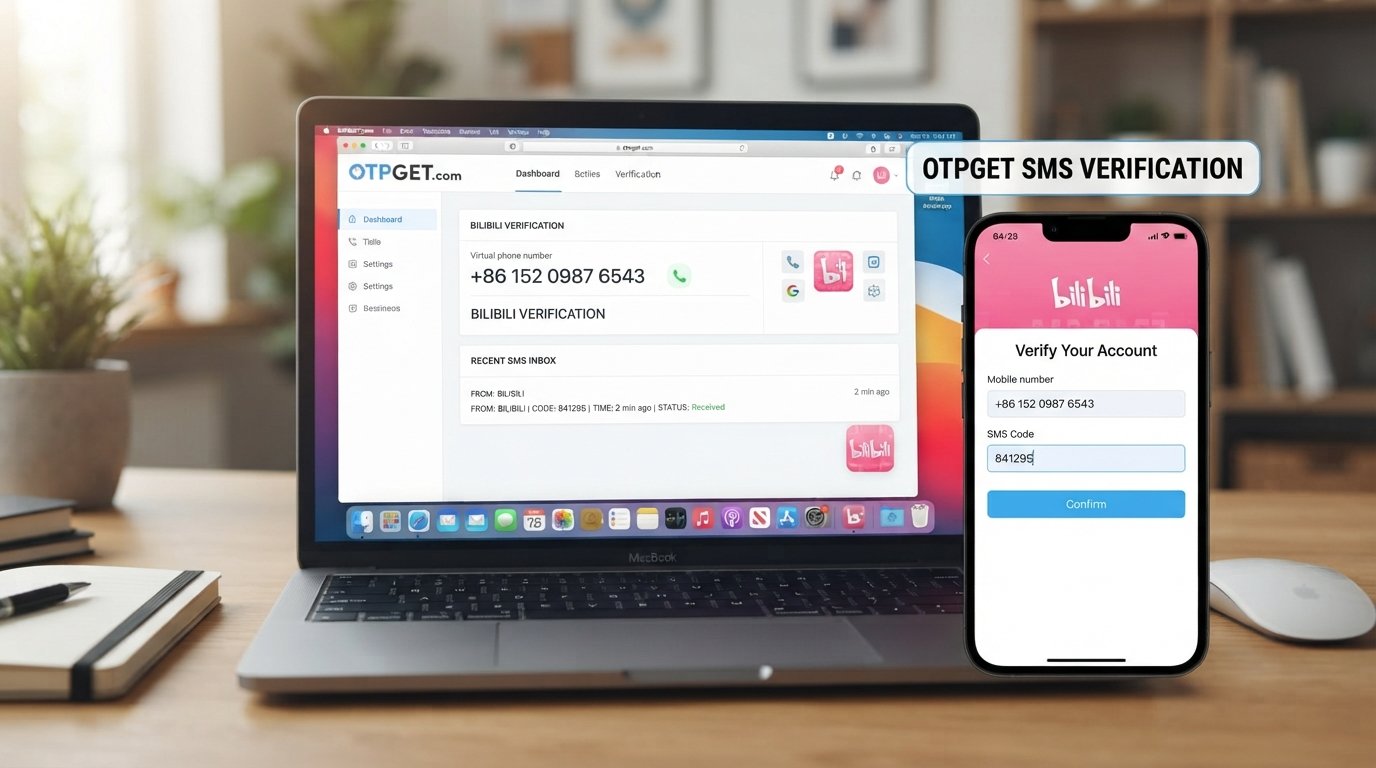
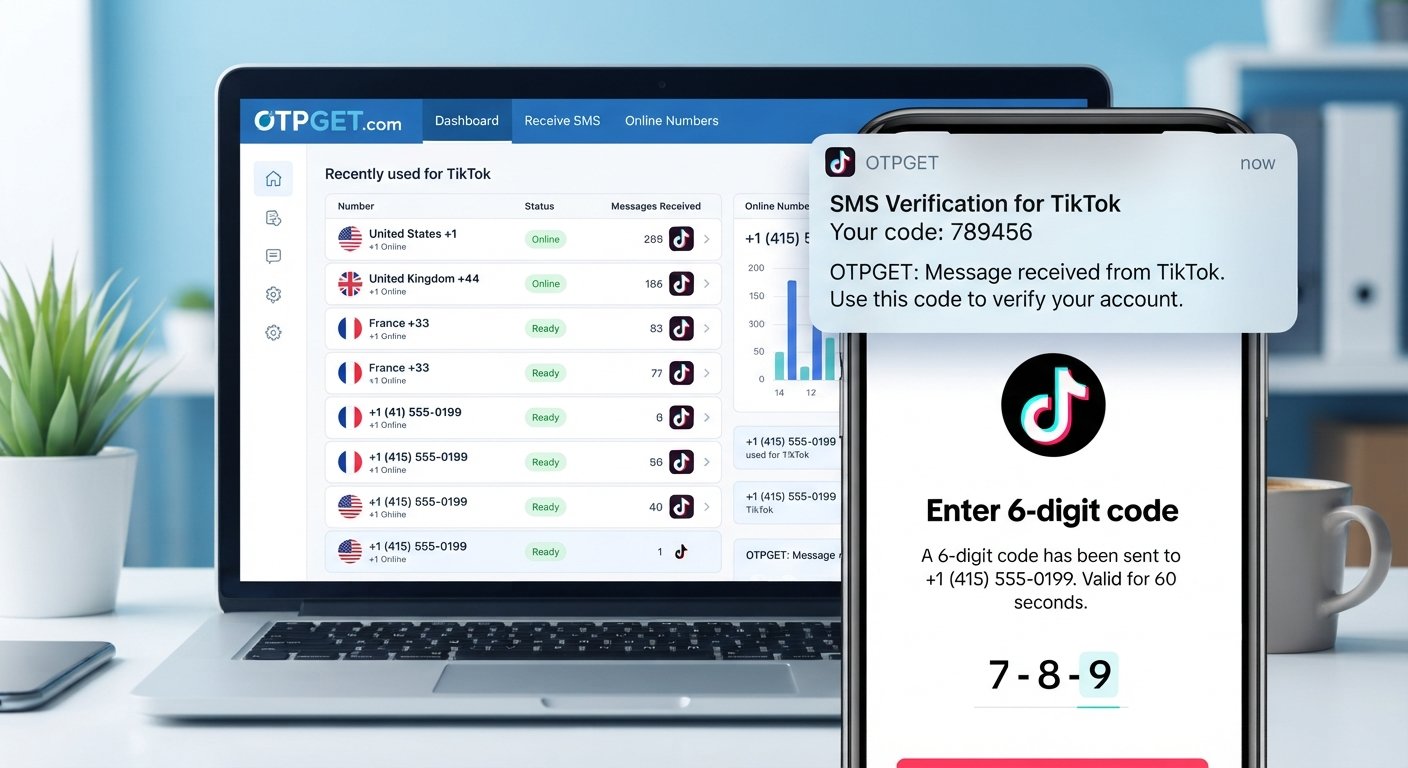
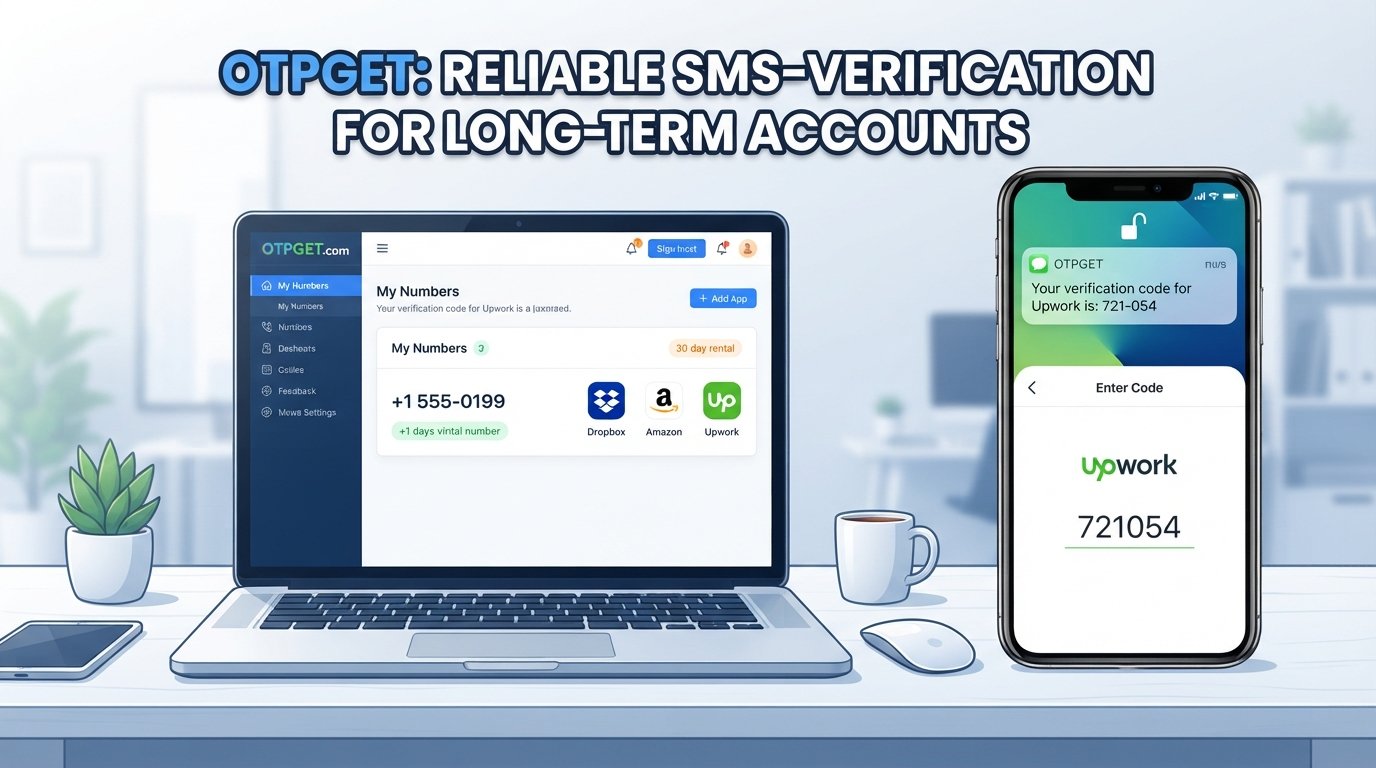
Why OTP Verification Depends on Reliable Number Availability
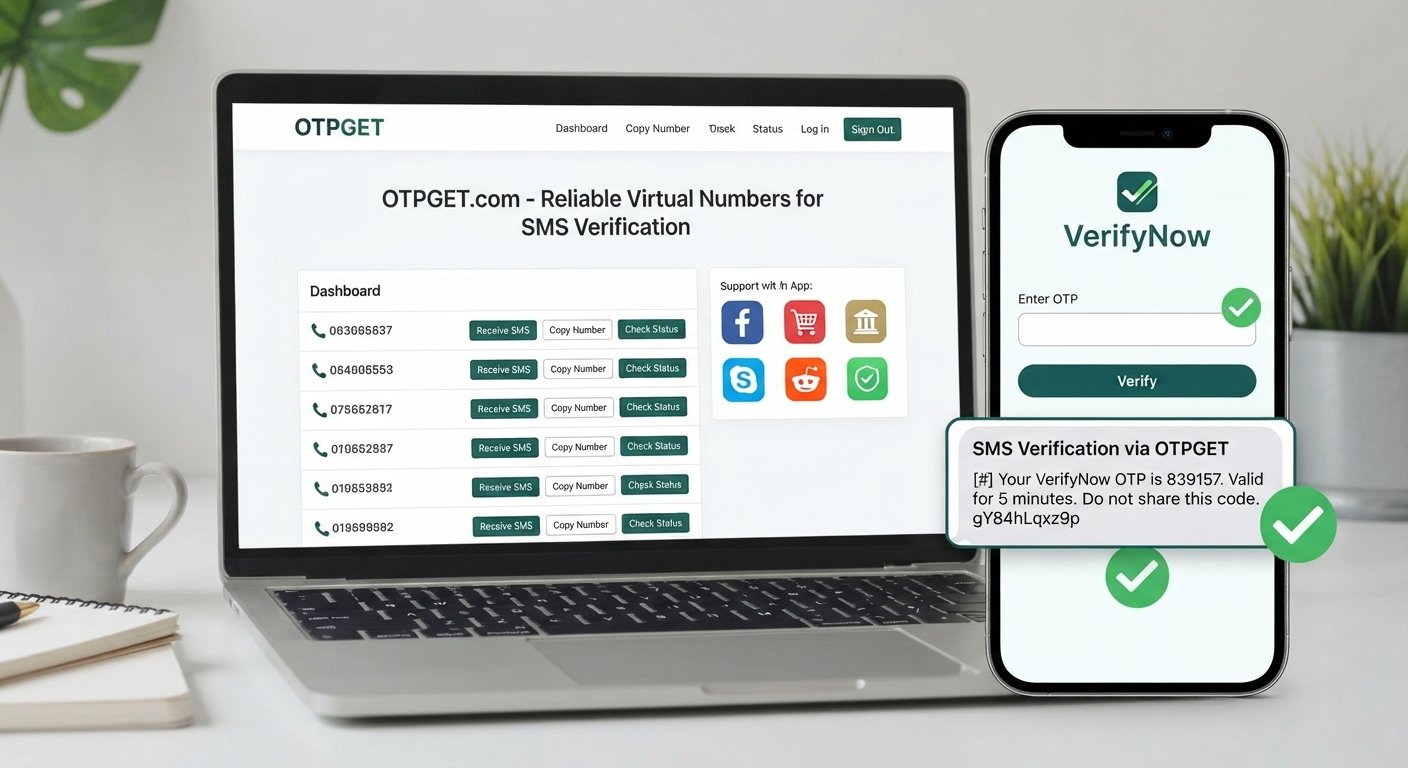
Why Number Availability Matters for OTP Verification
Imagine signing up for a service, entering your phone number, and waiting for a verification code that never arrives. You try again. Still nothing. Maybe the number is unavailable, unsupported, inaccessible, or simply not suitable for that particular verification workflow.
From the user's perspective, OTP verification looks straightforward: enter a number, receive a code, and complete the process. Behind that simple interaction, however, successful verification depends on several moving parts. One of the most important is phone number availability.
If an appropriate number cannot receive the verification message, the process can stop before verification even begins. That makes number availability an important consideration for individuals and businesses using SMS-based authentication and verification workflows.
Solutions such as OTPGET can provide a practical option when access to a suitable number is part of the verification process. But first, it is worth understanding why number availability matters so much.
What Is OTP Verification?
OTP verification uses a one-time password to confirm that a person can access a particular phone number or communication channel.
An OTP is typically a temporary verification code generated for a specific authentication or verification request. It may be sent through SMS, depending on the service and its verification process.
Businesses commonly use OTP verification for tasks such as:
- Account registration
- Login verification
- Phone number verification
- Account recovery
- User authentication
- Transaction or action confirmation
- Mobile number verification
The basic process is simple. A user provides a phone number, the service sends a verification code, and the user enters that code to complete verification.
The important detail is that the code needs somewhere to go. If the selected number cannot receive or provide access to the SMS, the entire verification process can become difficult.
Why Number Availability Matters for OTP Verification
Number availability is more than simply having a phone number on hand. The number needs to be appropriate and accessible for the particular verification workflow.
When a service sends an OTP, several things need to happen successfully. The number must be available, the message must be accepted for delivery, and the user must be able to access the resulting verification code.
When those conditions are met, the process can feel almost effortless.
For example, consider someone creating an account on an online platform. They enter a verification phone number and request an OTP. If the number is suitable and accessible, they receive the code and continue. If the number cannot receive the message, the user may have to repeat the request or find another number.
This is why phone number availability can directly affect:
- OTP delivery
- Verification completion
- User convenience
- Account registration
- SMS authentication
- Overall verification experience
A number can also be technically available but unsuitable for a particular service or workflow. Compatibility therefore matters alongside availability.
For businesses, this becomes even more important. A verification process is only useful when users can reasonably complete it. Number-related obstacles can introduce unnecessary friction into what should otherwise be a straightforward experience.
Common Problems Caused by Poor Number Availability
When suitable numbers are difficult to access, several problems can appear during an OTP verification process.
OTP Messages May Not Arrive
The most obvious issue is an OTP that never reaches the intended number. Without access to the code, verification cannot be completed.
Verification Messages May Be Delayed
Even when a number can receive SMS messages, delays can create confusion. Users may request multiple codes because they assume the first message failed.
Some Numbers May Not Be Supported
A number that works for one service may not necessarily work for another. Different platforms can have their own verification requirements and restrictions.
Available Numbers Can Become Difficult to Manage
When users or teams need numbers repeatedly for legitimate verification workflows, finding a suitable number at the right time can become an operational challenge.
Repeated Attempts Can Create Friction
If a user repeatedly requests verification codes because of number or delivery problems, the experience becomes frustrating and less efficient.
Registration Can Be Abandoned
A complicated verification process can interrupt the user's journey. If completing verification becomes too difficult, some users may simply stop the process.
These challenges show why an OTP service should be considered as more than a mechanism for sending codes. The availability and accessibility of the verification phone number are important parts of the overall experience.
Why Businesses Need a Reliable OTP Verification Solution
For businesses, phone-based verification is often part of a larger user journey. The goal is not simply to send an SMS. The goal is to help the intended user complete the required verification process smoothly.
A practical OTP verification solution should therefore be evaluated from several angles.
Number availability is an obvious starting point. Users need access to appropriate numbers when a verification workflow requires them.
Accessibility matters because receiving an OTP is only useful when the verification message can actually be viewed.
Reliability is also important. A verification process should be designed with the expectation that messages, numbers, and services can encounter limitations.
Ease of use affects how quickly users can understand and complete the process.
Scalability can matter for businesses that handle verification across multiple users or workflows.
Finally, user experience should remain central. A technically functional verification process can still feel difficult if the user has to repeatedly search for numbers, wait for messages, or restart the process.
The right OTP verification service should therefore fit the actual workflow rather than simply offering a way to receive a code.
How OTPGET Can Help
When number availability becomes a bottleneck, having a dedicated solution can make the verification process more manageable. This is where OTPGET can fit into the workflow.
OTPGET can be considered a practical option for users who need access to phone numbers for OTP and SMS verification workflows. Rather than treating the phone number as an afterthought, OTPGET places the number-access requirement closer to the center of the verification process.
Depending on the user's legitimate verification needs, a solution like OTPGET can help make tasks involving phone number verification, SMS verification, and access to verification messages more convenient to manage.
The value is particularly clear when the alternative is repeatedly searching for a suitable verification phone number or dealing with uncertainty about whether a number is accessible for a particular workflow.
OTPGET can be useful to consider when you need a more organized approach to phone-based verification requirements, while still recognizing that individual services can have their own rules and compatibility requirements.
The key point is simple: OTP verification depends on more than the code itself. It also depends on having an appropriate number available to receive and access that code.
By addressing the number-access part of the workflow, OTPGET can serve as a practical tool for users navigating legitimate SMS and phone-number verification needs.
Key Benefits of Using the Right Number for OTP Verification
Choosing an appropriate verification number can make the overall process more straightforward.
Smoother Verification
When a suitable number is available, there are fewer obstacles between requesting an OTP and accessing the verification code.
Easier Access to OTP Codes
A number that is accessible for the intended workflow gives users a clearer path to receiving their verification message.
Reduced Verification Friction
Avoiding unnecessary searches for suitable numbers can simplify the verification journey.
Better User Experience
A straightforward process helps users focus on completing the intended task rather than troubleshooting number-related issues.
More Organized Workflows
For people managing multiple legitimate verification requirements, having a structured approach to number access can make the process easier to manage.
Greater Flexibility
Different verification situations can have different requirements. Having an appropriate number available can provide more flexibility when navigating those requirements.
These benefits are not about guaranteeing that every OTP will arrive or that every service will accept every number. Instead, they highlight an important principle: number availability is a foundational part of phone-based verification.
What to Look for in an OTP Verification Service
Whether you are evaluating OTPGET or another OTP verification service, consider the complete workflow rather than focusing only on the ability to receive a message.
Here are several factors worth reviewing:
- Number availability: Can you access an appropriate number when you need one?
- Ease of access: Is the process straightforward for the intended verification workflow?
- Message accessibility: Can you conveniently access the OTP or verification SMS?
- Reliability: Does the solution provide a practical and consistent workflow for its intended use?
- Compatibility: Does the number work with the service you are trying to verify with?
- User experience: Can users complete the process without unnecessary complexity?
- Transparency: Are limitations and usage expectations clearly communicated?
- Scalability: Can the approach support your expected verification needs?
- Privacy and security: Are you comfortable with how phone numbers and verification information are handled?
- Documentation and support: Is useful information available when questions or issues arise?
OTPGET can be part of this evaluation for users looking for a practical solution around phone-number availability and OTP verification needs.
The important thing is to match the service to your actual workflow and verify compatibility with the platform you intend to use.
OTP Verification Is More Than Just Receiving a Code
It is easy to think of OTP verification as a single action: receive a code and enter it.
In reality, it is a sequence of connected steps:
- A suitable phone number must be available.
- The verification request is initiated.
- The service generates a one-time password.
- The OTP is sent through the relevant channel, such as SMS.
- The message reaches the available number.
- The user accesses the verification code.
- The code is entered into the required verification process.
- Verification is completed if the code and other requirements are accepted.
A problem at any stage can interrupt the journey.
That is why OTP delivery and number availability deserve attention when evaluating an OTP service. The code itself may be perfectly valid, but it cannot help if the user cannot access the message.
This broader view also explains why a convenient number-verification solution can be valuable. It addresses an important part of the process before the OTP even reaches the user's screen.
Final Thoughts
Number availability is a fundamental part of successful OTP verification.
A one-time password can only be useful when there is an appropriate way to receive and access it. Issues involving unavailable, inaccessible, delayed, or unsuitable numbers can add friction to account verification, SMS authentication, and other phone-based workflows.
For users and businesses, the right approach is to look at the entire verification journey: number availability, message accessibility, compatibility, convenience, and the overall user experience.
OTPGET can be a practical option to explore when access to phone numbers is an important part of your OTP or SMS verification workflow. By making number availability a deliberate part of the process, you can approach phone-based verification in a more organized and convenient way.
If you are looking for a practical way to handle phone-number requirements for legitimate verification workflows, explore OTPGET and see whether it fits your OTP verification needs.
8. FAQ Section
Why is number availability important for OTP verification?
Number availability matters because an OTP needs an accessible destination. If a suitable phone number is unavailable or cannot receive the verification message, the user may be unable to complete the verification process.
What happens when an OTP verification number is unavailable?
If the required number is unavailable, inaccessible, or unsuitable for a particular service, the OTP may not be received or the verification workflow may not be completed. The user may need to use another appropriate number or follow the service's alternative verification process.
Can a temporary phone number receive OTP codes?
A temporary phone number may be able to receive OTP codes when the relevant service accepts that type of number and the number can access incoming messages. Compatibility varies by platform, so users should check the requirements of the service they are verifying with.
What should I look for in an OTP verification service?
Consider number availability, message accessibility, compatibility, reliability, ease of use, privacy considerations, scalability, transparency, and the overall user experience. The right choice depends on the specific verification workflow.
How does phone number availability affect SMS verification?
SMS verification depends on the ability to deliver and access the verification message. If an appropriate number is unavailable or unsuitable, the user may not be able to receive the code needed to complete verification.
How can OTPGET help with OTP verification needs?
OTPGET can be considered as a practical option for users who need access to phone numbers for OTP and SMS verification workflows. It can help make the number-access portion of legitimate verification requirements more convenient to manage, subject to the requirements of the service being verified.
9. SEO Keyword Usage Summary
Primary keyword:
OTP verification
Brand keyword:
OTPGET
Main secondary keywords used:
OTP verification service, phone number verification, SMS OTP verification, SMS verification, OTP service, verification codes, phone number availability, temporary phone number, SMS verification service, receive OTP online, mobile number verification, secure OTP verification, verification phone number, online number verification, OTP authentication, user verification, account verification, SMS authentication, verification platform, reliable OTP service, OTP delivery, verification process
Search intent addressed:
- Understanding why number availability matters for OTP verification
- Understanding why OTP messages may not arrive
- Learning how phone number availability affects SMS verification
- Identifying factors to consider when choosing an OTP verification service
- Understanding the role of temporary or virtual numbers in legitimate verification workflows
- Improving the convenience and organization of phone-based verification
- Exploring OTPGET as a practical option for OTP and phone-number verification needs