OTPGET Privacy Policy: How We Handle Your Data Securely Online
OTPGET Privacy Policy – How We Handle Your Data
A phone number can look like a simple detail on a signup form, but it can quickly become connected to your accounts, messages, identity, and online activity. That is why many people hesitate before entering their personal number on every website that requests SMS verification.
For privacy-conscious users, a temporary phone number can offer a practical alternative for suitable verification situations. Instead of immediately sharing a primary number, users can consider a temporary number for OTP and SMS-based verification where appropriate.
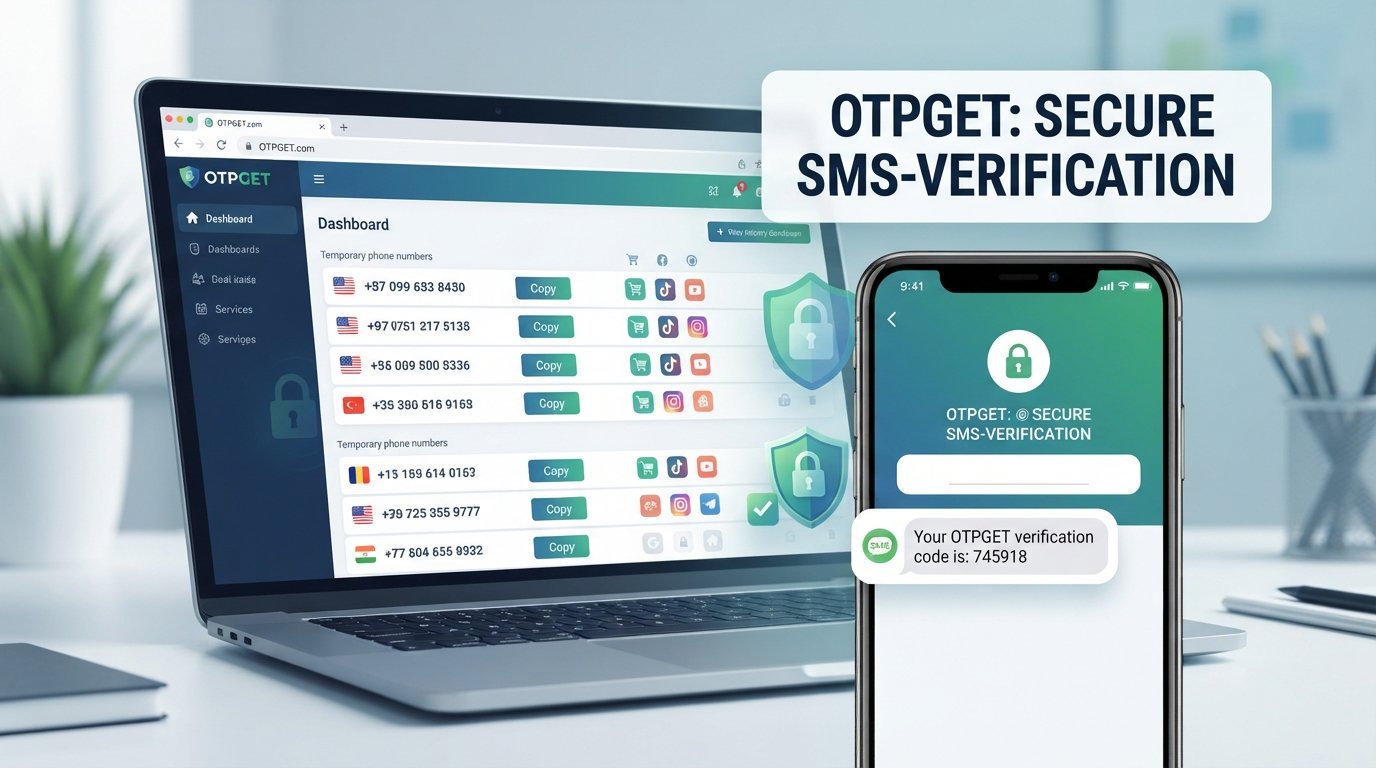
OTPGET is designed around this need, helping users access temporary phone numbers and receive verification messages online while reducing the need to expose their personal phone number unnecessarily.
Understanding how privacy works with an OTP receiving service is just as important as understanding how the verification itself works. This guide explains the role of temporary numbers, how OTP verification works, what users should consider about data handling, and how OTPGET can fit into a more privacy-conscious online workflow.
Why Phone Number Privacy Matters
Your phone number is more than a way for someone to contact you. It may be associated with online accounts, recovery options, messaging services, registrations, and other personal information.
Sharing a primary number with every website can therefore create unnecessary privacy concerns. Once a number is connected to multiple services, users may have less control over where that information appears or how it is used.
This does not mean you should avoid providing a phone number whenever verification is required. Instead, it is worth considering why the number is being requested and whether your personal number is actually necessary.
For suitable situations, a temporary phone number can provide an additional layer of separation between everyday communications and online verification activity. This is one reason temporary phone numbers have become useful to people who care about phone number privacy and digital privacy.
What Is OTPGET?
OTPGET is a platform designed to help users access temporary phone numbers and receive OTP and SMS verification messages online.
The basic idea is straightforward: when a website or online service requires a verification code, a user may be able to use a suitable temporary number instead of immediately providing their personal phone number.
With OTPGET, the focus is on making temporary SMS receiving and online verification more convenient for appropriate use cases.
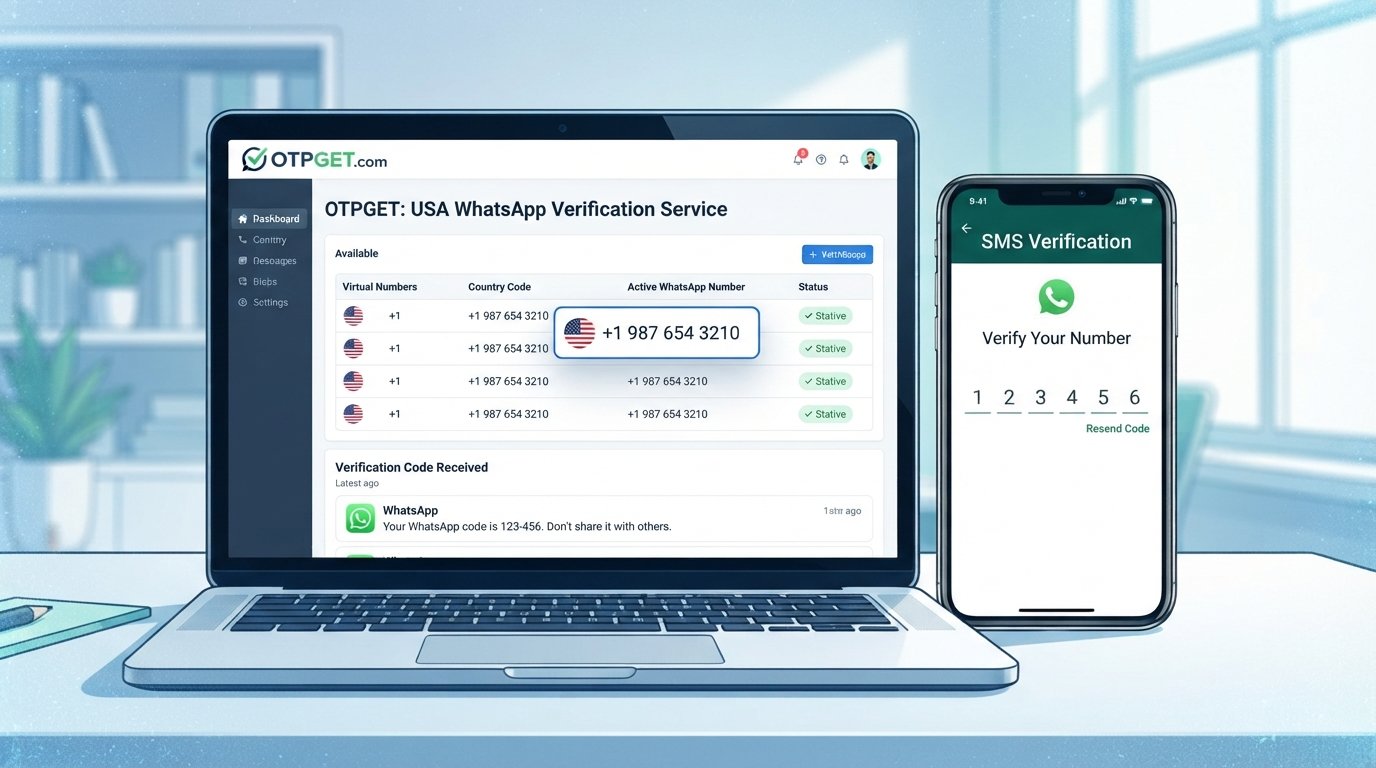
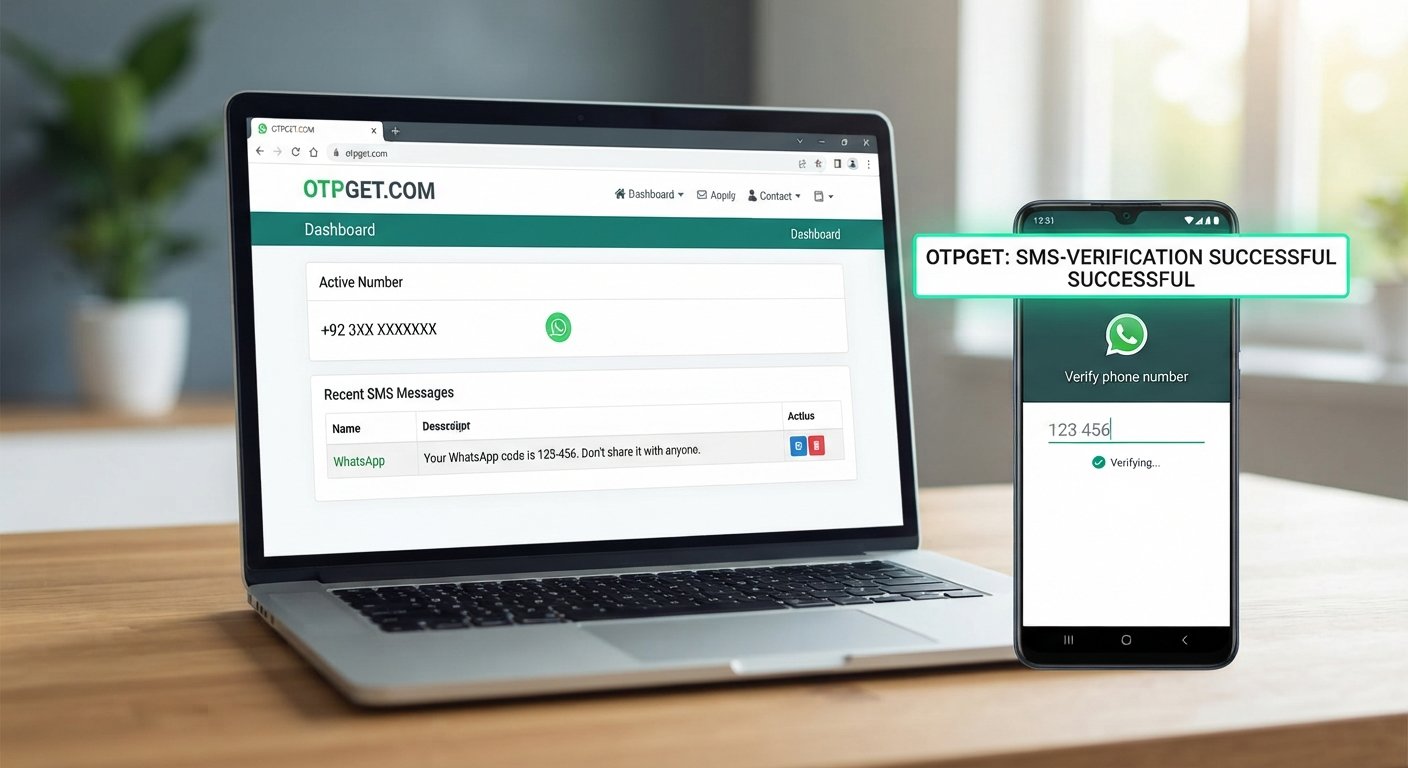
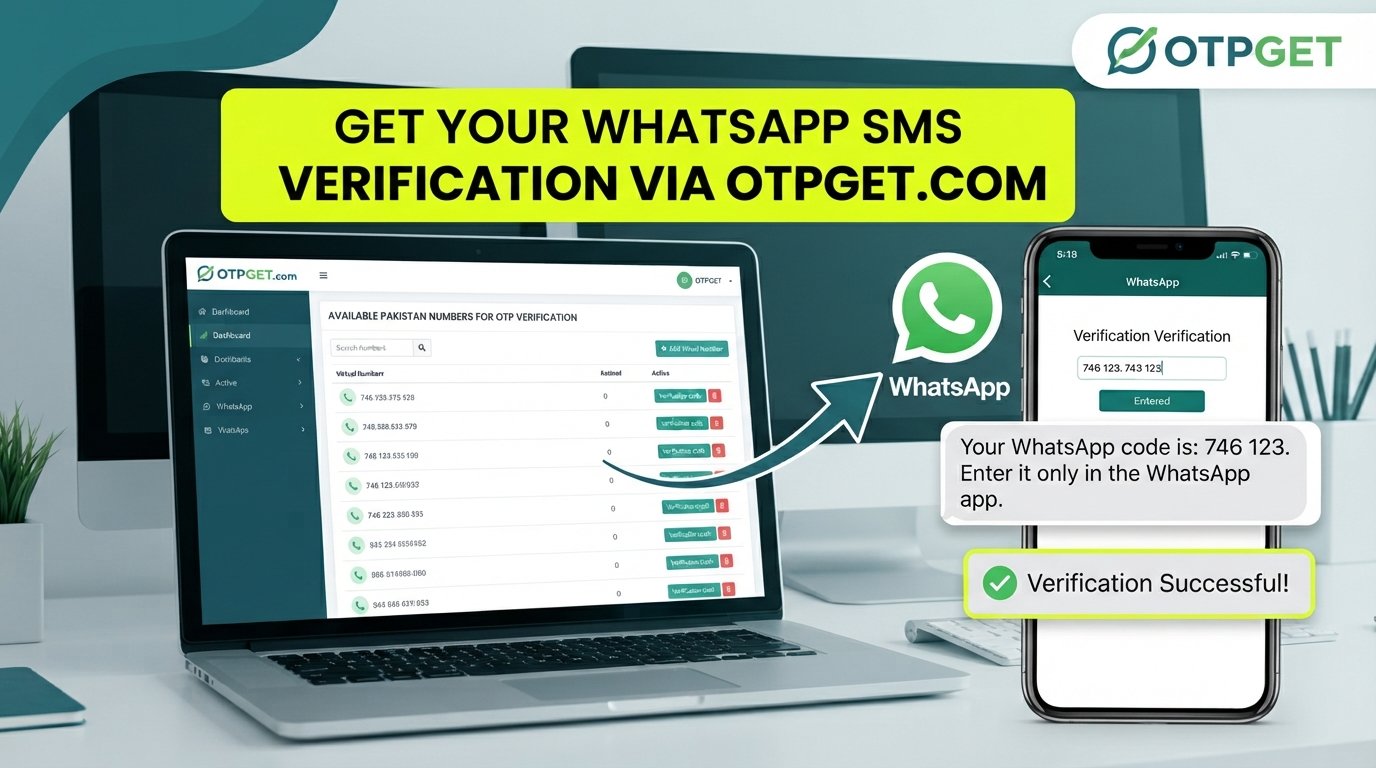
A typical workflow may involve selecting an available temporary number, entering it into the service requesting verification, and receiving the resulting verification SMS through the appropriate OTPGET interface.
This can be useful when the goal is to complete a basic online verification step without unnecessarily exposing a primary personal number.
However, temporary numbers are not a universal replacement for permanent phone numbers. Some services require a number that remains under your long-term control, particularly for account recovery, identity checks, financial services, or important personal accounts.
How OTP Verification Works
OTP verification is a common way for websites and applications to confirm that a phone number can receive messages.
The process is usually simple:
-
A service requests phone verification. The website or application asks for a phone number before allowing the user to continue.
-
The user provides a suitable number. For appropriate scenarios, this may be a temporary phone number rather than a personal number.
-
The service sends an OTP. A one-time verification code is delivered through SMS.
-
The message is received online. The user accesses the verification message through the relevant receiving service.
-
The code is entered. The OTP is submitted to the website or application to complete verification.
This is the basic principle behind services that let users receive OTP online or receive SMS online.
For privacy-conscious users, the advantage is not that OTP verification itself becomes anonymous or risk-free. Rather, a temporary number can reduce the number of situations in which a personal phone number needs to be disclosed.
How OTPGET Handles Your Data
Data privacy deserves careful attention whenever an online service handles phone numbers, SMS messages, or verification-related information.
The exact data practices applicable to OTPGET should always be understood by reviewing the official OTPGET privacy policy and applicable terms. General privacy guidance should not be treated as a substitute for those documents.
Depending on how a service operates, relevant categories of information may include:
-
Information a user voluntarily provides
-
Technical information associated with accessing the service
-
Basic service usage information
-
Information connected with verification activity
-
Temporary phone number and SMS-related information
-
Information required to operate, maintain, or improve the service
The important point is transparency. Users should know what information is collected, why it may be processed, how long it may be retained, and whether third-party providers are involved where applicable.
Security practices also matter. Users should look for clear explanations of how information is handled and should avoid assuming that an online service provides protections that have not been explicitly stated.
OTPGET users should consult the official privacy documentation for the most accurate information about applicable collection, use, retention, disclosure, and security practices.
Privacy is also a shared responsibility. Choosing a privacy-focused service can help, but users should still be thoughtful about what information they submit and which websites they choose to verify.
Why Use a Temporary Phone Number for Verification?
A temporary number can be useful when a website needs an SMS verification code but there is no good reason to expose your everyday personal number.
Potential advantages include:
-
Reduced exposure: Keep your primary phone number away from unnecessary registrations.
-
Separation: Keep temporary online verification activity separate from personal communications.
-
Convenience: Receive suitable verification messages online without relying on your main number.
-
Privacy-conscious registration: Limit how widely your personal contact information is shared.
-
Flexible verification: Use a temporary SMS number for situations where long-term access to the number is not required.
A temporary number for OTP can be particularly useful for low-risk registrations, testing suitable services, or other situations where the website only needs to confirm that an SMS can be received.
There are also clear limitations. A temporary number may not be appropriate for banking, financial accounts, important personal accounts, long-term recovery methods, or services that require a permanent number tied to your identity.
The right choice depends on the purpose of the verification and the requirements of the service involved.
OTPGET and Phone Number Privacy
One of the strongest reasons to consider OTPGET is the separation it can provide between a personal phone number and temporary online verification needs.
Instead of giving your primary number to every website that asks for SMS verification, you can consider a suitable temporary number when the situation allows it.
This can support a more privacy-conscious workflow:
Personal number → kept for important, trusted services
Temporary number → used for suitable temporary verification needs
That separation can reduce unnecessary exposure of personal contact details while making online verification more convenient.
OTPGET can therefore be a practical option for users looking for temporary phone numbers, online SMS reception, and privacy-friendly verification workflows.
The key is to use the service appropriately. A temporary number should not be treated as a guarantee of anonymity, and users should always understand the privacy limitations of the number and service they are using.
Is It Safe to Receive OTPs Online?
Receiving OTPs online can be useful, but safety depends on both the service and the user's behavior.
Before using an online phone number or SMS verification service, consider the following:
-
Choose a service with clear privacy information.
-
Understand what information you are providing.
-
Avoid using shared or temporary numbers for highly sensitive accounts.
-
Never give an OTP to another person simply because they request it.
-
Check the privacy policy of both the receiving service and the website requesting verification.
-
Be cautious if a website asks for information that seems unnecessary.
-
Remember that a publicly accessible or shared number may have privacy limitations.
An OTP is generally intended to verify access during a particular transaction or sign-in process. Treat it as sensitive information.
OTPGET can provide a privacy-focused option for appropriate verification scenarios, but responsible usage remains essential. No temporary number should be considered a substitute for good account security practices.
Best Practices for Protecting Your Personal Number
Protecting your phone number does not require avoiding online services altogether. A few practical habits can make a meaningful difference.
Use your primary number selectively
Give your personal number to services where you trust the provider or where a permanent number is genuinely necessary.
Consider temporary numbers for suitable verification
When a service only needs a one-time or temporary verification step, a suitable temporary number may help reduce unnecessary exposure.
Avoid publishing your number publicly
Be cautious about placing your personal phone number on public profiles, forums, websites, or other easily searchable locations.
Read privacy policies
Before submitting personal information, check how the service says it collects, uses, stores, and shares data.
Never share OTP codes
A legitimate verification code should be entered into the intended service. Do not send your OTP to strangers or unknown contacts.
Strengthen account security
Use strong, unique passwords and enable additional security features when they are available and appropriate.
Be careful with unfamiliar websites
A verification request does not automatically make a website trustworthy. Consider the site's reputation, privacy practices, and the information it requests.
These habits combine with privacy-friendly tools such as temporary numbers to create a more thoughtful approach to online verification.
Why OTPGET Can Be a Practical Privacy Solution
For users who regularly encounter SMS verification requests, OTPGET offers a practical way to consider temporary phone numbers as part of their privacy strategy.
Its usefulness comes from addressing a simple problem: not every online verification request needs access to your primary personal phone number.
With OTPGET, suitable users can explore temporary number access and online SMS reception for verification workflows where a permanent personal number is unnecessary.
The potential benefits include:
-
Temporary phone number access
-
Online SMS reception
-
Convenient OTP verification
-
Reduced exposure of personal contact details
-
Greater separation between personal and temporary online activity
-
A straightforward approach to suitable verification needs
At the same time, good privacy practices require balance. Temporary numbers are not appropriate for every account, and users should always consider the sensitivity and long-term importance of the service they are verifying.
The most trustworthy approach is an informed one: understand what a service requires, know what information you are sharing, and choose the verification method that makes sense for the situation.
For users looking for a temporary number for verification, OTPGET can be a practical option to explore when protecting a primary phone number is a priority.