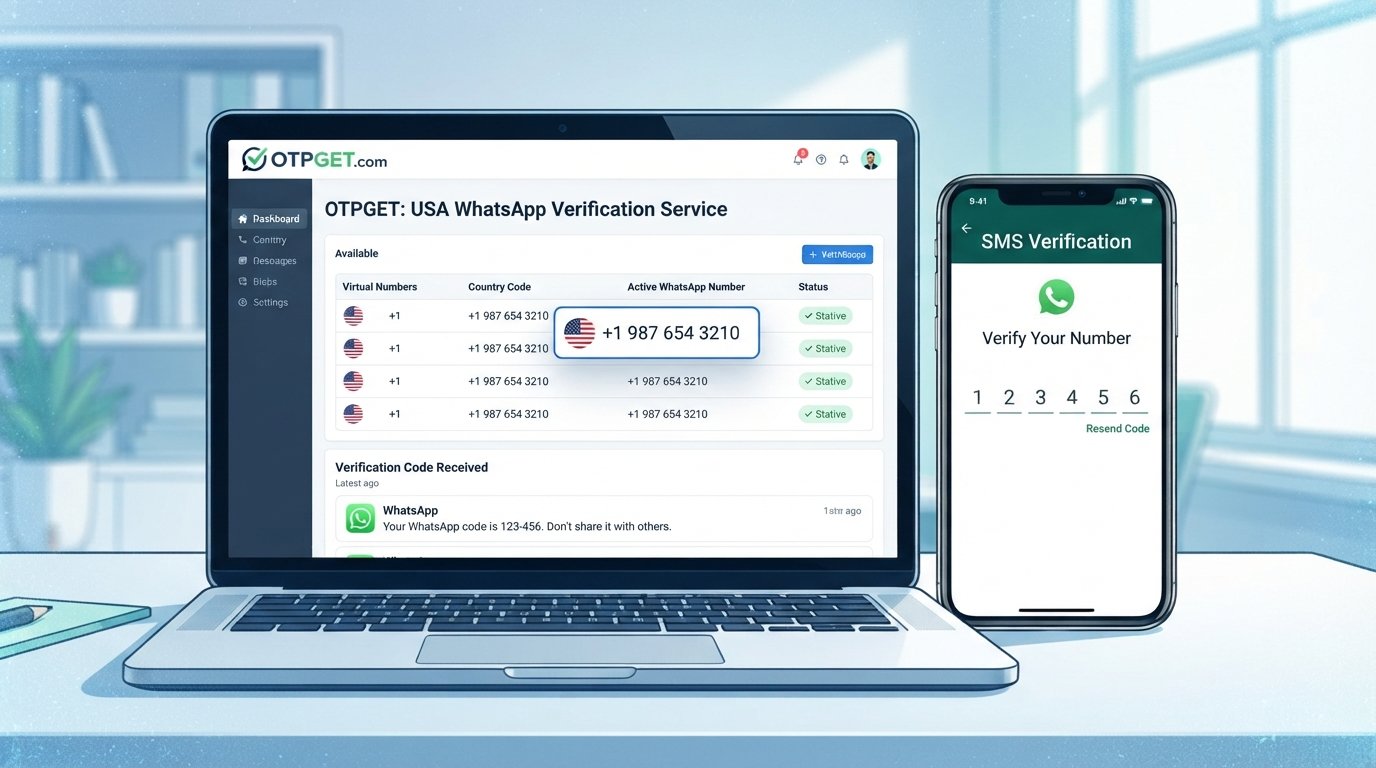
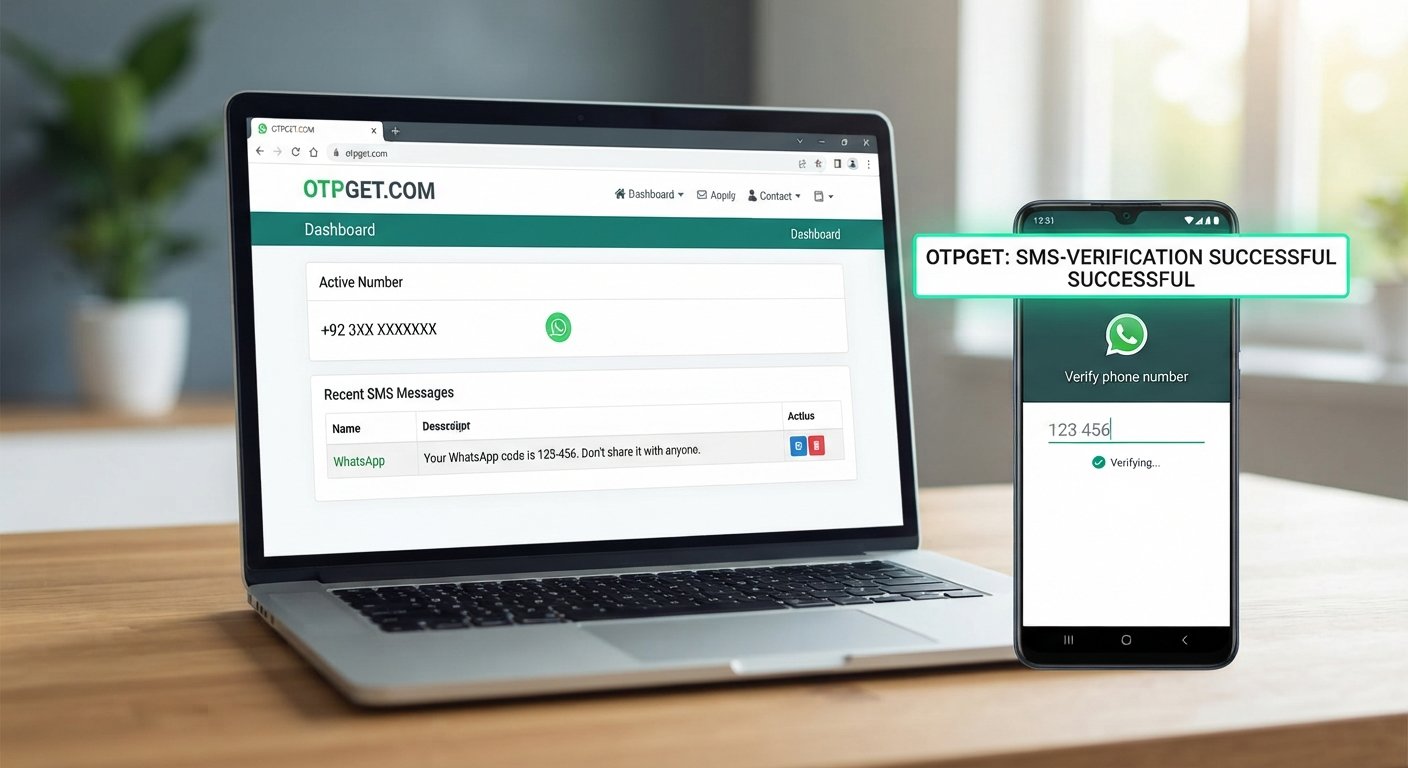
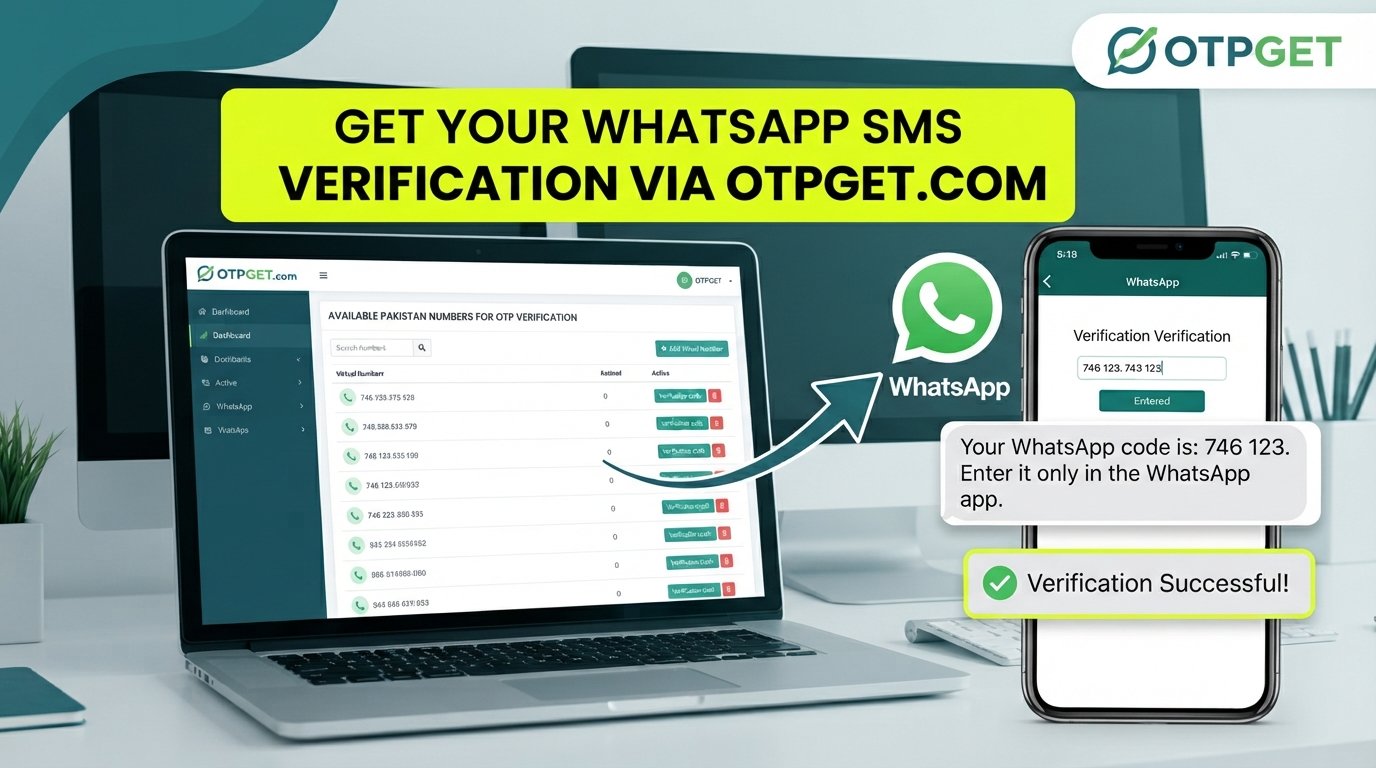
OTPGet Supported Services – Browse All Apps for OTP Verification
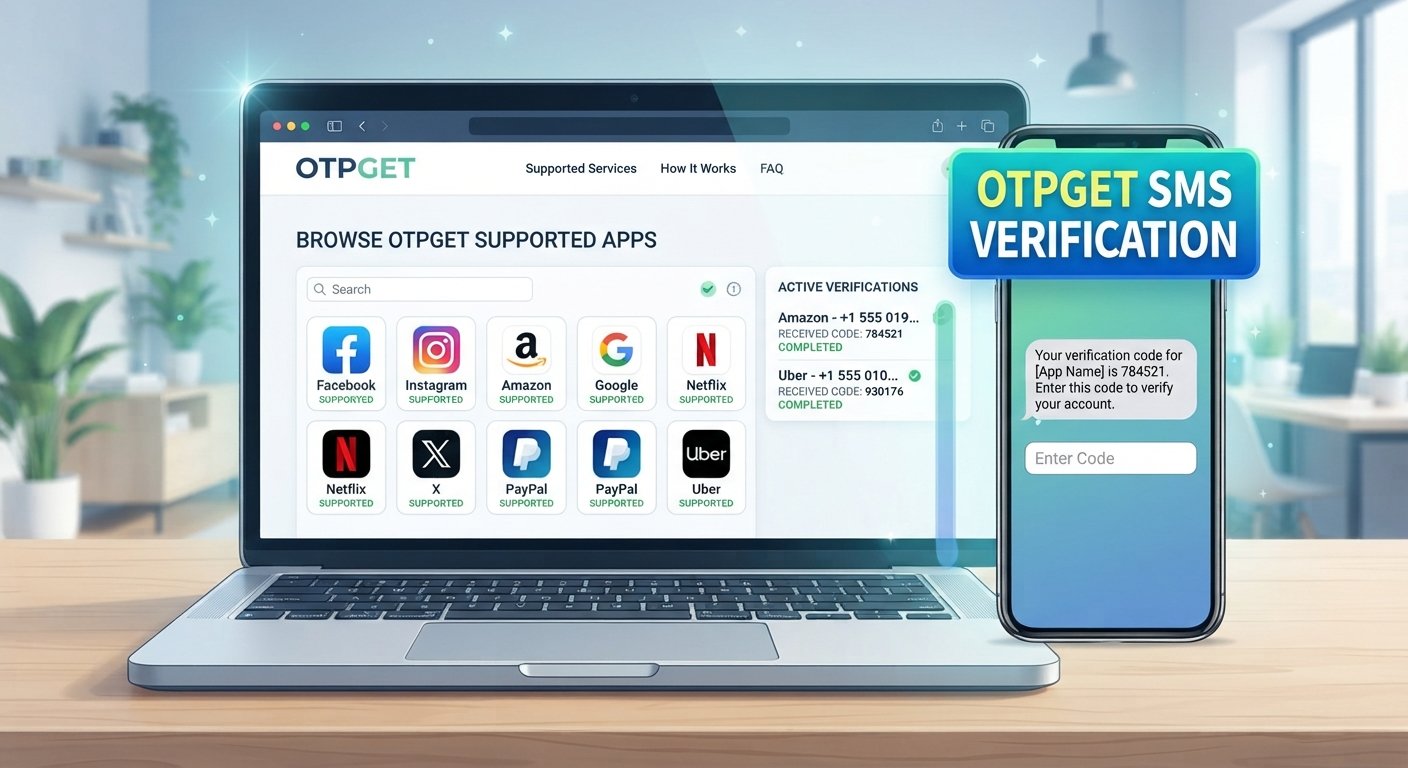
OTPGet Supported Services – Browse All Apps
Finding the right option for phone or OTP verification can sometimes be confusing. Different apps and websites may use different verification requirements, and not every verification service is compatible with every platform.
That is where OTPGET can be useful. Instead of guessing which option may work, users can focus on browsing supported services and identifying an appropriate verification method for the app or website they need to use.
Whether you are trying to understand OTP verification for the first time or simply want to find a compatible service, this guide explains what OTPGet supported services mean, how OTP verification generally works, and what to consider before choosing an option.
What Are OTPGet Supported Services?
OTPGet supported services are the apps, websites, or platforms that are compatible with the verification options available through OTPGET.
In simple terms, a supported service is one where the relevant OTP or phone verification process can be used as intended. Compatibility matters because verification systems are not identical across every platform.
A service may request a phone number, send an SMS verification code, and require that code to be entered before an account or action can be confirmed. If the verification option you select is not compatible with that service, the process may not work as expected.
For that reason, checking support before beginning verification is an important step.
Featured-snippet answer: What are OTPGet supported services?
OTPGet supported services are apps and websites compatible with the verification options provided through OTPGET. Users can browse the current supported-service options to determine whether the app or platform they want to verify is compatible before starting the verification process.
Because supported services can change, users should always rely on the current OTPGET interface or supported-service list rather than an outdated third-party list.
Browse OTPGet Supported Apps
One of the main reasons people search for OTPGet supported apps is simple: they want to know whether a particular app or website is compatible before spending time on the verification process.
The best approach is to treat the supported-service list or interface as the current source of information.
Rather than assuming that every popular platform is supported, look for the exact service you need. If it appears among the available options, review the relevant verification method and follow the instructions provided.
Depending on what is currently available, users may be looking for support related to:
- Mobile and web applications
- Online account registration
- Services that require phone verification
- Platforms that use SMS verification codes
- Apps requiring account or app verification
- Websites with phone number verification requirements
This does not mean every app or website will necessarily be available. Support depends on compatibility and the options offered by OTPGET.
If you cannot find a particular service, avoid relying on an unofficial list or assuming that a similar-looking service will work. Check the current OTPGET options instead.
How OTP Verification Works
OTP verification is a straightforward security process used by many online services.
OTP stands for one-time password or one-time passcode. In a typical SMS verification process, a platform sends a temporary verification code to a phone number associated with the verification attempt.
The general process looks like this:
- A service requests verification.
An app or website asks for a phone number as part of registration, login, account verification, or another permitted activity. - A verification number is provided through the relevant service.
The appropriate phone verification option is selected according to the service's requirements. - The platform sends a verification code.
The app or website generates and sends an OTP or SMS verification code. - The code is entered.
The user enters the received verification code into the required field. - Verification is completed.
If the code is valid and the service accepts the verification method, the process can continue.
The exact experience varies between platforms. Some services may have additional requirements or restrictions, which is why checking compatibility first is important.
Why Users Look for OTP Verification Services
There are several legitimate reasons someone might search for an OTP service or online verification solution.
For example, a user may want to keep verification activity separate from a personal phone number where the platform's rules allow it. Developers or testers may also need to understand how a service handles phone verification during permitted testing activities.
Other common reasons include:
- Completing an app registration process
- Verifying an online account
- Understanding a platform's SMS verification workflow
- Finding a compatible verification option
- Separating certain verification activities from a primary number where appropriate
- Checking whether a particular service is supported
- Reducing confusion around different phone verification requirements
The important point is that an OTP verification service should be used responsibly. Users should follow the rules, terms, and verification requirements of the platform they are accessing.
OTP verification is intended to help confirm access or identity within a platform's process. It should not be used to bypass security controls, impersonate another person, gain unauthorized access, or circumvent restrictions.
Why Choose OTPGET?
When users are looking for verification options, the biggest challenge is often not understanding what an OTP is. It is finding the right supported service for the particular app or website.
That is where OTPGET can serve as a practical starting point.
Instead of searching randomly for an OTP service and hoping it is compatible, users can focus on the supported options available through OTPGET. This makes the discovery process more straightforward.
Some practical advantages include:
- Easier service discovery: Users can focus on finding the app or website they actually need.
- Compatibility awareness: Checking supported services before starting can help avoid unnecessary trial and error.
- Simpler verification planning: Knowing the relevant option in advance makes the process easier to understand.
- Centralized browsing: OTPGET gives users a place to explore available verification-related options rather than relying entirely on scattered information.
- Beginner-friendly approach: Users who are unfamiliar with OTP verification can first understand the supported service and then follow the applicable process.
The key benefit is clarity. OTPGET is a solution for users who want to browse supported services and identify an appropriate OTP verification option without guessing.
That does not mean every service will be supported, nor does it guarantee that a platform will accept a particular verification method. Users should always check the current available options and follow the requirements of the service they are using.
How to Find the Right OTPGet Supported Service
Finding a suitable option does not need to be complicated. A simple process can help you make the right choice.
Step 1: Identify the app or website
Start by determining exactly which platform requires verification. The name of the service matters because support can vary from one platform to another.
Step 2: Check whether the service is supported
Browse the current OTPGET supported-service options and look for the relevant app or website.
Do not assume that support for one platform means another platform will also be supported.
Step 3: Review the available verification option
Once you find the service, review the available option and any instructions provided. Pay attention to requirements that may affect the verification process.
Step 4: Follow the OTPGET process
Use the verification option according to the instructions provided by OTPGET and the platform you are verifying.
Step 5: Enter the verification code
If the platform sends an SMS verification code, enter the correct code in the required field.
Step 6: Complete verification
Once the platform accepts the code, continue with the normal account or application process.
If the service is not supported, do not try to work around its security controls. Instead, use an officially accepted verification method or check whether OTPGET provides another appropriate option.
OTPGet Supported Apps vs. Traditional Verification
Traditional verification often means using a personal mobile number directly with an app or website. A dedicated OTP verification solution can provide an alternative approach where the service and its rules allow it.
| Consideration | Personal Number | OTPGET Approach |
|---|---|---|
| Finding compatibility | Depends on the platform | Check supported services first |
| Service discovery | Often requires separate research | Browse available supported options |
| Verification process | Handled directly through the personal number | Follow the applicable OTPGET option |
| Convenience | Familiar but may not suit every situation | Designed around supported verification use cases |
| Compatibility | Varies by platform | Depends on current supported services |
Neither approach should be treated as universally suitable. The right choice depends on the platform, its verification requirements, and the options currently available through OTPGET.
The most important consideration is always legitimate use. Verification should support normal account, app, testing, or other permitted activities—not attempts to defeat a platform's security measures.
Common Questions About OTPGet Supported Services
What are OTPGet supported services?
OTPGet supported services are apps and websites that are compatible with the verification options currently available through OTPGET. Users should check the current supported-service interface for the most relevant information.
How do I browse OTPGet supported apps?
Start by checking the current OTPGET service or app listing and look for the platform you need to verify. Using the current interface is preferable to relying on unofficial or outdated lists.
Does OTPGET support every app?
No service should be assumed to support every app or website. Compatibility depends on the available OTPGET options and the verification requirements of each platform.
How do I check whether a service is supported?
Search or browse the current OTPGET supported-service options for the exact app or website. If it is not listed, check the latest available information rather than assuming compatibility.
What is an OTP verification service?
An OTP verification service provides a method for receiving or handling one-time verification codes used by compatible platforms. The exact process depends on the service and its verification requirements.
How does SMS verification work?
A platform typically sends a one-time verification code by SMS after a phone number is submitted. The user enters that code into the platform to confirm the verification step.
Can I use OTPGET for app verification?
OTPGET may be useful for app verification where the specific app is among its currently supported services and the verification method is accepted by that platform. Always check current compatibility first.
What should I do if a service is not supported?
If a service is not currently supported, use an officially accepted verification method provided by that platform or check whether OTPGET offers another compatible option. Avoid attempting to bypass the platform's verification requirements.
Final Thoughts
Finding the right verification option becomes much easier when you start with compatibility instead of guesswork.
OTPGET gives users a practical place to explore supported services and identify suitable OTP verification options for apps and websites. Rather than assuming that every platform works with every verification method, users can check the available supported services first and then follow the appropriate process.
If you are searching for OTPGet supported services, start by identifying the exact app or website you need to verify. Then check the current OTPGET supported options, review the relevant instructions, and use the method that fits the platform's requirements.
For the best experience, always use verification services responsibly and follow the terms and security requirements of the platforms you access.
FAQ SCHEMA CONTENT
Question: What are OTPGet supported services?
Answer: OTPGet supported services are apps and websites compatible with the verification options currently available through OTPGET. Users should check the current supported-service options for accurate compatibility information.
Question: How do I browse OTPGet supported apps?
Answer: Browse the current OTPGET supported-service options and look for the exact app or website you need to verify. Use the current listing rather than relying on unofficial lists.
Question: Does OTPGET support every app?
Answer: No. Support depends on the services and verification options currently available through OTPGET. Users should check compatibility before beginning verification.
Question: How do I check whether a service is supported?
Answer: Search the current OTPGET supported-service options for the exact platform. If it is not listed, use an officially accepted verification method or check for another available option.
Question: What is an OTP verification service?
Answer: An OTP verification service provides a method for handling one-time verification codes used by compatible apps and websites. The exact process varies by platform.
Question: How does SMS verification work?
Answer: A platform sends a one-time verification code by SMS after a phone number is submitted. The user enters the received code to complete the verification step.
Question: Can I use OTPGET for app verification?
Answer: OTPGET can be used for app verification when the specific app is supported and the verification method is accepted by the platform. Check current compatibility before proceeding.
Question: What should I do if a service is not supported?
Answer: Use an officially accepted verification method from the platform or check whether OTPGET provides another compatible option. Do not attempt to bypass the platform's verification requirements.
INTERNAL LINKING SUGGESTIONS
- OTPGET Home
- OTPGET Supported Apps
- OTP Verification Guide
- How OTP Verification Works
- OTPGET FAQ