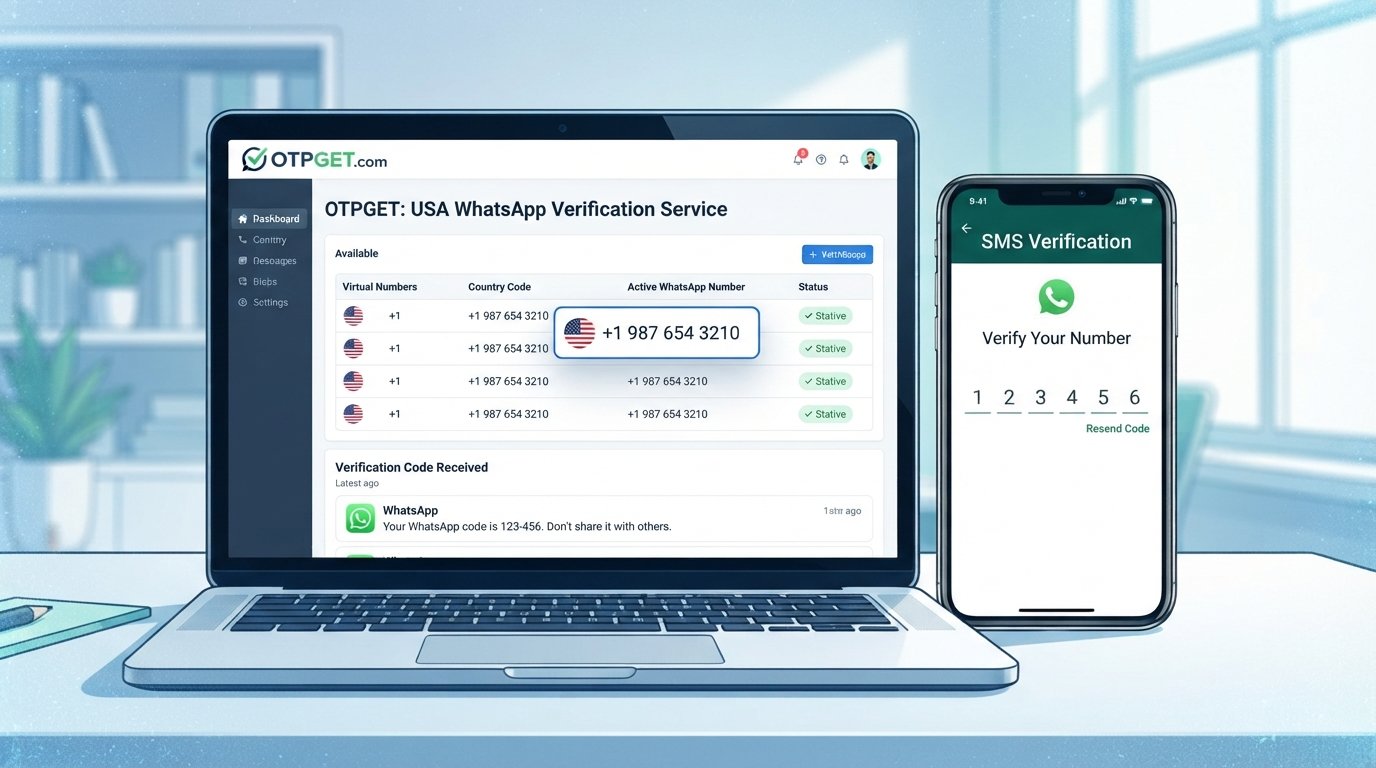
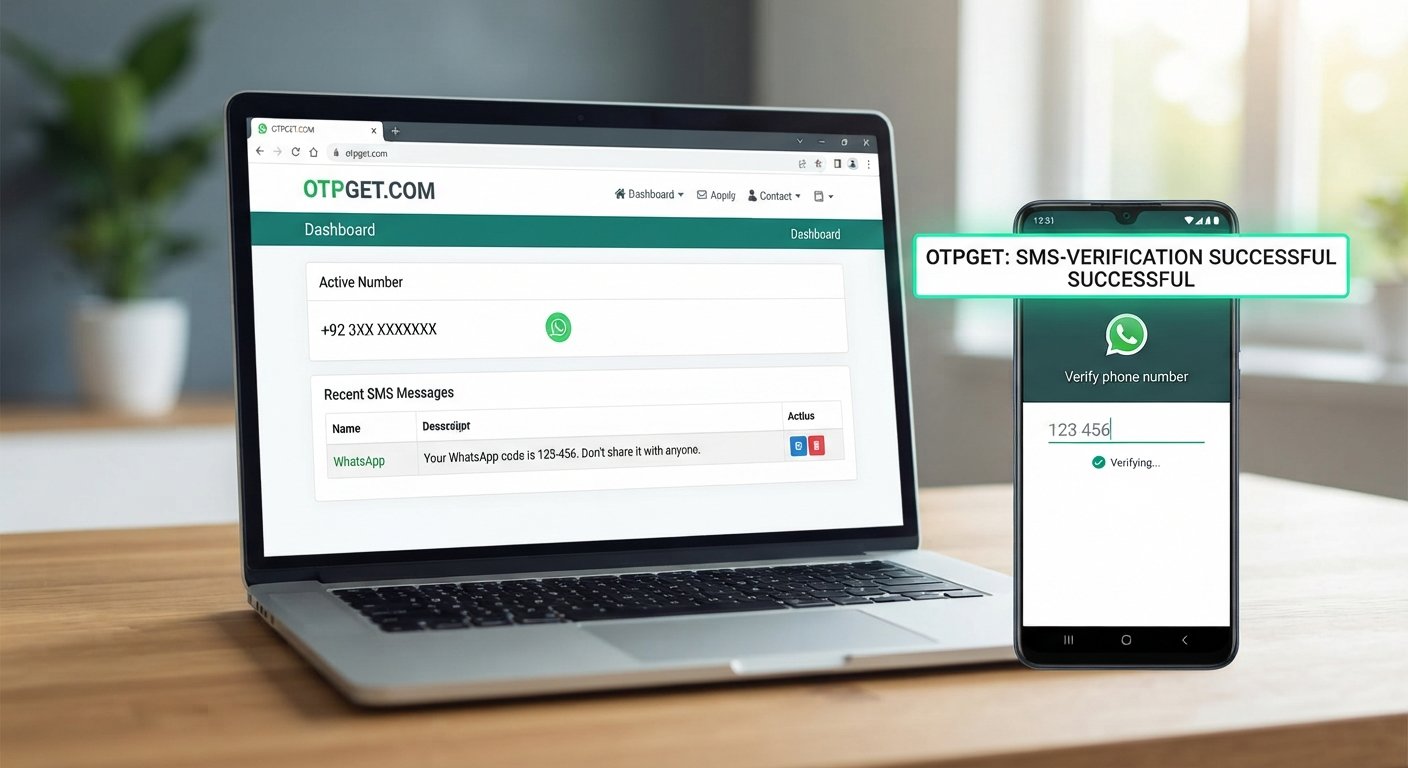
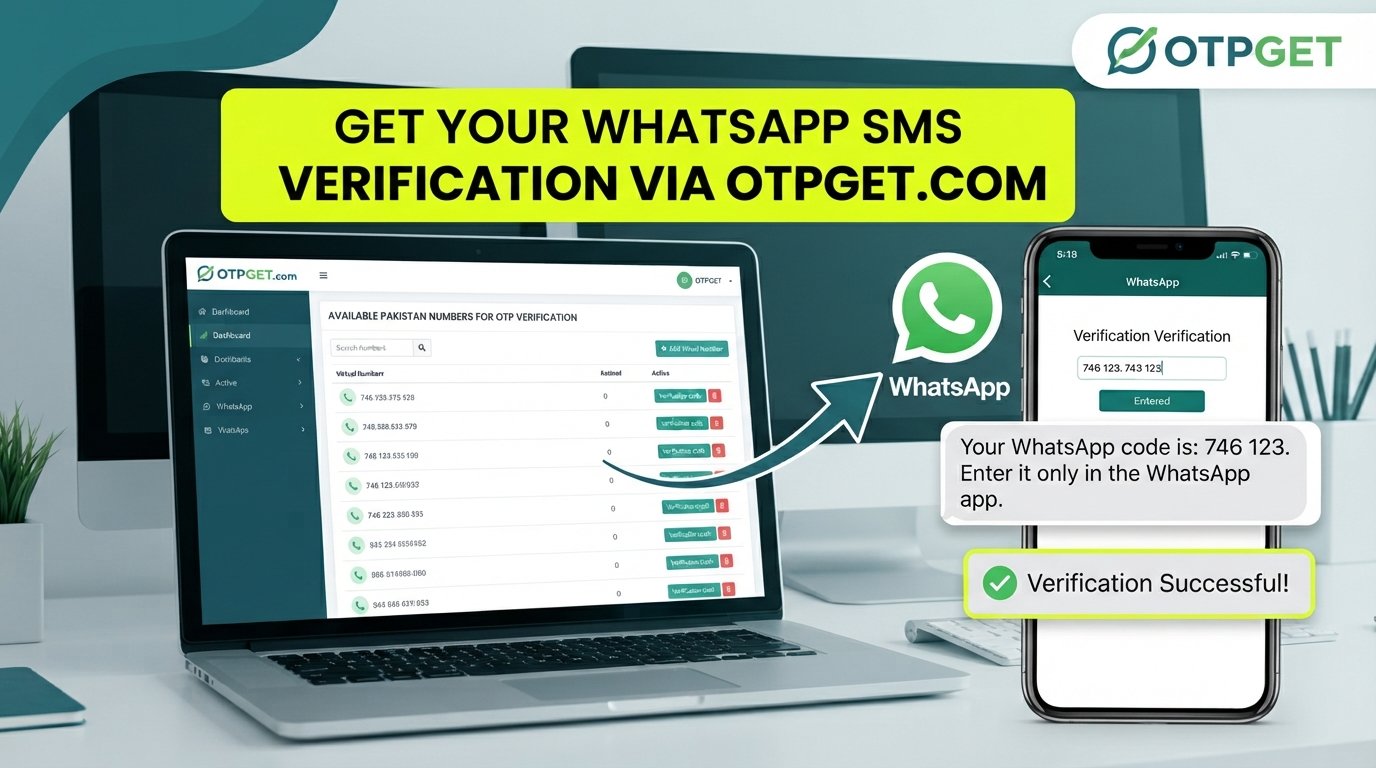
OTPGet Terms: Rules for Using Our Numbers Safely and Responsibly
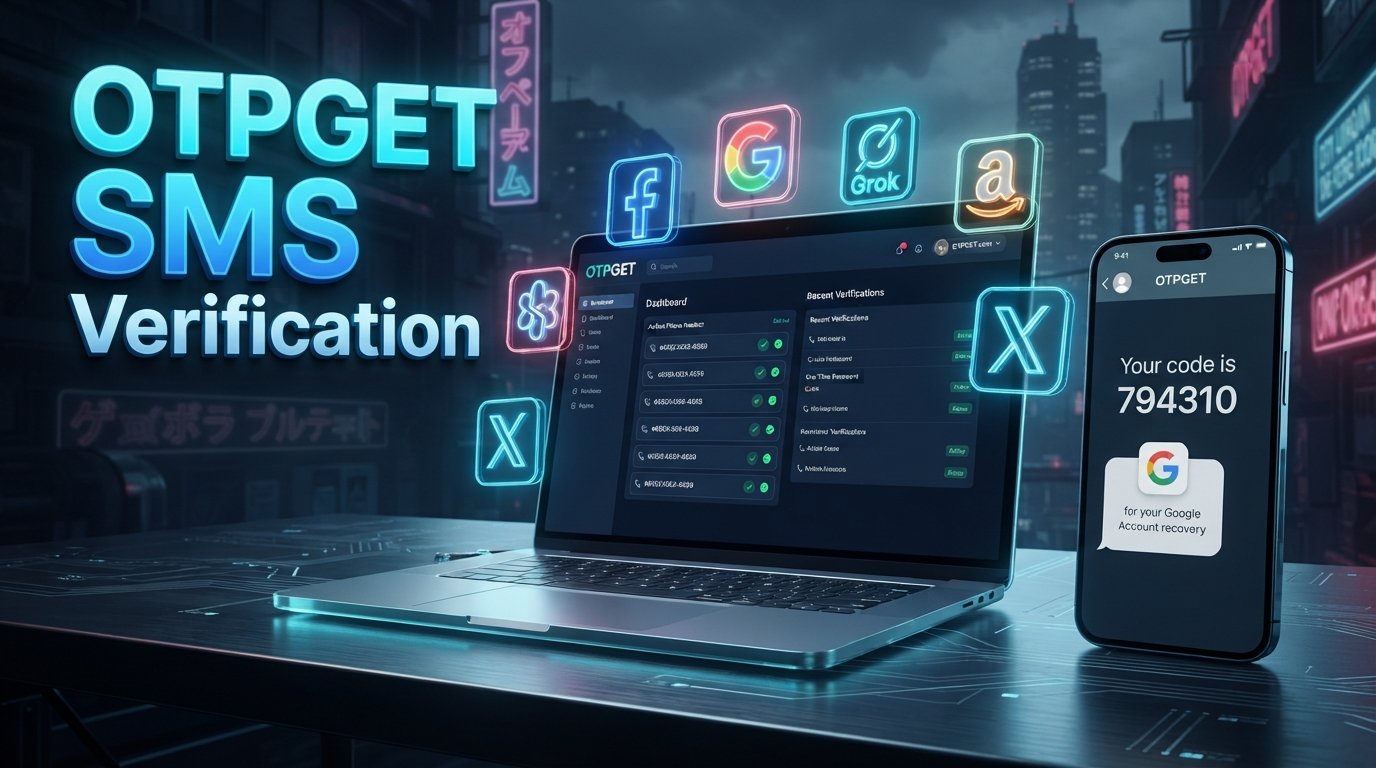
OTPGet Terms – Rules for Using Our Numbers
When you need to verify an online account or test an SMS-based workflow, using a temporary phone number can be a practical alternative to using your personal number every time. However, temporary numbers should be used with care. Understanding the rules, limitations, and appropriate use cases helps you avoid unnecessary problems and choose the right verification method.
OTPGET provides access to numbers intended for legitimate temporary verification and SMS receiving needs. Whether you need to receive OTP online, test an application, or complete an appropriate verification process, it is important to understand what temporary numbers can—and cannot—do.
These OTPGet terms are designed to encourage responsible use while helping users make informed decisions about OTP verification, online SMS verification, and temporary phone numbers.
What Is OTPGET?
OTPGET is a service designed around temporary and online phone-number use for receiving verification SMS and one-time passwords where supported.
In a typical verification process, a website or application sends a verification code by SMS to a phone number. The recipient then enters that code into the relevant service. With an appropriate temporary number, users can receive verification messages without necessarily using their everyday personal number.
This can be useful for legitimate temporary verification, development, testing, and other situations where a temporary SMS number is appropriate.
However, an online phone number is not a universal replacement for a permanent personal number. Whether a particular website accepts a temporary or virtual number depends on that website's own systems and policies.
Why OTPGet Terms and Rules Matter
Temporary phone numbers are useful, but they come with practical considerations.
Different websites and applications have different verification requirements. Some may accept virtual numbers, while others may restrict temporary or disposable numbers. A service may also limit repeated verification attempts or require a permanent number for account recovery.
Following the OTPGet terms and conditions helps users understand these boundaries before starting a verification process.
Responsible use also matters because OTP numbers are part of broader security systems. Attempting to manipulate, bypass, or abuse verification mechanisms can violate the rules of the service being accessed and may result in restrictions or loss of access.
The simplest approach is to use a temporary number only when it is appropriate, permitted, and genuinely needed.
OTPGET Number Usage Rules
The following practical rules provide a straightforward framework for using OTPGET numbers responsibly:
- Use numbers for lawful and legitimate purposes.
Temporary numbers should be used for appropriate verification, testing, and other lawful activities. - Respect third-party terms.
Before using an OTP receiving number, check whether the website or application permits temporary, virtual, or online numbers. - Do not use numbers for fraud or scams.
OTPGET numbers should never be used to deceive people, facilitate fraudulent transactions, or support scams. - Do not attempt unauthorized access.
A verification code should only be used as part of an account or process you are legitimately authorized to access. - Do not impersonate another person.
Temporary numbers should not be used to pretend to be someone else or misrepresent your identity for harmful purposes. - Avoid abusive automation.
Repeated or excessive verification requests can interfere with third-party systems and may violate their rules. - Do not circumvent security controls.
Temporary numbers should not be used as a method for bypassing security restrictions, account safeguards, or access controls. - Understand that numbers are temporary.
A temporary phone number should not automatically be treated as a permanent communication or account-recovery method.
These rules are not intended to make verification complicated. They help ensure that an OTP service remains useful for legitimate users and appropriate use cases.
Acceptable Uses of OTPGET Numbers
There are many reasonable situations where a temporary number can be useful.
For example, developers may need an OTP receiving number while testing an application's SMS verification flow. QA teams may need to check whether verification messages are triggered correctly. A user may also need a temporary number for an account-related verification process where the relevant platform permits it.
Other legitimate uses can include:
- Testing SMS-based workflows
- Development and QA environments
- Temporary verification where permitted
- Checking an application's verification process
- Testing notification and SMS functionality
- Situations where a temporary phone number is suitable for the task
The key distinction is authorization and purpose. A temporary number can be a practical tool for testing or verification, but it should not become a method for defeating another service's security or usage restrictions.
What You Should Not Do With OTPGET Numbers
Some activities are clearly inappropriate for a temporary number service.
Do not use OTPGET numbers for fraud, scams, harassment, spam campaigns, unauthorized access, identity impersonation, or other unlawful activity. You should also avoid attempts to bypass platform restrictions simply because a temporary number is available.
Similarly, do not use verification codes to access accounts that do not belong to you or to interfere with another person's account.
Responsible use is straightforward: if an activity would violate the law, another person's rights, or the rules of the platform involved, an OTP receiving service should not be used to facilitate it.
Understanding Temporary Phone Number Limitations
One of the most important parts of the OTPGet rules is understanding that temporary numbers have limitations.
Number availability can change. A particular number may not always be available, and users should not assume that a specific number will remain available indefinitely.
Some services may block temporary numbers. Websites and applications can decide which types of numbers they accept. A virtual or temporary phone number may therefore work for one verification process but not another.
SMS delivery depends on the originating service. If a website does not send a message correctly, delays or delivery problems may be related to the originating platform rather than the receiving service.
Some verification systems do not support virtual numbers. Certain services may require a conventional mobile number or another specific verification method.
Temporary numbers are not automatically permanent recovery numbers. If an important account requires a long-term phone number for password recovery or security notifications, a personal number that you control over the long term may be more appropriate.
Being transparent about these limitations is essential. A responsible SMS receiving service should not promise that every verification system will accept every temporary number.
Privacy and Responsible Verification
One reason people consider temporary phone numbers is to avoid unnecessarily using their everyday number for every short-term verification task.
That can be a reasonable privacy consideration, but temporary numbers should not be treated as a guarantee of anonymity or complete security.
Users should still think carefully about the information they provide to websites and applications. Avoid entering sensitive personal or financial information unless it is genuinely required, and review the privacy practices and terms of the service you are using.
It is also important to remember that receiving an SMS does not make the underlying account or service trustworthy. A verification code confirms part of a verification process; it does not eliminate the need for good account-security practices.
Best Practices for Using OTPGET
Following a few simple habits can make temporary verification more practical:
- Check the target service's rules first. Make sure temporary or virtual numbers are permitted.
- Use OTPGET for legitimate purposes only. Verification and testing should be authorized and appropriate.
- Protect sensitive information. Do not share passwords, payment information, or unnecessary personal details.
- Use a permanent number when appropriate. Important accounts may require a long-term number for recovery or security.
- Avoid repeated verification attempts. Excessive requests can trigger restrictions on the service you are using.
- Understand the temporary nature of the number. Do not assume future access will remain available.
- Follow the instructions of the originating platform. Its verification requirements ultimately determine whether a number can be used.
These practices keep the process simple while reducing the chance of using a temporary number for a situation where a permanent phone number would be more suitable.
Why Choose OTPGET?
When a temporary number is the right solution, convenience matters. OTPGET gives users a straightforward option for legitimate temporary OTP and SMS verification needs without requiring them to treat every verification task as a long-term phone-number commitment.
The practical value is in having an option that fits short-term situations: testing a service, checking an SMS workflow, completing an appropriate verification process, or receiving a verification code online when temporary numbers are accepted.
OTPGET is best approached as a practical tool rather than a way around another platform's rules. That distinction matters. Users who understand the limitations of temporary numbers and follow responsible-use principles are better positioned to get value from an online SMS number.
If you need a temporary verification number for a legitimate purpose, OTPGET provides a convenient starting point for exploring that option.
Frequently Asked Questions
What is OTPGET?
OTPGET is a service focused on temporary and online phone numbers for receiving OTPs and verification SMS where the relevant service permits their use.
What are OTPGET numbers used for?
OTPGET numbers can be used for legitimate temporary verification, SMS testing, development, QA, and other appropriate situations where a temporary number is accepted.
Can I receive OTPs online with OTPGET?
Yes, OTPGET is designed for receiving verification messages online through available temporary numbers. However, successful delivery depends on the originating service and whether it accepts the number type.
Are OTPGET numbers permanent?
Temporary numbers should not be assumed to be permanent. Availability and suitability can change, so they should not automatically be used as a long-term account-recovery method.
Can every website accept temporary phone numbers?
No. Each website or application sets its own verification requirements. Some services may accept virtual or temporary numbers, while others may restrict them.
Is it safe to use a temporary number for verification?
A temporary number can be appropriate for legitimate verification, but users should not assume that temporary numbers provide complete anonymity or security. Always consider the privacy practices and requirements of the service involved.
What should I avoid when using OTPGET?
Avoid fraud, spam, scams, unauthorized access, identity impersonation, harassment, security bypasses, and attempts to circumvent platform restrictions.
Can I use OTPGET for important account recovery?
A permanent personal number is generally more appropriate when an important service requires a long-term recovery or security number. Always follow the account provider's requirements.
Conclusion
Understanding the OTPGet terms and conditions is an important part of using temporary phone numbers responsibly.
OTPGET numbers can be useful for legitimate OTP verification, SMS testing, development, and temporary verification situations. At the same time, they have practical limitations. Not every service accepts temporary numbers, availability can change, and a temporary number should not automatically be treated as a permanent account-recovery solution.
The best approach is simple: check the target platform's rules, use numbers lawfully, protect sensitive information, and choose a permanent number whenever a service requires long-term account ownership or recovery.
For users who need a practical option for legitimate temporary verification and online SMS receiving, OTPGET offers a straightforward solution to explore.
Suggested Internal Links
| Suggested Anchor Text | Suggested Page/Topic |
|---|---|
| How OTP verification works | Guide explaining OTPs, verification codes, and SMS-based authentication |
| Temporary phone numbers | Comprehensive guide to temporary and virtual phone numbers |
| Receive SMS online | Guide to receiving SMS messages through online numbers |
| OTP verification guide | Step-by-step educational guide to OTP verification |
| Online SMS verification | Overview of SMS-based verification and common use cases |
| Privacy and temporary numbers | Educational guide covering privacy considerations and temporary numbers |
| FAQ about OTP numbers | Dedicated FAQ covering common questions about OTP receiving numbers |
| Choosing a temporary SMS number | Guide explaining what to consider before selecting a temporary number |
Featured Image Alt Text
OTPGET temporary phone numbers for OTP verification and responsible online SMS use
Featured Image Title
OTPGET Terms and OTP Verification Rules
Featured Image Caption
Understanding OTPGET terms, temporary numbers, SMS verification, and responsible verification practices.
FAQ Schema Questions
Question 1: What is OTPGET?
Answer: OTPGET is a service focused on temporary and online phone numbers for receiving OTPs and verification SMS where the relevant service permits their use.
Question 2: What are OTPGET numbers used for?
Answer: OTPGET numbers can be used for legitimate temporary verification, SMS testing, development, QA, and other appropriate situations where a temporary number is accepted.
Question 3: Can I receive OTPs online with OTPGET?
Answer: OTPGET is designed for receiving verification messages online through available temporary numbers. Successful delivery depends on the originating service and whether it accepts the number type.
Question 4: Are OTPGET numbers permanent?
Answer: Temporary numbers should not be assumed to be permanent. Availability and suitability can change, so they should not automatically be used as a long-term account-recovery method.
Question 5: Can every website accept temporary phone numbers?
Answer: No. Each website or application sets its own verification requirements. Some services may accept virtual or temporary numbers, while others may restrict them.
Question 6: Is it safe to use a temporary number for verification?
Answer: A temporary number can be appropriate for legitimate verification, but users should not assume that temporary numbers provide complete anonymity or security. Always consider the privacy practices and requirements of the service involved.
Question 7: What should I avoid when using OTPGET?
Answer: Users should avoid fraud, spam, scams, unauthorized access, identity impersonation, harassment, security bypasses, and attempts to circumvent platform restrictions.
Question 8: Can I use OTPGET for important account recovery?
Answer: A permanent personal number is generally more appropriate when an important service requires a long-term recovery or security number. Users should always follow the account provider's requirements.
Final SEO Checklist
- SEO title is 60–65 characters: Confirmed
- Meta title is optimized: Confirmed
- Meta description is approximately 160 characters: Confirmed
- URL slug is SEO-friendly: Confirmed
- Meta tags are comma-separated: Confirmed
- Primary keywords are used naturally: Confirmed
- Secondary keywords are used naturally: Confirmed
- Article is 1200–1800 words: Confirmed
- OTPGET is clearly positioned as the solution: Confirmed
- FAQs are included: Confirmed
- Thumbnail prompt is included: Confirmed
- Image SEO elements are included: Confirmed
- No year included
- No keyword stuffing is used: Confirmed
- No unsupported claims are included: Confirmed