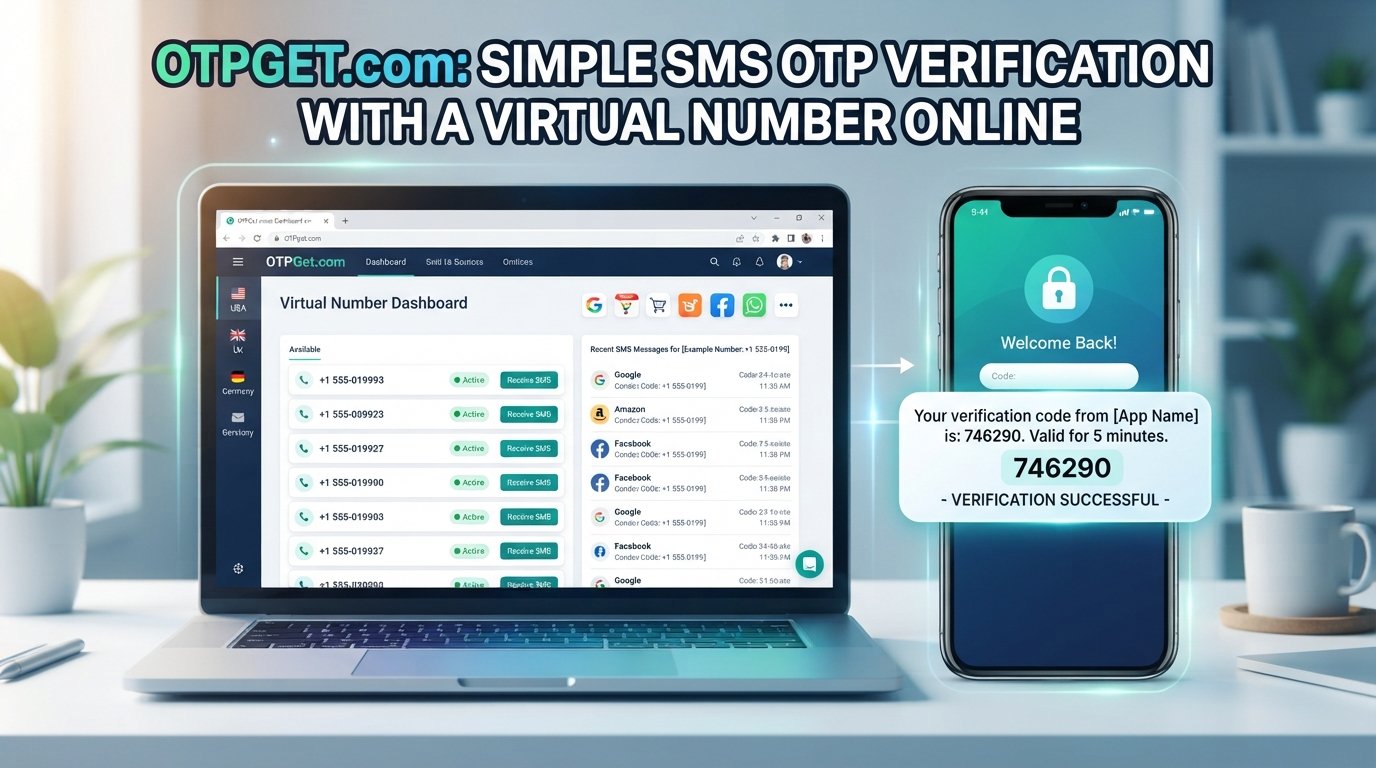
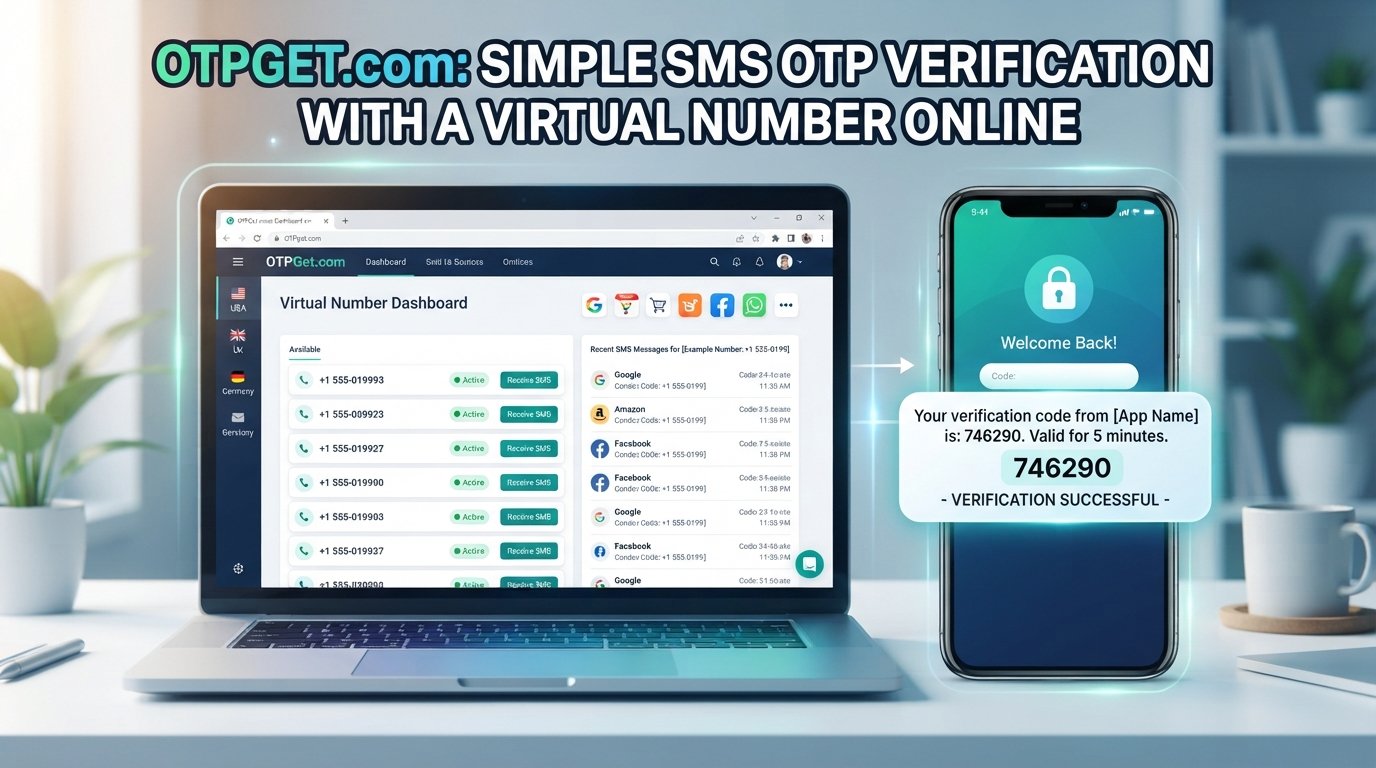
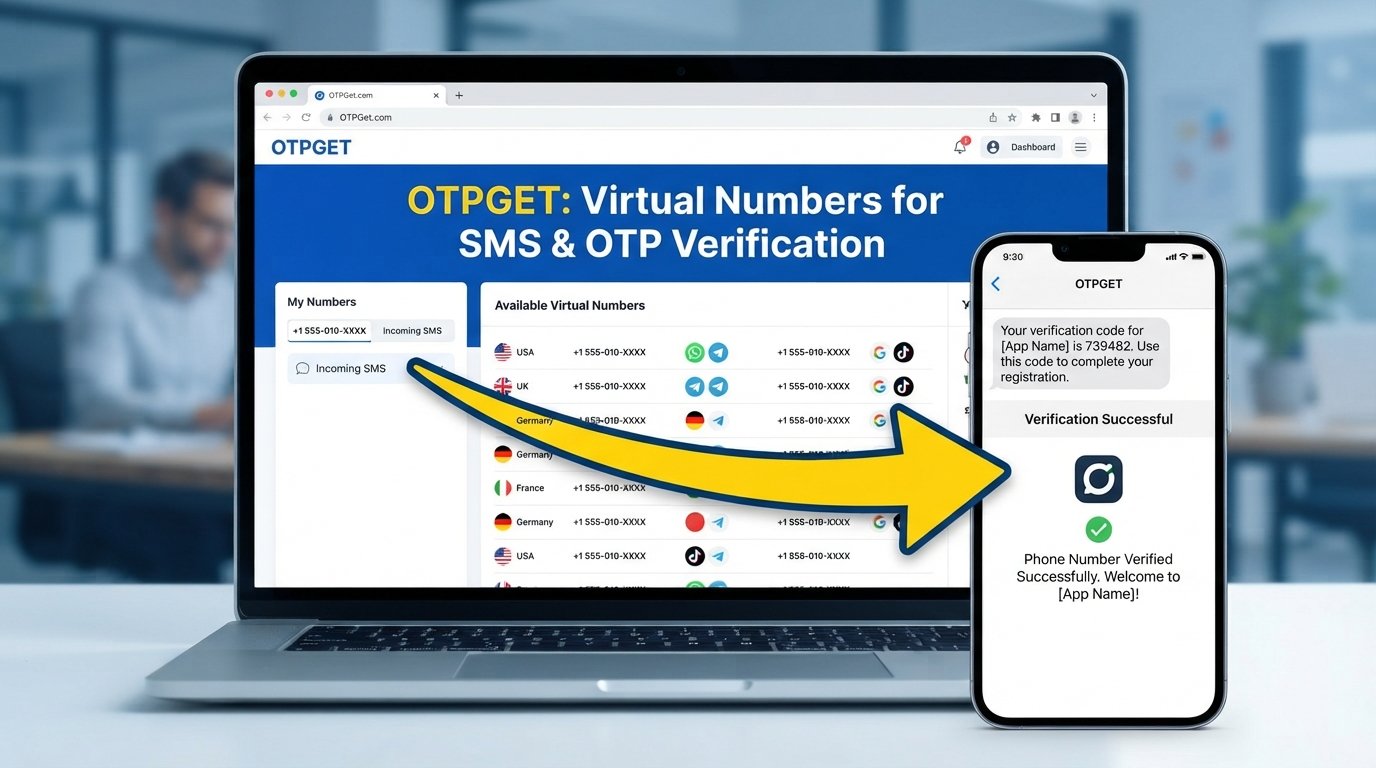
OTPGet (OptGet): Virtual Numbers for OTP Code Verification via SMS
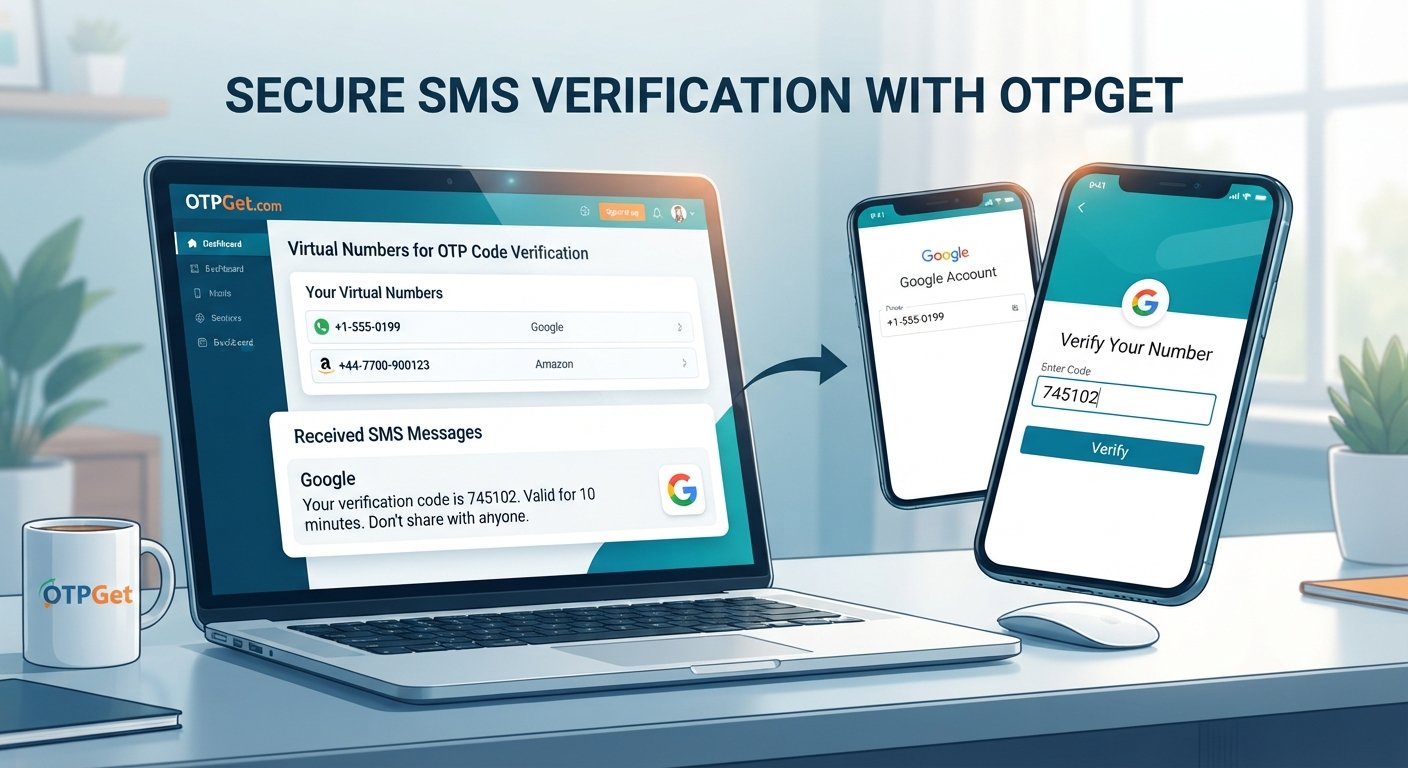
OTPGet (OptGet): Virtual Numbers for OTP Code Verification via SMS
A phone number is often the final step between entering your details and completing an online verification process. For many people, that creates a simple question: should every website, app, or online service receive their personal mobile number?
That is where virtual numbers can be useful. A virtual phone number can provide access to SMS-based verification without requiring the user to rely on a personal SIM for every legitimate online task.
OTPGet, also known as OptGet, focuses on virtual numbers and OTP-based verification workflows. Its platform offers virtual numbers for SMS verification, along with options such as rental numbers and developer API access.
This guide explains how virtual numbers work, why people use them, how OTPGet fits into the process, and what to consider before choosing a virtual number service.
What Is a Virtual Number for OTP Verification?
A virtual number is a telephone number that can receive calls or SMS messages through an online service rather than requiring the user to keep the number on a physical SIM card.
For OTP verification, the basic process is straightforward. An online service asks for a phone number, sends a one-time password through SMS, and expects the user to enter that code into a verification field.
An OTP, or One-Time Password, is a temporary verification code. It helps an online service confirm that the person completing a particular action has access to the phone number provided.
A virtual number for OTP can therefore act as the destination for that SMS message.
This can be useful when a user has a legitimate reason to keep a personal mobile number separate from a particular online activity. It may also be useful for developers, testers, businesses, or teams working with services that permit virtual-number verification.
The important distinction is that a virtual number is not a way to remove a platform's verification requirements. The destination service still determines whether it accepts a particular number and whether additional verification is required.
Why Do People Use Virtual Numbers for OTP Codes?
There is no single reason to use a virtual number. In many cases, the motivation is simply number separation.
Common legitimate reasons include:
- Separating personal and online activity: A dedicated number can prevent a personal mobile number from being used for every online registration or verification request.
- Reducing unnecessary exposure: Users may prefer not to disclose their everyday contact number to services where a separate verification number is sufficient.
- Testing applications: Developers and QA teams may need phone numbers for testing SMS and verification flows where the relevant platform permits it.
- Business workflows: A business may need dedicated numbers for specific projects, accounts, or verification processes.
- Temporary projects: A short-term online project may not justify attaching a personal number to the workflow.
- Convenience: Having a dedicated virtual SMS number can make certain verification tasks easier to organize.
The key is to use the number for a purpose that complies with the rules of the service being verified. A virtual number should not be treated as a method for bypassing identity checks, account restrictions, bans, or other security controls.
How OTPGet Works
OTPGet is designed around the general need to obtain virtual numbers and receive SMS verification codes. Its published documentation describes a workflow in which users can select countries and services, request a number, and check the status of an order for an incoming SMS.
A typical workflow looks like this:
- Choose an appropriate virtual number. Select an available country or service according to your legitimate verification requirement.
- Use the number for verification. Enter the virtual number into the relevant phone-number field.
- Request the OTP. The service you're verifying sends its SMS verification code.
- Receive the SMS. Depending on the service and number availability, the verification message can be received through the OTPGet interface or applicable API workflow.
- Enter the OTP code. Submit the received code in the verification field provided by the destination service.
- Complete verification. Follow the destination platform's remaining requirements and terms.
OTPGet's documentation also describes API endpoints for obtaining numbers and checking whether an SMS has been received, making the service relevant to developers who need to incorporate virtual-number workflows into software.
Compatibility should always be checked before starting. Not every virtual number works with every website or application, and availability can change according to the selected number, country, service, and destination platform.
Key Benefits of Using OTPGet for Virtual OTP Numbers
Privacy
Using a separate verification number can reduce the need to share your everyday personal number for every legitimate online verification request.
That does not mean a virtual number makes someone anonymous or completely private. A responsible user should still review the service's privacy and data-handling information before using it.
Convenience
OTPGet provides a centralized workflow for virtual numbers and SMS OTP reception. For users who regularly encounter legitimate verification requests, having a dedicated verification number can be more convenient than repeatedly relying on a personal mobile number.
Flexibility
Different verification tasks can have different requirements. OTPGet's published platform information describes virtual numbers across multiple countries and services, while availability remains dependent on what is offered at the time of use.
Organization
A dedicated number can help separate personal, testing, business, and project-related activities. This can be particularly useful for teams handling multiple legitimate verification workflows.
A Simpler Verification Workflow
Instead of waiting for a personal SMS message alongside everyday communications, a dedicated virtual SMS number can provide a more focused place to manage a verification code.
OTPGet vs. Using Your Personal Phone Number
Neither approach is automatically right for every situation. The better option depends on privacy preferences, the purpose of the verification, and the requirements of the destination service.
| Consideration | Personal Phone Number | OTPGet Virtual Number |
|---|---|---|
| Privacy | Personal number is shared directly | A separate number can reduce personal-number exposure |
| Convenience | Uses an existing mobile connection | Provides a dedicated online verification workflow |
| Number separation | Limited | Useful for separating specific activities |
| Personal number exposure | Higher for services requiring phone verification | Lower when a virtual number is accepted |
| Suitable use cases | Personal accounts and long-term recovery | Permitted verification, testing, projects, and business workflows |
| Compatibility | Generally determined by the mobile carrier and service | Depends on the destination service and available number |
| User control | Direct control over the mobile account | Depends on the type and duration of virtual number |
For important accounts, users should also consider long-term recovery. A temporary verification number may not be appropriate when continued access to the same number is essential.
What to Consider Before Choosing a Virtual Number Service
A virtual number can be useful, but choosing one should involve more than simply finding a number that appears available.
Consider these factors:
- Number availability: Check whether the country and service you need are currently available.
- SMS delivery: Look for a clear process for receiving and viewing verification messages.
- Verification compatibility: Confirm that the destination platform permits the use of virtual numbers.
- Number duration: Understand whether the number is intended for one-time use, temporary access, or longer-term rental.
- Privacy: Review what information the provider collects and how it handles account and transaction data.
- Pricing transparency: Make sure costs and any applicable conditions are clear before purchasing.
- Ease of use: A straightforward dashboard or documented API can make recurring workflows easier to manage.
- Terms of service: Review both the virtual-number provider's rules and those of the destination platform.
- Customer support: Check what support channels are available if a verification process encounters a problem.
- Data handling: Understand how verification messages and account information are handled.
OTPGet publishes information about virtual numbers, rental numbers, and developer APIs, so users can evaluate those options according to their own requirements rather than assuming every number or feature fits every verification task.
Common Uses for OTP and SMS Verification Numbers
Virtual numbers can have several legitimate applications.
App testing is one example. Developers may need to test registration and SMS OTP flows without attaching every test case to a personal phone number.
Business workflows can also benefit from dedicated verification numbers where the relevant service permits them. Separating business-related verification from personal communications can make internal processes easier to organize.
Other appropriate uses may include:
- Testing websites and applications
- Temporary projects
- Permitted account verification
- Separating professional and personal activities
- Verification workflows for services that accept virtual numbers
- Software development involving SMS verification APIs
The destination service always has the final say over what types of phone numbers it accepts. A number being technically capable of receiving SMS does not mean every platform will accept it.
Tips for Using Virtual Numbers Responsibly
A few simple practices can prevent common problems.
- Check the platform's rules before entering a virtual number.
- Never use a virtual number to impersonate another person.
- Do not use virtual numbers to bypass account bans or restrictions.
- Never use them for fraud, scams, spam, or deceptive activity.
- Treat every OTP code as sensitive information.
- Never give an OTP to another person simply because they request it.
- Review the provider's privacy and data-handling policies.
- Understand whether the number is temporary, reusable, or rented.
- Keep important account-recovery methods separate where appropriate.
- Use virtual numbers only for legitimate purposes that comply with the applicable service rules.
OTPGet's published terms prohibit illegal, fraudulent, abusive, or harmful use of its services, which reinforces the importance of using virtual numbers within appropriate boundaries.
Why OTPGet Can Be a Practical Option for OTP Verification
The underlying problem is easy to understand: people sometimes need to complete SMS verification without using their everyday personal phone number.
OTPGet addresses that general requirement through a virtual-number-based approach. Its published service information describes temporary virtual numbers for SMS OTP verification, rental numbers for longer-term needs, and API options for developers.
That makes OTPGet worth considering when the goal is legitimate verification, testing, business organization, or privacy-conscious separation of phone-number usage.
The important part is matching the number type to the actual requirement. A temporary number may make sense for a one-off verification task, while a longer-term rental can be more appropriate when continued access to a number is necessary. Compatibility, availability, and the destination platform's policies should always be checked before proceeding.
Frequently Asked Questions About OTPGet and Virtual Numbers
1. What is OTPGet?
OTPGet is a virtual-number and OTP verification service. Its published platform information describes virtual numbers for SMS verification, rental numbers, temporary email services, and developer APIs. The exact options available can depend on the country, service, and number type selected.
2. What is a virtual number for OTP?
A virtual number for OTP is a phone number provided through an online service that can receive SMS verification messages without requiring the user to use their personal SIM number. It can be useful for legitimate verification tasks when the destination service accepts virtual numbers.
3. How does OTP verification work?
An online service sends a one-time password to a phone number. The recipient receives the SMS and enters the code into the relevant verification field. The service then checks the code before completing the requested action.
4. Can I receive SMS verification codes with OTPGet?
OTPGet's published documentation describes virtual numbers that can be used to receive SMS OTP messages and provides mechanisms for checking received SMS status. Actual compatibility depends on the selected number and the destination service.
5. Are virtual numbers suitable for every verification service?
No. Acceptance depends on the policies and technical requirements of the destination platform. Some services may restrict certain types of virtual, temporary, or previously used numbers. Always check the platform's rules before using one.
6. Is it safe to share an OTP code?
An OTP should be treated as sensitive authentication information. Do not share it with other people, websites, or messages that are not part of the verification process. If someone asks for your OTP unexpectedly, do not provide it.
7. Can a virtual number replace my personal phone number?
Not necessarily. A virtual number can be useful for specific verification or project-related purposes, but important accounts may require a long-term number for recovery, authentication, or other security functions.
8. What should I check before using a virtual number service?
Check number availability, SMS reception, destination-platform compatibility, duration, pricing, privacy practices, terms of service, and support options. With OTPGet, users should also select a number based on the specific country and service requirement rather than assuming every available number will work everywhere.
Conclusion
OTP verification is a common part of online registration, authentication, testing, and account management. While a personal phone number remains the right choice for many situations, a virtual number for OTP can provide useful separation when a service permits it.
OTPGet gives users a way to explore virtual-number-based SMS verification, with published options covering temporary numbers, rental numbers, and developer-oriented API workflows.
The most important consideration is responsible use. Check the rules of the platform you're verifying, protect your OTP codes, review privacy information, and choose a number that matches your actual requirements.
If you need a dedicated number for a legitimate SMS verification task, OTPGet is a practical option to evaluate. Explore the available virtual-number choices and select the option that fits your verification workflow and the requirements of the service you're using.
Suggested Internal Links
- Virtual Phone Numbers: Complete Guide
- How SMS Verification Works
- OTP Verification Explained
- Temporary Phone Numbers for Online Verification
- SMS OTP: What It Is and How It Works
- Online Privacy and Phone Number Protection
- Virtual Numbers for Business Workflows
- Virtual Number Guide for Developers