Public vs Private Numbers: Privacy, Security & OTP Explained
Public vs Private Numbers: What's the Difference?
Think about how often your phone number gets requested online.
A website asks for it before you can create an account. An app wants it for SMS verification. A marketplace seller needs a contact number. A newsletter signup form requests one. Even a service you only plan to use once may ask for your number before giving you access.
Sharing a phone number is often convenient, but that does not mean your primary personal number needs to be used everywhere.
That is where understanding public vs private numbers becomes useful. The distinction is less about whether a number is technically visible in a directory and more about how widely a number is shared, what it is used for, and how much separation you want between personal communication and online activity.
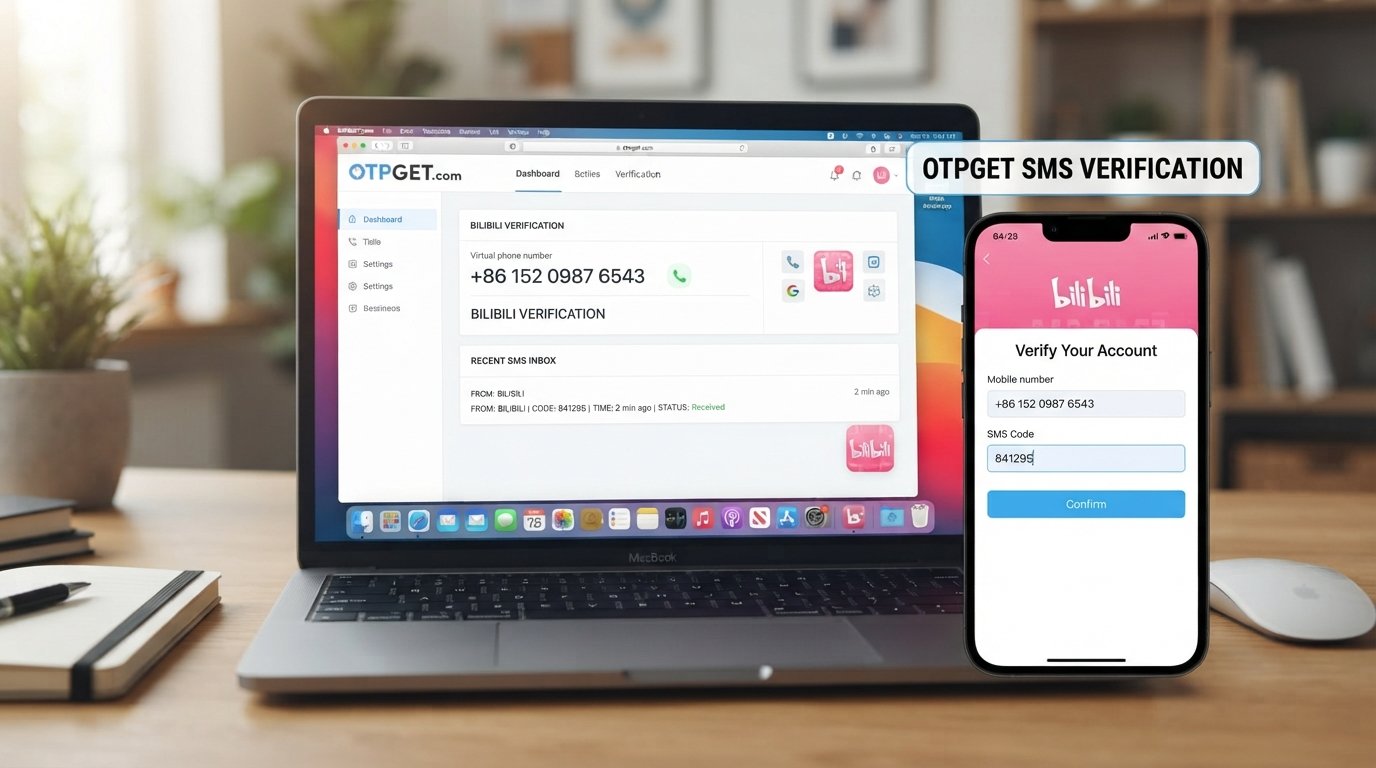
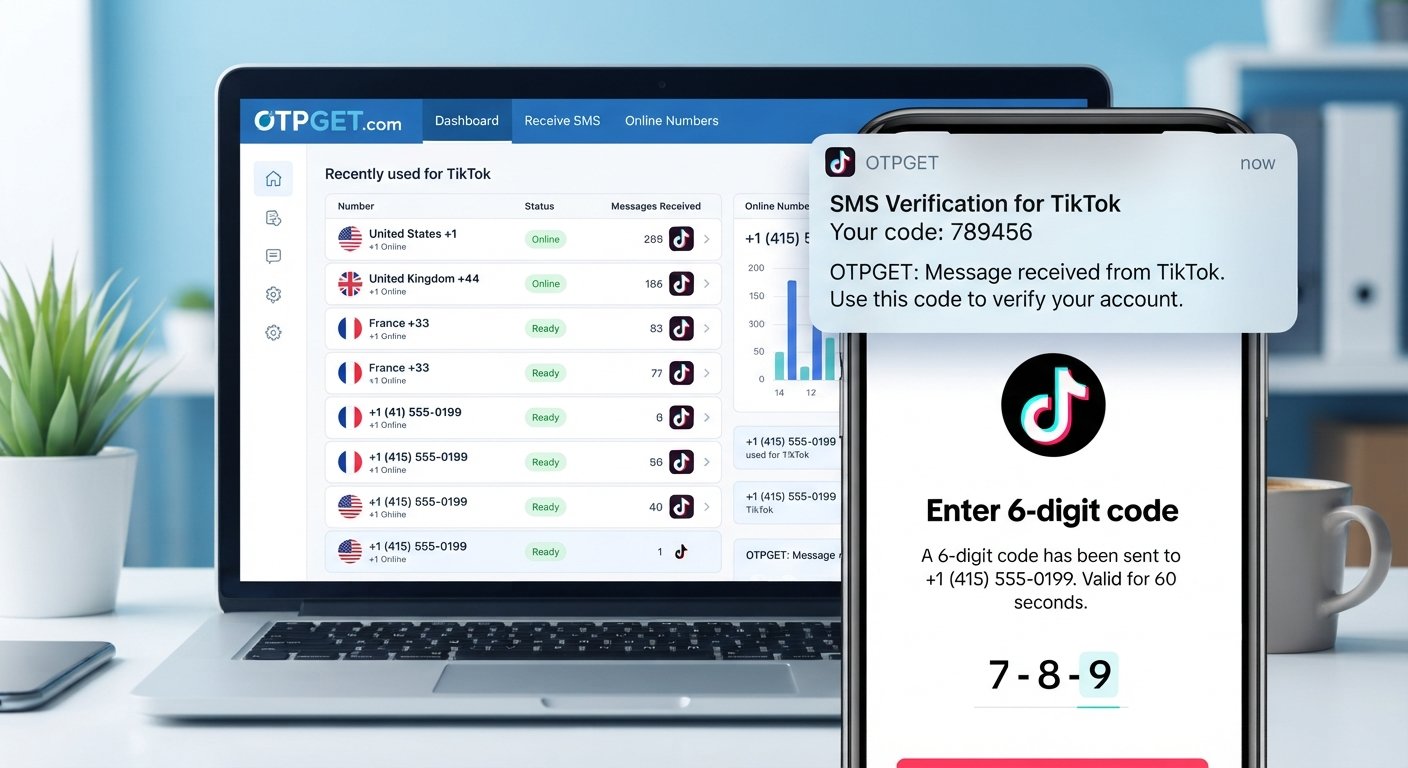
For some situations, using a separate number for verification can provide a practical layer of separation. Services such as OTPGET can be relevant when you need to receive an OTP or verification code without relying on your primary personal number.
What Is a Public Phone Number?
A public phone number is a number that is intentionally shared with other people, businesses, websites, or services.
For example, a business may publish its phone number on a website so customers can call. A freelancer might include a contact number on a professional profile. A person may also give their number to multiple online services for registration, communication, or verification.
Public numbers are useful because they make communication simple. People know where to reach you, and you do not have to manage multiple contact methods.
Common examples include:
-
A business contact number displayed on a website
-
A customer-support number
-
A professional contact number
-
A number shared with online marketplaces
-
A number repeatedly used for account registration and SMS verification
The concern is not that a public number is automatically unsafe. The issue is exposure.
The more places your number appears or gets submitted, the more difficult it can become to control where that information is stored, used, or shared.
Repeated exposure can also mean more unwanted messages or calls. For people who value phone number privacy, limiting unnecessary sharing can therefore be a sensible habit.
What Is a Private Phone Number?
A private phone number is a number that you keep primarily for personal communication and share selectively.
Your primary mobile number may fit this category if you mainly give it to trusted contacts, important services, or organizations that genuinely need it.
The goal is not necessarily to make the number invisible. Instead, it is to reduce unnecessary exposure.
Keeping a private number separate from less important online activity can be useful when you want to:
-
Keep personal calls and messages separate from online registrations
-
Reduce unnecessary sharing of your primary number
-
Maintain a dedicated number for certain online activities
-
Separate professional, personal, and verification-related communication
-
Have more control over where your main number is used
This distinction is especially useful when signing up for a service you may only use temporarily or when a website requires SMS verification but does not need your primary personal number for ongoing communication.
Public vs Private Numbers: Key Differences
The easiest way to understand public vs private phone numbers is to compare how each type is normally used.
| Feature | Public Number | Private Number |
|---|---|---|
| Privacy | Shared more broadly | Shared selectively |
| Exposure | Higher exposure is common | Lower exposure is generally the goal |
| Personal use | May be used for personal or professional contact | Primarily intended for personal communication |
| Verification use | Often used for registrations and verification | Can be reserved for important or trusted accounts |
| Spam risk | More exposure can mean more unwanted contact | Limited sharing may reduce unnecessary exposure |
| Convenience | Simple because one number handles many purposes | May require separate numbers or contact methods |
| Control | Less control once widely shared | Greater control over who receives the number |
| Best use cases | Business contact, public-facing communication | Personal communication and selective account use |
Neither approach is automatically right for every situation.
A public-facing business needs a number customers can find. At the same time, someone who wants to protect their personal number may prefer not to use that same number for every website registration.
Why Phone Number Privacy Matters
Your phone number can become a persistent identifier across many online interactions.
When you repeatedly enter the same number into websites, apps, forms, and registration systems, you create a larger trail of places where that number has been provided.
That does not mean every service will misuse the information. It simply means you have less control over the number once it has been widely shared.
Some common concerns include:
-
Unwanted messages: A widely shared number may receive more promotional or unsolicited messages.
-
Spam calls: More exposure can increase the opportunities for unwanted contact.
-
Registration exposure: Your primary number may become associated with numerous online accounts.
-
Reduced separation: Personal communication becomes mixed with online verification and service-related messages.
-
Privacy management: It becomes harder to remember exactly where your number has been submitted.
A thoughtful approach to phone number privacy is therefore similar to being selective with an email address. Your primary contact details can be reserved for situations where they matter most, while less important activities can sometimes use a separate contact method.
The objective is not to become unreachable. It is to have more control over where your personal information goes.
When Should You Use a Separate Number?
A separate phone number can make sense when you want to create a boundary between your personal communication and a particular online activity.
For example, consider these situations:
Signing Up for an Unfamiliar Service
If you are exploring an online service and it requires SMS verification, you may not want to immediately provide your primary personal number.
A separate number can provide a degree of separation, where permitted by the service.
Testing Websites or Apps
Developers, testers, researchers, or everyday users experimenting with online services may occasionally need to complete verification flows.
Using a separate number can help keep those activities distinct from personal communication.
Online Registrations
Some registrations require a verification code even when you do not expect ongoing phone-based communication.
A dedicated number may be useful for appropriate cases.
Protecting Your Primary Number
If your primary number is used for family, friends, work, banking, or important accounts, limiting unnecessary exposure can make it easier to maintain that number as a trusted contact channel.
Separating Personal and Online Activity
A separate number can also create a practical boundary between personal communication and less important online interactions.
However, always follow the terms, rules, and verification requirements of the service you are using. A separate or temporary number is not appropriate for every account.
How OTP Verification Works
OTP verification is a common process used to confirm that a person has access to a particular phone number.
At a high level, it usually works like this:
-
A website or app asks for a phone number.
-
The service sends an OTP, or one-time password, through SMS.
-
The user enters the verification code.
-
The service checks the code and confirms the verification step.
This process can be useful for account registration, login confirmation, and other online verification workflows.
The practical issue is that every verification request may require you to share your phone number with another service.
For people who want to minimize unnecessary exposure of their primary number, a separate number can be useful in appropriate circumstances.
How OTPGET Can Help With OTP Verification
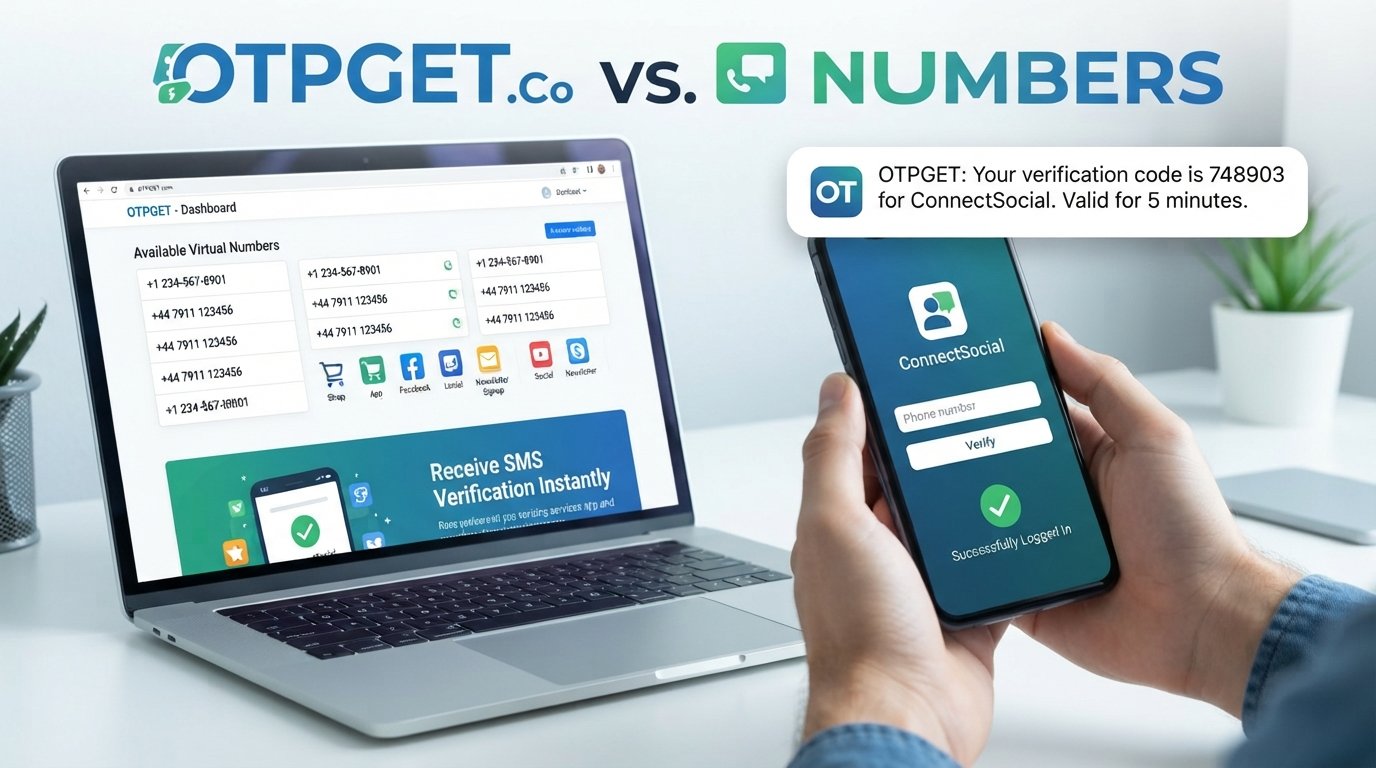
This is where a service like OTPGET can be useful.
For users who want to keep their primary number private, OTPGET can provide a practical option for receiving verification codes without relying on their primary personal number.
Instead of treating your main number as the default contact for every online registration, you can consider using a separate number for suitable OTP verification situations.
Potential benefits include:
-
Greater separation: Keep personal communication separate from certain online verification activities.
-
Less repeated sharing: Reduce the need to provide your primary number for every registration that requires SMS verification.
-
Convenience: Use a dedicated option when receiving an OTP is the main requirement.
-
More control: Decide which services genuinely need your primary personal number.
The important point is that OTPGET should be viewed as a practical tool for appropriate verification scenarios, not as a universal replacement for your personal number.
Compatibility can depend on the particular website, app, or verification system involved. Delivery can also depend on the service being verified and its requirements. Users should therefore check whether the number type is accepted before relying on it for an account.
For suitable use cases, an OTP receiving service such as OTPGET can help create useful separation between your primary phone number and online verification.
Public Number vs Private Number: Which One Should You Use?
There is no universal answer to the public vs private numbers question.
The right choice depends on what the number is being used for.
A practical way to think about it is:
-
Primary personal communication: Use your normal personal number when trusted contacts and important services need it.
-
Public-facing business contact: A public number can make sense when customers or clients need an easy way to reach you.
-
One-time or separate verification: Consider a dedicated or temporary number where the service permits it.
-
Sensitive accounts: Follow the platform's recommended verification and account-security methods.
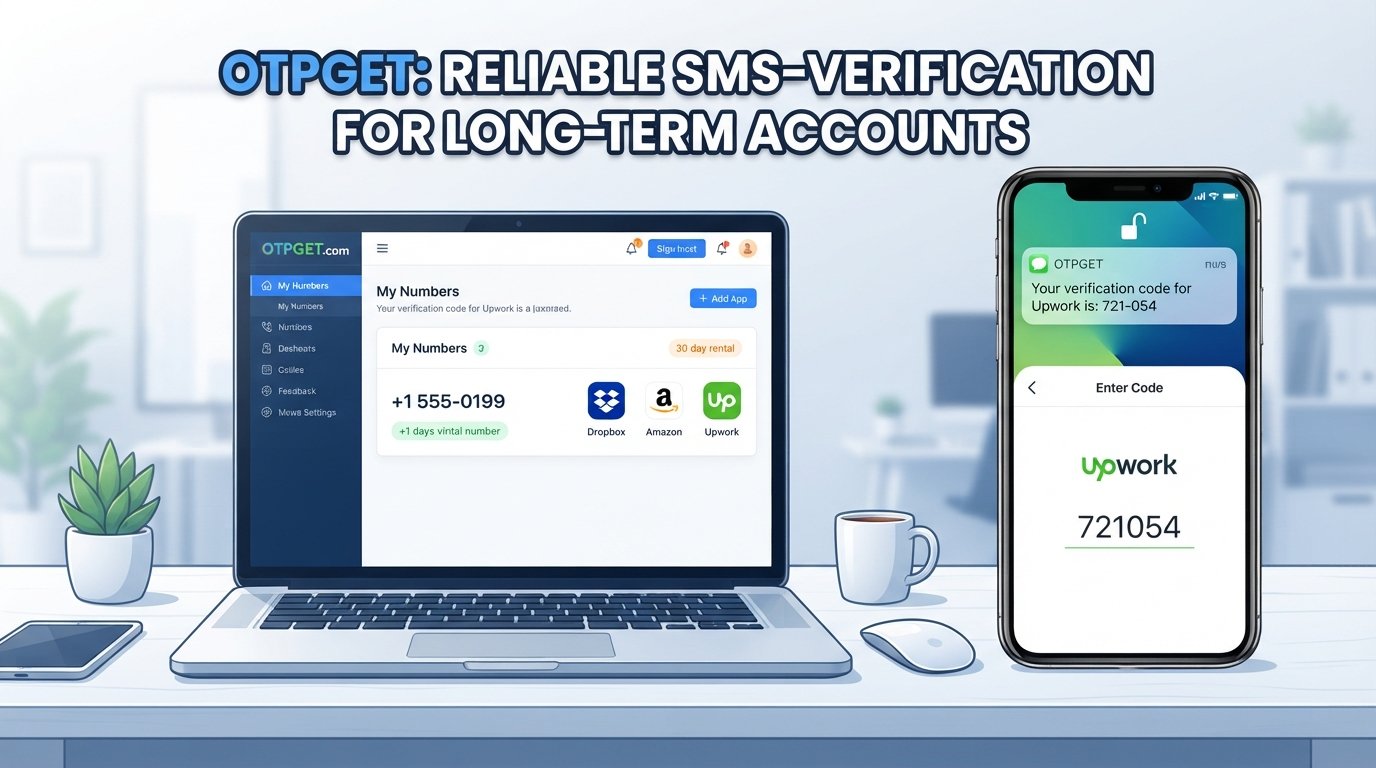
There is one especially important consideration: do not use a temporary or shared number for an account if doing so could make account recovery difficult later.
If an account may be important for a long time, losing access to its verification number can create a serious inconvenience. You should also avoid using a number in ways that violate a platform's rules.
Things to Consider Before Using an OTP Service
An OTP service can be convenient, but convenience should not replace careful decision-making.
Before using one, consider the following:
Service Compatibility
Not every website or app necessarily accepts every type of phone number. Check the service's requirements before beginning verification.
OTP Delivery
Consider whether the verification code is likely to arrive within the required timeframe and whether the service supports the type of number you intend to use.
Privacy Expectations
Understand what privacy means in the context of the service. A separate number can reduce the need to share your primary number, but it should not automatically be treated as anonymous, untraceable, or risk-free.
Number Reuse
Find out whether a number may be used again for other verification purposes. Reuse can matter when account ownership and verification history are important.
Account Recovery
Think beyond the initial signup. If you later need to reset a password or recover an account, you may need access to the same verification method.
Platform Rules
Always follow the terms and verification policies of the website or app. A service allowing SMS verification does not necessarily mean every type of number is permitted.
Long-Term Account Ownership
For an account you expect to keep and use regularly, consider whether a dedicated or temporary number is appropriate for long-term access.
These checks help ensure that privacy improvements do not create a different problem later.
Frequently Asked Questions
What is the difference between a public and private phone number?
A public phone number is broadly shared for communication or contact, while a private phone number is shared more selectively. The main difference is how widely the number is exposed and how it is used.
Is a private number safer than a public number?
Not automatically. A private number can reduce unnecessary exposure, but security also depends on how the number is protected, where it is used, and the security practices of the services connected to it.
Can I use a separate number for OTP verification?
Yes, a separate number can be appropriate for some OTP verification situations, provided the website or app permits that type of number and you understand the implications for account recovery.
What is an OTP receiving service?
An OTP receiving service provides a way to receive SMS verification messages using a number separate from your primary personal number. Availability and compatibility can vary by service and platform.
Can OTPGET help me receive verification codes?
OTPGET can help users receive OTP or verification messages without relying on their primary personal number in suitable situations. Users should confirm that the service they are verifying accepts the number and use it according to the platform's rules.
Should I use a temporary number for important accounts?
Generally, you should think carefully before doing so. If you might need the number later for password recovery, login verification, or account ownership, a temporary or shared number may not be appropriate.
Why should I avoid sharing my personal phone number everywhere?
Limiting unnecessary sharing can give you greater control over your contact information and help separate personal communication from online registrations, marketing messages, and verification activity.
Final Thoughts
The difference between public vs private numbers largely comes down to exposure, purpose, and control.
A public number is useful when people or customers need an easy way to contact you. A private number is better suited to situations where you want to limit who has access to your primary contact information.
For online registrations and OTP verification, using a separate number can sometimes provide a useful layer of separation. It can help you avoid repeatedly sharing your primary personal number while keeping personal communication distinct from online activity.
That is where OTPGET can be a practical option. If you need to receive verification codes and want to avoid relying on your primary number for an appropriate verification use case, exploring OTPGET may be worthwhile.
Explore OTPGET for suitable OTP verification needs, and always use separate or temporary numbers in accordance with the relevant platform's rules and account-recovery requirements.