Reliable OTP Delivery: Improve Online Verification & Security
How Reliable OTP Delivery Can Improve Online Verification
Imagine a customer trying to create an account on your platform. They enter their phone number, request a verification code, and wait.
A few seconds pass. Then a few more.
The code still has not arrived.
The customer requests another code, only to receive both messages later. One has already expired, while the other creates confusion about which code to enter. Instead of completing registration, the customer may simply leave.
This is why reliable OTP delivery is more than a technical detail. For SaaS products, e-commerce platforms, mobile applications, and digital services, the verification step is often one of the first meaningful interactions between a user and the product.
A one-time password can strengthen account security, confirm phone ownership, support login verification, and reduce unauthorized access. But those benefits depend on a verification workflow that users can actually complete.
Businesses therefore need to consider the complete OTP experience: delivery infrastructure, API integration, routing, error handling, security, monitoring, and the way users interact with verification messages.
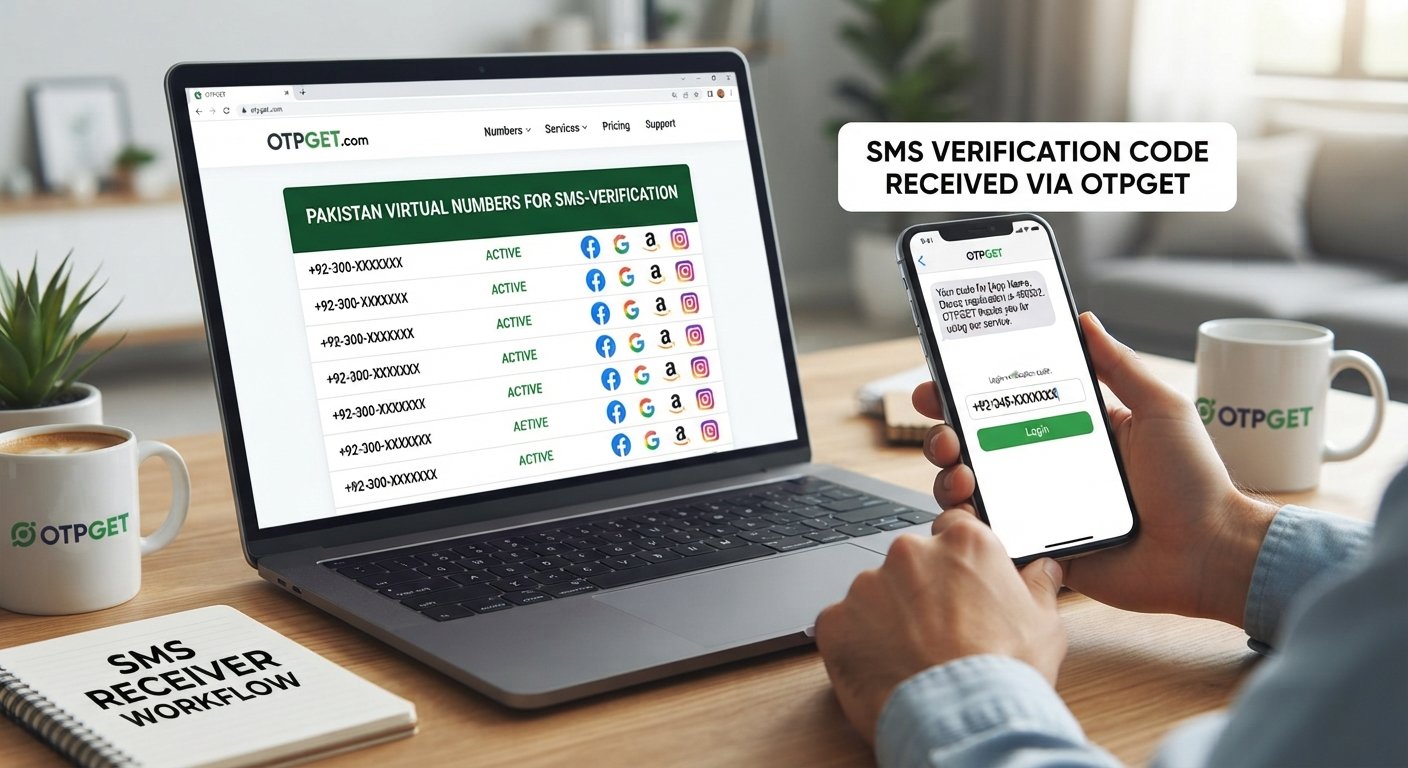
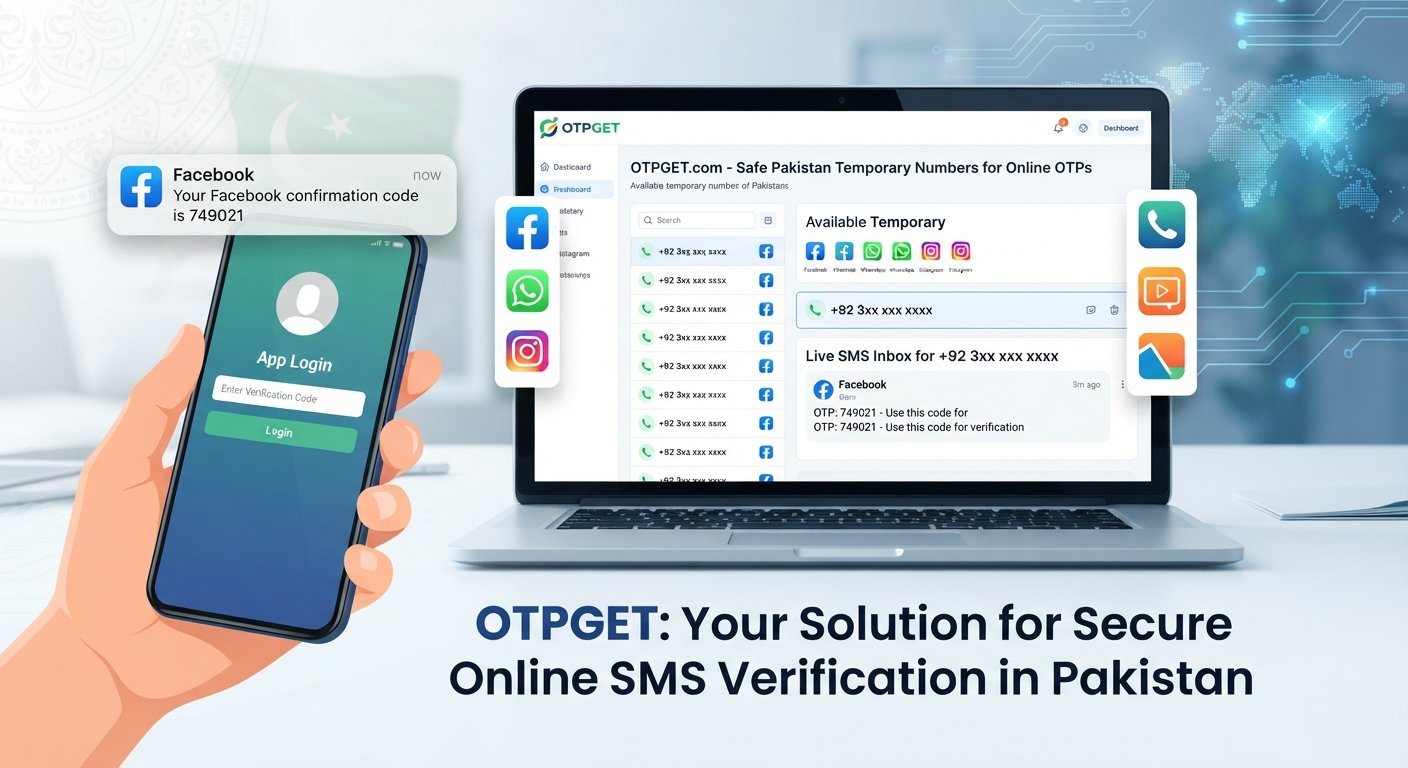
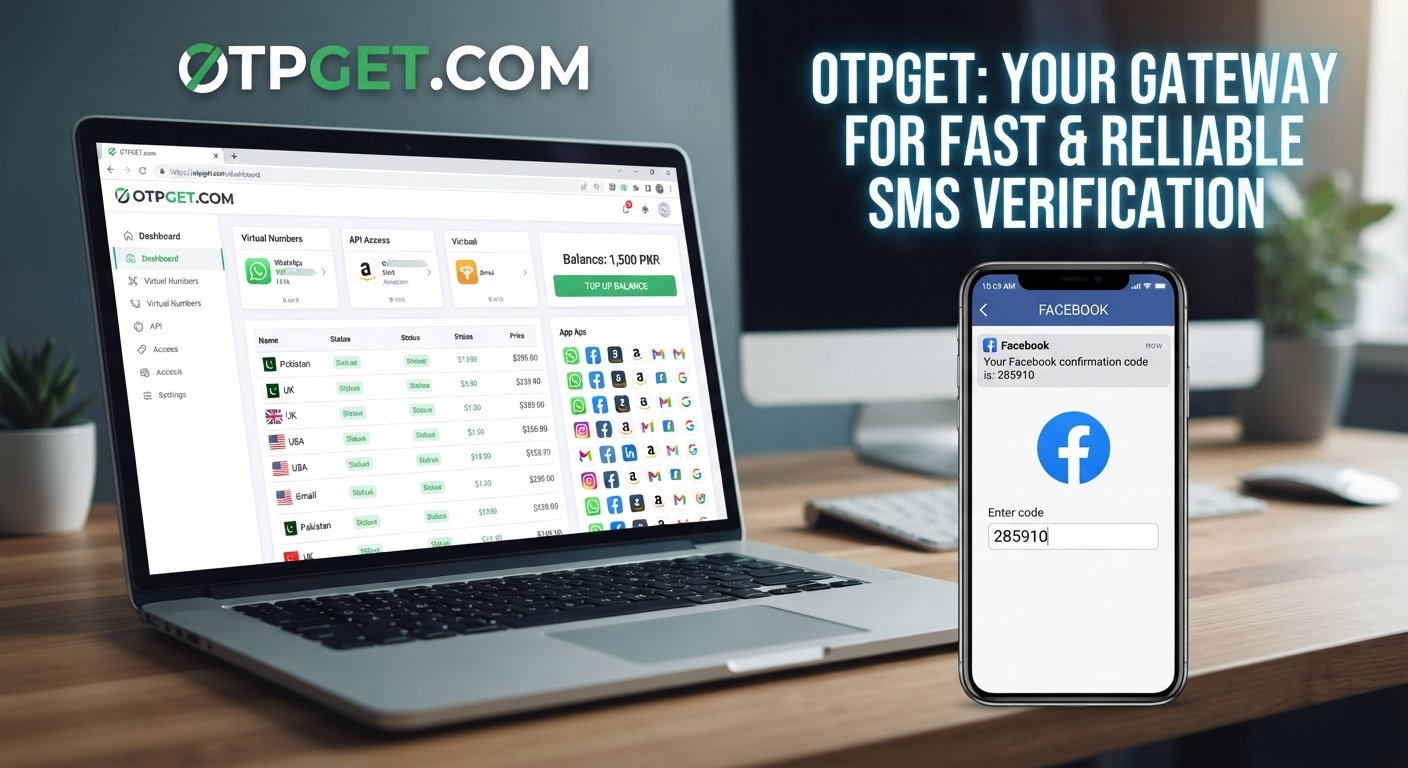
Solutions such as OTPGET can be part of that infrastructure, particularly for businesses and developers working with SMS OTP and programmatic verification workflows. OTPGET provides virtual numbers and an SMS OTP API designed to let developers programmatically obtain numbers and check for received verification codes.
Why Reliable OTP Delivery Matters
An OTP, or one-time password, is a temporary verification code used to confirm that a person has access to a particular phone number, account, or authentication channel.
It is commonly used for:
- New account registration
- Phone number verification
- Login verification
- Account recovery
- Transaction confirmation
- User onboarding
- Two-factor authentication
- Online service verification
The concept is simple: generate a temporary code, deliver it to the appropriate user or verification channel, and validate the code before it expires.
The challenge is making that process dependable.
Users expect verification messages to arrive quickly because they usually cannot proceed until the code is received. A delay can turn a simple login into a frustrating experience. Repeated delays can make users question whether the application itself is working correctly.
For businesses, this creates a direct connection between OTP delivery and user experience. A well-designed authentication flow should feel almost invisible. The user requests a code, receives it, enters it, and continues.
When delivery becomes unpredictable, authentication becomes a barrier.
Common Problems With OTP Delivery
OTP verification can fail for several reasons, and not every problem originates in the application itself.
Delayed SMS Messages
Mobile networks and messaging infrastructure can introduce delays. A verification code that arrives after the intended expiration period is effectively useless.
Failed SMS Delivery
Messages can fail because of carrier restrictions, unavailable numbers, routing problems, network conditions, or other delivery issues.
Incorrect Phone Numbers
A simple formatting or data-entry mistake can prevent the verification code from reaching the intended recipient.
Network and Carrier Restrictions
SMS delivery depends on infrastructure outside an application's direct control. Certain routes, carriers, or regions may have restrictions that affect message availability.
Poor Routing
Routing determines how a verification message travels from its origin to the recipient. Inefficient or unreliable routing can introduce delays or failures.
High Traffic
Authentication systems may experience sudden spikes during product launches, promotions, major events, or periods of unusually high user activity. Infrastructure that does not scale properly can become a bottleneck.
API or Integration Problems
Even reliable messaging infrastructure can be undermined by poor implementation. Incorrect API handling, missing error states, aggressive retry logic, or poorly designed verification flows can create unnecessary failures.
Multiple OTP Requests
When users do not receive the first code, they often request another. If several codes arrive together, users may not know which one is valid.
The result is a poor verification experience even when the underlying authentication mechanism is secure.
How Poor OTP Delivery Affects Businesses
OTP problems are not limited to technical teams. They can affect the entire customer journey.
Consider a new user who has completed a registration form but cannot verify a phone number. The account remains incomplete, and the onboarding journey stops.
For an e-commerce company, verification problems can interrupt account creation or other authentication-dependent actions. For a SaaS platform, they can prevent users from accessing an application. For a digital service, repeated verification failures can increase support requests.
Common business consequences include:
- Abandoned registrations
- Incomplete user onboarding
- Frustrated customers
- More support requests
- Failed verification attempts
- Interrupted authentication workflows
- Reduced confidence in the platform
None of these outcomes require a major technical outage. Small amounts of friction at a critical step can be enough to affect the overall user experience.
That makes OTP reliability an important product and engineering consideration, not simply an SMS configuration task.
What Makes an OTP Delivery Service Reliable?
Businesses evaluating an OTP service should look beyond the ability to send or receive a verification code.
Important factors include:
Fast and Consistent Delivery
Speed matters because users generally expect a verification code shortly after requesting it. Consistency is equally important.
Reliable Infrastructure
An OTP delivery service should have infrastructure designed to handle authentication workflows without becoming an unnecessary point of failure.
API Availability
Developers need dependable APIs for integrating verification into applications, dashboards, backend systems, and automated workflows.
Scalability
The infrastructure should be suitable for changing workloads. A growing application may need to process substantially more verification activity than it did during its initial launch.
Monitoring and Error Handling
Good verification workflows need visibility into failures, timeouts, unavailable numbers, invalid requests, and other errors.
Security Controls
OTP systems should protect sensitive verification workflows through appropriate access controls, secure code handling, rate limiting, and abuse prevention.
Clear Documentation
A technically capable service can still be difficult to use if developers cannot understand its API behavior, parameters, response formats, and error conditions.
For example, OTPGET's developer documentation provides API endpoints for checking balances, retrieving countries and services, requesting numbers, and checking activation status. The documentation also describes the response formats developers should expect from different API actions.
How OTPGET Can Improve Online Verification
For businesses and developers exploring OTP verification infrastructure, OTPGET provides a practical API-driven approach to SMS OTP reception and virtual number management.
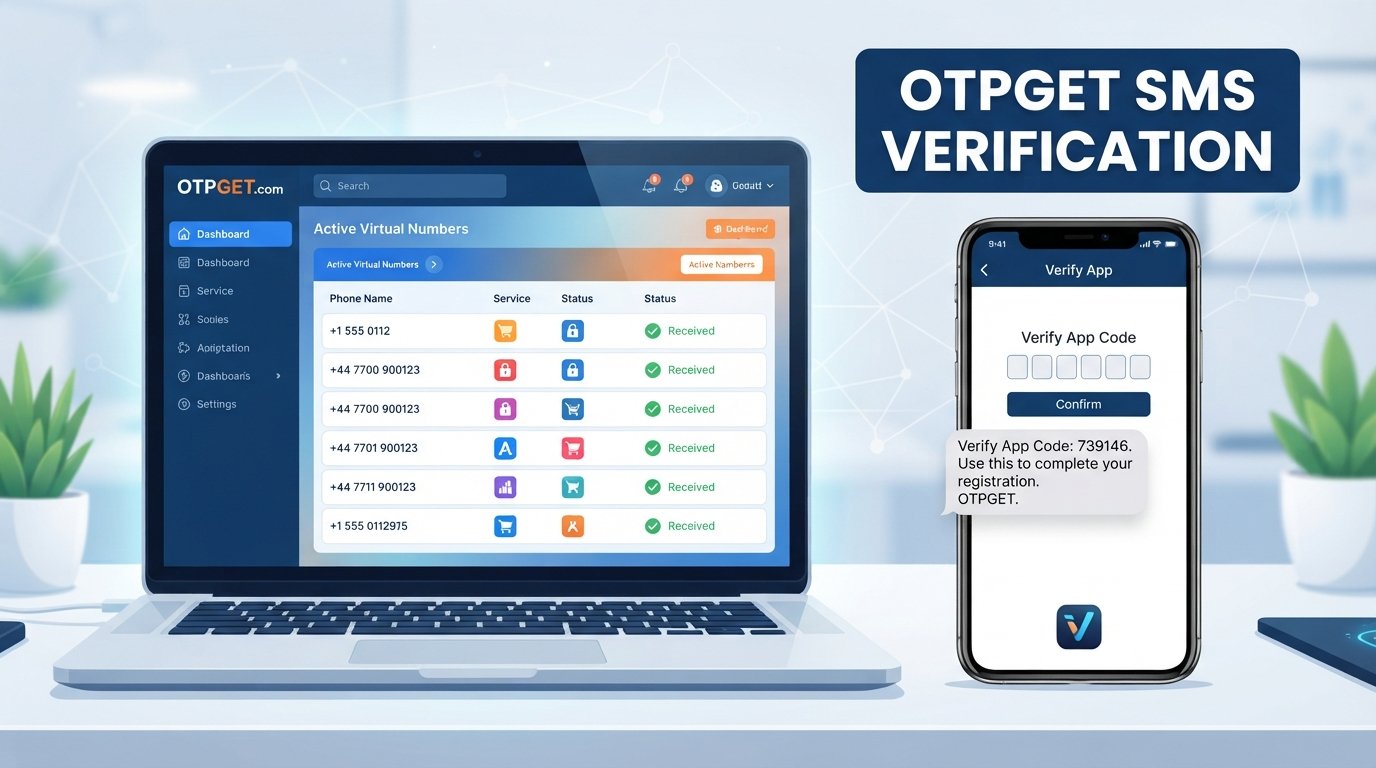
Its public documentation focuses on virtual phone numbers for receiving SMS verification codes, along with programmatic API access. Developers can use the SMS OTP API to request a number and then check the activation status for an incoming verification code.
This can be useful in verification workflows where a business, development team, or testing environment needs controlled access to SMS-based verification.
OTPGET's public platform also describes rental numbers and developer APIs alongside temporary email capabilities, giving teams different options depending on their verification requirements.
For developers, the API approach can reduce the need to manage verification-number workflows manually. The documentation includes examples for technologies such as Python, PHP, and cURL, making it easier for technical teams to understand how API requests and responses work.
It is important, however, to match the product to the actual requirement. Businesses looking specifically for an outbound SMS OTP gateway that sends verification messages directly to their own customers should confirm that the service supports that particular workflow. OTPGET's publicly documented SMS OTP functionality is centered on obtaining numbers and receiving verification codes rather than presenting itself solely as a conventional outbound transactional SMS provider.
That distinction helps businesses evaluate OTPGET based on the actual authentication architecture they need.
Benefits of Using a Reliable OTP Solution
A dependable OTP solution can contribute to a smoother verification experience in several ways.
Better User Experience
When verification codes arrive as expected, users can complete authentication without unnecessary waiting or repeated requests.
Smoother Onboarding
Phone verification is often part of registration. Reducing friction at this stage helps keep the onboarding process straightforward.
More Dependable Authentication Workflows
Developers can build clearer workflows around code requests, status checks, expiration, retries, and errors.
Easier Integration
An API-based OTP solution can allow technical teams to integrate verification functionality into existing applications and backend processes.
Better Operational Control
Programmatic access can make it easier for developers to monitor verification activity and handle different API responses within their application logic.
OTPGET can be considered as part of this evaluation where its virtual-number and SMS OTP capabilities match the business's requirements. Its documentation provides structured API actions for common number and activation workflows, giving developers a defined interface to work with.
Best Practices for Better OTP Verification
Choosing an OTP service is only one part of building a dependable authentication experience. The application itself also needs a thoughtful verification workflow.
Keep OTP Expiration Appropriate
Codes should remain valid long enough for a normal user to receive and enter them, while still limiting the window in which a code can be used.
Avoid Unnecessary Duplicate Codes
Do not generate multiple codes every time a user taps a button. A controlled resend mechanism can reduce confusion.
Provide Clear Error Messages
Tell users whether a code is invalid, expired, unavailable, or still being processed without exposing unnecessary technical information.
Offer a Resend Option
A visible resend option gives users a recovery path when a message does not arrive.
Limit Verification Attempts
Rate limiting and attempt limits can help protect OTP endpoints from abuse and excessive automated requests.
Use Secure OTP Generation
Codes should be generated using secure mechanisms appropriate for authentication rather than predictable values.
Monitor Verification Performance
Track relevant events such as successful verification, failed attempts, expired codes, delivery problems, and repeated requests.
Test Across Networks and Devices
Verification behavior can differ across mobile networks, devices, and geographic regions. Testing helps identify problems before they affect a wider user base.
Choosing the Right OTP Delivery Solution
Before selecting an OTP delivery or verification platform, create a checklist based on your actual use case.
Ask:
- Does the service provide the API functionality we need?
- Is the integration process clearly documented?
- Can the infrastructure handle our expected workload?
- Are security and abuse controls available?
- Can our team monitor verification activity?
- Does the service support our required regions or countries?
- Is error handling clearly documented?
- Is technical support available when integration problems occur?
- Are costs and usage terms transparent?
- Does the solution fit our specific verification workflow?
For teams evaluating OTPGET, the most important step is to compare its documented capabilities with the intended workflow. OTPGET's public documentation covers SMS OTP APIs, virtual numbers, rental-number APIs, and related developer functionality.
That makes it particularly relevant for developers and businesses whose verification requirements involve receiving SMS OTP codes through virtual numbers or API-driven workflows.
FAQ
What is reliable OTP delivery?
Reliable OTP delivery means providing a verification-code workflow that users can complete consistently, with appropriate speed, availability, error handling, security controls, and recovery options.
Why do OTP messages get delayed?
Delays can result from mobile network conditions, carrier restrictions, routing problems, traffic levels, infrastructure issues, or application-level problems. Not every delay originates from the application itself.
How does OTP verification work?
An OTP verification workflow generates or obtains a temporary code, sends or delivers it through an appropriate channel, and checks the code entered by the user before allowing the verification process to continue.
What is an OTP API?
An OTP API is a programmable interface that allows software to interact with OTP-related services. Depending on the provider, an API may support functions such as requesting numbers, sending or receiving codes, checking verification status, and managing authentication workflows.
How can businesses improve SMS OTP delivery?
Businesses can improve the overall experience by using dependable infrastructure, implementing sensible expiration and retry policies, monitoring verification failures, limiting abuse, providing clear user feedback, and testing across different networks and devices.
What should I look for in an OTP delivery service?
Consider reliability, API functionality, scalability, security, documentation, monitoring, support, geographic availability, pricing transparency, and how closely the service matches your specific verification workflow.
How can OTPGET help with online verification?
OTPGET provides virtual numbers and API functionality for SMS OTP verification workflows. Its documented SMS OTP API allows developers to request numbers and check activation status for received verification codes. Businesses should evaluate those capabilities against their specific authentication requirements.
Conclusion
Reliable OTP delivery plays an important role in modern online verification. A verification code that arrives late, fails to arrive, or becomes confusing after multiple requests can turn a simple authentication step into a frustrating experience.
For businesses, the goal should be more than simply adding an OTP field to a login or registration form. A dependable verification workflow requires appropriate infrastructure, clear API integration, secure code handling, sensible retry behavior, monitoring, and a straightforward user experience.
When evaluating an OTP service, businesses should first define exactly what they need and then compare providers based on documented capabilities rather than marketing claims.
OTPGET can be part of that evaluation for teams that need virtual numbers and API-driven SMS OTP verification workflows. Its developer documentation provides programmatic tools for requesting numbers and checking received verification codes, which can support specific online verification and testing scenarios.
If you're reviewing your verification infrastructure, explore OTPGET's documented OTP capabilities and determine how they fit into your application's authentication workflow.