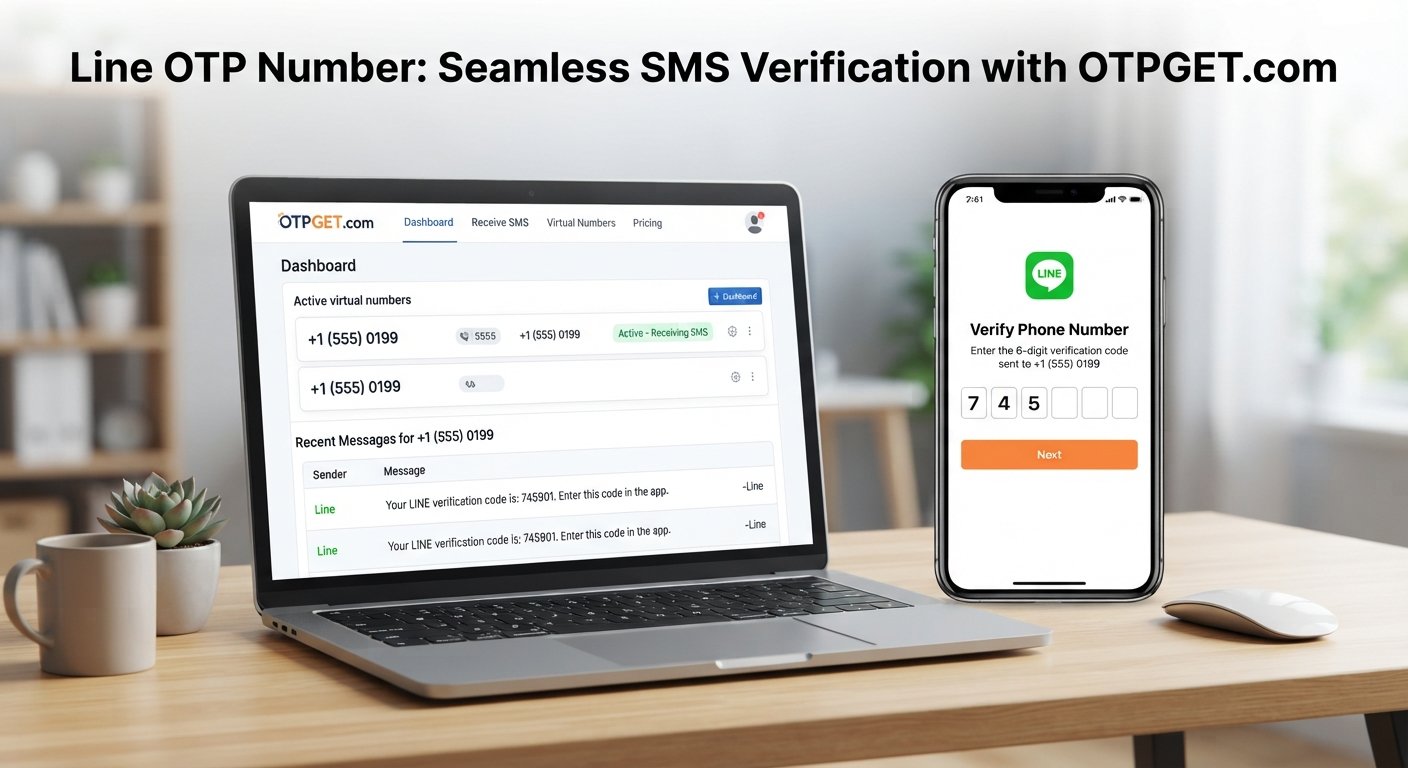
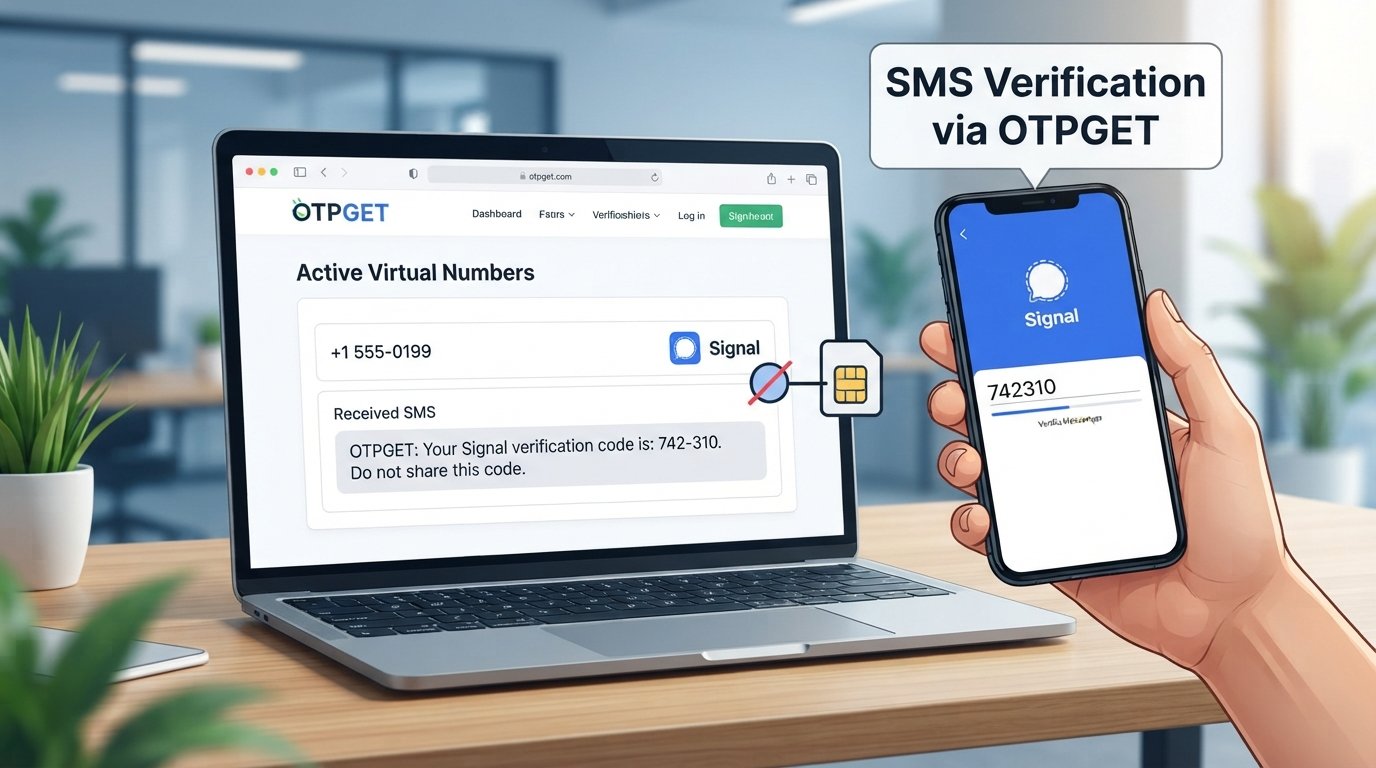
Signal OTP Number – Receive Verification Code Easily | OTPGET
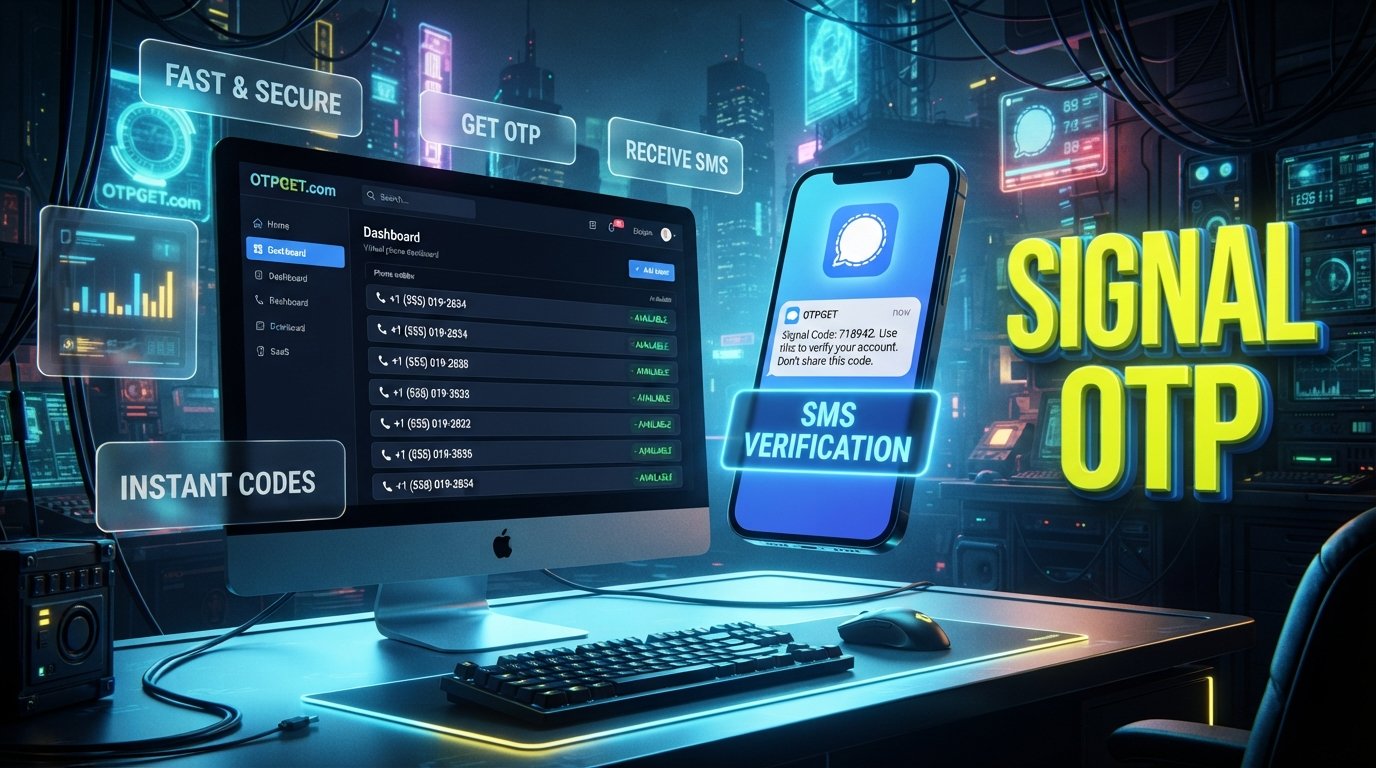
Signal OTP Number – Receive Verification Code Easily | OTPGET
Trying to complete Signal account verification but waiting for a verification message can be frustrating. If you are looking for a Signal OTP number or another legitimate verification-number option, the key is understanding how the verification process works and where the code is delivered.
A verification code, often called an OTP or one-time password, helps confirm that the phone number being used during registration is accessible to the person completing the process. For users who need an alternative verification-number option for legitimate account setup, OTPGET can fit into the process by providing a number for receiving a verification code.
This guide explains what a Signal OTP is, why verification codes may be delayed, how OTPGET can help, and what to consider before using a verification number.
What Is a Signal OTP Number?
A Signal OTP number is a phone number used during Signal registration so that a verification code can be delivered to that number.
OTP stands for one-time password. In a phone-verification process, the service sends a short code to the number entered during registration. The user then enters that code into the appropriate verification field to confirm access to the number.
The basic process is straightforward:
- A phone number is entered during account registration.
- A verification request is made.
- A verification code is sent to the number.
- The code is entered into the verification field.
- The registration process continues if the verification succeeds.
For someone who does not want to use their usual personal number for a particular legitimate verification purpose, a verification-number service can be an alternative worth considering.
Why Does Signal Need a Verification Code?
Phone verification is commonly used during account registration to establish that the person setting up an account has access to the number being registered.
A Signal verification code serves this basic confirmation purpose. Rather than relying only on the number being typed into a form, the verification process requires access to a message delivered to that number.
This is why receiving the OTP is an important part of Signal account verification. Without access to the relevant verification message, the registration process may not be completed.
It is also important to treat verification codes as sensitive information. A code intended for your account should not be shared unnecessarily, particularly with another person who could potentially use it as part of an account-verification process.
Common Problems When Trying to Receive a Signal OTP
Sometimes the verification process does not go as smoothly as expected. A missing or delayed SMS verification code does not necessarily mean something is wrong with the account. Several practical factors can affect message delivery.
Common issues can include:
- Delayed SMS delivery: A verification message may take time to arrive.
- Incorrect number entry: A small mistake in the number or country information can prevent delivery to the intended destination.
- Carrier or network issues: Mobile networks and message routing can occasionally experience temporary problems.
- Temporary delivery interruptions: Verification messages may not always arrive immediately.
- Limited access to a suitable number: Some users may simply need another legitimate number for a particular registration purpose.
When troubleshooting, start with the basics. Confirm that the number was entered correctly, check the device or service receiving the message, and follow the normal verification instructions provided during registration.
If you need an alternative verification-number option, a service such as OTPGET can provide another route for receiving the verification code.
How OTPGET Can Help You Receive a Signal Verification Code
OTPGET can be useful for readers searching for a Signal OTP number, Signal verification number, or a way to receive a verification code through an alternative number.
The role of OTPGET in this process is simple: it provides a verification-number option that can be used for a legitimate verification workflow, with the incoming OTP received through the service.
Instead of treating OTPGET as a way to bypass verification, think of it as part of the normal verification process. Signal still requires the appropriate verification step; OTPGET simply fits into the number-and-code portion of that process.
This can be particularly useful when your goal is to keep your account-registration workflow separate from your usual phone number and you understand the implications of using a verification number.
The important point is authorization. Use only numbers you are permitted to use, and use them for your own legitimate registration or verification activity.
How to Use OTPGET for a Signal OTP
The general workflow is simple and does not require anything beyond the normal verification process.
1. Choose an appropriate verification number through OTPGET
Select a verification-number option that is appropriate for your intended account-verification purpose.
2. Use the number during legitimate Signal registration
Enter the selected number in the relevant phone-number field during your Signal account setup.
3. Request the verification code
Continue with the normal registration process and request the Signal verification code.
4. Check OTPGET for the incoming message
Look for the verification message associated with the number you used. The purpose is to receive the OTP sent during the verification process.
5. Enter the received code
Once the verification code is available, enter it into the appropriate field in the Signal registration process.
6. Complete the normal verification process
Follow the remaining instructions provided during account setup.
The exact screens or steps presented by a service can change, so rely on the current instructions shown during your registration. Most importantly, do not use another person's number or attempt to access a verification code that does not belong to you.
Benefits of Using OTPGET for Verification Codes
For users who have a legitimate reason to use a verification-number option, OTPGET can make the process more convenient by giving them a dedicated route for receiving an OTP.
Potential benefits include:
- Convenience: A verification-number service can simplify the process of receiving a code when an alternative number is appropriate.
- A dedicated verification option: Users can have a number specifically associated with the verification workflow.
- Simplified OTP receiving: The process keeps the number and incoming verification message connected to the same verification task.
- Flexible account setup: An alternative number can be useful when users prefer not to use their usual personal number for a particular legitimate registration.
- Straightforward workflow: The process follows the familiar pattern of selecting a number, requesting an OTP, receiving the message, and entering the code.
These benefits should be considered alongside the limitations of verification numbers. An alternative number is not automatically the right choice for every account or situation.
Things to Consider Before Using an OTP Number
Before using a temporary number for Signal or another verification-number option, take a moment to consider how the number relates to your account.
First, make sure you are authorized to use the number. Do not use someone else's phone number or attempt to obtain another person's verification code.
Second, consider whether the account may need the same number later. If long-term access to the original verification number could be important for account recovery, re-registration, or another future process, understand the consequences before choosing an alternative number.
You should also keep the following points in mind:
- Use verification numbers only for legitimate purposes.
- Never share an OTP unnecessarily.
- Enter the verification code only in the appropriate verification process.
- Be aware that verification numbers may have limitations.
- Different services can have different verification requirements.
- Do not assume that every number will work for every service or situation.
- Follow Signal's applicable terms, instructions, and security guidance.
A good verification workflow is not about bypassing security. It is about completing the normal verification process using a number you are legitimately authorized to use.
Signal OTP Number vs. Traditional Phone Verification
Both approaches involve the same basic idea: a phone number receives a verification code, and the code is used to confirm access to that number. The main difference is the type of number being used.
| Consideration | Traditional Personal Number | Verification Number Through OTPGET |
|---|---|---|
| Number used | Your usual phone number | A verification-number option |
| OTP destination | Your phone/device | The applicable OTPGET receiving service |
| Main purpose | Personal account verification | Legitimate verification using an alternative number |
| Convenience | Familiar for many users | Can provide an alternative verification route |
| Long-term number access | Generally tied to your personal number | Depends on the verification-number arrangement |
| Best consideration | When you want to use your normal number | When an alternative number is appropriate and authorized |
Neither option is universally right for every situation. The appropriate choice depends on why you are registering the account and whether you need continued access to the number afterward.
Frequently Asked Questions
What is a Signal OTP number?
A Signal OTP number is a phone number used during Signal registration to receive the verification code required for the account-verification process. It can be a personal number or an appropriate verification-number option.
How do I receive a Signal verification code?
Enter the appropriate phone number during the normal Signal registration process and request verification. The verification code is then sent to the number associated with the registration.
Can OTPGET help me receive a Signal OTP?
Yes. OTPGET can serve as a verification-number solution for users who need an appropriate number for receiving a verification code during a legitimate Signal registration process.
Where should I enter the Signal verification code?
Enter the received code into the appropriate verification field shown during the Signal registration process. Only enter a code associated with your own authorized verification attempt.
Why might a Signal OTP be delayed?
A verification message can sometimes be delayed because of network, carrier, message-routing, or temporary delivery issues. Also check that the number and other registration details were entered correctly.
Is it safe to share a Signal verification code?
You should not share a verification code unnecessarily. Treat an OTP as sensitive information associated with the verification process and enter it only where it is intended to be used.
Can I use a verification number for legitimate Signal registration?
A verification number can be used when it is appropriate for your situation and you are authorized to use it. Before choosing one, consider whether you will need continued access to that number for the account later.
Final Thoughts
Finding a suitable Signal OTP number is mainly about understanding the verification process and having legitimate access to the number receiving the code. When an OTP is delayed or you need an alternative verification-number option, it helps to have a clear and straightforward workflow.
OTPGET can be a practical solution for users looking for a verification number to receive an OTP during legitimate Signal account registration. The process is simple in principle: choose an appropriate number, use it during registration, receive the verification code through the applicable service, and enter the code into the normal verification process.
If you are looking for an alternative way to receive a Signal verification code, explore OTPGET and consider whether its verification-number option fits your particular registration needs.
10. INTERNAL LINK OPPORTUNITIES
| Suggested Anchor Text | Suggested Page / Topic |
|---|---|
| receive OTP online | OTP Receiving Guide |
| Signal verification code | Signal Verification Guide |
| temporary number for Signal | Temporary Verification Number Guide |
| SMS verification code | SMS OTP Verification Explained |
| phone verification | Phone Verification Guide |
| OTP verification | Complete OTP Verification Guide |
| verification number | Verification Number Guide |
| receive SMS online | Online SMS Receiving Guide |
| OTPGET verification number | OTPGET Verification Number Guide |
11. SUPPORTING IMAGE IDEAS
Image 1
Image concept: A clean diagram showing the basic OTP verification flow: verification number → SMS/OTP message → verification field → completed account verification.
Suggested alt text: Signal verification code flow using a verification number
Where it should appear: After the section “Why Does Signal Need a Verification Code?”
Image 2
Image concept: A modern smartphone beside a digital verification-code notification, with subtle OTPGET branding and abstract blue/green security elements.
Suggested alt text: OTPGET verification number receiving a Signal OTP
Where it should appear: In “How OTPGET Can Help You Receive a Signal Verification Code”
Image 3
Image concept: Side-by-side visual comparison between a personal phone number and an alternative verification-number workflow, using generic phone and message icons.
Suggested alt text: Comparison of personal number and verification number for OTP verification
Where it should appear: Above or beside “Signal OTP Number vs. Traditional Phone Verification”