Signs of a Scam OTP Website: How to Spot and Safely Avoid It
Signs of a Scam OTP Website: How to Spot and Safely Avoid It
People use OTP websites for many legitimate reasons. A temporary phone number can help keep a personal number private, while an online OTP service can make certain verification tasks more convenient. Developers and testers may also need temporary numbers when working with applications or testing verification workflows.
However, not every OTP website deserves your trust.
A scam OTP website may use unclear pricing, misleading promises, fake reviews, questionable payment methods, or aggressive pop-ups to make money or collect information. Some may simply provide unreliable numbers and poor support.
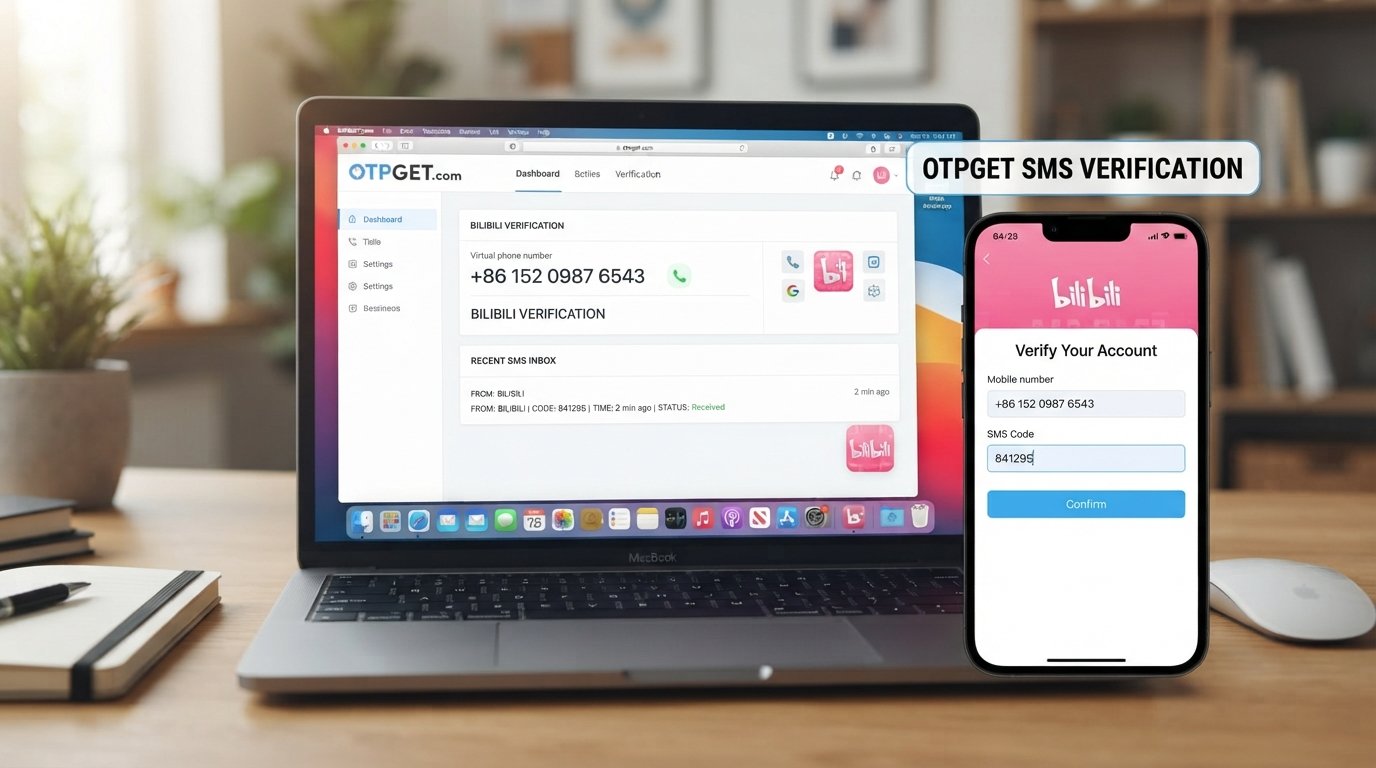
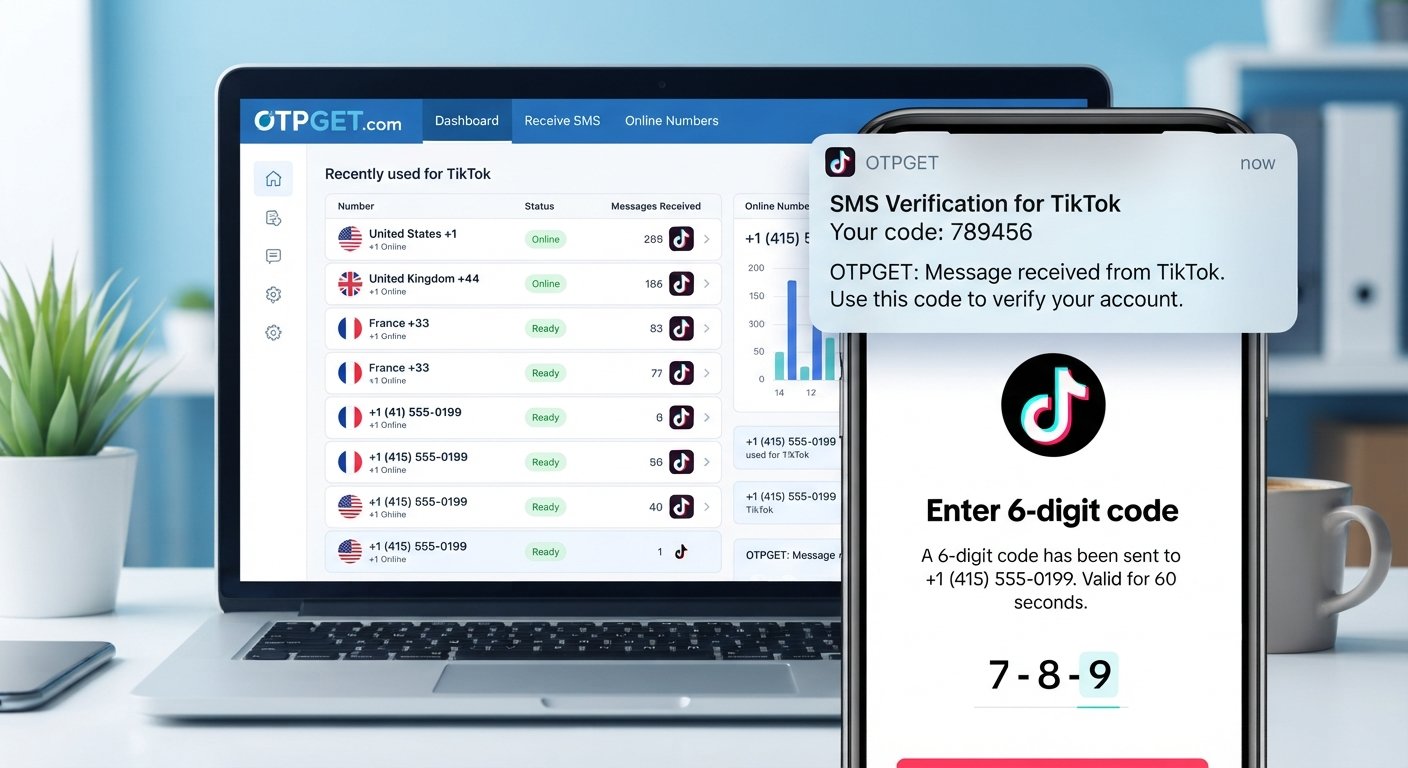
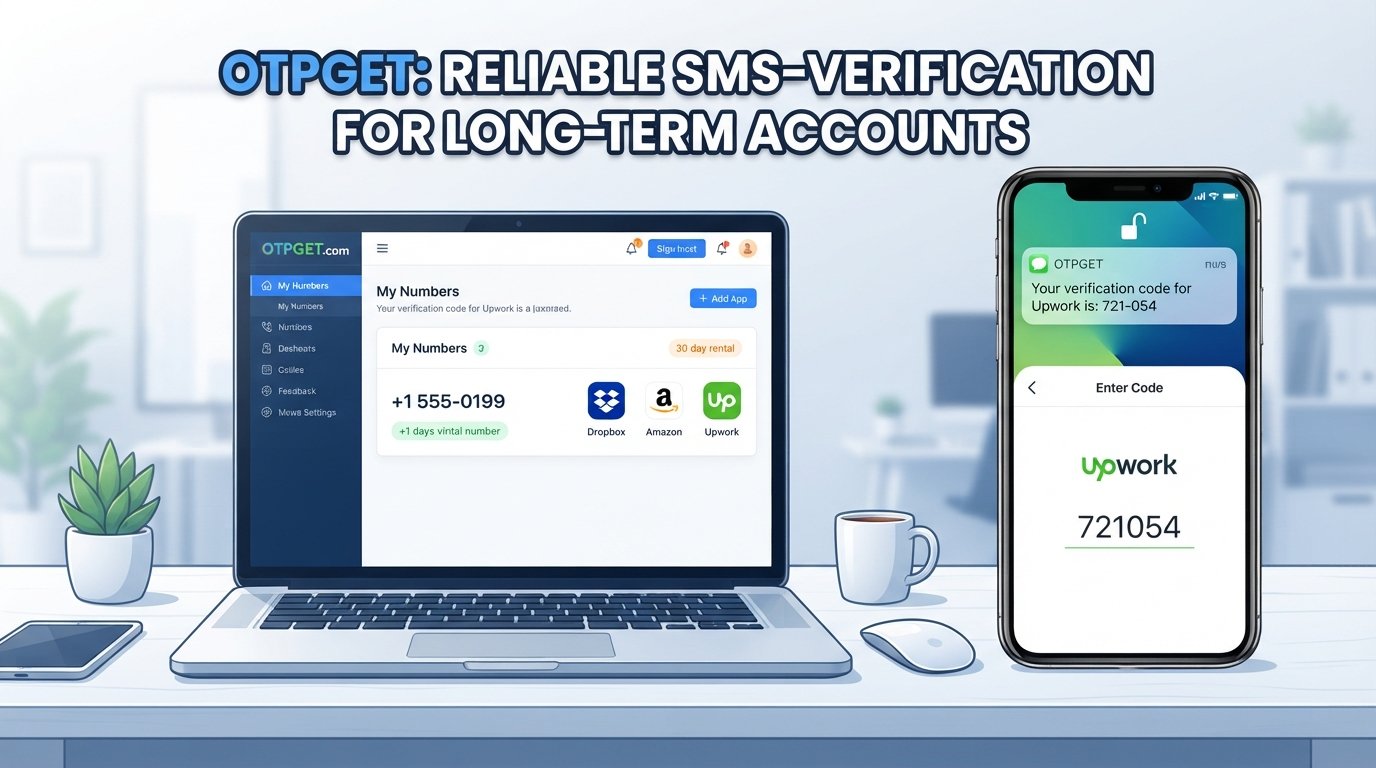
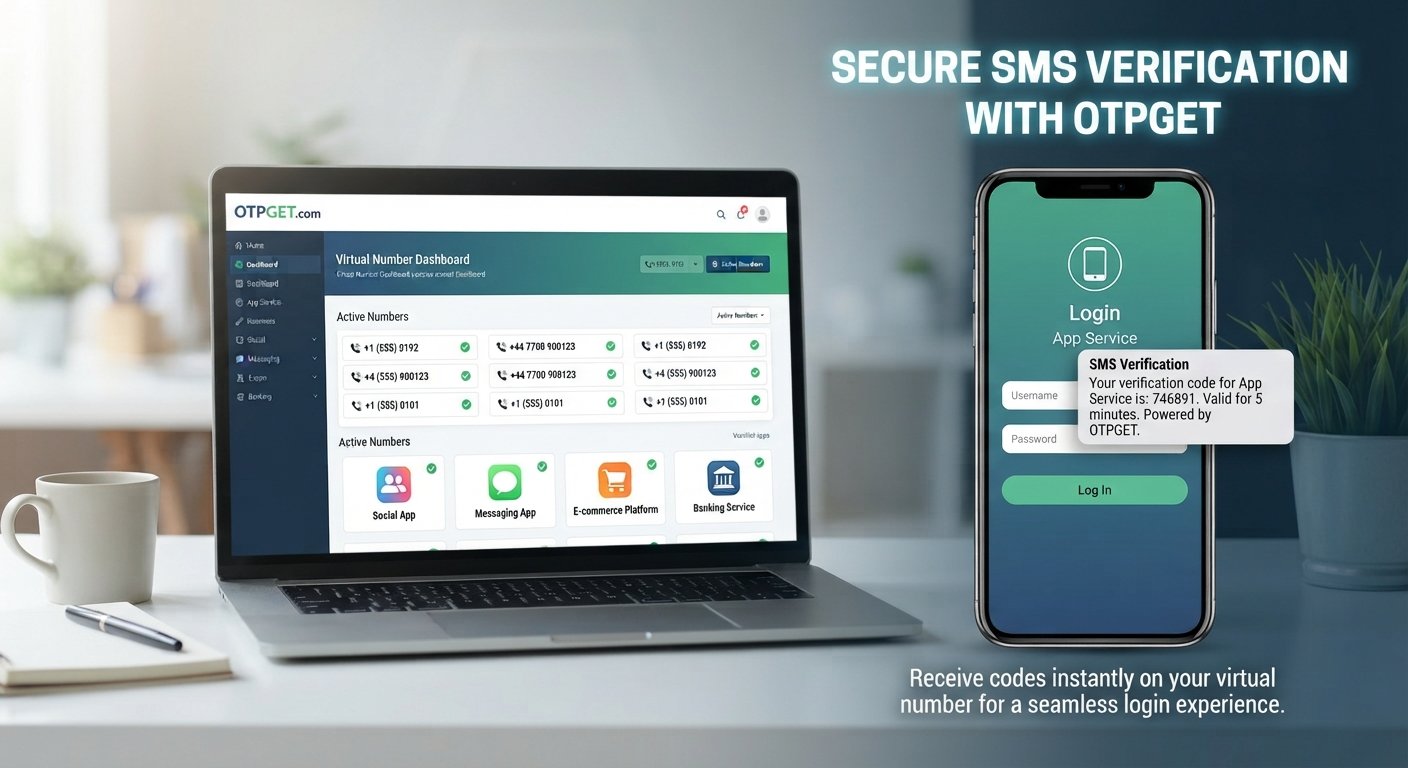
Knowing how to identify a scam OTP website before using one can help you make a more informed decision. Services such as OTPGET can also be considered when you need an OTP verification solution, but the same basic rule applies: review the service, understand its policies, and use it responsibly.
What Is an OTP Website?
An OTP website is an online service that provides access to phone numbers or related verification tools used to receive one-time passwords and SMS verification codes.
OTP verification uses a temporary or one-time code to confirm that a person has access to a particular phone number or communication channel. Depending on the service, users may receive a verification code through a virtual phone number rather than their personal mobile number.
A temporary phone number for OTP can be useful when a platform permits this type of verification and the user does not want to expose a personal number unnecessarily.
Common uses include:
- Testing applications and verification workflows
- Temporary registrations where permitted
- Protecting a personal phone number from unnecessary exposure
- Development and quality-assurance testing
- Separating temporary verification needs from a personal number
A legitimate OTP website should clearly explain what it provides, how the verification process works, what users pay, and what information may be collected.
Why Scam OTP Websites Are a Problem
The biggest issue with a fraudulent OTP service is not simply that a verification code might fail. The broader concern is that users may not know who operates the website or what happens to their information and payments.
Potential problems include:
- Fake or non-working verification services
- Unexpected or hidden charges
- Poor privacy practices
- Misleading claims about service availability
- Reused or unreliable numbers
- Unclear business ownership
- Difficult-to-reach customer support
- Suspicious payment methods
- Requests for information unrelated to the service
- Websites primarily designed to collect visitor information
A suspicious OTP website can also create unnecessary frustration. You may spend money, receive a number that does not work, or discover that the website provides little meaningful support.
That is why evaluating an SMS verification service before paying is an important part of online privacy and OTP security.
Signs of a Scam OTP Website
Learning the warning signs makes it much easier to recognize a fake OTP website before using it.
1. No Clear Company or Service Information
A trustworthy-looking service should provide enough information to understand who operates it and what it offers.
Check: Look for a clear service description, company information, policies, and identifiable support channels. Be cautious when a website gives you almost no information about its operation.
2. Suspicious or Poorly Designed Website
Design alone does not prove that a website is fraudulent, but obvious warning signs deserve attention.
Broken pages, inconsistent branding, excessive spelling mistakes, strange URLs, and unfinished sections can indicate that a service has not been maintained properly.
Check: Browse several pages before entering payment or personal information.
3. Missing Contact or Support Information
If something goes wrong with your verification order, you need a reasonable way to seek assistance.
Check: Look for a legitimate support channel and determine whether the contact information is clear and relevant to the service.
4. Unrealistic Promises
Be skeptical of websites making absolute claims such as guaranteed verification on every platform, unlimited success, or completely risk-free service.
Check: Compare marketing promises with the actual service description and policies.
5. Hidden Fees or Unclear Pricing
A very low advertised price may not represent the final cost.
Check: Understand what you are paying for, when charges occur, and whether additional conditions apply before making a purchase.
6. Excessive Personal-Information Requests
An OTP service may need certain account or payment information, but requests should make sense for the service being provided.
Check: Ask yourself whether each requested piece of information is necessary. Avoid sharing unrelated sensitive information.
7. Suspicious Payment Methods
Payment is one of the most important points to examine before committing money.
Check: Review the available payment process and avoid sites that pressure you into unusual or unexplained payment arrangements.
8. Poor Privacy Policy or Missing Terms
A missing privacy policy makes it difficult to understand how your information may be handled.
Check: Read the privacy policy and terms before using an online OTP service, especially if you are concerned about online privacy.
9. Large Numbers of Fake-Looking Reviews
Reviews can be useful, but they should not be your only source of trust.
Check: Look for consistent, detailed feedback rather than relying on repetitive one-line testimonials or reviews that appear overly promotional.
10. OTP Numbers Repeatedly Fail
Frequent verification failures can indicate unreliable number availability, compatibility issues, or poor service management.
Check: Review the service's stated process and support options before repeatedly purchasing numbers that do not work.
11. Unclear Ownership
If you cannot determine who is responsible for the website, resolving payment or service issues may be difficult.
Check: Look for consistent branding, policies, support information, and a clearly explained service identity.
12. Aggressive Pop-Ups, Redirects, or Downloads
Unexpected redirects and forced downloads are strong reasons to stop.
Check: Do not install unknown software or browser extensions simply to receive an OTP. Close the page if its behavior seems suspicious.
How to Check Whether an OTP Website Is Legitimate
Before using an OTP verification service, run through a simple evaluation process:
- Read the service description. Make sure you understand exactly what is being offered.
- Check pricing. Confirm costs before adding payment information.
- Review the privacy policy. Understand what information may be collected and why.
- Read the terms. Make sure your intended use is permitted.
- Look for support. Confirm that there is a clear way to ask for help.
- Evaluate the verification process. It should be explained clearly rather than hidden behind vague promises.
- Check the website behavior. Avoid suspicious redirects, downloads, and excessive pop-ups.
- Consider reputation carefully. Look beyond testimonials displayed on the website itself.
- Limit the information you provide. Share only what is reasonably required.
- Use the service responsibly. Follow the rules of the platform you are verifying.
This approach is useful whether you are trying to receive OTP online, receive SMS online, or obtain a temporary number for verification.
How OTPGET Can Help With OTP Verification
For users looking for a dedicated OTP verification service, OTPGET can be a practical option to consider.
The value of using a dedicated service is that it gives users a defined place to manage temporary verification needs instead of selecting a random website from search results. OTPGET is positioned around virtual numbers and OTP verification, making it relevant for people who need temporary phone verification where such use is permitted.
Users should still evaluate any service before use. With OTPGET, that means reviewing the available service information, pricing, privacy details, terms, and support options and making sure the intended use follows the rules of the platform being verified.
A straightforward verification workflow can be useful when you need to keep temporary verification activity separate from your personal phone number. The important point is to combine convenience with responsible use rather than assuming that any OTP provider is automatically appropriate for every situation.
OTPGET vs. an Unknown OTP Website
The following comparison is designed to help readers evaluate a dedicated service such as OTPGET against an unfamiliar website without assuming that every unknown provider is fraudulent.
| Factor | OTPGET | Unknown OTP Website |
|---|---|---|
| Service transparency | Review the service information provided by OTPGET before use | May be unclear or incomplete |
| Pricing clarity | Check OTPGET's current pricing and applicable conditions | May be unclear |
| User information | Review what information OTPGET requests and why | May request unnecessary information |
| Support | Review the available OTPGET support options | Support may be difficult to verify |
| Verification process | Review how OTPGET's verification workflow operates | Process may be poorly explained |
| Privacy information | Review OTPGET's privacy information before use | Privacy policy may be missing or unclear |
| User experience | Evaluate the service interface and workflow before use | May include redirects or intrusive pop-ups |
The key difference is not simply the brand name. Transparency, understandable policies, clear pricing, and responsible data practices are useful criteria for evaluating any OTP service.
How to Avoid OTP Scams
Knowing how to avoid OTP scams is mostly about slowing down before you click, pay, or share information.
Use these habits:
- Verify the website address before entering information.
- Read privacy and payment information first.
- Check pricing before purchasing a number.
- Never provide unnecessary personal information.
- Do not download unknown software to receive a verification code.
- Avoid suspicious links and unexpected redirects.
- Never share sensitive OTPs with another person.
- Choose a dedicated verification service after reviewing its policies.
- Check whether customer support is clearly available.
- Stop using the site if its behavior becomes suspicious.
Remember that an OTP is often a security credential. Treat verification codes carefully, even when they are being received through a temporary or virtual number.
When Should You Use a Temporary Phone Number?
A temporary phone number can be useful when a platform permits temporary or virtual numbers and your purpose is legitimate.
Examples include:
- Testing a service or application
- Development and QA workflows
- Temporary registrations where allowed
- Protecting a personal number from unnecessary exposure
- Separating temporary verification activity from a personal number
However, temporary numbers should not be used to bypass identity checks, account restrictions, platform security, or terms of service.
Before using a temporary number for verification, check the rules of the platform involved. If temporary or virtual numbers are prohibited, use an approved verification method instead.
Common Mistakes People Make When Choosing an OTP Service
Choosing an OTP service based only on price is one of the easiest mistakes to make.
Other common problems include:
- Trusting unrealistic promises
- Ignoring the privacy policy
- Selecting the first random website in search results
- Providing more personal information than necessary
- Failing to check support options
- Assuming every temporary number service works the same way
- Ignoring unexplained redirects or payment instructions
A better approach is to compare services using transparency, pricing, privacy information, usability, support, and responsible-use policies.
Quick Checklist Before Using Any OTP Website
Before using an OTP website, ask:
- ✓ Is the website identity clear?
- ✓ Is pricing transparent?
- ✓ Is a privacy policy available?
- ✓ Are the terms clearly explained?
- ✓ Is customer support identifiable?
- ✓ Are there no suspicious redirects?
- ✓ Does the site avoid unnecessary information requests?
- ✓ Are its claims reasonable?
- ✓ Is the verification process clearly explained?
- ✓ Is your intended use permitted by the platform?
If several answers are “no,” consider stopping and looking for another option.
Why OTPGET Is Worth Considering
For people who need a convenient OTP verification service, OTPGET is worth considering as an alternative to choosing an unfamiliar OTP website without first checking its credibility and policies.
Its relevance comes from its focus on virtual numbers and OTP verification. That makes it suitable to evaluate when you have a legitimate temporary verification need.
As with any online service, users should review the applicable pricing, privacy information, terms, and usage rules before proceeding. The goal should be a verification experience that is convenient while still respecting online privacy and the requirements of the platform being verified.
Conclusion
A scam OTP website can be difficult to recognize when you focus only on price or the promise of receiving a verification code quickly. The safer approach is to look at the bigger picture.
Check who operates the service, how clearly it explains its offering, whether pricing is understandable, what its privacy policy says, how support works, and whether the website behaves normally.
Avoid suspicious OTP websites that pressure you into payments, request unnecessary information, make unrealistic promises, or use aggressive redirects and downloads.
If you need a practical option for temporary OTP verification, OTPGET can be considered after reviewing its available service information and policies. Whether you choose OTPGET or another provider, make the decision based on transparency, responsible use, and your specific verification needs.
Before entering your information or paying for a number, take a moment to check the service. That small step can make online verification more informed and less risky.
FAQ
1. What is a scam OTP website?
A scam OTP website is a website that may misrepresent its OTP or SMS verification service, use misleading pricing, collect information improperly, provide unreliable services, or otherwise fail to operate as users reasonably expect.
2. How can I tell if an OTP website is legitimate?
Check whether the website clearly explains its service, pricing, privacy practices, terms, support options, and responsible-use requirements. Avoid sites with unexplained redirects, excessive information requests, or unrealistic promises.
3. Is it safe to use a temporary phone number for OTP verification?
A temporary phone number can be appropriate for legitimate purposes when the platform permits it. Always follow the platform's terms and avoid using temporary numbers to bypass security, identity verification, or account restrictions.
4. What information should an OTP website ask for?
The information requested should be relevant to providing and managing the service. Be cautious when an OTP website asks for unnecessary sensitive information or cannot explain why certain details are required.
5. How can I avoid OTP scams?
Verify the website, review its privacy policy and pricing, check support information, avoid suspicious downloads and redirects, and never share sensitive verification codes with other people.
6. What should I check before using an OTP verification service?
Check service transparency, pricing, privacy information, terms, support, verification procedures, website behavior, and whether your intended use is allowed by the platform.
7. How can OTPGET help with OTP verification?
OTPGET can be considered by users who need a dedicated option for virtual numbers and OTP verification. Before using it, review the available service information, pricing, policies, and usage requirements to make an informed choice.