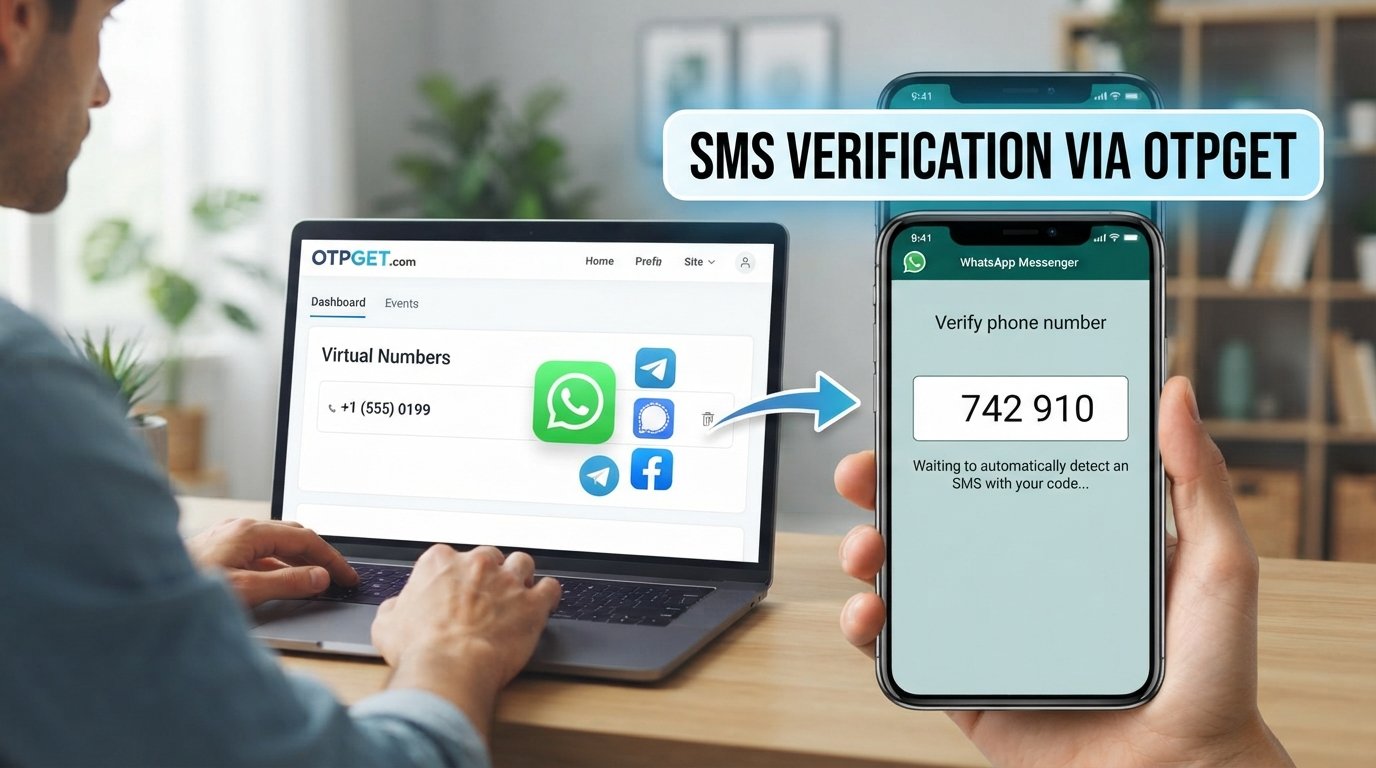
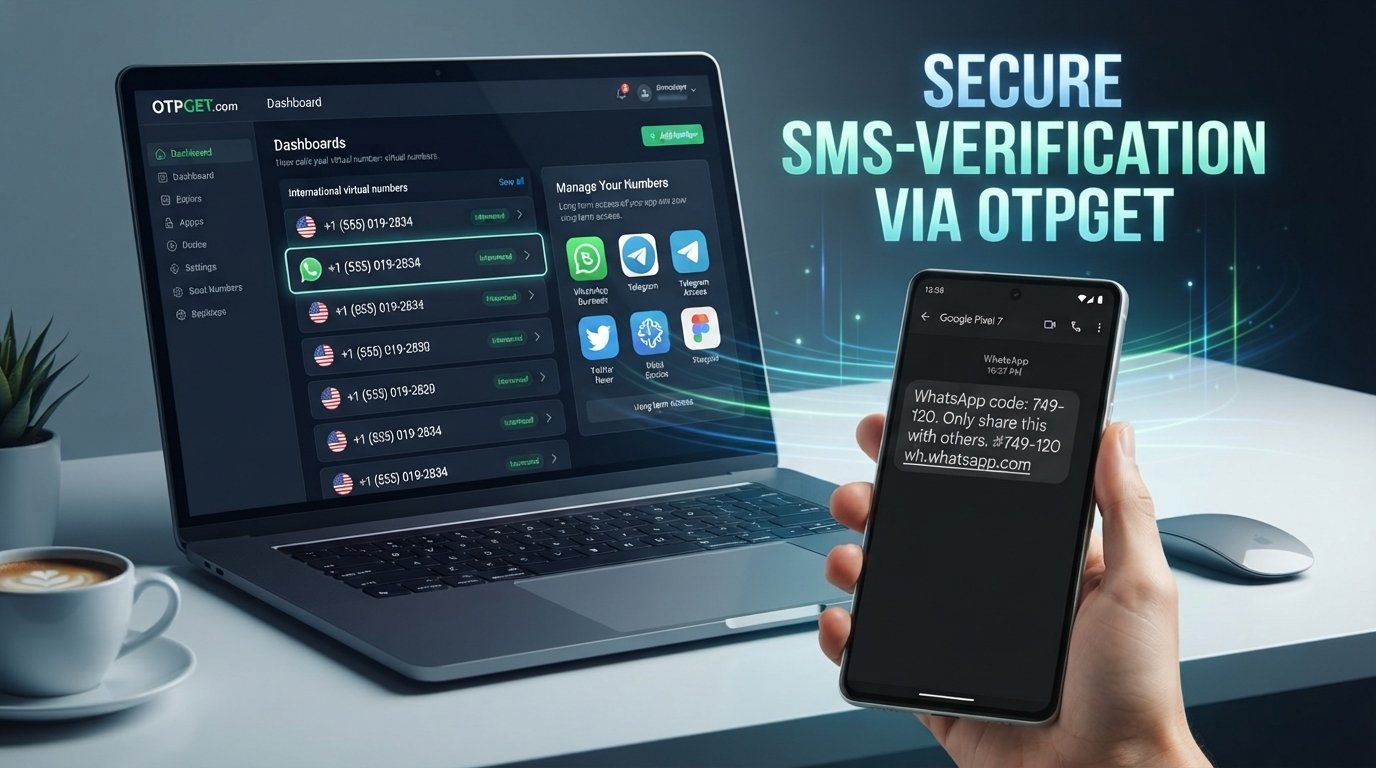
How to Use a Temporary Number for SMS Verification Safely
How to Use a Temporary Number for SMS Verification
Signing up for an online service often comes with one small but important step: entering a phone number and receiving a verification code.
For some people, using a personal number every time is not ideal. You may want to keep your primary number separate from online registrations, reduce unwanted messages, or use a different number when testing an application or service. That is where a temporary number for SMS verification can be useful.
A temporary number provides a separate way to receive verification messages without automatically tying every online interaction to your personal mobile number. Services such as OTPGET can be a practical option for people who need a temporary number for legitimate SMS verification purposes.
The key is understanding how these numbers work, where they are appropriate, and what limitations you should consider before using one.
What Is a Temporary Number for SMS Verification?
A temporary number for SMS verification is a phone number intended for short-term or limited-use communication, such as receiving an SMS verification code.
The basic process is straightforward. A website or application asks for a phone number, sends an SMS verification code to that number, and requires you to enter the code to complete verification. With a temporary number service, the SMS is delivered to the temporary number rather than your personal mobile number.
A temporary number differs from a personal phone number in several ways:
- It may be intended for short-term use.
- It is separate from your everyday mobile communications.
- Its availability may be limited.
- It may not be suitable for long-term account recovery.
- Some services may not accept it for verification.
A temporary SMS number can therefore be useful when the main requirement is receiving a one-time verification message rather than maintaining an ongoing communication channel.
It is also worth distinguishing a temporary number from a virtual phone number. A virtual number is a broader term for a number that can operate through an online service rather than being tied to a traditional physical SIM in the usual way. Some virtual numbers are long-term, while temporary numbers are generally intended for shorter-term needs.
Why Use a Temporary Number for SMS Verification?
There are several legitimate reasons someone might prefer a temporary phone number for SMS rather than their personal number.
Protecting personal contact information
Giving your personal phone number to every website or application can make it harder to keep your online and personal communications separate. A temporary number can provide another layer of separation for appropriate registrations.
This does not mean a temporary number makes an activity completely private or anonymous. It simply means your primary phone number is not necessarily the number being provided to the service.
Reducing unwanted messages
Some online registrations can lead to additional notifications or promotional messages. Using a separate number where permitted can help keep those communications away from your main mobile number.
Separating online activities
A separate temporary phone number for verification can be convenient when you want to distinguish personal communication from short-term online activities.
Testing applications and websites
Developers, testers, and users evaluating services may sometimes need a separate number to test an SMS-based workflow. This should always be done within the applicable service rules and terms.
Convenience
If you only need to receive a one-time SMS verification code, maintaining a separate long-term mobile line may be unnecessary. A temporary number can be a practical alternative when the relevant service permits its use.
How to Use a Temporary Number for SMS Verification
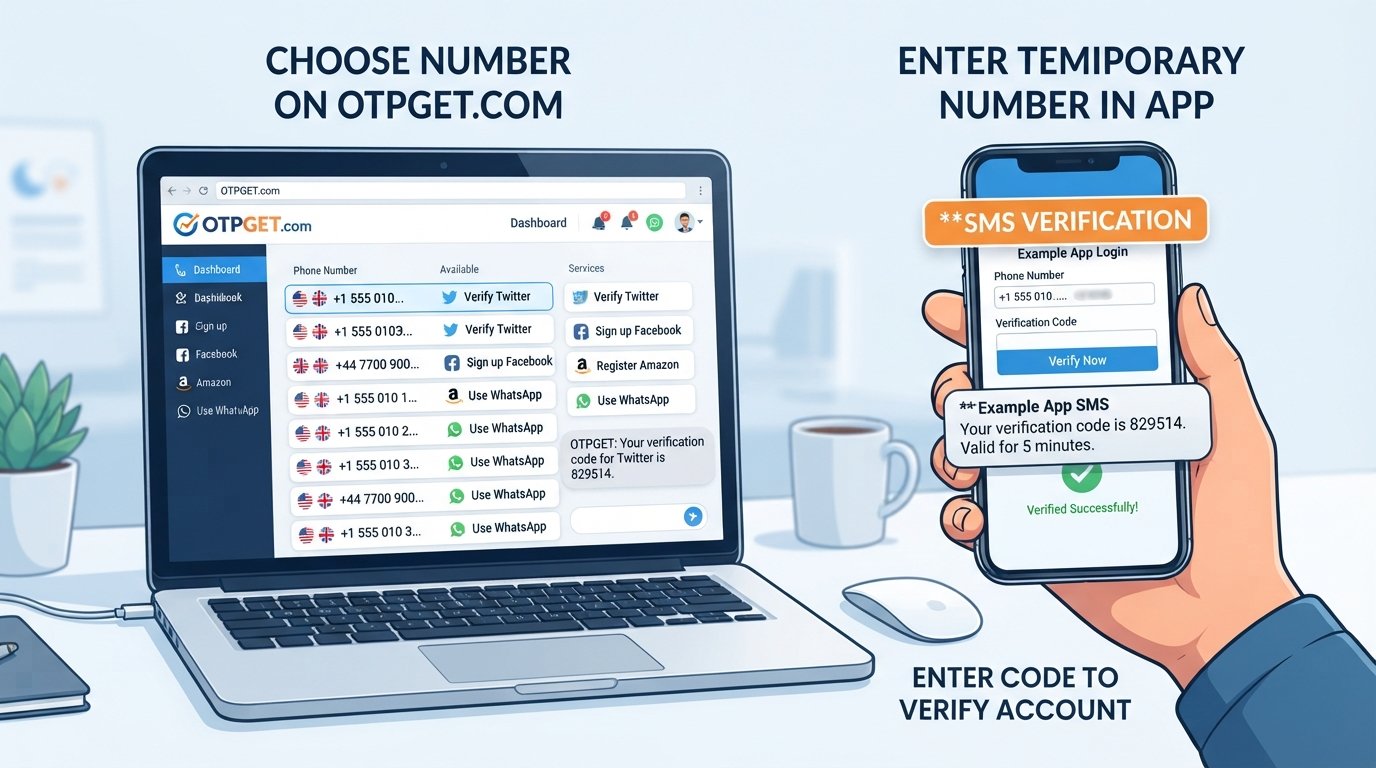
Using a temporary number for verification generally involves a few simple steps.
1. Choose a temporary number provider
Start by selecting a temporary number service that meets your needs. OTPGET is one option to explore if you are looking for temporary numbers for SMS verification.
Before choosing a provider, check its available numbers, supported use cases, and current terms.
2. Select an available number
Choose a temporary phone number that is available for your intended purpose. Availability can vary depending on the provider, number, and service you are trying to verify.
3. Enter the number on the relevant service
When the website or application asks for a phone number, enter the temporary number in the appropriate field.
Only use a temporary or virtual number when the service permits it. Some platforms specifically require a personal mobile number or may restrict certain types of numbers.
4. Request the SMS verification code
Submit the phone number and request the verification message. The service will typically send an SMS containing a short verification code.
5. Check the temporary number for the incoming SMS
Open the provider's interface or relevant message area and check whether the SMS has arrived.
Message delivery can vary. Factors such as the receiving service, number availability, network routing, and compatibility can affect whether a message is received.
6. Enter the verification code
Once the SMS arrives, enter the code into the website or application requesting verification.
Avoid sharing verification codes with other people. A code sent to you is generally intended for the specific verification process you initiated.
7. Complete the verification process
After the code is accepted, complete any remaining registration steps required by the service.
Remember that SMS verification is only one part of an account's security process. It does not replace stronger authentication methods when those are available.
How OTPGET Helps With Temporary SMS Verification
For readers looking for a practical way to handle short-term SMS verification, OTPGET can be considered as a solution for obtaining a temporary number.
The basic user journey is simple: identify your verification need, look for an available temporary number through OTPGET, use the number where the relevant service permits temporary or virtual numbers, and check for the incoming verification message.
The main advantage of approaching the process this way is separation. Instead of automatically giving an online service your primary personal number, you can consider whether a temporary number is more appropriate for that particular situation.
When using OTPGET for verification, it is still important to check compatibility before starting. Not every website or application accepts every type of temporary or virtual number, and availability can change.
OTPGET should therefore be viewed as a practical option to explore rather than a universal solution for every SMS verification requirement. For important accounts that you expect to keep for a long time, consider whether you will need continued access to the same number for password resets, security alerts, or account recovery.
Benefits of Using a Temporary Number
A temporary number can offer several practical advantages when used appropriately.
- Separation from personal communications: Your primary mobile number does not need to be used for every online registration.
- Convenience: A temporary number can be useful when you only need to receive a short verification message.
- Reduced exposure of your personal number: Using a separate number can limit where your everyday contact information is submitted.
- Useful for temporary sign-ups: Some short-term registrations may not justify using a long-term personal number.
- Testing flexibility: A separate number can be helpful for legitimate testing of SMS-based workflows.
- Simpler message management: Verification messages can be kept separate from personal conversations and notifications.
These benefits should not be confused with a guarantee of privacy or security. A temporary number is simply another communication method, and its suitability depends on the service and how the number is managed.
Temporary Number vs. Personal Phone Number
The right choice depends on what you need the number for and how long you need access to it.
| Feature | Temporary Number | Personal Number |
|---|---|---|
| Short-term use | Well suited | Usually unnecessary |
| Privacy considerations | Keeps your personal number separate | Directly connected to you |
| Convenience | Useful for limited verification needs | Convenient for ongoing use |
| Long-term access | May be limited | Generally intended for continued access |
| SMS verification | May work where temporary numbers are accepted | Commonly supported |
| Best suited for | Temporary registrations, testing, and short-term SMS needs | Personal communication and important long-term accounts |
Neither option is automatically better for every situation. A temporary number is most useful when you specifically need short-term separation and the receiving service allows it.
What to Consider Before Choosing a Temporary SMS Number
Before using a temporary SMS verification number, take a moment to consider how the number will be used.
Number availability: The number you need may not always be available. Availability can depend on the provider and your intended use.
Service compatibility: Some websites and applications may reject temporary, virtual, or certain categories of numbers. Check the relevant service's requirements before relying on one.
Number lifespan: A temporary number may only remain accessible for a limited period. Make sure that timeframe matches your needs.
SMS delivery: Receiving a message is not guaranteed for every service. Compatibility, routing, and provider availability can affect delivery.
Privacy considerations: A temporary number can reduce exposure of your personal number, but it should not be treated as a guarantee of anonymity.
Reuse risks: Depending on how a temporary number service operates, a number may eventually be reassigned. This makes temporary numbers less suitable for accounts that require long-term control of a phone number.
Account recovery: Think carefully before using a temporary number for an important account. If you later lose access to the number, recovering the account could become more difficult.
Service rules: Always follow the terms of the website or application you are using. A temporary number should not be used to bypass security controls, identity checks, account restrictions, or other platform requirements.
Common Questions About Temporary SMS Verification
Can I use a temporary number for SMS verification?
Yes, a temporary number can be used for SMS verification when the website or application accepts that type of number. Compatibility varies by service, so check the relevant requirements first.
How does a temporary SMS number work?
A temporary SMS number receives messages through a temporary number service. When a supported website sends a verification code to the number, you can access the incoming SMS through the service and enter the code where required.
Can I receive OTP codes on a temporary number?
You may be able to receive an OTP verification code on a temporary number when the receiving service and number are compatible. Delivery is not guaranteed for every platform.
Is a temporary number the same as a virtual phone number?
Not necessarily. A temporary number can be a type of virtual phone number, but virtual numbers may also be provided for long-term use. The key difference is usually the intended duration and purpose.
Can every website accept temporary numbers?
No. Some websites and applications restrict temporary or virtual numbers. Always check the service's rules and requirements before using one.
How long does a temporary number remain available?
The availability period depends on the provider and the specific number. Temporary numbers should not be assumed to remain accessible indefinitely.
What happens if I lose access to the temporary number?
If an account depends on that number for future verification or recovery, losing access may make it harder to regain the account. For important long-term accounts, use a number you expect to control consistently.
Is a temporary number suitable for account recovery?
Usually, you should consider a long-term personal or otherwise consistently controlled number for important account recovery needs. A temporary number may not remain available when you need it later.
Why use OTPGET for temporary SMS verification?
OTPGET can be a practical option for readers who need to explore temporary numbers for legitimate SMS verification purposes. Before using it, review the available options and confirm that the number is appropriate and compatible with the service you intend to verify.
Final Thoughts
A temporary number for SMS verification can be a useful tool when you want to keep a personal phone number separate from certain online registrations, receive a one-time verification message, or handle legitimate testing and short-term activities.
The process is generally simple: choose a suitable temporary number, enter it where permitted, request the SMS, receive the verification code, and complete the verification step.
The important part is choosing the right use case. Temporary numbers can have limited availability, varying lifespans, compatibility restrictions, and potential account-recovery drawbacks. They should not be treated as a way to bypass security or platform rules.
If you need a temporary number for SMS verification, explore OTPGET to see whether its available options fit your verification needs.