Temporary vs Permanent Numbers: Which One Should You Pick?
Temporary vs Permanent Numbers: Which to Pick?
Ever signed up for an online service and hesitated when it asked for your phone number?
For some people, sharing a primary number is perfectly reasonable. For others, especially when the need is limited to SMS verification or a one-time OTP, using a separate number can feel like the more practical choice.
That is where the question of temporary vs permanent numbers becomes important.
A temporary phone number can be useful when you need short-term access to SMS or verification messages without relying on your everyday number. A permanent phone number, meanwhile, is better suited to communication and accounts where continued access matters.
Neither option is automatically right for every situation. The better choice depends on what you are trying to accomplish, how long you need the number, and whether you may need to receive messages from the same service again.
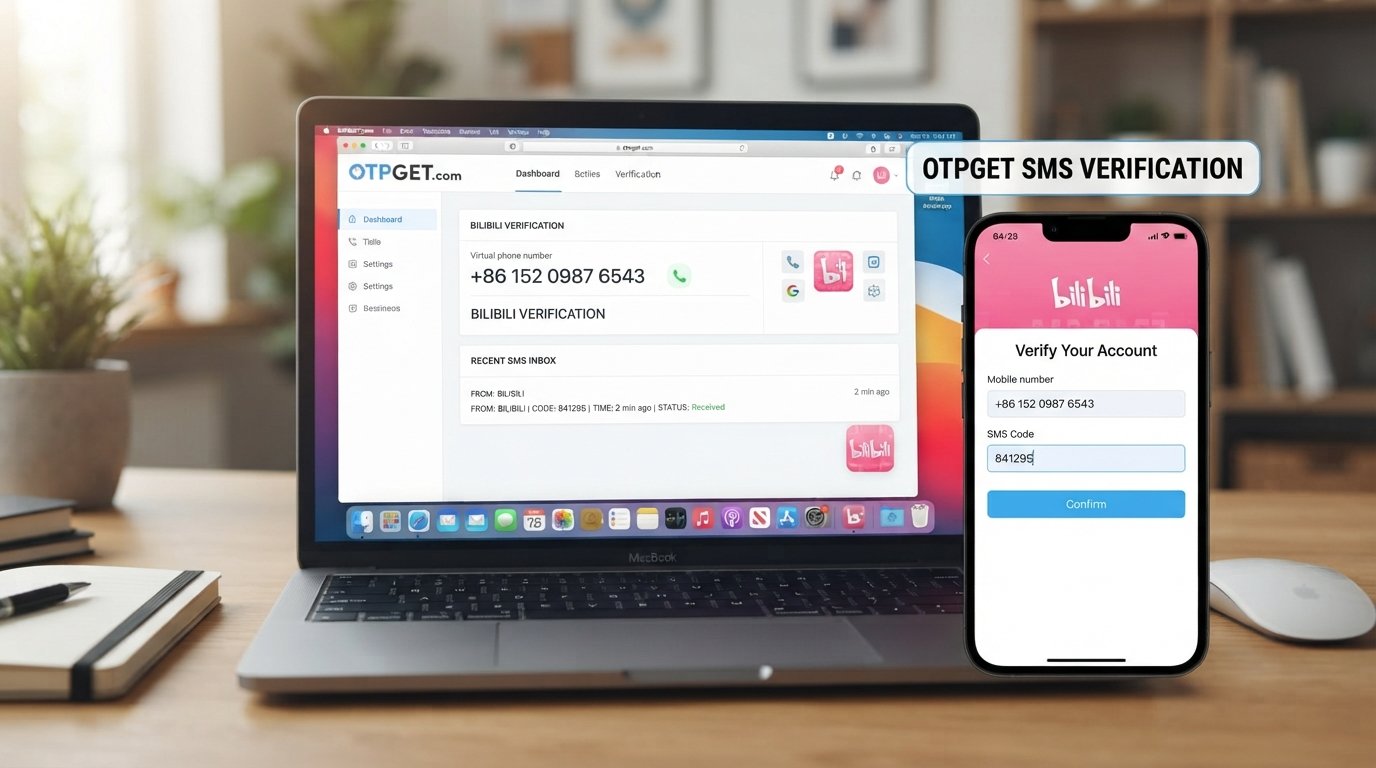
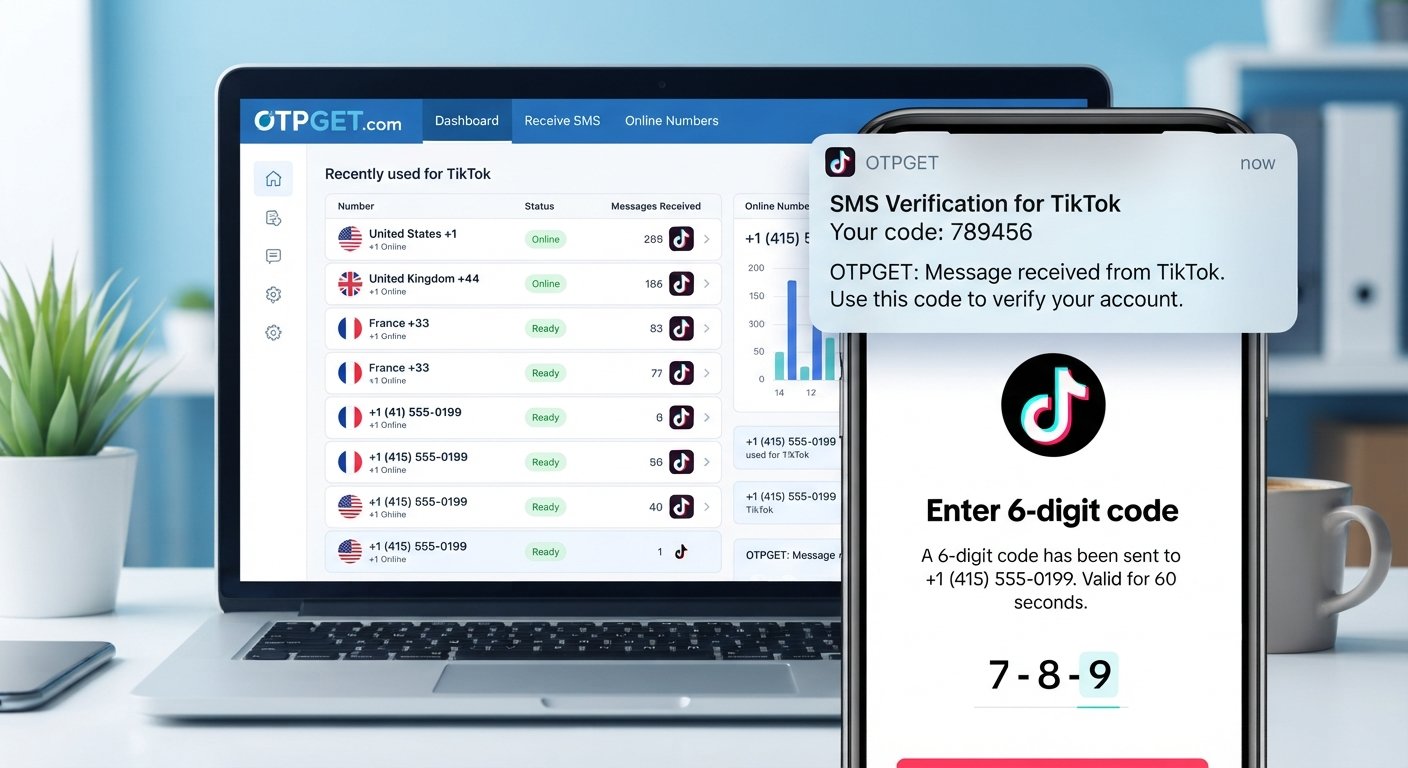
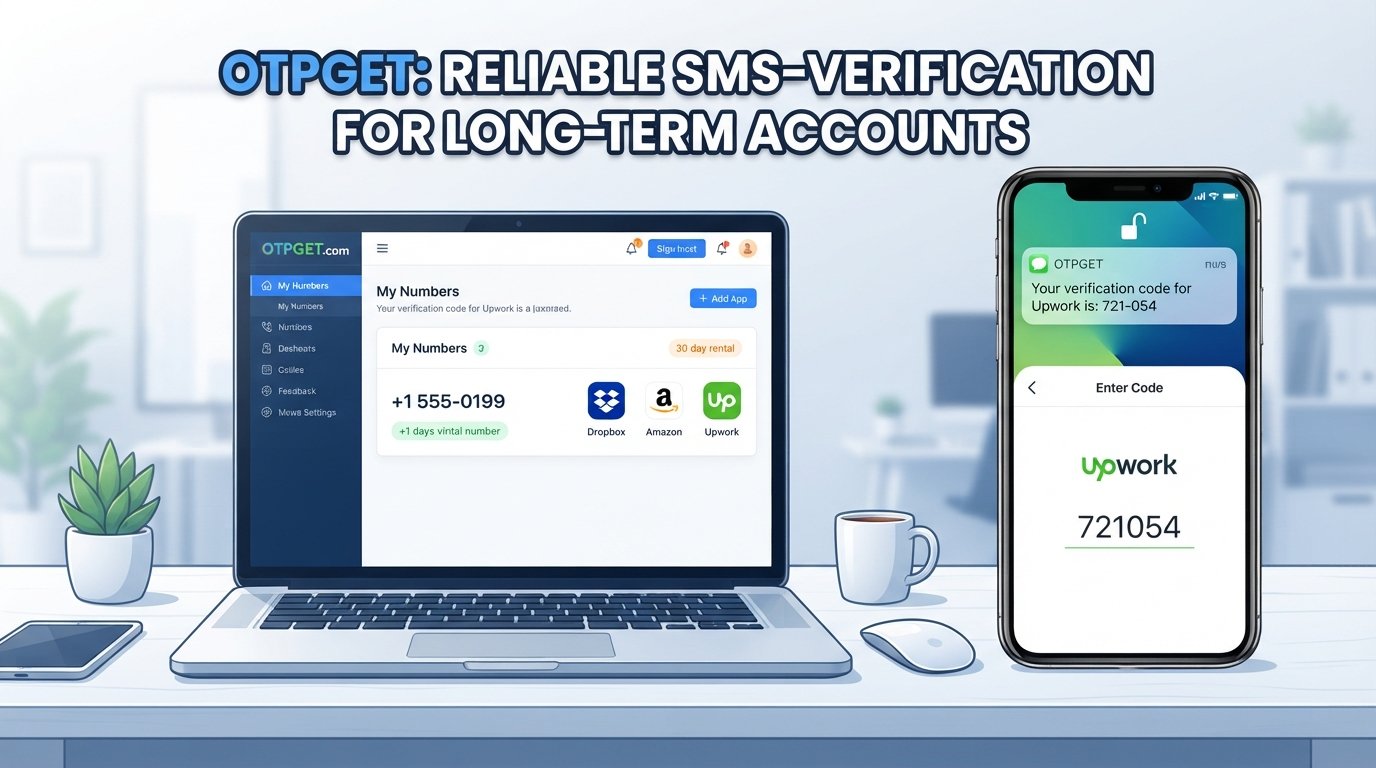
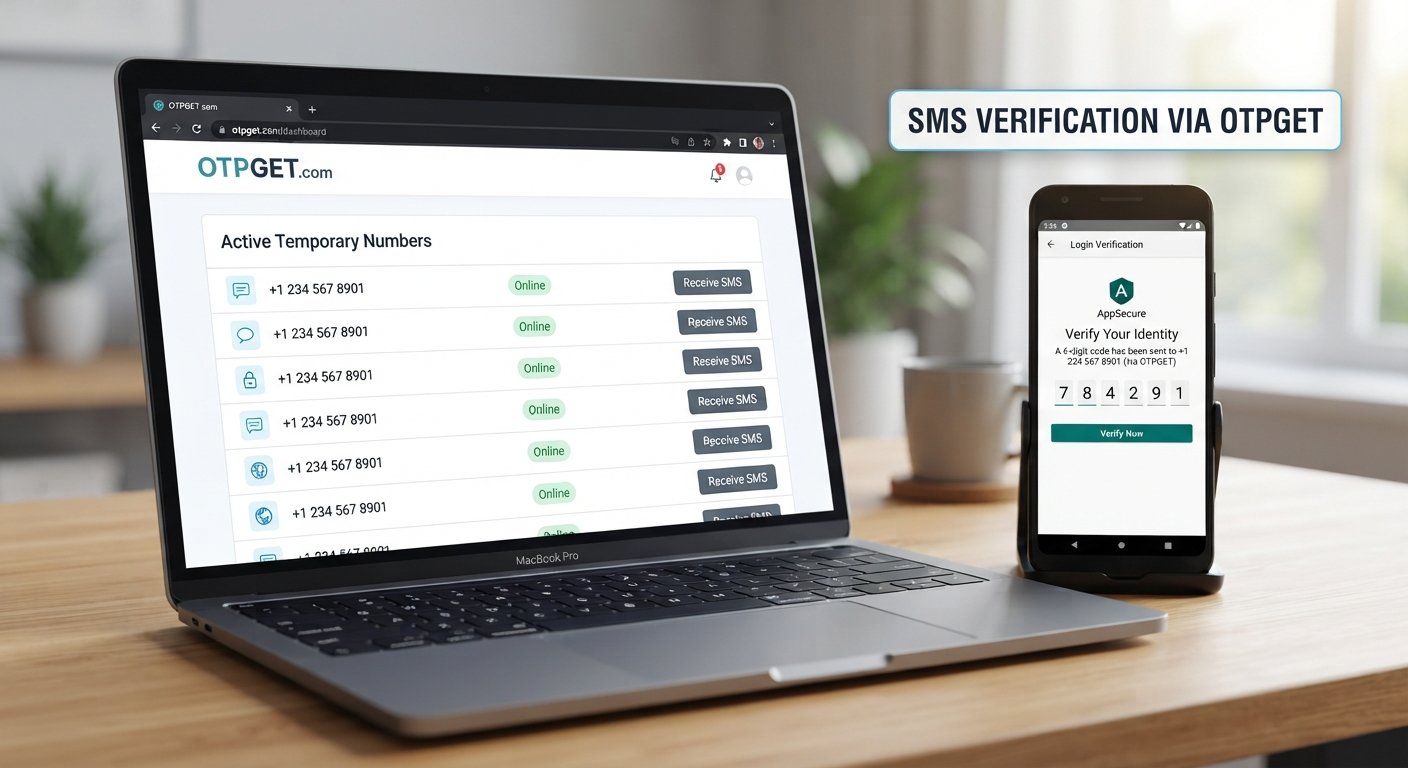
For readers whose needs center on temporary numbers, SMS verification, or OTP-related use cases, OTPGET is worth considering as a practical option. The key is understanding the differences first.
What Is a Temporary Phone Number?
A temporary phone number is a number intended for short-term or limited use rather than ongoing personal communication.
Depending on the service providing it, a temporary number may allow users to receive SMS messages or verification codes for a particular purpose. This can be useful when you do not want to immediately associate your primary phone number with an online activity.
Common use cases can include:
- Receiving an SMS verification code
- Receiving an OTP for an appropriate online registration
- Separating online activities from personal communication
- Testing services where temporary numbers are permitted
- Handling a short-term communication requirement
- Avoiding unnecessary exposure of a primary number
A temporary number is not automatically anonymous or completely private. Privacy depends on how the number is provided, handled, and used, as well as the policies of the service involved.
It is also important to remember that some websites and platforms may restrict temporary, virtual, or VoIP numbers. Users should always follow the relevant service's rules.
What Is a Permanent Phone Number?
A permanent phone number is best understood as a number you expect to keep and use over the long term.
The word "permanent" does not mean the number can never be changed, lost, or transferred. It simply describes a number that serves as an ongoing point of contact.
Permanent phone numbers are commonly used for:
- Personal calls and messages
- Family and friends
- Business communication
- Long-term online accounts
- Account recovery
- Important services that require consistent access
- Two-factor authentication for accounts you expect to keep
The biggest advantage is continuity. If an account sends a recovery message months after registration, you generally want that number to remain accessible.
For important accounts, that long-term relationship can matter more than the privacy or convenience offered by a temporary number.
Temporary vs Permanent Numbers: Key Differences
The simplest way to understand temporary vs permanent phone number choices is to compare what each is designed to accomplish.
| Factor | Temporary Number | Permanent Number |
|---|---|---|
| Duration | Usually intended for short-term use | Intended for ongoing use |
| Privacy | Can help avoid exposing a primary number in suitable situations | Primary or established contact number may be shared |
| Convenience | Useful for limited, specific needs | Convenient for recurring communication |
| Long-term access | May not be suitable for future messages | Designed for continued access |
| SMS verification | Useful where temporary numbers are accepted | Generally suitable where an established number is required |
| Account recovery | Usually not ideal if future access is important | Better suited to long-term recovery |
| Personal communication | Not usually the main purpose | Well suited |
| Business communication | Limited use cases | Better for ongoing communication |
| Best suited for | Short-term or privacy-conscious needs | Long-term relationships and accounts |
| Potential limitation | May expire, change, or be rejected by some services | Less convenient when you simply need short-term verification |
The distinction is ultimately about purpose and continuity.
If you need a number briefly, a temporary option may make sense. If you need to remain reachable over time, a permanent number is usually more appropriate.
When Should You Use a Temporary Number?
A temporary number can be useful when your requirement is narrow and short-lived.
One-time SMS verification
Suppose an online service requires a phone number to send an SMS code during registration. If the service permits temporary or virtual numbers, a temporary number may be suitable for that specific purpose.
OTP verification
Some online processes use an OTP to confirm that a number can receive SMS messages. A temporary SMS number may be relevant when the verification is genuinely short-term and the service allows this type of number.
Separating personal and online activity
Some users prefer not to give their primary number to every website, service, or online interaction. A separate number can create a degree of separation between everyday communication and temporary online needs.
Testing permitted services
Developers, testers, or ordinary users may occasionally need a number while evaluating a service. If the service's terms permit temporary numbers, using one can avoid tying a test activity to a personal number.
Short-term communication
There are also situations where a second or temporary number simply makes practical sense because the communication requirement has a limited lifespan.
The important rule is simple: do not use a temporary number to bypass identity checks, fraud controls, platform restrictions, or other security measures. Always use a number in accordance with the service's requirements.
When Should You Use a Permanent Number?
A permanent phone number makes more sense whenever continuity matters.
Consider using one for:
- Family and friends
- Ongoing business contacts
- Important personal accounts
- Financial or other sensitive services
- Account recovery
- Long-term authentication
- Services where future SMS messages may be important
Imagine losing access to an account because its recovery code is sent to a number you no longer have. That is precisely why a temporary number is not always appropriate for important accounts.
If you expect to receive future notifications, recovery messages, or security codes, a number you can reliably access over the long term is generally the more practical choice.
Temporary Number vs Permanent Number for SMS and OTP Verification
SMS verification is one of the areas where the difference between the two becomes especially noticeable.
A temporary number for SMS can be useful when you need to receive a verification message for a limited purpose. If a service accepts the number, you may be able to receive the relevant SMS or OTP without using your everyday phone number.
However, verification is not always a one-time event.
Some accounts may later request another code, require recovery through SMS, or use the same number as part of an ongoing security process. In those situations, a permanent number may be more appropriate.
There is another important consideration: not every service accepts every type of phone number. Some may restrict temporary numbers, virtual numbers, or VoIP numbers. Always check the requirements of the specific service before choosing an SMS verification number.
For that reason, OTPGET should be viewed as a practical option for temporary-number and verification-related needs—not as a guarantee that every website or platform will accept a particular number.
Privacy and Security Considerations
Privacy and security are related, but they are not the same thing.
A temporary phone number can help reduce unnecessary exposure of your primary number. That can be useful when you want to keep a short-term online activity separate from your everyday communications.
But using a temporary number does not automatically make you anonymous or completely secure.
A few principles are worth keeping in mind:
- Privacy: A separate number may reduce the need to disclose your primary number.
- Security: Protect your accounts, passwords, and verification codes regardless of which number you use.
- Anonymity: A temporary number does not guarantee anonymity.
- Convenience: A temporary number can simplify short-term requirements, but it may be less suitable for ongoing access.
Most importantly, never share an OTP with another person simply because they ask for it. Verification codes are intended to help confirm access or identity within a particular process.
For important accounts, think beyond the initial verification step. Ask yourself whether you will still need the number later for recovery or additional security checks.
How OTPGET Fits Into the Temporary Number Use Case
When the goal is to find a practical solution for a temporary phone number, OTPGET is relevant because its positioning is centered on temporary numbers and SMS/OTP verification needs.
For someone who does not want to use a primary number for every short-term online requirement, a service focused on temporary number access can offer a straightforward alternative to using a personal number each time.
The potential appeal is easy to understand:
- Convenience: A temporary number can address a specific short-term requirement without turning it into a long-term communication channel.
- Separation: It can help separate temporary verification needs from your primary number.
- Privacy-conscious use: Using a separate number may reduce unnecessary exposure of your everyday contact information.
- Short-term practicality: A temporary number can make sense when you do not need an ongoing phone number relationship.
The important part is matching the tool to the task.
If you need a number for long-term communication, account recovery, or an important service that expects continued access, a permanent number may be the better fit. If your need is temporary and the relevant service permits this type of number, OTPGET can be considered as part of your temporary-number workflow.
What to Consider Before Choosing a Number
Before choosing between a temporary number and a permanent phone number, run through this quick checklist:
1. How long will you need it?
If you only need a number for a short-term purpose, a temporary option may be enough. If you expect to use it repeatedly, think about long-term access.
2. Will account recovery matter?
If losing the number could make it difficult to recover an account, a permanent number may be more appropriate.
3. Do you need SMS or OTP verification?
If the primary requirement is receiving an SMS verification code, determine whether the service accepts temporary or virtual numbers.
4. How important is number privacy?
If you would rather not expose your primary number for a limited online activity, a separate number may be worth considering.
5. Will the service accept the number?
Check the service's rules before relying on a temporary number. Acceptance can vary.
6. Will you need future messages?
If the answer is yes, consider whether you can reliably access the number later.
7. Is this personal or business communication?
Personal and business relationships generally benefit from continuity. A temporary number is more naturally suited to limited, defined requirements.
Temporary vs Permanent Numbers: Which One Is Right for You?
The answer to temporary vs permanent numbers depends on what you need the number to do.
A temporary number can make sense for short-term, privacy-conscious use cases, including appropriate SMS verification or OTP verification where temporary numbers are accepted.
A permanent number is generally more suitable when continuity matters—especially for personal communication, business contacts, important accounts, and account recovery.
The key question is not "Which number is better?" It is "How long will I need this number, and what happens if I lose access to it?"
If your use case calls for temporary number access, SMS receiving, or verification-related needs, OTPGET is a practical solution to explore. Just make sure the number type is compatible with the service you are using and follow its rules.
FAQ Section
What is a temporary phone number?
A temporary phone number is intended for short-term or limited use. Depending on the provider, it may be used to receive SMS messages or OTP codes for appropriate verification-related purposes.
What is the difference between a temporary and permanent number?
The main difference is continuity. A temporary number is designed for limited use, while a permanent phone number is intended to remain accessible for ongoing communication, authentication, or account recovery.
Can a temporary number receive OTP codes?
A temporary number may be able to receive OTP codes when the relevant service accepts that type of number and the number is capable of receiving the required SMS.
When should I use a permanent phone number?
Use a permanent number when you need reliable long-term access, such as for personal contacts, business communication, important accounts, or account recovery.
Are temporary phone numbers private?
A temporary number can help reduce exposure of your primary number, but it does not automatically guarantee privacy, anonymity, or security.
Can I use a temporary number for SMS verification?
A temporary number may be suitable for SMS verification when the service permits temporary or virtual numbers. Always check the service's requirements first.
Is a temporary number suitable for account recovery?
Usually, long-term account recovery is better suited to a number you expect to retain and access consistently. A temporary number may be inappropriate if you could lose access to it.
What is OTPGET used for?
OTPGET is relevant to users looking for temporary numbers and SMS/OTP verification-related number needs. Its suitability depends on the specific use case and the requirements of the service where the number will be used.
Conclusion
Choosing between a temporary and permanent phone number comes down to purpose, privacy, convenience, verification, and long-term access.
Temporary numbers can be useful when you need a separate number for a short-term requirement, while permanent numbers make more sense when continuity and future access are important.
If your need centers on temporary numbers, SMS verification, or OTP-related use cases, OTPGET is worth exploring as a practical option. Use the right type of number for the job, check the requirements of the service involved, and think ahead about whether you will need access to that number again.