Do Small Business Owners Need a Virtual Number for Business?
Small Business Owners: Do You Need a Virtual Number?
Imagine a customer messaging your business while you are answering a personal call, or a verification code arriving on the same phone you use for family and friends. For a solo entrepreneur, that overlap can quickly become frustrating.
A dedicated virtual number for small business can provide a practical way to separate business communication from personal activity without requiring another physical phone. It can be useful for customer communication, remote work, online accounts, and certain verification workflows.
But does every small business actually need one? Not necessarily. The right choice depends on how your business communicates and what you need the number for.
What Is a Virtual Number?
A virtual number is a phone number that is not tied to a traditional physical phone line in the same way as a conventional business number. It can be used for communication or other supported phone-based services through an online platform.
For a small business owner, the important distinction is flexibility. Instead of making your personal mobile number the public contact point for everything, a virtual phone number for business can provide a separate channel for business-related activity.
That can be particularly useful for:
-
Freelancers who work from home
-
Startups with small or remote teams
-
Online sellers and e-commerce businesses
-
Entrepreneurs managing several online services
-
Digital agencies and consultants
-
Businesses that want greater separation between work and personal communication
The exact capabilities of a virtual number vary by provider and by the service where you intend to use it. Some platforms may also restrict virtual or online numbers for certain verification processes, so compatibility matters.
Why Small Businesses Are Switching to Virtual Numbers
A business number is not just about having another way to receive messages. It can solve several everyday problems that become more noticeable as a business grows.
Keep Personal and Business Communication Separate
Using your personal number for customers, suppliers, business accounts, and online services can make your workday harder to manage.
A separate business number creates a clearer boundary. You can give customers and business contacts a professional number without automatically exposing your personal phone number.
This can also make phone number privacy easier to manage. When your business activities expand, keeping personal and professional communication separate becomes increasingly useful.
Look More Professional
A dedicated professional business number can make a small operation feel more organized.
For example, a freelancer communicating with a new client may prefer to provide a business number rather than a personal mobile number. The same applies to an online store that needs a contact number for customers or business-related services.
Professionalism does not come from the number itself. It comes from how the business uses it. A separate business communication channel simply helps create a cleaner structure.
Work From Anywhere
Remote businesses are not tied to one office, and their communication tools should not be either.
A virtual business phone number can support entrepreneurs and remote teams who move between a home office, coworking space, client location, or another workspace.
For location-independent businesses, having a flexible business communication solution can be more practical than building communication around one physical device.
Make Business Communication Easier to Manage
Business messages can easily get buried among personal texts and notifications.
A separate number helps divide business-related activity from everyday personal communication. This can be especially helpful when a business owner handles customer conversations, account notifications, and verification messages regularly.
It also creates a clearer foundation if the business eventually needs additional people to manage customer communication.
Support Online Accounts and Verification
Phone numbers are often used for OTP verification, account setup, security checks, and SMS verification.
A business may need a number when setting up an online service or completing a phone-based verification process. However, not every platform accepts every type of virtual number.
That is why businesses should check the requirements of the specific service before relying on an online phone number for verification.
Do You Really Need a Virtual Number for Your Small Business?
There is no universal answer. A local service business with a single owner may have different requirements from an online startup serving customers across multiple locations.
A virtual number may make sense if:
-
You do not want to publish your personal number.
-
You work primarily from home or remotely.
-
You run an online business.
-
You manage multiple business accounts.
-
You want a separate business communication channel.
-
You frequently encounter phone-based verification.
-
You communicate with customers in different locations.
-
You want clearer separation between personal and business activity.
If several of these situations sound familiar, a virtual number is worth considering.
The key is to start with your workflow rather than the technology. Identify what you need the number to do, which services need it, and whether those services support the type of number you plan to use.
Common Small Business Use Cases for a Virtual Number
A virtual number can fit into many different business models.
E-commerce businesses: An online seller can use a separate business number for customer communication and selected account-related activities instead of publishing a personal number.
Freelancers: Consultants, designers, developers, writers, and other independent professionals can maintain a professional contact channel while keeping their personal number private.
Digital agencies: Agencies often work with several clients and online platforms. A separate business number can help keep business communication and verification activity organized.
SaaS startups: A small technology company may need phone-based verification when creating or managing certain online accounts. A dedicated number can help separate those activities from employees' personal numbers, where supported.
Remote teams: Distributed employees may benefit from business communication tools that do not depend entirely on one physical office.
Online sellers: Sellers operating through digital marketplaces or social channels can use a dedicated business number where a phone contact is required.
Customer support: A separate number can provide a clear contact point for customers without exposing the owner's personal mobile number.
Marketing teams: Businesses running multiple online campaigns or managing several digital services may find a dedicated number useful for organizing account-related communication.
Entrepreneurs: Founders often manage many services themselves. A separate business number can reduce the overlap between personal communication and business administration.
Virtual Number vs. Personal Number for Business
Both approaches can work. The better fit depends on your business requirements and how much separation you want between work and personal activity.
| Factor | Personal Number | Virtual Business Number |
|---|---|---|
| Privacy | Personal number is shared | Can keep personal number separate |
| Professional appearance | May look less business-specific | Provides a dedicated business contact |
| Business separation | Personal and work activity overlap | Creates a separate business channel |
| Remote accessibility | Tied primarily to personal setup | Designed around online access, depending on provider |
| Scalability | Can become difficult as activity grows | Can provide more flexibility as needs change |
| Online verification use cases | Commonly used where supported | May work where the target service accepts virtual numbers |
| Communication management | Business messages mix with personal activity | Business activity can be kept separate |
The important point is that a virtual number is not automatically better for every business. It is a tool for solving specific communication and privacy requirements.
How OTPGET Can Help
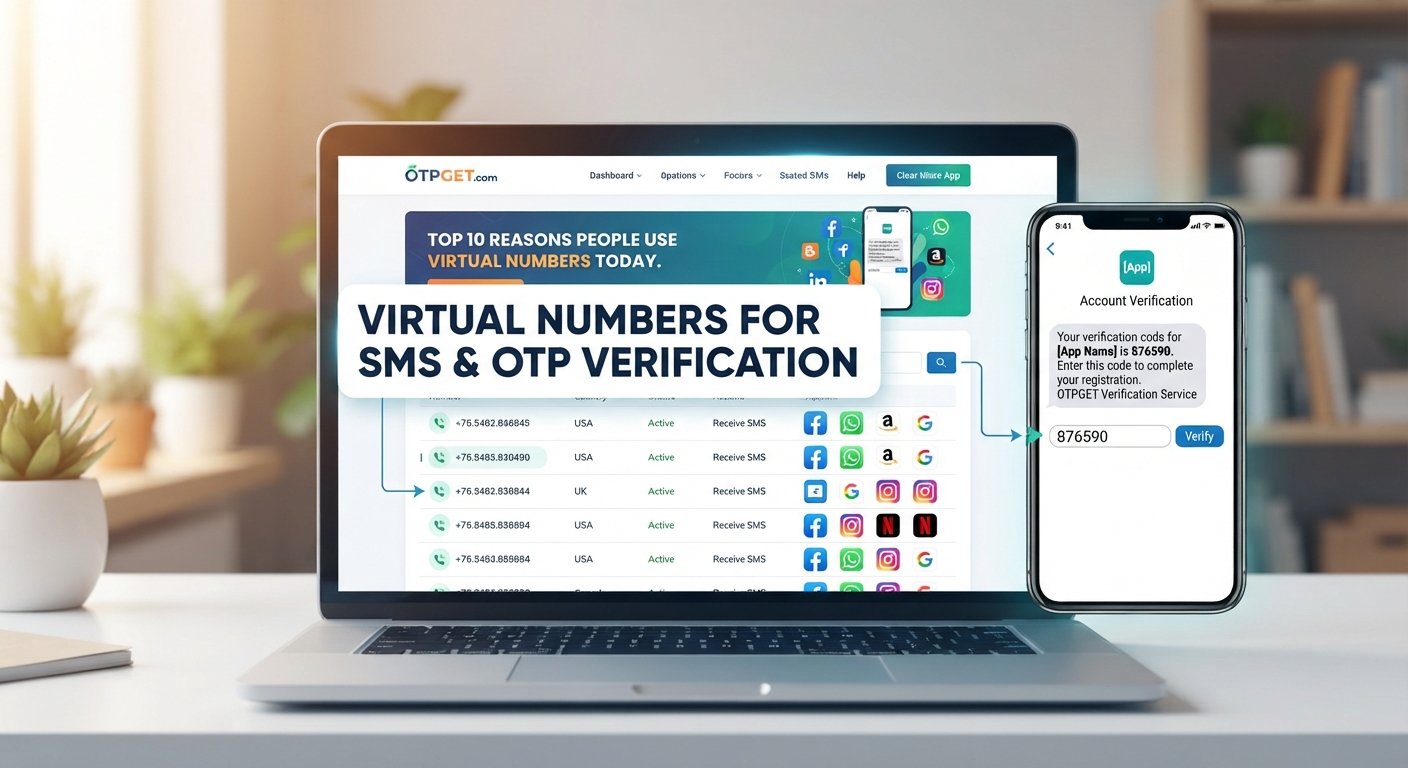
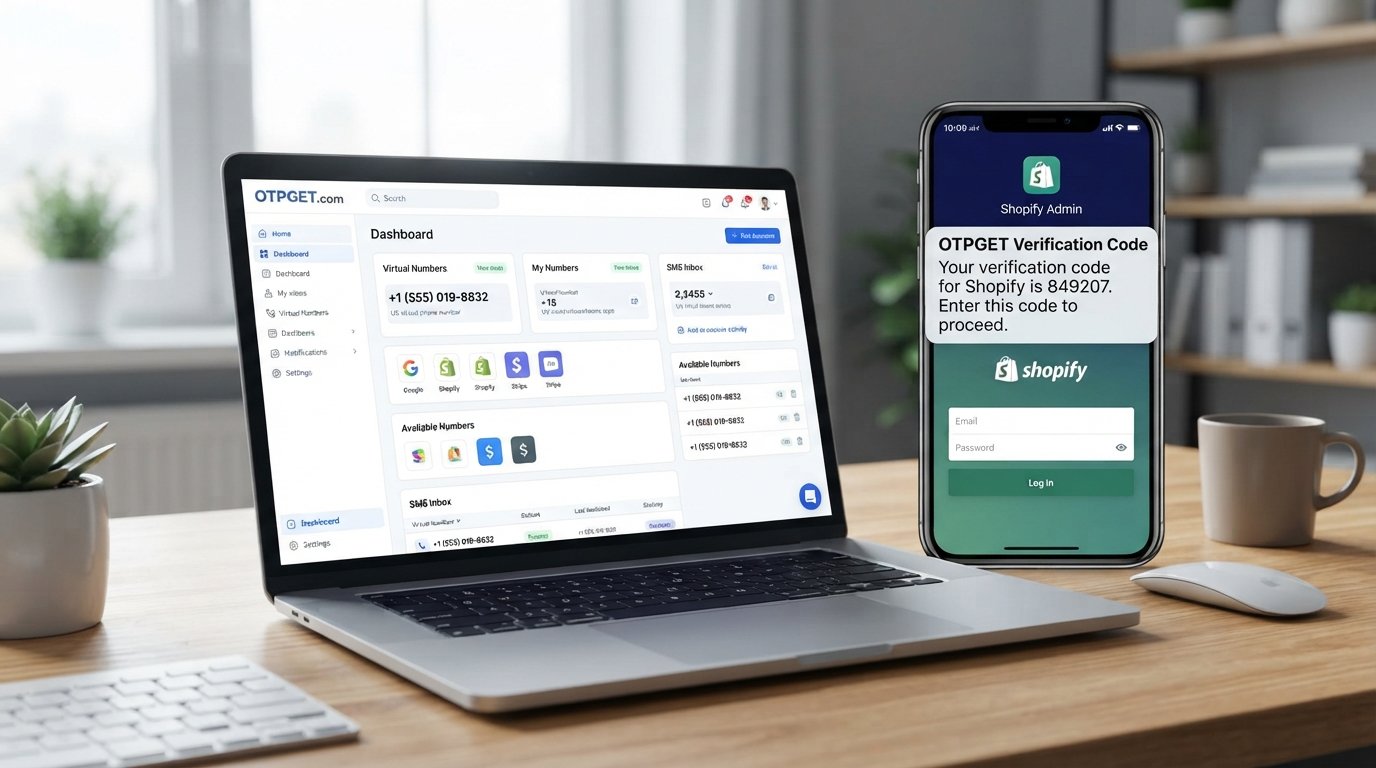
For businesses and individuals looking for virtual-number access and OTP-related functionality, OTPGET provides a practical option to explore.
The basic appeal is straightforward: when a business needs a virtual number rather than using a personal phone number, a service such as OTPGET can help support that workflow.
This can be relevant when you need to:
-
Access a virtual number for a supported purpose
-
Receive verification messages where the relevant service allows it
-
Keep business-related verification activity separate from your personal number
-
Support online workflows that require phone verification
-
Manage virtual-number needs without making your personal number the default contact point
For example, a freelancer setting up a new business service may prefer to keep account verification separate from personal communication. An online entrepreneur managing several digital services may also want a dedicated number for relevant verification activity.
The important qualification is compatibility. Depending on the number and service involved, a particular platform may accept or reject virtual numbers for OTP verification. Before using a number, check the requirements and terms of the service you are accessing.
For small businesses that want to explore virtual-number access without immediately committing to a more complicated business phone setup, OTPGET can be a useful solution to consider.
What to Consider Before Choosing a Virtual Number
Choosing a virtual number should be based on what your business actually needs.
Before getting one, consider these points:
-
Country support: Make sure the service provides access to the country or number type your workflow requires.
-
Platform compatibility: Check whether the website or application you intend to use accepts virtual numbers.
-
SMS availability: If receiving messages is important, confirm that the required type of SMS is supported.
-
OTP compatibility: Do not assume that every verification service accepts every virtual number.
-
Number availability: The number you need may not always be available.
-
Privacy: Review how the provider handles account and number-related information.
-
Reliability: Consider whether the service fits the importance of the communication or verification workflow.
-
Business requirements: Think about whether you need customer communication, verification, privacy, or a combination of these.
-
Platform terms: Always follow the rules of the service where you plan to use the number.
These checks can prevent a common mistake: choosing a number first and discovering later that it does not work for the specific business service you intended to use.
Is a Virtual Number Worth It for a Small Business?
A virtual number can be worthwhile when it solves a real business problem.
If your personal number is already being used for customers, online accounts, verification codes, and work messages, separating those activities can make your communication setup easier to manage.
It can also be useful for remote businesses, freelancers, startups, online sellers, and entrepreneurs who want a dedicated business number without making their personal phone number the center of every business interaction.
At the same time, businesses should consider compatibility, privacy, reliability, and platform requirements before choosing a service.
If virtual-number access and verification-related communication are part of your workflow, OTPGET is worth exploring as a practical option. Review the available number and the requirements of the service you need to use, then decide whether it fits your business process.
Final Thoughts
A small business does not necessarily need a virtual number. But when personal and professional communication start becoming difficult to separate, a dedicated number can offer a simple way to create clearer boundaries.
A virtual number for small business can support privacy, remote work, customer communication, online accounts, and selected OTP verification workflows. It can be especially useful for businesses that operate primarily online or have no fixed office.
The key is choosing a solution based on your actual requirements and checking whether the relevant platforms support virtual numbers.
For businesses looking for virtual-number access and OTP-related functionality, OTPGET offers a practical place to explore your options. If a separate business number fits your workflow, it can be a useful step toward more organized business communication.
Frequently Asked Questions
What is a virtual number for a small business?
A virtual number is an online phone number that can be used for supported business communication or phone-based services without relying on a traditional physical business line. It can help separate professional activity from a personal number.
Is a virtual phone number good for business?
It can be useful for businesses that want a separate professional contact number, greater privacy, remote communication flexibility, or support for certain online verification workflows. The right choice depends on the business's needs.
Can I use a virtual number for OTP verification?
Sometimes. Acceptance depends on the website, application, country, number type, and verification system involved. Always check whether the specific service permits virtual numbers before relying on one for OTP verification.
Why should a small business use a separate phone number?
A separate number can help keep customer communication, business messages, and account-related activity away from personal communication. It can also provide a more clearly defined professional contact channel.
Can virtual numbers protect my personal phone number?
They can help reduce the need to share your personal number for supported business activities. However, privacy depends on how you use the number and the policies of the service providing it.
Can remote businesses use virtual numbers?
Yes, virtual numbers can be useful for remote businesses because they can provide a business communication channel that is not necessarily tied to a traditional office phone setup. Specific capabilities depend on the provider and number.
How can OTPGET help with virtual numbers?
OTPGET can be explored by businesses and individuals who need virtual-number access and OTP-related functionality where supported. Before using a number, check the requirements of the target platform to confirm compatibility.