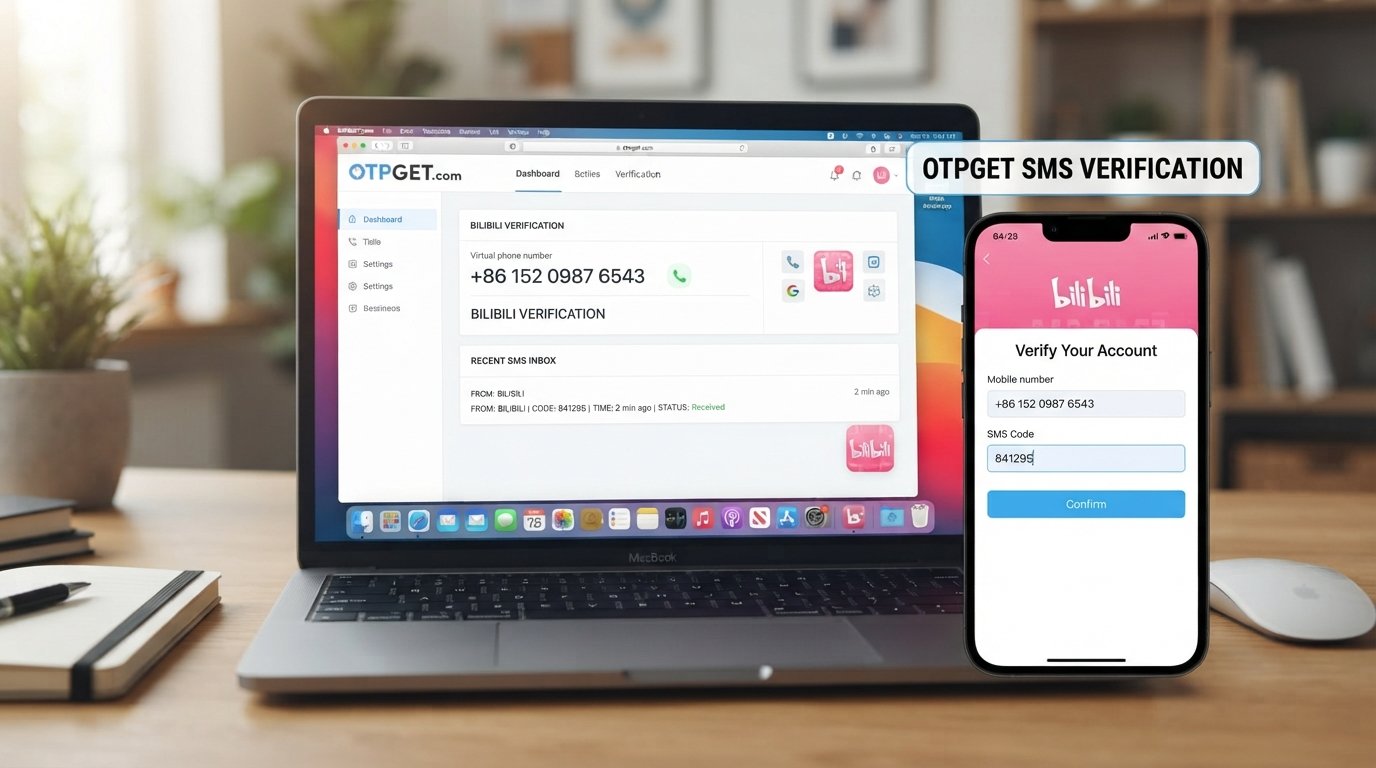
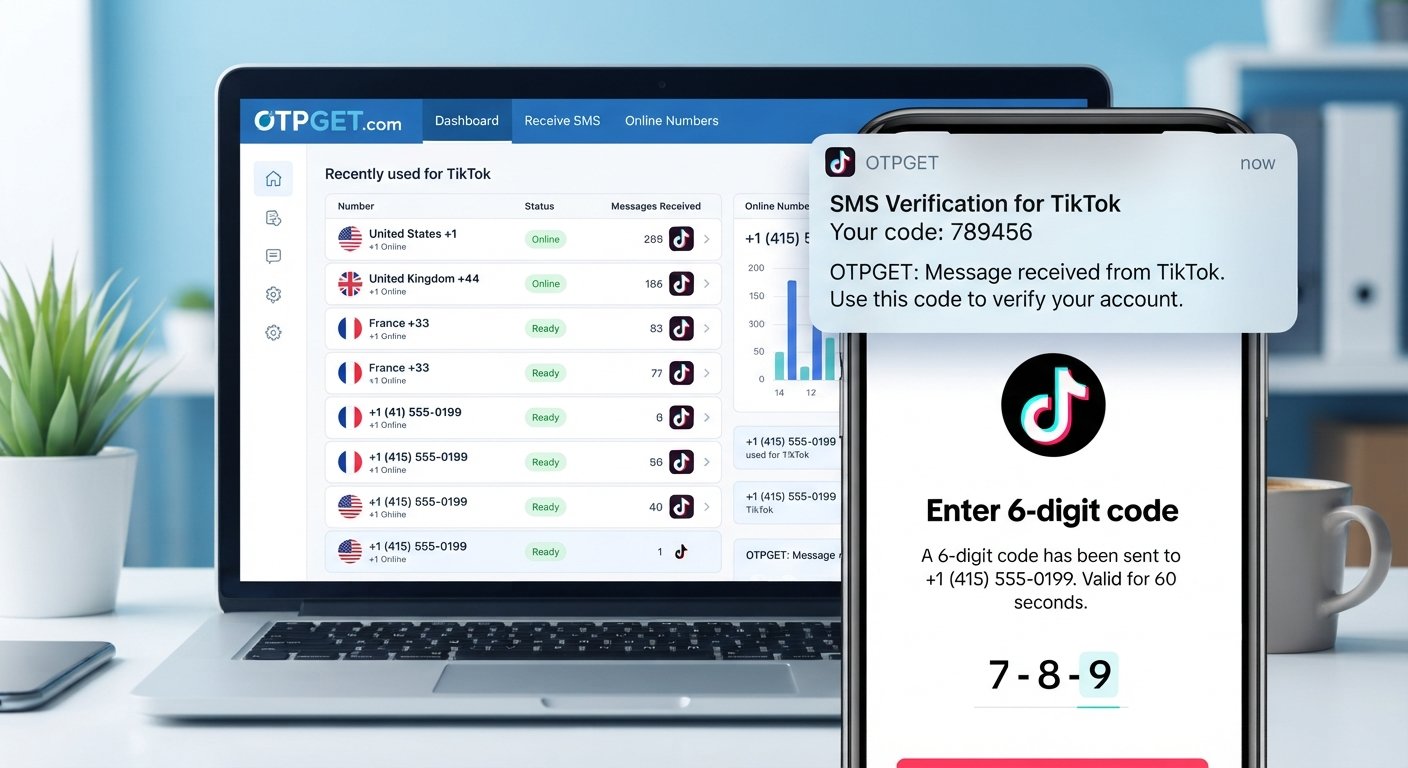
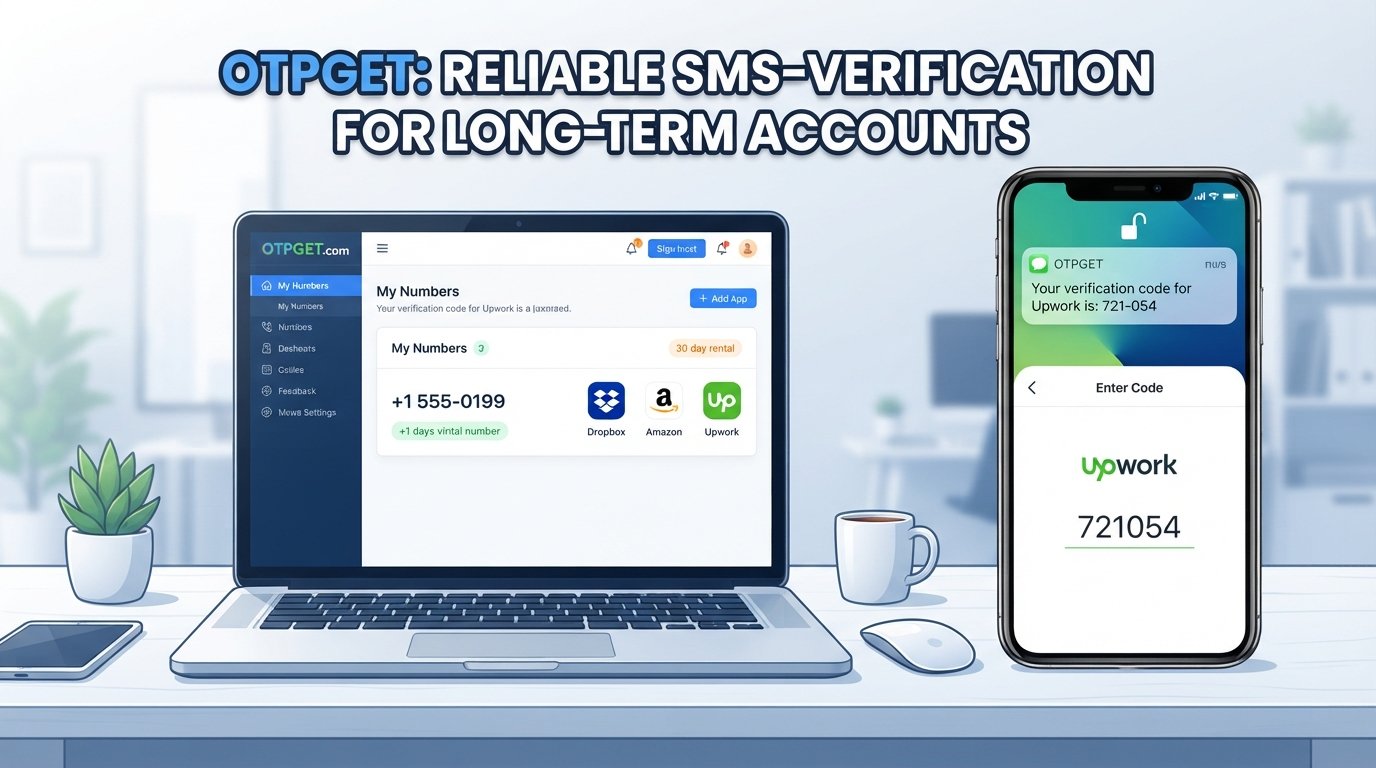
Virtual Numbers for Developers, Businesses and Online Users Guide
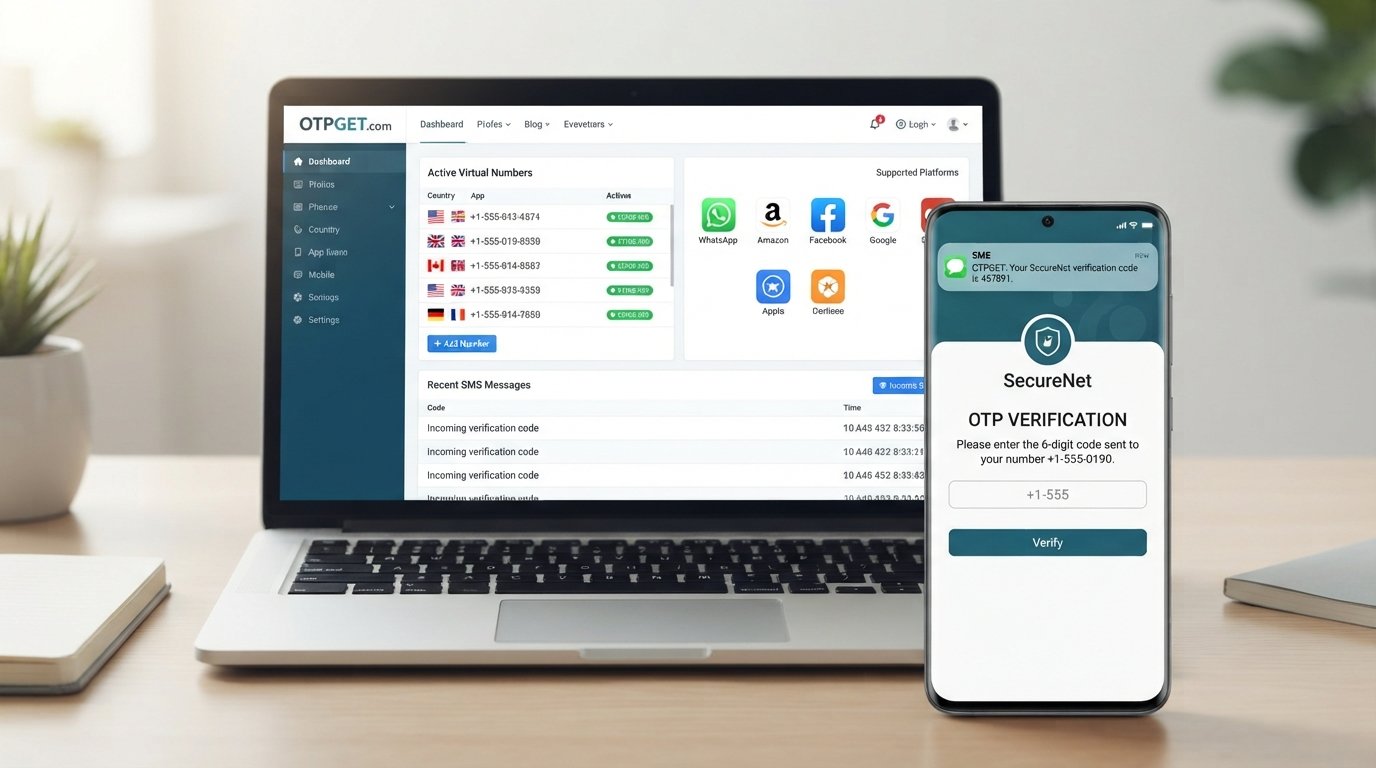
Virtual Numbers for Developers, Businesses and Online Users Guide
Phone numbers are now part of many digital workflows. Creating an account, testing an application, managing a business service, accessing an online platform, or completing a verification step may require SMS or an OTP sent to a phone number.
For many users, sharing a personal number for every online activity is not ideal. Developers may also need multiple numbers for testing registration and authentication flows, while businesses and remote teams may want to separate operational communications from personal contact details.
This is where virtual numbers can be useful. A virtual phone number can provide access to phone-number-based services without necessarily requiring another traditional mobile SIM.
For users who need convenient access to virtual numbers and supported SMS or OTP verification workflows, OTPGET can be a practical option to explore. The right solution depends on the service being used, its verification requirements, and the provider's available numbers.
What Are Virtual Numbers?
A virtual number is a phone number that operates through an online or digital service rather than being tied directly to a traditional physical SIM in the way a standard mobile number is.
Depending on the service, a virtual number may be used to receive calls, SMS messages, or verification codes. Some services focus specifically on SMS and online verification, while others provide broader business communication functionality.
A traditional mobile number is generally associated with a physical mobile connection. A virtual number, by contrast, can be managed through an online platform or communication system.
This makes virtual phone numbers useful for a range of scenarios, including:
- Online account registration
- SMS and OTP verification
- Application testing
- Website testing
- Business workflows
- Remote team operations
- Privacy-conscious online activities
- Software development and QA
- Digital services that require phone verification
The exact functionality varies between providers, so users should always check what a particular virtual number service supports.
How Do Virtual Numbers Work?
The basic concept is straightforward.
A user obtains a virtual phone number through a provider. When a supported service sends an SMS or verification code to that number, the message can be made available through the provider's platform.
For example, imagine a developer building an application with phone-based registration. Instead of repeatedly using a personal number during testing, the developer may use appropriate developer testing numbers to check how the application handles registration messages and OTP workflows.
The same principle can apply to legitimate online verification activities. A user may need a separate phone number for an online service and prefer not to expose their primary personal number.
However, compatibility matters. Some websites and applications may restrict certain types of numbers, including temporary or virtual numbers. A verification message also depends on the supported network, service, and number availability.
Why Developers Use Virtual Numbers
Developers frequently need to test workflows that ordinary users encounter. Phone verification is one of them.
A virtual number for developers can make certain testing tasks easier by providing separation between development activity and personal communications.
App and Website Testing
A developer testing a registration system may need to confirm that:
- A user can enter a phone number correctly.
- The application sends an SMS.
- The OTP is delivered.
- The verification code is processed correctly.
- Invalid or expired codes are handled properly.
Using dedicated app testing phone numbers can help keep these activities separate from a developer's personal number.
QA and Authentication Testing
Quality assurance teams may test different account and authentication scenarios. Virtual numbers can be useful where phone-based authentication forms part of the test environment.
They can also help teams organize testing resources instead of repeatedly using employees' personal phone numbers.
Development Environments
Developers working on SaaS products, marketplaces, communication tools, and other applications may encounter phone verification at several stages of development.
A suitable virtual number service can simplify certain SMS workflows and provide a practical way to test supported verification processes.
OTPGET can be relevant in these scenarios when developers need convenient access to numbers for legitimate testing or supported OTP-related workflows.
Why Businesses Use Virtual Numbers
Businesses have different reasons for using virtual numbers. A company may need numbers for customer-facing activities, digital operations, internal workflows, or online accounts.
Virtual numbers for businesses can be especially useful when teams want to separate business activity from employees' personal phone numbers.
Common applications include:
- Managing business-related online accounts
- Supporting remote teams
- Separating personal and professional communications
- Testing customer registration workflows
- Managing digital service accounts
- Supporting operational verification tasks
- Creating dedicated numbers for specific workflows
For startups, this separation can be particularly useful as teams experiment with different software tools and online services.
Remote teams can also benefit from clearly defined communication and verification resources rather than relying on one employee's personal number for every task.
Businesses should still consider access control, internal policies, privacy requirements, and the terms of the services they use.
Virtual Numbers for Online Users
Everyday internet users can have practical reasons to use online virtual numbers.
One common motivation is privacy. Someone signing up for an unfamiliar online service may not want to provide their primary personal number unless it is necessary.
A virtual number may provide an additional layer of separation between a user's main communications and certain online activities.
Potential uses include:
- Online phone verification
- Registering for supported digital services
- Receiving SMS online
- Separating online accounts from personal communications
- Temporary online activities
- Testing a service before adopting it more broadly
This does not mean a virtual number should be used to conceal prohibited activity or bypass a platform's rules. Users should always follow the terms of the website or application they are accessing.
For privacy-conscious users, the key benefit is often simple separation: the primary phone number does not have to be used for every online interaction.
Virtual Numbers for SMS and OTP Verification
OTP verification is a common authentication method. A service sends a one-time password to a phone number, and the user enters that code to confirm access or ownership.
Businesses and applications use OTPs for purposes such as:
- Account registration
- Login verification
- Password recovery
- Transaction confirmation
- User onboarding
- Phone-number verification
A virtual number for SMS can sometimes receive these messages where the provider and destination service are compatible.
That compatibility is important. Not every website accepts every type of virtual number, and some platforms may restrict numbers associated with temporary or online services.
This is why users should view virtual numbers as a tool for supported verification scenarios rather than a universal solution.
OTPGET can help simplify the process for users looking for virtual numbers and OTP receiving capabilities in supported situations. Developers can also consider it when testing appropriate SMS or verification workflows.
Before using any number for verification, check the destination platform's rules and make sure the intended activity is permitted.
Why Choose OTPGET for Virtual Number Needs?
When virtual numbers are needed for legitimate online activities, the experience should be straightforward and practical.
OTPGET is designed around the needs of users who require virtual numbers and OTP/SMS-related functionality. It can be relevant to developers, businesses, SaaS users, digital teams, and individuals who want a separate number for supported online verification activities.
Potential advantages include:
- Convenient access: Users can explore virtual number options without relying solely on their primary mobile number.
- Simplified OTP workflows: Supported SMS and OTP messages can make verification-related tasks easier to manage.
- Developer-friendly use cases: Virtual numbers can be useful when testing registration, authentication, and SMS workflows.
- Business applications: Teams can separate certain online and operational activities from employees' personal numbers.
- Online-user flexibility: Individuals can use a separate number for appropriate online services and verification tasks.
- Practical separation: A virtual number can help keep verification activity separate from everyday personal communications.
The most important consideration is whether the available number works with the specific service you need. No virtual number provider can reasonably guarantee compatibility with every website or application.
Key Factors to Consider When Choosing a Virtual Number Service
Choosing a virtual phone number service should involve more than simply finding a number.
Consider these factors before making a decision:
Number Availability
Check whether the provider offers numbers suitable for your intended use case and destination service.
SMS Delivery
If you need to receive OTPs or verification messages, confirm that SMS reception is supported.
Verification Compatibility
Some platforms may not accept virtual or temporary numbers. Review the destination service's requirements before relying on a number for an important account.
Ease of Use
A clear interface can make receiving messages and managing verification workflows much simpler.
Reliability
Consider how consistently the service handles the type of messages you need and whether its workflow fits your requirements.
Privacy
Think about whether using a separate number helps reduce exposure of your primary phone number. Avoid sharing sensitive information unnecessarily.
Geographic Availability
If your use case requires a number associated with a particular location, check what options the provider makes available.
Pricing Transparency
Understand the costs associated with obtaining or using numbers before starting an important workflow.
Terms of Service
Always confirm that your intended use complies with both the virtual number provider's terms and the rules of the website or application being accessed.
Common Use Cases for Virtual Numbers
| User Type | Common Use |
|---|---|
| Developers | App, website, SMS, and authentication testing |
| Businesses | Business communication and digital workflows |
| Startups | Testing services and separating operational accounts |
| SaaS teams | Registration and verification workflow testing |
| Remote teams | Separating business activity from personal numbers |
| QA testers | Testing SMS and phone-based authentication |
| Digital marketers | Managing appropriate online service workflows |
| Online users | Registration, verification, and privacy-conscious activities |
| Privacy-conscious users | Keeping a primary number separate from selected online services |
The right use case depends on the service, the user's requirements, and the rules governing the destination platform.
Frequently Asked Questions
What is a virtual phone number?
A virtual phone number is a phone number provided through a digital service rather than being directly tied to a traditional physical SIM. Depending on the provider, it may support SMS, calls, or verification-related functions.
Can developers use virtual numbers for testing?
Yes. Developers and QA teams can use suitable numbers for testing registration, authentication, SMS delivery, and other phone-based workflows where the testing setup and destination service permit virtual numbers.
Can businesses use virtual numbers?
Yes. Businesses can use virtual numbers for selected communication, operational, testing, and online account workflows. They can also help separate business activity from employees' personal numbers.
Can virtual numbers receive OTP messages?
Some virtual numbers can receive OTP messages when the number and provider are supported by the destination service. Compatibility varies, so users should check the requirements of the specific platform.
What is OTPGET?
OTPGET is a service focused on virtual numbers and OTP/SMS-related verification needs. It can be useful for online users, developers, businesses, and other users who need supported virtual number functionality.
Are virtual numbers useful for online verification?
They can be useful for supported online verification scenarios, particularly when a user wants to separate verification activity from a primary personal number. However, some platforms restrict virtual or temporary numbers.
What should I check before choosing a virtual number service?
Look at number availability, SMS support, verification compatibility, reliability, privacy considerations, ease of use, geographic availability, pricing, and the terms of both the provider and destination service.
Conclusion
Virtual numbers can serve a wide range of legitimate digital needs. Developers can use them for app testing and authentication workflows. Businesses and startups can use them to separate operational activity from personal communications. Remote teams and SaaS users may also benefit from dedicated numbers for appropriate online workflows.
For individual users, virtual phone numbers can provide a practical way to handle supported SMS and verification tasks without always exposing a primary personal number.
The key is choosing a service that fits the specific use case and understanding that compatibility varies between online platforms.
For users looking for a practical option for virtual numbers, SMS, and OTP-related workflows, OTPGET is worth exploring. Review the available options and the requirements of your intended service to determine whether OTPGET fits your verification, testing, privacy, or business needs.