How Virtual Phone Numbers Protect Your Personal Number Online
How Virtual Numbers Help Protect Your Personal Phone Number
Your phone number has become more than a way for people to call you. Websites, apps, marketplaces, communities, and online services often request a phone number during registration or verification. While this can help confirm that an account belongs to a real user, sharing your personal number repeatedly can create unnecessary privacy concerns.
A virtual phone number offers another option. Instead of giving every online service your primary personal number, you can use a separate number for supported verification and communication needs. This creates a useful buffer between your personal communications and your online activity.
For people who regularly encounter SMS verification or simply want greater control over where their personal number is shared, virtual numbers can be a practical privacy tool.
What Is a Virtual Phone Number?
A virtual phone number is a number that is not necessarily tied to a traditional physical SIM card in the same way as a standard mobile number. Depending on the service, it can be managed through an online platform and may support functions such as receiving SMS messages or calls.
The important distinction is how the number is used. A traditional personal number is usually connected closely to your everyday communications, contacts, and accounts. A virtual number can provide a separate channel for specific online activities.
For example, someone signing up for a service that requires SMS verification may prefer to use a virtual number where the service and verification method support it. Their primary personal number does not need to be shared unnecessarily.
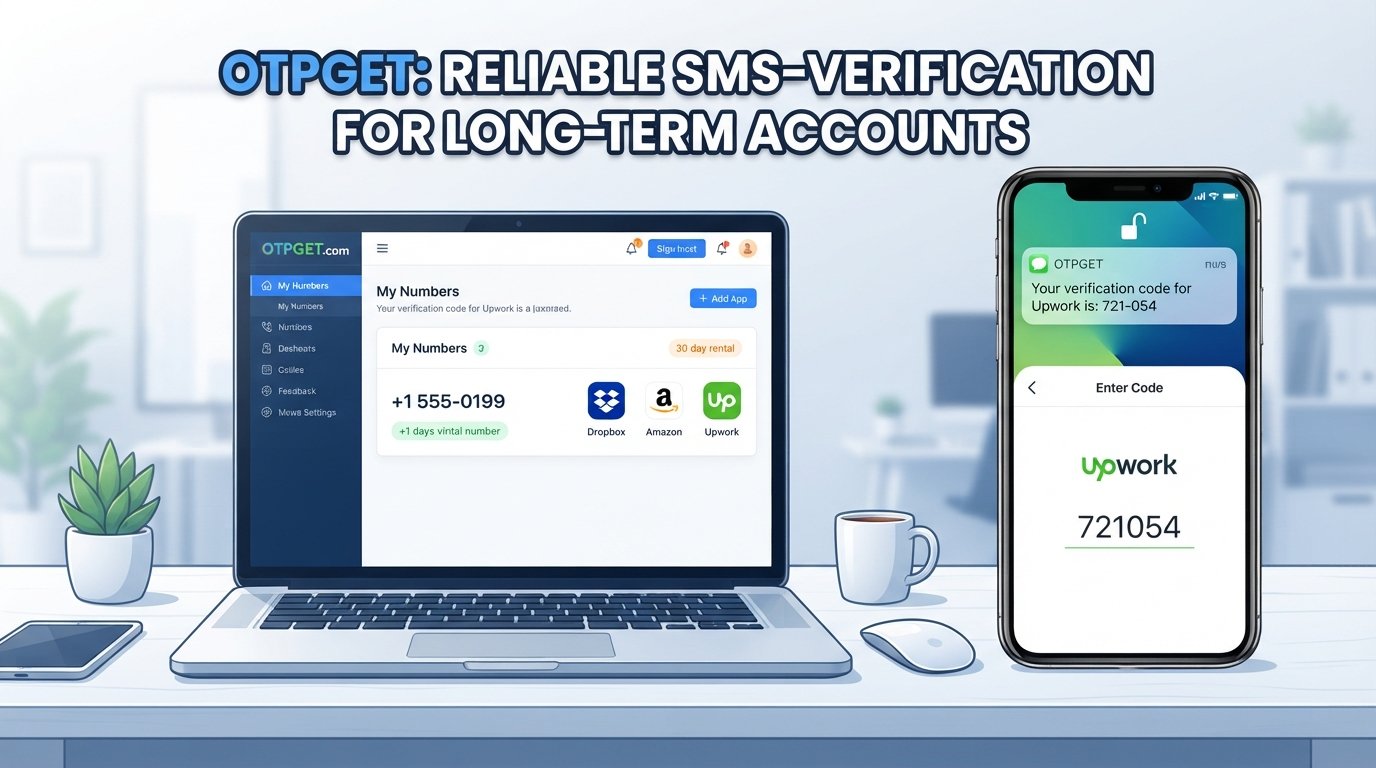
Virtual numbers can take different forms. Some may be intended for longer-term secondary use, while others may be temporary or disposable. The right choice depends on how long the number needs to remain accessible and what the relevant service permits.
Why Should You Protect Your Personal Phone Number?
Phone number privacy is easy to overlook until unwanted communication starts appearing. Sharing a personal number with every website or service can make it harder to control who has access to it and how it is used.
Some practical reasons to limit unnecessary exposure include:
- Reducing spam: A number shared across many services may receive unwanted promotional messages or calls.
- Limiting unnecessary communication: Not every online service needs access to the number you use for personal contacts.
- Reducing data exposure: Giving your personal number to unfamiliar websites creates another place where that information is stored or processed.
- Separating activities: Keeping personal and online registrations separate can make communication easier to manage.
- Controlling verification requests: A secondary number can be useful when you regularly encounter SMS-based account verification.
- Protecting personal contact details: Keeping your main number private can reduce the number of situations where it needs to be disclosed.
This does not mean every website that requests a phone number is unsafe. Phone verification can serve legitimate purposes, including confirming access to a number and helping services reduce automated or abusive registrations.
The goal is simply to have more control over when your primary number is shared.
How Virtual Numbers Help Protect Your Privacy
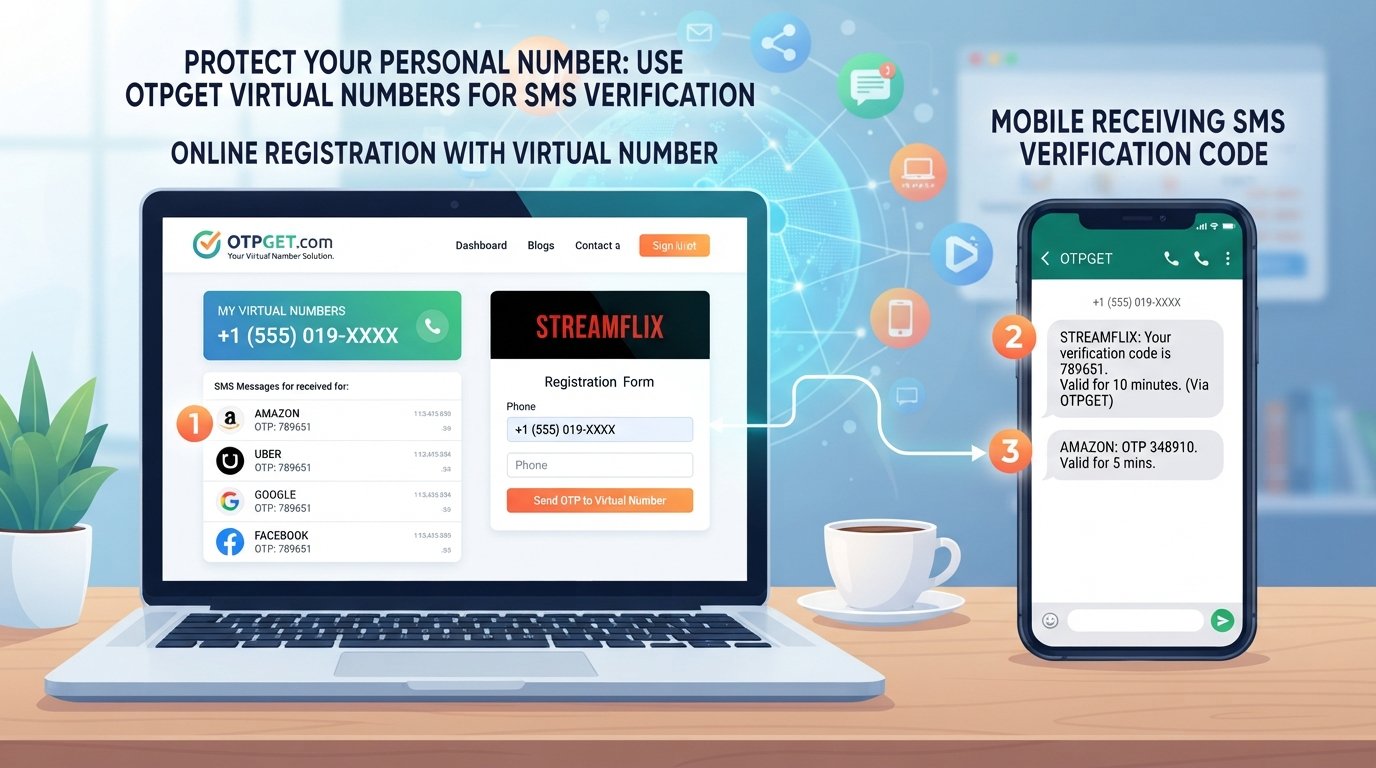
A virtual phone number can act as a privacy buffer between your personal phone number and supported online services.
Instead of automatically entering your personal number whenever a verification form appears, you can consider whether a secondary virtual number is appropriate for that particular use.
Reduce Exposure of Your Primary Number
The most straightforward benefit is reducing how often your main number appears in online registration records.
If a service only needs a number for a supported SMS verification process, using a separate number can prevent your personal number from being unnecessarily shared with that service.
Separate Personal and Online Activity
A secondary number can also create a clearer boundary between personal communications and online activities.
For example, someone who frequently signs up for digital services may prefer to keep those verification messages separate from messages intended for family, friends, or important personal accounts.
Receive SMS Verification Codes
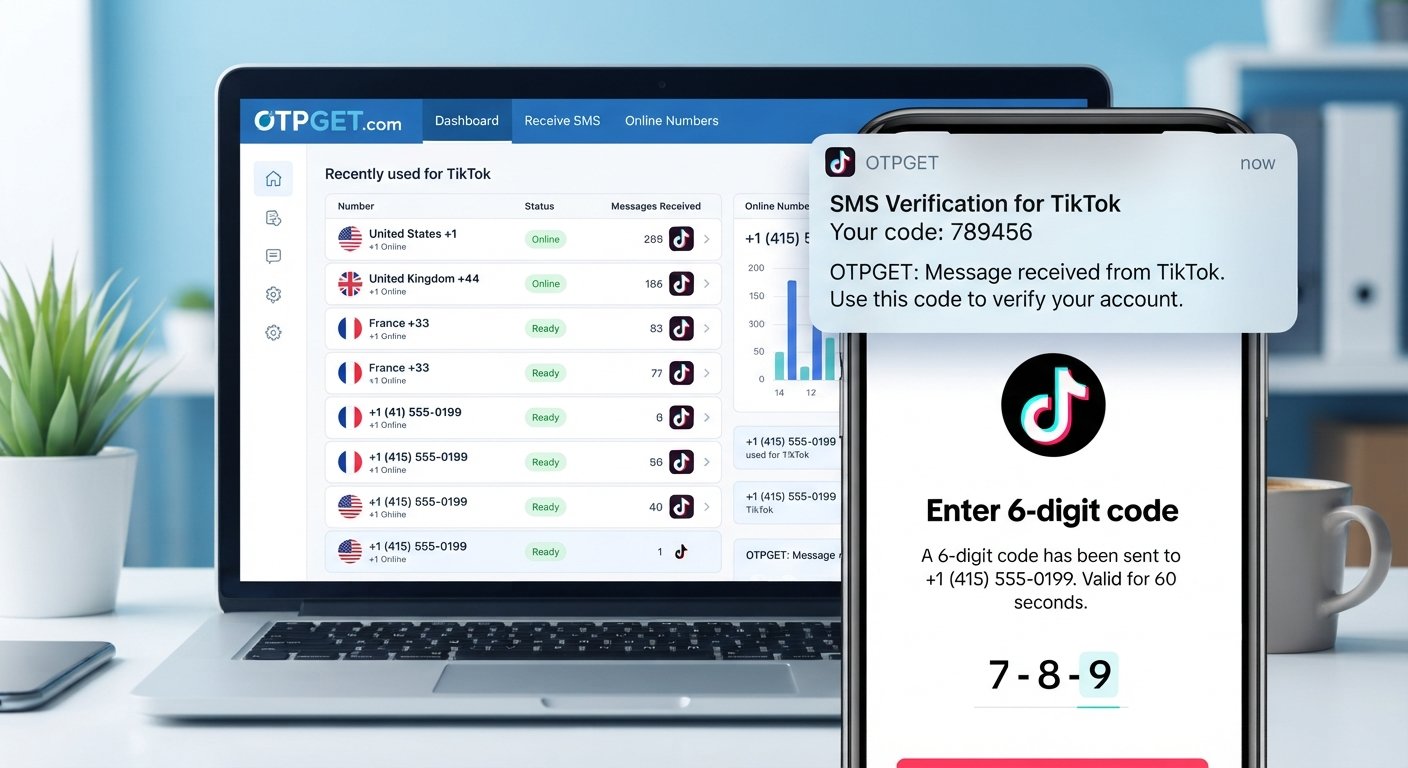
Many services use one-time passwords, commonly called OTPs, to verify a phone number. Where virtual numbers are accepted, a suitable number may allow users to receive these verification messages without exposing their primary personal number.
This can be especially useful for people who regularly encounter SMS-based verification during legitimate online registrations.
Reduce Unwanted Communication to a Personal Number
When a separate number is used for appropriate online activities, the user's primary number remains reserved for communications that matter most.
It does not eliminate spam or guarantee that unwanted messages will never occur, but it can help reduce the number of services that have direct access to a personal contact number.
Virtual Numbers for OTP and SMS Verification
OTP verification is a common way for online services to confirm that a person has access to a particular phone number.
Typically, the process works like this:
- A user enters a phone number during a supported registration or verification process.
- The service sends a one-time verification code by SMS.
- The user receives the message.
- The code is entered into the relevant verification field.
- The service confirms the verification attempt if the code is valid.
For privacy-conscious users, the important question is whether the number needs to be their primary personal number.
If a service accepts virtual numbers, a secondary number may be a practical alternative. It allows the user to complete a legitimate verification process while limiting exposure of their personal contact information.
However, virtual numbers are not universally accepted. Some websites and apps may restrict or reject certain types of numbers, so users should always follow the platform's requirements.
How OTPGET Can Help
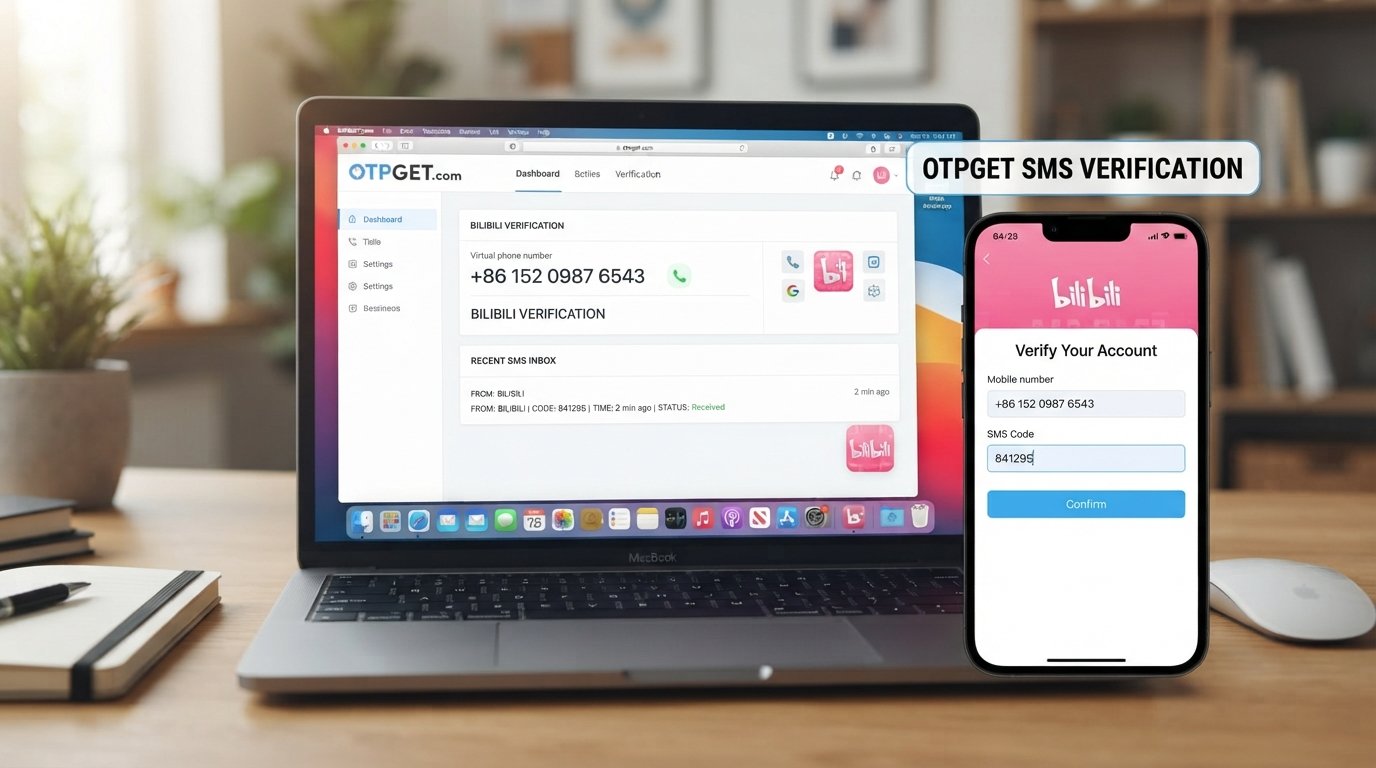
OTPGET provides a practical option for users looking for virtual numbers for supported SMS and OTP verification needs.
Instead of automatically exposing a personal phone number during every supported online verification process, users can consider using a virtual number as a separate verification channel.
OTPGET can be useful for people who want to:
- Access a virtual number for supported SMS or OTP verification.
- Keep their personal number separate from certain online registrations.
- Receive verification codes through a dedicated secondary number where supported.
- Reduce unnecessary exposure of their primary phone number.
- Take a simple, practical approach to managing phone-number privacy.
The key benefit is the separation it can provide. Your personal number can remain focused on personal communications while a virtual number is used for appropriate online verification purposes.
As with any verification service, availability and acceptance can vary between platforms. A virtual number should therefore be used only where the relevant website or service permits it and for legitimate purposes.
OTPGET is best viewed as a practical privacy option rather than a guarantee of anonymity or universal verification compatibility.
Who Can Benefit From a Virtual Phone Number?
Virtual numbers can be useful for a variety of people who want to limit unnecessary exposure of their personal number.
People Signing Up for Online Services
If you frequently encounter registration forms that request SMS verification, a virtual number can provide a separate option where supported.
Freelancers and Remote Workers
Freelancers may interact with numerous platforms, clients, tools, and digital services. A secondary number can help keep certain online activities separate from personal communications.
Online Shoppers
Some shopping platforms may request phone verification. Depending on the platform's policies, a virtual number can be considered when a personal number is not necessary for ongoing communication.
People Testing Digital Services
Developers, testers, and users evaluating online services may encounter phone verification during legitimate testing or registration. A suitable secondary number can help avoid repeatedly sharing a personal number where permitted.
Users Who Frequently Encounter SMS Verification
For people who regularly use services that rely on SMS verification, a virtual number may provide a convenient way to separate verification activity from their primary communications.
The important consideration in every case is legitimate use. A virtual number should not be used to bypass security controls, impersonate another person, create fraudulent accounts, or evade a platform's rules.
Virtual Number vs. Personal Phone Number
The two types of numbers can serve different purposes. Neither should automatically be considered a replacement for the other.
| Feature | Personal Number | Virtual Number |
|---|---|---|
| Privacy for online registrations | May require sharing your primary contact number | Can provide a separate number where supported |
| Separation from personal communications | Closely connected to personal activity | Can help separate selected online activity |
| SMS verification use | Commonly supported | May support verification depending on the service |
| Exposure of primary number | Primary number is directly shared | Can reduce exposure of the primary number |
| Convenience for secondary use | Usually intended for regular personal use | Can be useful for selected secondary purposes |
The best choice depends on the purpose. Personal numbers remain important for long-term communication, trusted contacts, and accounts where reliable recovery access matters.
Tips for Using Virtual Numbers Responsibly
A virtual phone number can improve privacy, but responsible use still matters.
Choose reputable services. Before using a virtual-number provider, understand what service you are receiving and how the number is intended to be used.
Check platform requirements. Some websites and apps may not accept virtual, temporary, or certain categories of phone numbers.
Never share OTP codes. A verification code is intended for the person completing the relevant verification process. Do not give it to strangers or unrelated parties.
Use virtual numbers for legitimate purposes. They should not be used for fraud, unauthorized access, impersonation, spam, or attempts to circumvent security systems.
Think about account recovery. If an account is important and requires long-term access, consider whether a temporary number is appropriate. Losing access to a number can create problems if it is later needed for recovery.
Keep important accounts separate. For critical personal, financial, or long-term accounts, follow the provider's recommended recovery and security options rather than relying on a temporary verification number.
Used thoughtfully, virtual numbers can be one part of a broader online privacy strategy.
Frequently Asked Questions
What is a virtual phone number?
A virtual phone number is a phone number provided through an online service rather than being used solely as a traditional mobile number tied to a physical SIM. Depending on the provider, it may support SMS, calls, or specific verification functions.
Can a virtual number receive OTP codes?
Some virtual numbers can receive SMS messages containing OTP codes. Whether a particular code can be received depends on the virtual-number provider and whether the website or app accepts that type of number.
Can a virtual number protect my personal phone number?
Yes, a virtual number can help reduce exposure of your personal number by providing a separate number for supported online activities and verification processes.
Is a virtual phone number the same as a temporary number?
Not necessarily. A virtual number describes how a number is provided or managed, while a temporary number generally refers to a number intended for limited or short-term use. Some virtual numbers may be suitable for longer-term secondary use.
Why use a virtual number for SMS verification?
A virtual number can help keep your primary phone number private when a supported service requires SMS verification. It can also help separate online verification messages from personal communications.
Does every website accept virtual phone numbers?
No. Acceptance varies by website, app, and verification system. Users should check the relevant service's requirements and should not assume that every virtual number will work everywhere.
How can OTPGET help with online verification?
OTPGET can provide access to virtual numbers for supported SMS and OTP verification use cases. It can be a practical option for users who want to keep their personal number separate from certain online verification activities.
Conclusion
Your personal phone number is useful information, and there is little reason to share it automatically with every online service that requests one. While phone verification can serve legitimate security and account-verification purposes, users can still think carefully about which number they provide.
A virtual phone number can create an additional layer of privacy by separating selected online registrations and SMS verification activities from a primary personal number. It can help reduce unnecessary exposure, organize online activity, and give users greater control over how their contact information is shared.
For users looking for a convenient option for supported SMS and OTP verification, OTPGET can be a practical solution. By using a virtual number where appropriate and permitted, you can keep your personal number focused on the people and services that genuinely need it.