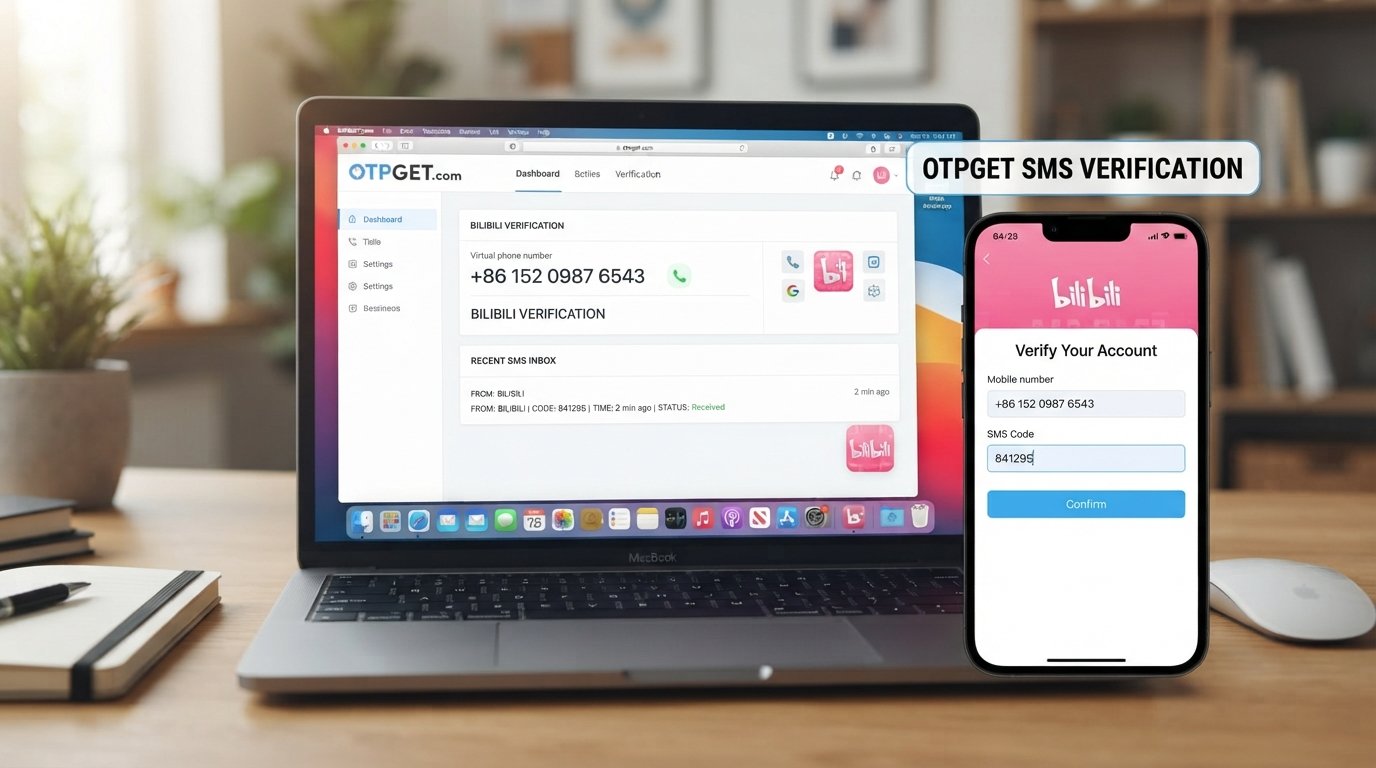
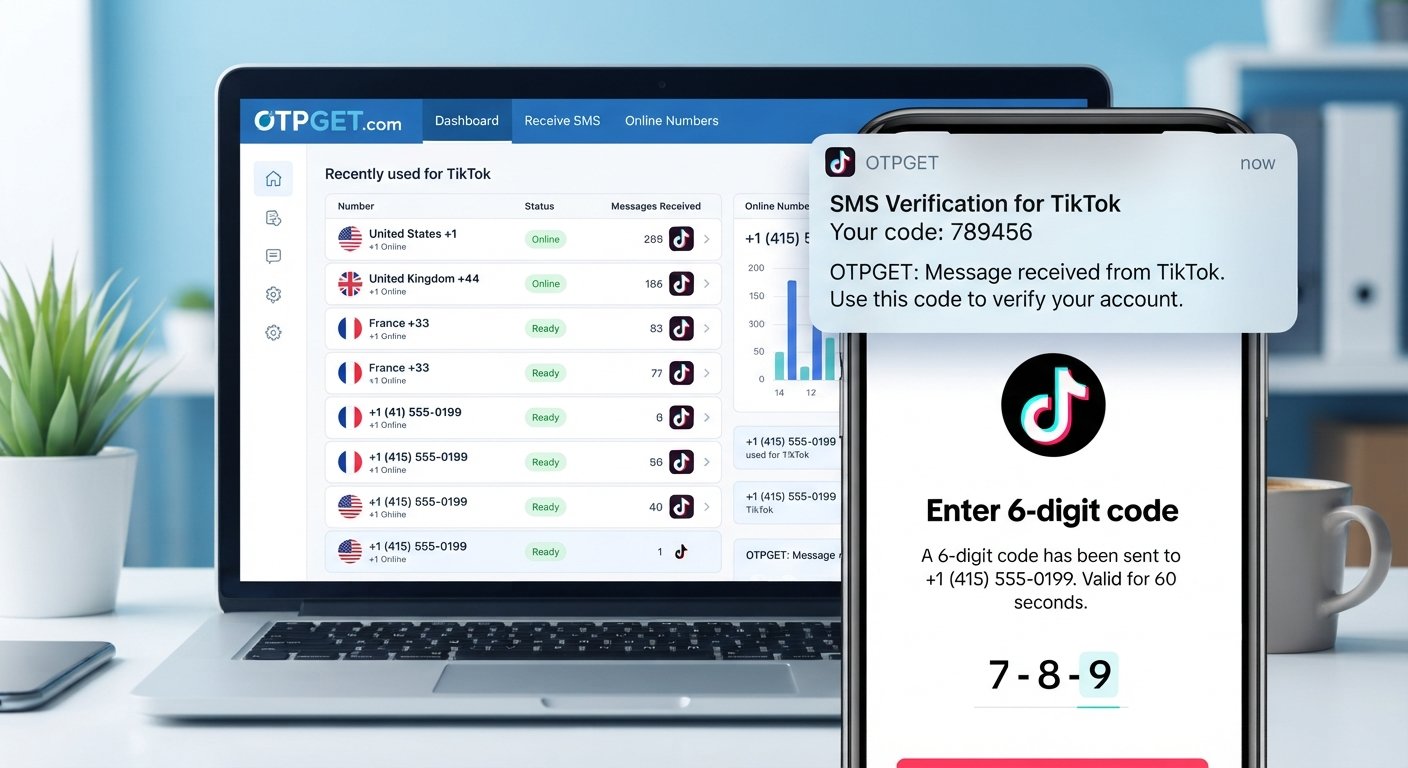
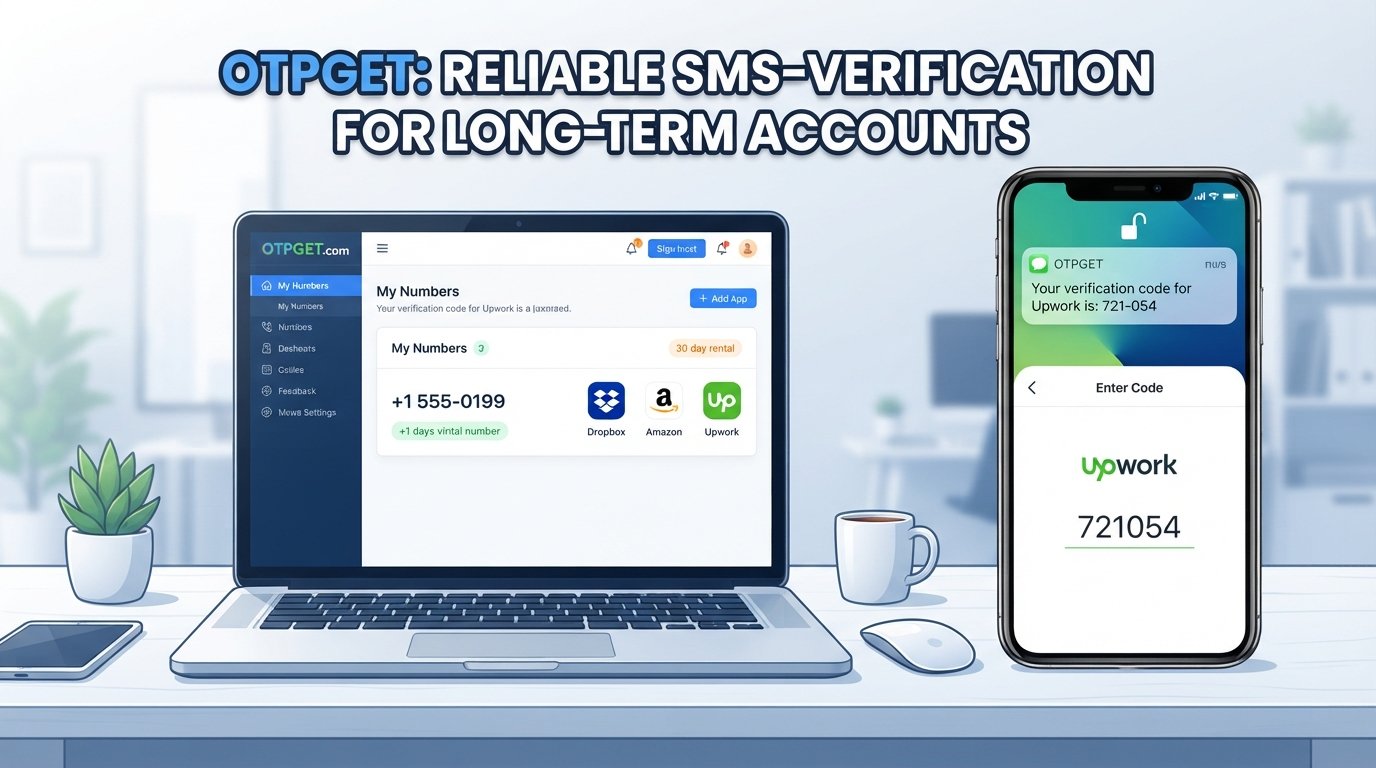
How Virtual Numbers Work for SMS OTP Verification
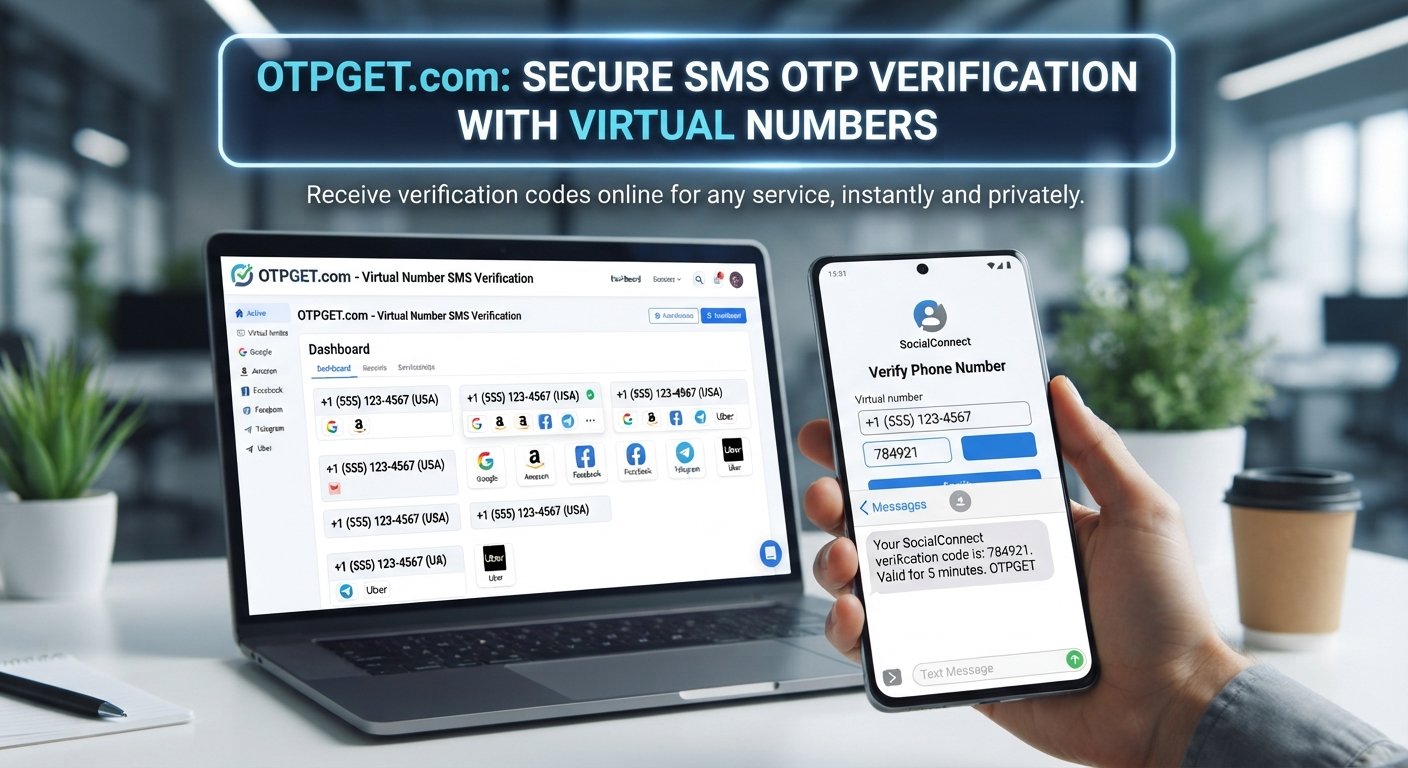
How Virtual Numbers Work for SMS OTP Verification
Phone-number verification is now a familiar step when creating an account, signing into a service, confirming an action, or adding an extra layer of account protection. A website sends a short code by SMS, and the user enters that code to prove they can access the associated phone number.
But what happens when you do not want to use your personal mobile number? This is where virtual numbers can be useful.
Virtual numbers for SMS OTP verification allow supported services to send verification messages to a phone number that can be managed online rather than through a traditional physical SIM. Understanding how this process works can help you decide when a virtual number makes sense, what limitations to expect, and how to choose an appropriate service.
What Is a Virtual Number?
A virtual number is a phone number that can be managed through an online or cloud-based service rather than being tied directly to a physical SIM card in your phone.
Depending on the provider and number type, a virtual number may be able to receive incoming SMS messages. Those messages can then be made available through an online dashboard, application, or technical interface.
For SMS verification, the basic idea is straightforward: instead of entering your personal mobile number, you use an eligible virtual phone number for SMS verification. If the website or app accepts that number type, its verification message can be routed to the virtual-number service.
Virtual numbers can be useful for:
-
Separating personal and online communications
-
Business and development workflows
-
Application and QA testing
-
Managing services that support virtual numbers
-
Receiving verification messages without relying on an additional physical SIM
A virtual number is not automatically anonymous or universally accepted. Its capabilities depend on the provider, number type, underlying telecommunications infrastructure, and the policies of the service requesting verification.
How SMS OTP Verification Works
An OTP, or one-time password, is a temporary verification code generated for a specific authentication or confirmation event. SMS OTP verification uses text messaging to deliver that code to an eligible phone number.
The process generally works like this:
-
A user enters a phone number. The number is submitted on a website or app during registration, login, or another verification process.
-
The service generates an OTP. The website or application creates a temporary verification code.
-
The SMS is sent. The code travels through the relevant telecommunications and SMS infrastructure toward the submitted number.
-
The number receives the message. With a supported virtual number, the incoming SMS can be made available through the provider's system.
-
The user views the code. The verification message appears through the relevant online service or interface.
-
The code is entered. The user submits the OTP on the original website or application.
-
The service validates it. If the code is correct and still valid, the verification process is completed.
The important point is that the virtual-number provider does not replace the website's authentication system. It provides the number through which the SMS can be received.
How Virtual Numbers Receive OTP Codes
A virtual number for SMS relies on telecommunications and SMS-routing infrastructure to receive incoming messages.
When a supported website sends a verification SMS, the message is routed toward the assigned phone number. Instead of arriving on a conventional mobile phone, the message can be handled by the virtual-number provider and presented through an online interface or API, depending on the service.
For the user, the workflow can feel similar to ordinary SMS verification:
Choose a number → enter it on the service → request the OTP → receive the SMS → enter the code.
The key word is supported. Some websites and applications accept virtual numbers, while others may restrict particular number types or reject numbers associated with certain providers. A successful SMS delivery therefore does not necessarily mean that every platform will accept every virtual number.
Why Use a Virtual Number for SMS Verification?
There are several legitimate reasons someone may choose a virtual number for verification.
Separating personal and online accounts
Some users prefer not to give their primary mobile number to every website or online service. Where permitted, a separate number can help keep personal communications separate from online account activity.
Business workflows
Businesses may need numbers for testing, service management, account administration, or other operational processes. A dedicated number can make it easier to separate business verification activity from employees' personal numbers.
Development and QA testing
Developers and QA teams may need to test phone-number registration and authentication flows. Virtual numbers can be useful when the testing environment requires actual SMS delivery.
Managing multiple services
Organizations that work with several online platforms may prefer dedicated numbers rather than attaching every verification workflow to a personal device.
Temporary verification needs
A temporary virtual number may be appropriate when a service supports it and the requirement is short-term. For ongoing workflows, a rental or longer-term number may be more appropriate.
These uses should always remain within the terms of the service being verified. A virtual number should not be used to impersonate another person, access accounts that do not belong to you, send spam, or bypass security controls.
Benefits of Using Virtual Numbers for OTP Verification
When a service supports them, virtual numbers can provide several practical advantages:
-
Convenience: SMS can be managed through an online service instead of requiring another physical SIM.
-
Separation: A dedicated number can keep verification activity separate from a personal number.
-
Flexibility: Different number types may suit short-term, business, development, or ongoing requirements.
-
Accessibility: Users can manage supported SMS verification through an online interface.
-
Testing support: Developers can use appropriate numbers when testing SMS-based authentication workflows.
-
Centralized management: Businesses can organize verification-related activity around dedicated numbers rather than personal mobile devices.
The exact benefits depend on the provider and the type of number being used.
Virtual Number vs. Regular Phone Number
Neither type is universally better. The appropriate choice depends on what you need the number for and what the target service accepts.
| Feature | Regular Phone Number | Virtual Number |
|---|---|---|
| Physical SIM required | Usually yes | Not necessarily |
| SMS access | Through mobile network/device | Through supported online infrastructure |
| Internet-based management | Usually limited for standard SMS | Commonly available |
| Personal-number separation | Limited if using your main number | Can provide a separate number |
| Business/testing use | Possible, but may require additional SIMs | Often useful for supported workflows |
| Availability | Depends on mobile carrier | Depends on provider and available inventory |
A traditional mobile number can be preferable for long-term personal accounts and services that specifically require carrier-based numbers. A virtual number can be practical when online management, separation, or testing is more important.
What to Look for in an SMS Verification Service
Choosing an SMS verification service involves more than finding a number that can receive messages. Consider the following:
-
Number availability: Check whether the provider has numbers suitable for your required country or service.
-
Supported services: Confirm that the website or application you need to verify permits the relevant number type.
-
SMS delivery: Look at how incoming messages are handled and displayed.
-
Number model: Understand whether numbers are temporary, rented, dedicated, or otherwise assigned.
-
Privacy: Review how the provider handles account information and received messages.
-
Security: Protect your provider account and any verification codes displayed through it.
-
Support: Consider whether assistance is available if a number or verification attempt does not work.
-
Pricing transparency: Make sure you understand how number use, rentals, or SMS-related charges are handled.
-
Acceptable use: Read the provider's terms and the rules of the service you are verifying.
These checks are especially important if a number will be used for an important business or development workflow.
OTPGET for SMS OTP Verification
When verification requires an SMS code, having access to an appropriate number can make the process easier. This is where a dedicated virtual number service such as OTPGET can fit into the workflow.
OTPGET's published documentation describes virtual numbers for SMS OTP use, along with an API for programmatic number requests and SMS-status checks. Its documented flow allows a user or application to select relevant country and service information, request a number, and check whether an incoming SMS has been received.
For a typical supported verification workflow, the process is:
-
Choose an appropriate virtual number and supported service.
-
Enter that number on the website or application where verification is permitted.
-
Request the SMS verification code.
-
Monitor the OTPGET interface or supported API workflow for the incoming message.
-
Retrieve the verification code.
-
Enter the code on the original service.
OTPGET also documents both short-term SMS OTP numbers and rental-number options, which can address different use cases. The right option depends on whether the verification need is one-time or requires continued access to a number.
Availability and acceptance can vary by country, service, number type, and the policies of the platform requesting verification. OTPGET itself notes service and country selection as part of its number-request workflow, so users should check the currently available options before relying on a particular number.
If you need a practical way to manage supported SMS verification through a virtual number, explore OTPGET and see whether its available options fit your requirements.
Is Using a Virtual Number for OTP Verification Safe?
A virtual number is a tool, not a guarantee of security or privacy. Safe use depends on both the provider and the way you handle the account and verification information.
A few practices are particularly important:
-
Choose a provider with clear policies and understandable terms.
-
Protect your provider account with strong authentication credentials.
-
Never share an OTP unnecessarily.
-
Treat verification codes as sensitive authentication information.
-
Check whether the service you're using permits virtual numbers.
-
Avoid using verification services for unauthorized access or identity impersonation.
-
Understand whether a number is temporary, rented, or otherwise subject to reuse or expiration.
If an OTP appears in an online dashboard, anyone with inappropriate access to that account could potentially see it. Account security therefore matters just as much as number selection.
Common Problems With Virtual Numbers
Virtual numbers are useful, but they are not a universal replacement for mobile numbers.
Common limitations include:
-
Platform restrictions: Some websites may block or reject virtual numbers.
-
Availability: A particular country, service, or number type may not always be available.
-
Delivery dependencies: SMS reception depends on the underlying network and service infrastructure.
-
Number retention: Temporary and rental numbers can have different retention periods and reuse policies.
-
Service compatibility: A number that works for one platform may not work for another.
-
Policy changes: Websites can change their verification requirements over time.
For these reasons, it is better to treat a virtual number as a solution for a specific supported use case rather than assuming that one number will work everywhere.
Common Questions About Virtual Numbers and SMS OTP
What is a virtual number for OTP?
A virtual number for OTP is a phone number managed through an online service that can receive supported SMS verification messages. It can be used instead of a personal mobile number where the target service permits virtual numbers.
Can a virtual number receive SMS verification codes?
Yes, supported virtual numbers can receive SMS messages, including verification codes. However, whether a particular website will send an OTP to or accept a specific virtual number depends on that platform's policies and technical requirements.
How does SMS OTP verification work?
A website generates a one-time password and sends it by SMS to the submitted phone number. The recipient retrieves the code and enters it on the original website or application, which then validates the code.
Are virtual numbers accepted by every website?
No. Some services restrict or reject virtual numbers. Acceptance can vary by platform, country, carrier, number type, and the service's verification policies.
Can I use a virtual number instead of my personal number?
In supported situations, yes. A virtual number can provide separation between your personal number and certain online services. However, important personal accounts may have requirements that make a regular mobile number more appropriate.
What should I look for in an SMS verification service?
Look at number availability, supported services and countries, SMS handling, number retention, security, privacy policies, support, pricing, and acceptable-use rules.
How can OTPGET help with SMS OTP verification?
OTPGET provides virtual-number options designed for supported SMS OTP workflows and documents an API for requesting numbers and checking incoming SMS status. Users should verify current availability and platform compatibility before choosing a number.
Final Thoughts
Virtual numbers provide a practical alternative to traditional mobile numbers for supported SMS verification workflows. The basic process is simple: a service sends an OTP to a virtual number, the number receives the SMS through the provider's infrastructure, and the user retrieves the verification code and enters it on the original platform.
Their value comes from flexibility, separation, online management, and usefulness in appropriate business and testing scenarios. At the same time, virtual numbers are not universally accepted, and their availability, retention, and functionality can vary.
If you need a practical way to manage SMS verification through a virtual number, explore OTPGET and check whether its currently available options match your legitimate verification requirements.