What Happens to Your Data When You Use a Virtual Number?
What Happens to Your Data When You Use a Virtual Number
Every time you sign up for a website, app, marketplace, or online service, you may be asked for your phone number. Sometimes it is simply used for contact. In other cases, it is required for SMS verification or an OTP code.
But what happens to that number after you enter it?
This is one reason people are exploring the use of a virtual number. Instead of giving an online service your primary personal number, you can use a separate number for supported verification activity. This can help create a useful layer of separation between your personal communications and online accounts.
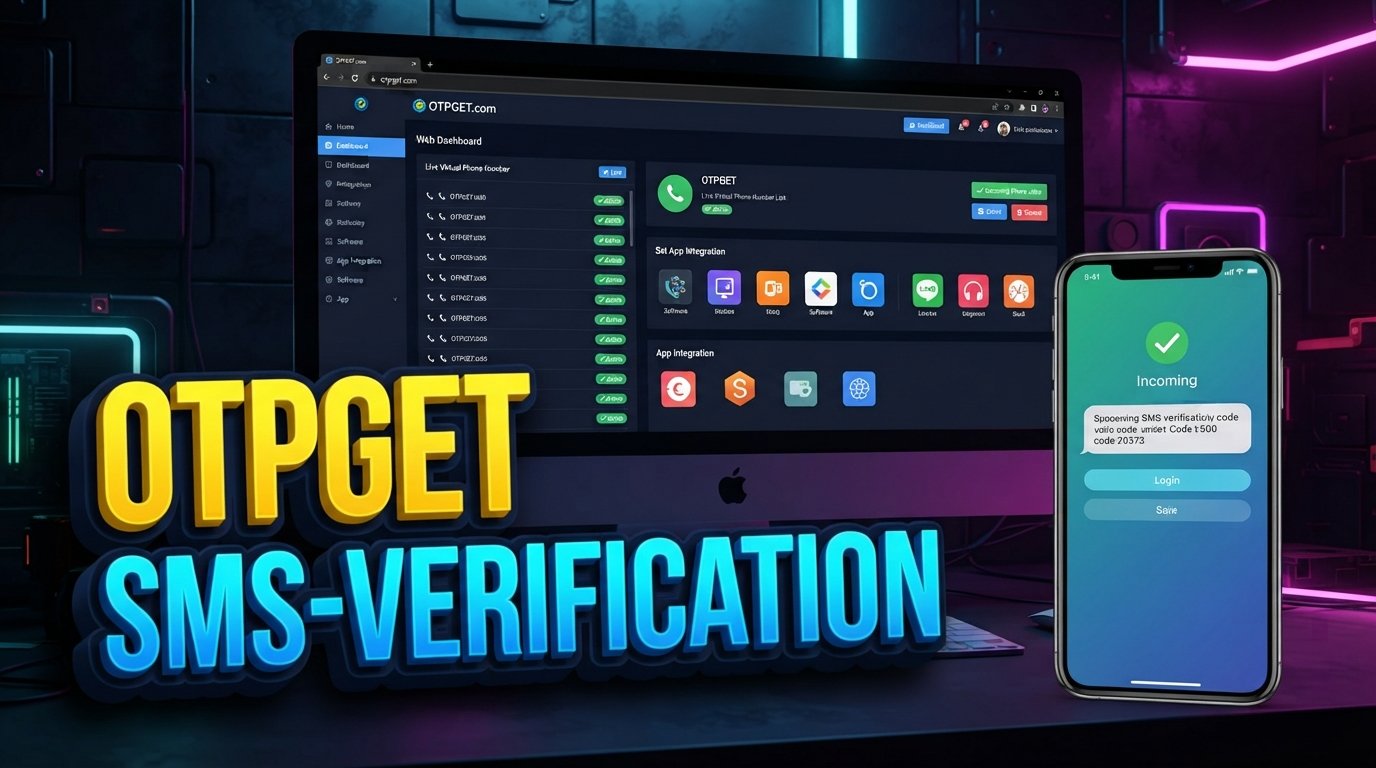
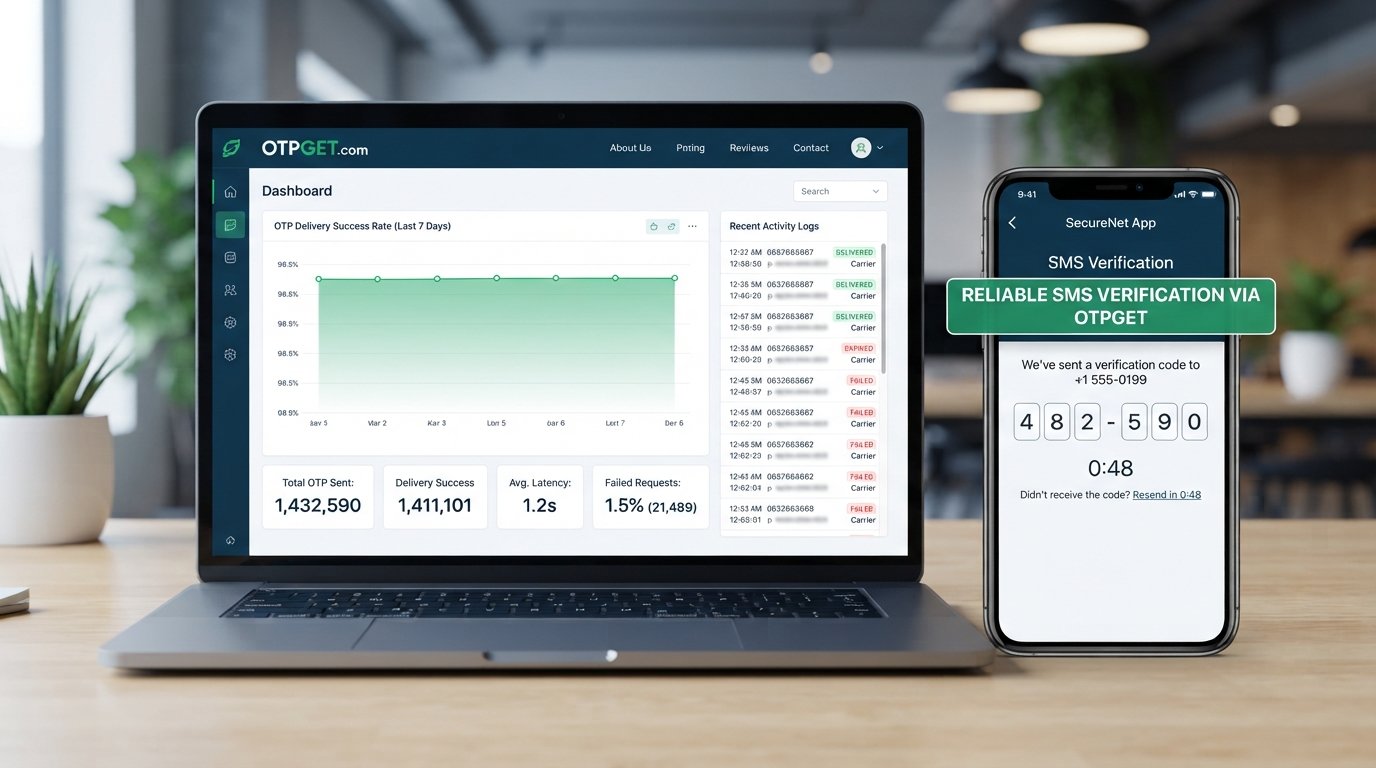
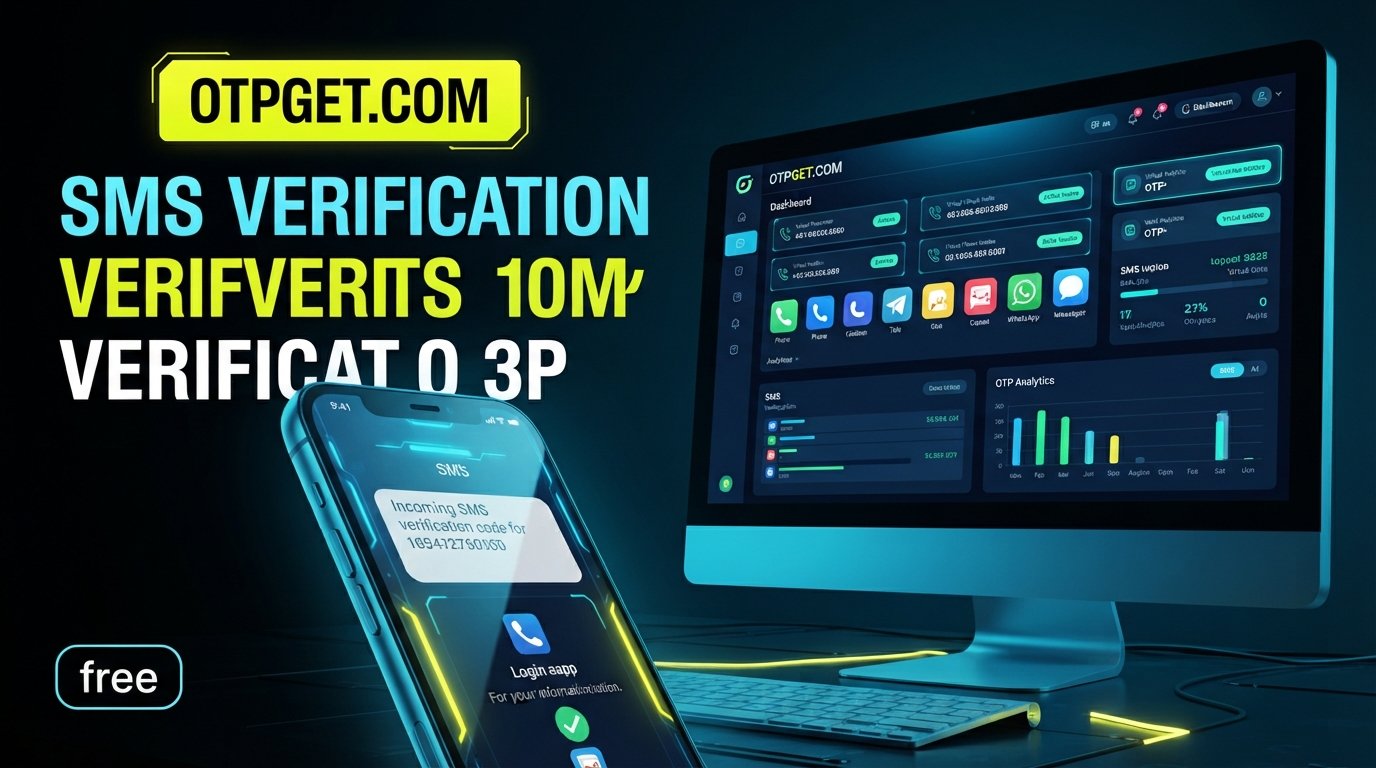
Services such as OTPGET can be useful when you need a virtual number for supported OTP or SMS verification. However, using a virtual number does not mean that no data is collected. Understanding what information is involved—and who may have access to it—is an important part of making an informed choice.
What Is a Virtual Number?
If you've ever searched for “what is a virtual number,” the simplest explanation is that it is a phone number that is provided and managed through a communications service rather than being tied directly to a traditional physical SIM in your phone.
Depending on the provider and number type, a virtual phone number may support SMS, voice calls, or both. Some numbers are designed for longer-term use, while others may be intended for temporary or service-specific purposes.
A virtual number can be useful when you want an online phone number for a particular activity without exposing your primary personal number.
For example, you might use one for:
- SMS verification
- OTP verification
- Service registrations
- A secondary communication channel
- Temporary online activities where permitted
The exact capabilities depend on the provider, country, number type, and platform you're using.
How Does a Virtual Number Work?
The basic process is relatively straightforward.
- You obtain a virtual number.
You select an available number through a virtual number service. - You enter the number on a supported website or app.
The platform treats the number as the destination for its verification message. - The platform sends an SMS or verification code.
This could be a one-time password, confirmation code, or another verification message. - The virtual number service receives the message.
Where supported, the message becomes available through the service. - You access the OTP or code.
You use the received verification code to continue the sign-up or verification process. - The platform completes verification if the number is accepted.
There is an important qualification here: not every website or app accepts every virtual number. Some platforms restrict certain number types, countries, or providers. Compatibility can also change based on the service's verification policies.
What Happens to Your Data When You Use a Virtual Number?
This is the most important question to consider.
Using a virtual number can reduce the need to provide your personal phone number, but it does not make the entire verification process data-free.
Depending on the website, app, and virtual number provider, several types of information may be involved:
- The phone number entered during registration
- The verification message sent to the number
- The OTP or verification code
- Timestamps associated with messages or requests
- Account or service information
- Technical information associated with the connection
- Device or browser information collected by the website or app
- Information retained under the provider's privacy and data-retention policies
There may effectively be two sides to the data flow.
The website or app may collect information about your account, device, browser, IP address, phone number, and verification activity according to its own policies.
The virtual number provider may handle information connected with the number and incoming messages, depending on how its service operates.
That means switching from a personal number to a virtual number changes which number you provide, but it does not automatically eliminate other forms of data collection.
Data handling can depend on:
- The website or app
- The virtual number provider
- Privacy policies and terms
- Account settings
- The type of verification being performed
- Data retention practices
- Applicable laws and regulations
Before using any virtual number service, it is worth reviewing how the provider explains its handling of verification messages and related information.
Does a Virtual Number Protect Your Privacy?
A virtual number can be a useful privacy tool, particularly when your goal is to avoid unnecessarily exposing your primary number.
For example, using a separate number may help you:
- Separate personal communications from online registrations
- Reduce exposure of your primary number to websites
- Limit unwanted calls or messages reaching your main number
- Create a dedicated number for specific online activities
- Keep verification activity separate from your everyday communications
This can support phone number privacy and help you protect your personal phone number from unnecessary exposure.
However, a virtual number is not the same thing as complete anonymity.
The service you're using may still collect information about your account, device, browser, IP address, or activity. The virtual number provider may also have its own data-handling and retention practices.
In other words, virtual number privacy is about reducing unnecessary exposure, not eliminating every form of digital tracking or data collection.
Virtual Number Security: What Should You Know?
Privacy and security are related, but they are not identical.
When considering virtual number security, look at how the provider handles access to numbers and verification messages. A convenient service is not automatically the right choice for every situation.
Consider these practical points:
- Choose a reputable provider. Look for clear information about its service and policies.
- Understand message handling. Check how incoming SMS and OTP messages are presented and whether relevant data may be retained.
- Protect OTP codes. A verification code should not be shared unnecessarily.
- Consider account recovery. A temporary number may not be suitable for an account you expect to recover through SMS later.
- Check compatibility. A virtual number may not work with every verification system.
- Follow platform rules. Use virtual numbers only for legitimate activities permitted by the target service.
For sensitive accounts, consider the authentication options offered by the platform rather than assuming that SMS verification is always the strongest available method.
Personal Number vs. Virtual Number
Neither option is universally better. The appropriate choice depends on what you're trying to accomplish.
| Feature | Personal Number | Virtual Number |
|---|---|---|
| Personal use | Well suited | May be unnecessary |
| Online verification | Commonly accepted | Depends on the platform |
| Privacy separation | Limited | Can provide additional separation |
| Exposure to websites | Primary number is shared | Separate number may be shared |
| Long-term ownership | Typically intended for ongoing use | Depends on number and provider |
| Temporary use | Usually inconvenient | Can be useful where supported |
| Account recovery | Often practical | Requires careful consideration |
| Incoming message control | Usually directly controlled by you | Depends on provider and service |
The key difference is separation. A virtual number can give you another layer between your personal contact information and an online service.
Why Use a Virtual Number for OTP Verification?
There are several legitimate reasons to use a virtual number for verification.
Someone may want a temporary number for OTP when registering for a service where a separate number is appropriate. Another user may want an OTP verification number specifically for keeping online registrations away from their primary phone.
A virtual number can also be useful when you want to receive OTP online rather than using your everyday mobile number for every verification request.
Common use cases include:
- Separating online registrations from personal communications
- Receiving verification codes on a dedicated number
- Testing services where the practice is permitted
- Reducing unnecessary exposure of a primary phone number
- Managing service-specific verification activity
The important distinction is that a virtual number for OTP should be used for legitimate verification purposes and in accordance with the target platform's rules.
How OTPGET Can Help With Virtual Number Verification
If you need a separate number for supported SMS or OTP verification, OTPGET can be a practical option to explore.
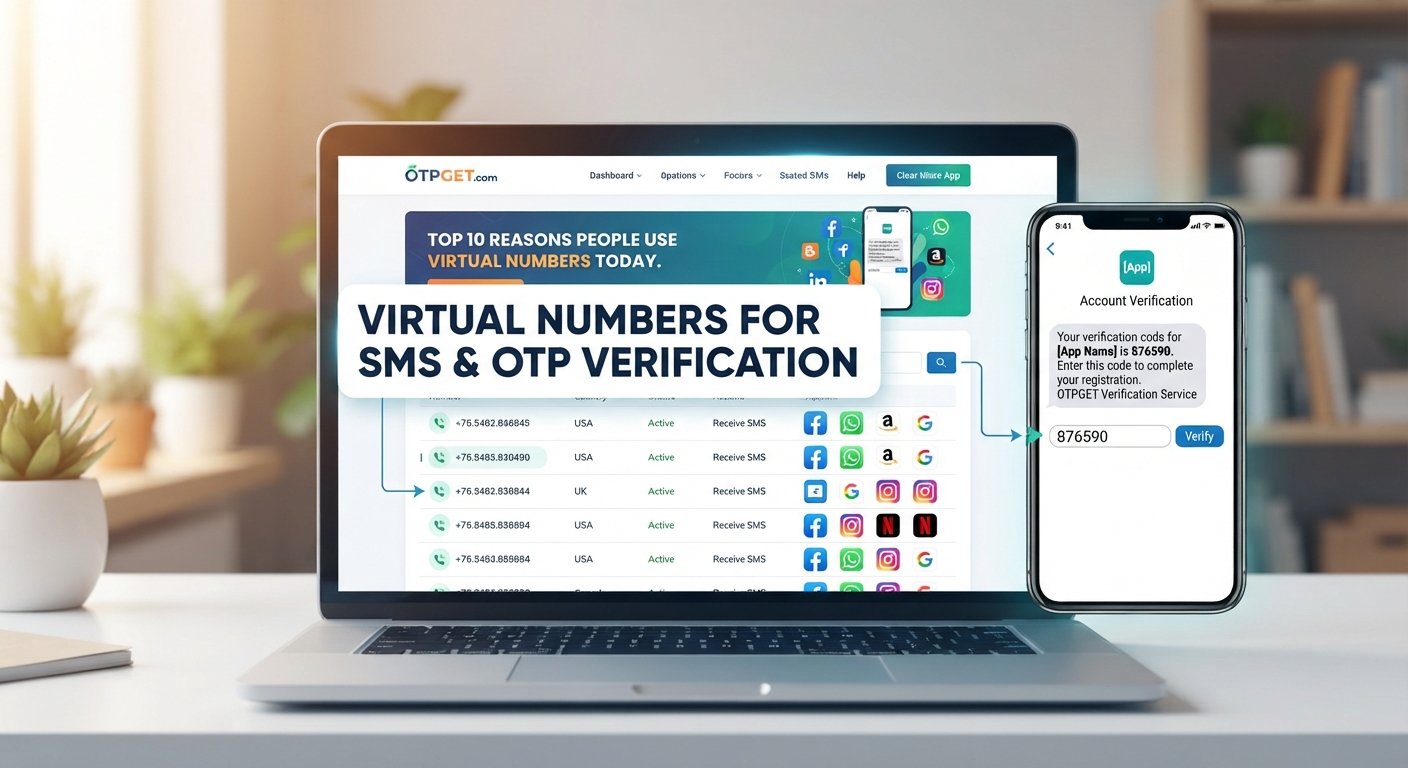
The basic idea is simple: instead of giving a website your primary personal number, you can use an available virtual number for supported verification activity. Where the target service accepts the number, the verification message or OTP can be accessed through the service.
This can be useful for people who want to:
- Access virtual numbers for verification
- Reduce unnecessary exposure of a primary personal number
- Keep verification activity separate from personal communications
- Receive supported OTP or SMS verification messages conveniently
- Use a dedicated number for specific online activities
However, compatibility matters. Not every website or app accepts every virtual number, and availability can vary by service, region, and number type.
Users should also review the target platform's terms and privacy policy before proceeding. OTPGET can help with the number and verification side of the process, but it should not be treated as a guarantee that every service will accept a particular number or that no information will be collected.
What Should You Check Before Choosing a Virtual Number Service?
Before selecting a virtual number service, take a few minutes to evaluate how it fits your needs.
Check these factors:
- Supported countries and regions: Make sure numbers are available where you need them.
- Supported platforms: Verify whether your intended service accepts the relevant number type.
- SMS and OTP availability: Check whether the service supports the kind of message you need.
- Number availability: A number may not always be available for every requested service.
- Privacy policy: Understand what information the provider may collect and how it is handled.
- Data retention: Look for information about how long messages or related records may be retained.
- Ease of use: The process for obtaining and accessing messages should be clear.
- Reliability: Consider whether the service consistently provides access when you need it.
- Number reuse policies: Understand whether numbers may later be assigned or reused.
- Account recovery: Don't assume a temporary number is appropriate for long-term recovery.
- Transparency: Prefer providers that clearly explain their service and data practices.
- Support: Check what assistance is available if a verification issue occurs.
OTPGET is one option readers can investigate when they need virtual numbers for supported OTP and SMS verification.
Common Misconceptions About Virtual Numbers
“My data cannot be tracked if I use a virtual number.”
Not necessarily. A virtual number changes the phone number you provide, but websites and apps may still collect other technical or account-related information.
“A virtual number makes me completely anonymous.”
A virtual number is not a guarantee of anonymity. Other information, including account, device, browser, or network-related data, may still be collected.
“Every website accepts virtual numbers.”
No. Acceptance depends on the platform's verification system, number type, region, and policies.
“Virtual numbers are always temporary.”
Not necessarily. Some can be used for longer periods, while others may be intended for temporary purposes.
“Using a virtual number means no information is stored.”
That's also not guaranteed. The website and virtual number provider may have their own data collection and retention practices.
Best Practices for Protecting Your Data During SMS Verification
A few simple habits can improve your approach to SMS privacy and online verification:
- Avoid using your primary phone number when it is not necessary.
- Read relevant privacy policies before using a service.
- Never share OTP codes unnecessarily.
- Use reputable virtual number providers.
- Check whether a number is appropriate for long-term account recovery.
- Understand how verification messages are handled.
- Don't use virtual numbers to violate platform rules or abuse verification systems.
- For important accounts, consider stronger authentication methods when available.
- Keep your account credentials protected independently of the phone number you use.
These practices help put a virtual number into the broader context of data privacy and personal data protection.
Final Thoughts
A virtual number can be a practical way to separate your personal contact information from online verification activity. It may reduce the number of situations where you need to expose your primary phone number, while providing a convenient option for supported SMS and OTP verification.
But it is important to understand what a virtual number does—and what it does not do. It does not automatically prevent data collection, guarantee anonymity, or ensure compatibility with every website.
For users who need a virtual number for OTP or supported SMS verification, OTPGET can be worth exploring as a practical option. Review the available numbers, check whether your intended service supports them, and consider the provider's data-handling practices before choosing a solution.
The goal is simple: use the right number for the right situation while making informed decisions about your phone number privacy and verification data.
Frequently Asked Questions
What happens to my data when I use a virtual number?
The website or app may collect the number you provide along with account, device, browser, network, and verification-related information. The virtual number provider may also handle SMS or OTP messages according to its own policies. Using a virtual number can reduce exposure of your personal number, but it does not mean that no other data is collected.
Is a virtual number private?
A virtual number can provide additional separation between your personal number and online activities, which may improve practical phone number privacy. However, it is not a guarantee of anonymity. Websites, apps, and providers can still have their own data collection, retention, and identification practices.
Can I use a virtual number for OTP verification?
Yes, virtual numbers can be used for OTP verification where the target website or app accepts them. Compatibility varies by service, country, number type, and provider. If you need a virtual number for OTP, check whether the intended platform supports the number before relying on it for verification.
Can a virtual number protect my personal phone number?
It can help reduce the need to share your primary number with certain online services. Instead, you provide a separate number for supported verification activity. This can be useful when you want to keep personal communications and online registrations separate, although it does not eliminate other forms of data collection.
Can websites see that I am using a virtual number?
A website may be able to identify characteristics of the number or determine that it belongs to a particular number type or provider. Whether it does so depends on its verification and fraud-prevention systems. A virtual number should therefore not be assumed to be indistinguishable from a traditional mobile number.
Are virtual numbers safe for SMS verification?
They can be appropriate for legitimate SMS verification when the provider and target platform support the number. Security depends on factors such as provider practices, access controls, message handling, and the sensitivity of the account. Avoid sharing OTP codes and consider stronger authentication methods for important accounts when available.
Does every website accept virtual numbers?
No. Some websites and apps may restrict virtual, VoIP, temporary, or certain regional numbers. Acceptance can depend on the platform's policies and verification system. Always check compatibility before selecting a number for a specific verification task.
How can OTPGET help with virtual number verification?
OTPGET provides access to virtual numbers that can be used for supported OTP and SMS verification. This can help users separate verification activity from their primary personal number. Availability and compatibility vary, so users should confirm that the intended platform accepts the relevant number and follow its rules.
Suggested Internal Links
- Anchor text: what is SMS verification
Suggested article: What Is SMS Verification and How Does It Work? - Anchor text: how OTP verification works
Suggested article: How OTP Verification Works: A Complete Guide - Anchor text: protect your personal phone number
Suggested article: Practical Ways to Protect Your Personal Phone Number Online - Anchor text: temporary phone numbers
Suggested article: Temporary Phone Numbers: Uses, Benefits, and Considerations - Anchor text: receive SMS online
Suggested article: How to Receive SMS Online for Legitimate Verification - Anchor text: virtual phone numbers
Suggested article: Virtual Phone Numbers Explained: Features, Uses, and Limitations - Anchor text: SMS privacy
Suggested article: SMS Privacy: What Users Should Know About Verification Messages - Anchor text: OTP security
Suggested article: OTP Security Best Practices for Online Accounts
Suggested Image Alt Text
- Smartphone displaying OTP verification with a virtual number and digital privacy interface
- Virtual number concept for SMS and OTP verification
- Virtual phone number protecting personal contact information during online verification
- OTPGET virtual number interface for supported SMS verification
- Digital privacy illustration showing a smartphone and virtual verification number
SEO Keyword List Used
Primary keyword:
virtual number
Secondary and related keywords used:
virtual phone number, virtual number privacy, virtual number security, temporary phone number, temporary number for OTP, online phone number, online SMS verification, SMS verification, OTP verification, OTP verification number, receive OTP online, phone number privacy, protect personal phone number, virtual number for verification, virtual number for OTP, virtual number service, virtual number for SMS, virtual phone number for verification, data privacy, personal data protection, SMS privacy, OTP security, verification code, secondary phone number, how virtual numbers work, what is a virtual number, temporary virtual number, online verification