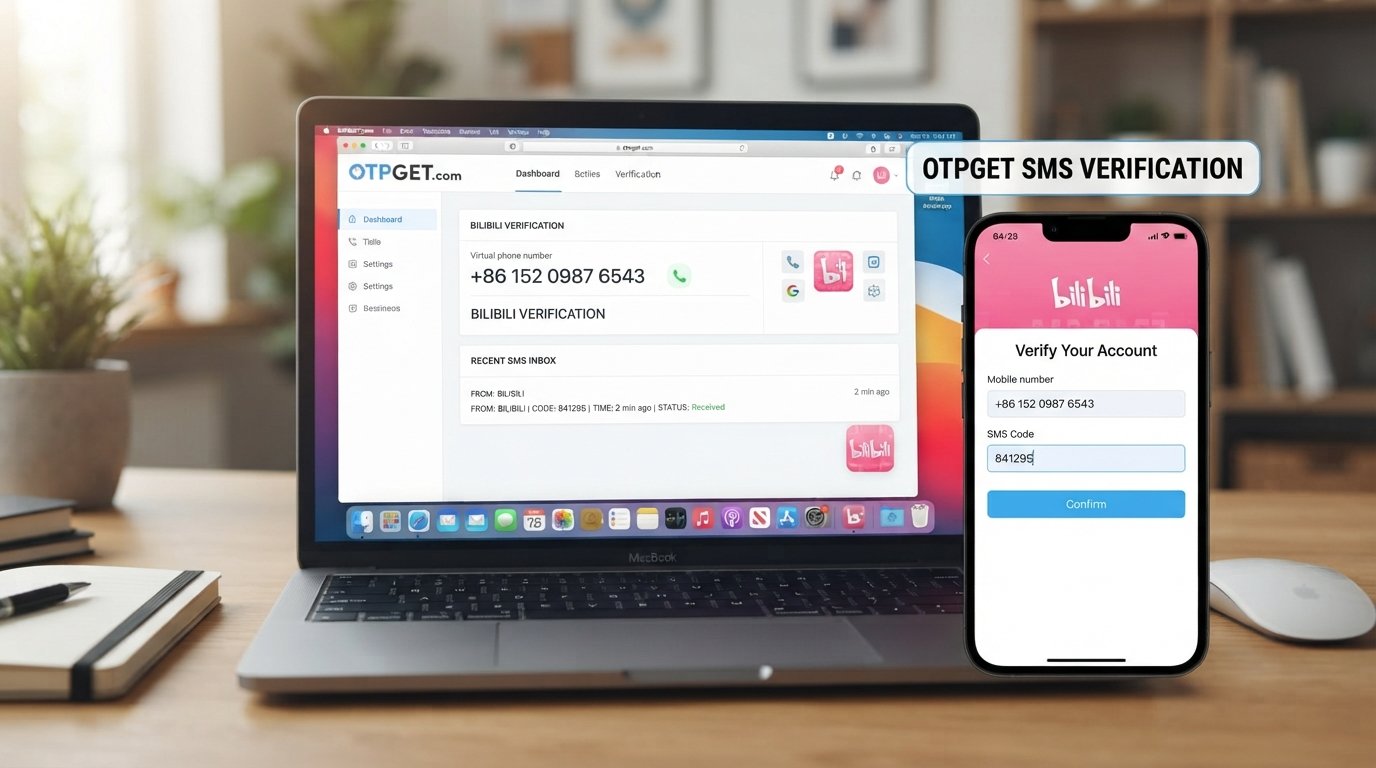
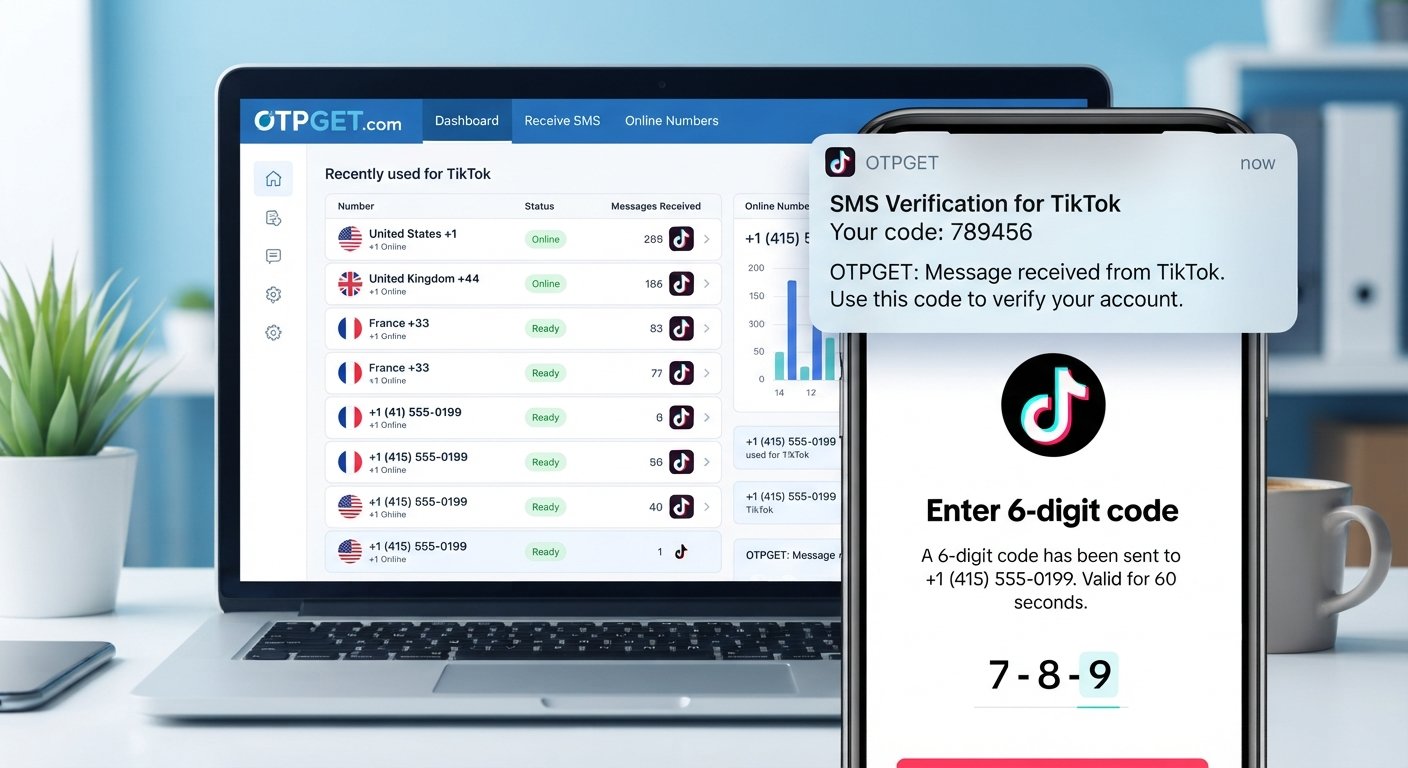
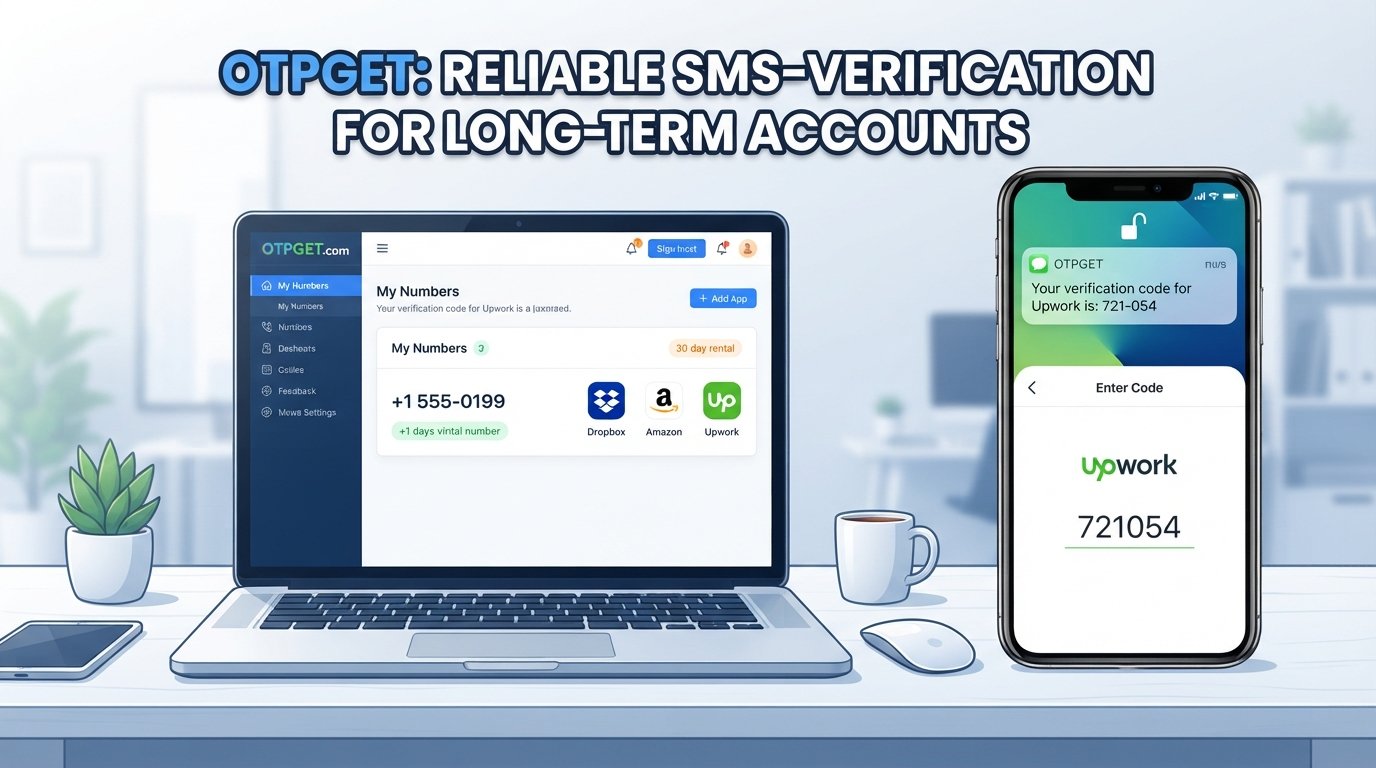
What Is a Virtual Number? How It Works, Uses & OTP Verification
What Is a Virtual Number and How Does It Work?
Have you ever reached an online registration page and stopped when it asked for your personal phone number?
Phone numbers are commonly used for sign-ups, login verification, password recovery, and security checks. But not everyone wants to use their primary mobile number every time a website or app asks for one.
That is where a virtual number can be useful.
A virtual number is a phone number that can be handled through an online communication service rather than being tied directly to a physical SIM card in your phone. Depending on the service and its supported functionality, it may be used to receive calls, SMS messages, or verification codes.
For people who need a separate number for legitimate online registrations or OTP verification, a virtual number can provide a practical alternative to sharing their personal number.
What Is a Virtual Number?
A virtual number, also called a virtual phone number or virtual mobile number, is a telephone number that operates through an online communication system instead of requiring a traditional physical SIM card.
With a conventional mobile number, your number is generally connected to a SIM or eSIM provided by a mobile network. Your phone communicates with that network to send and receive calls and messages.
A virtual number works differently. The number is managed by a virtual-number service, and supported communications can be accessed through that service.
For example, imagine you are registering for an online service that legitimately requires phone verification. Instead of automatically entering your personal number, you may choose a suitable virtual number when that type of number is accepted.
Virtual numbers can be useful for:
- SMS verification
- OTP verification
- Online registrations
- Account verification
- Separating online messages from personal communications
- Certain business communication needs
- Testing and development scenarios where appropriate
The exact capabilities of a virtual number depend on the provider and the type of number being offered.
How Does a Virtual Number Work?
The basic idea is easier than it may sound.
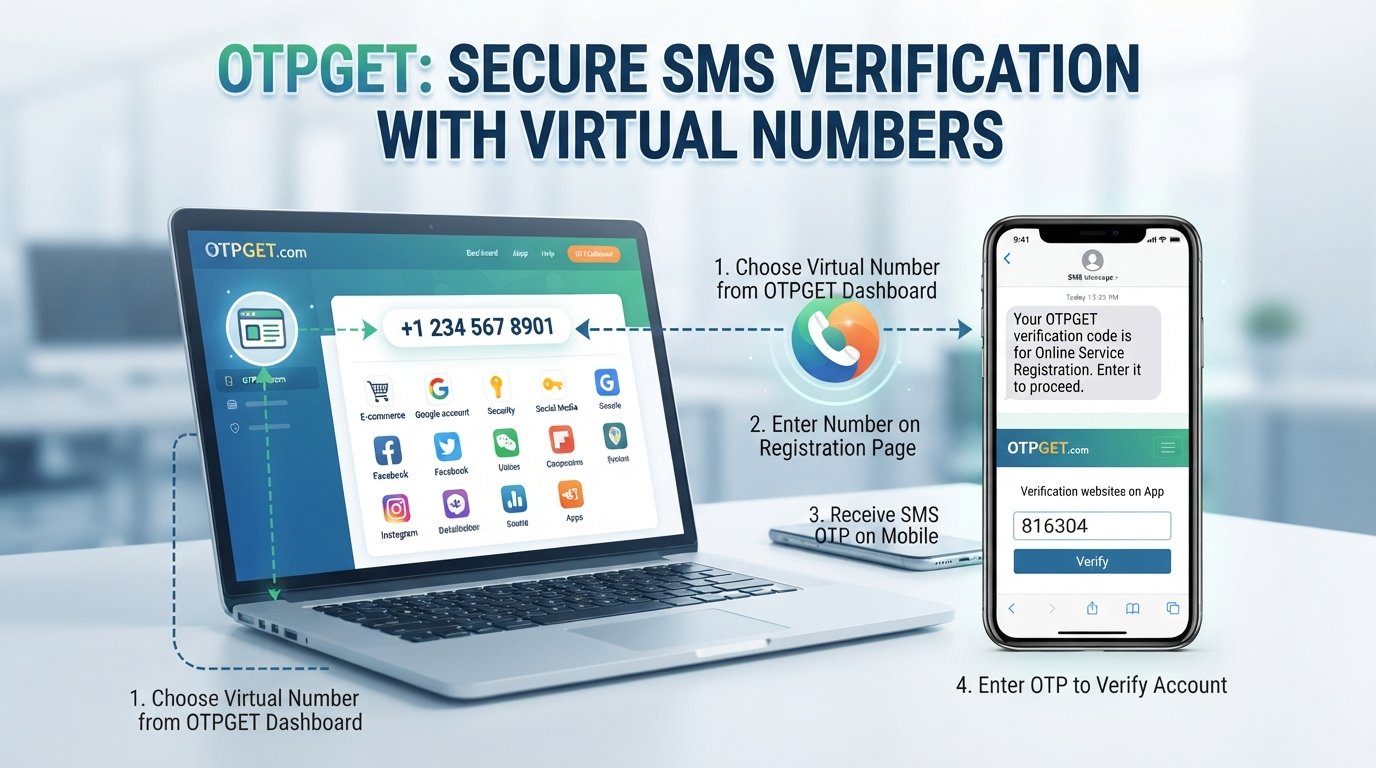
When you use a virtual number for SMS or verification, the process generally looks like this:
- Obtain a virtual number from a suitable service.
- Use the number on a website or app that legitimately accepts it.
- Request an SMS or verification code from the service.
- The message is routed to the system managing the virtual number.
- View the incoming message through the relevant virtual-number service.
- Enter the verification code into the original website or app when appropriate.
In simple terms, the virtual number acts as the destination for the SMS instead of your personal mobile number.
This is why people searching for terms such as virtual number for SMS, SMS receiving number, or receive verification codes online are often looking for a way to handle certain online communications without relying on their primary phone number.
However, there is an important limitation: not every website or app accepts every type of virtual number. Some services may restrict virtual, VoIP, temporary, or previously used numbers.
What Is a Virtual Number Used For?
Virtual numbers have several legitimate applications. The right use depends on the individual, business, and service involved.
SMS and OTP Verification
One common use is receiving an SMS containing a verification code. This can be useful when a service allows virtual numbers for its verification process.
Online Registration
A separate number can be convenient for online registrations where phone verification is required and the platform's rules permit the use of virtual numbers.
Account Verification
Some services use phone verification to confirm that a user controls the number entered during registration or account setup.
Separating Personal and Online Communications
Using a separate number can help keep certain online messages away from your primary personal number.
Business Communication
Businesses may use virtual phone numbers for certain communication workflows without assigning every communication channel to an employee's personal mobile number.
Testing and Development
Developers and testers may need numbers for legitimate testing scenarios involving SMS workflows, depending on the environment and applicable service policies.
Whatever the purpose, users should follow the terms, verification requirements, and acceptable-use policies of the website or app involved.
Virtual Number vs. Traditional Mobile Number
Although both provide a phone number, their underlying setup can be quite different.
| Feature | Virtual Number | Traditional Mobile Number |
|---|---|---|
| SIM requirement | Usually does not require a physical SIM | Typically connected to a SIM or eSIM |
| Physical phone requirement | Depends on the service | Commonly used through a mobile device |
| Accessibility | Often managed through an online service | Usually managed through a mobile network/device |
| SMS handling | May be available through the provider | Received directly on the mobile device |
| Privacy separation | Can provide a separate number for suitable uses | Often connected to your primary mobile identity |
| Online use | Useful for supported online services | Widely used for personal and online services |
| Typical use cases | Verification, business, online communications, testing | Calls, SMS, mobile data, personal communication |
Neither option is automatically better in every situation. The appropriate choice depends on what you need the number to do and what the receiving service accepts.
What Is an OTP and How Does It Work With a Virtual Number?
OTP stands for One-Time Password. It is a temporary verification code used to confirm an action, such as signing in, creating an account, or verifying a phone number.
For example, a website might display a message asking you to enter a six-digit code sent by SMS.
That code is an SMS OTP.
When a virtual number supports incoming SMS and the website accepts that number type, the verification process can work like this:
Website or app → sends OTP → virtual number → SMS arrives through the service → user enters the code
This makes a virtual number for OTP useful in situations where someone needs a separate number for a legitimate verification process.
It is important to remember that an OTP is sensitive information. A verification code should never be shared with another person simply because they request it.
How to Receive an OTP Using a Virtual Number
The general process is straightforward:
- Choose a suitable virtual number service.
Consider the service's available functionality and whether it fits your intended use. - Select an available number, where the service provides that option.
- Enter the virtual number on the website or app that legitimately supports your intended verification method.
- Request the verification code.
- Check the virtual-number service for the incoming SMS.
- Enter the OTP into the relevant verification field.
The important word here is supports. A virtual number is not guaranteed to work with every website, application, or verification system. Some platforms specifically restrict certain number types.
Why Choose OTPGET for Virtual Number and OTP Verification?
If your problem is simple — "I need a number for online verification, but I don't necessarily want to use my personal number" — a virtual-number service may be worth considering.
OTPGET is relevant for users looking for virtual-number and OTP-related functionality, particularly when they need to receive SMS for supported verification or registration scenarios.
Instead of automatically giving your personal number to every service that requests one, you can consider a dedicated virtual-number solution such as OTPGET when using a separate number is appropriate and permitted.
The key is to match the service to your specific requirement. Before relying on any virtual number, check whether the website or app accepts that type of number and follow its verification rules.
That approach keeps the decision practical: use a virtual number when it genuinely solves a communication or verification need, rather than treating it as a universal replacement for a conventional mobile number.
Benefits of Using a Virtual Number
Privacy
A separate number can reduce the number of situations where you need to provide your personal mobile number. This can be useful when a service legitimately allows an alternative number for registration or verification.
Convenience
A supported virtual-number service can make it possible to receive SMS online rather than depending entirely on a physical SIM and personal handset.
Separation
A dedicated number can help separate personal communication from messages associated with registrations, verification, or other online activities.
Flexibility
Virtual numbers can be useful when physical SIM access is inconvenient or when you need a number for a specific purpose.
Online Accessibility
When supported by the relevant platform, a virtual number can make SMS-based verification more convenient to manage through an online service.
These benefits come with limitations. Availability, supported message types, number management, and acceptance by third-party platforms can vary between providers and services.
Are Virtual Numbers Safe to Use?
A virtual number is not automatically safe or unsafe. Much depends on how you use it and which service you choose.
A few sensible practices can help:
- Choose a reputable virtual-number provider.
- Read the provider's terms and understand how numbers are managed.
- Never share OTPs or verification codes with strangers.
- Avoid using a number for activities that violate a platform's rules.
- Understand that some websites may block or restrict virtual numbers.
- Do not assume that a virtual number provides complete anonymity or security.
- Use separate credentials and follow good account-security practices.
It is also worth remembering that a verification code is effectively a security credential for the specific action it protects. Treat it accordingly.
Common Questions About Virtual Numbers
What is a virtual number?
A virtual number is a telephone number managed through an online communication service rather than being directly tied to a traditional physical SIM card.
Can a virtual number receive SMS?
Some virtual numbers support incoming SMS. The exact functionality depends on the provider and the type of number.
Can I use a virtual number for OTP verification?
You can use a virtual number for OTP verification when the virtual number supports SMS reception and the website or app accepts that type of number.
How does a virtual number work?
A virtual number is managed by an online service. When a supported website sends an SMS to the number, the message can be routed to the system handling that number so the user can access it.
Is a virtual number the same as a temporary phone number?
Not necessarily. A temporary phone number generally refers to a number intended for short-term or limited use, while "virtual number" describes how the number is provided or managed. Some virtual numbers may be temporary, but the terms are not automatically interchangeable.
Can every website accept a virtual number?
No. Acceptance depends on the website or app. Some services may restrict virtual numbers or specific number types.
Why would someone use OTPGET for a virtual number?
Someone may consider OTPGET when they need a virtual-number solution for supported SMS, OTP verification, registration, or related online verification purposes. The appropriate use depends on the specific service and its requirements.
Why OTPGET Can Be a Practical Choice
If you need a number for online verification but prefer not to use your personal number, a virtual number can provide another option.
OTPGET can be considered when your requirement involves virtual numbers, SMS receiving, or OTP-related verification and the target service permits that type of number.
The best approach is simple: understand what the website requires, choose a suitable number service, and use it responsibly.
If that matches your situation, explore OTPGET and see whether its virtual-number options fit your verification needs.
Conclusion
A virtual number is essentially a phone number managed through an online communication service rather than being directly tied to a conventional physical SIM.
For supported use cases, it can receive SMS and verification codes, making it useful for online registration, account verification, OTP verification, business communication, and other legitimate purposes.
The important thing is to understand the limitations. Not every website accepts every virtual number, and no virtual-number service should be treated as a guaranteed solution for every verification request.
If you need a separate number for an appropriate online verification task, OTPGET is a practical service to explore. Understand the requirements of the website or app first, use the number responsibly, and keep your OTPs private.
8. SEO FAQ
What is a virtual number?
A virtual number is a phone number managed through an online communication service rather than being directly connected to a traditional physical SIM.
How does a virtual number work?
A website or app can send an SMS to the virtual number, and the supported virtual-number service makes that incoming message available to the user.
Can a virtual number receive OTPs?
Yes, a virtual number can receive an OTP when it supports incoming SMS and the website or app accepts that type of number.
What is a virtual number used for?
Common legitimate uses include SMS verification, online registration, account verification, business communication, and separating certain online messages from a personal number.
Can every website accept a virtual number?
No. Some websites and apps may restrict or block virtual numbers, so acceptance should always be checked before relying on one.
Is a virtual number the same as a temporary phone number?
No. A virtual number describes how a number is provided or managed, while a temporary phone number generally refers to a number intended for short-term use.
Why use OTPGET for virtual-number needs?
OTPGET can be considered by users looking for virtual-number and OTP-related functionality for supported online verification and SMS-receiving use cases.
9. Final CTA
Need a separate number for a legitimate online verification task? Explore OTPGET to see whether a virtual-number solution fits your SMS or OTP verification needs. Always check the target service's requirements and use verification numbers responsibly.