Why Apps Block Virtual Numbers and What to Do About It Safely
Why Some Apps Block Virtual Numbers and What to Do
You enter a phone number during sign-up, request an OTP, and expect a simple verification message. Instead, the app says the number is unsupported, invalid, or unavailable.
If you've experienced this with a virtual phone number, you're not necessarily doing anything wrong. Many online services use automated checks to determine what type of number you're entering and whether it fits their verification policies.
That can make virtual number verification confusing, especially when the same number works on one service but fails on another.
This guide explains why apps block virtual numbers, how those checks generally work, what you can do when a virtual number is rejected, and where a service such as OTPGET can fit into legitimate verification needs.
Why Do Some Apps Block Virtual Numbers?
Virtual numbers are not automatically unsafe. However, some platforms treat certain number types as higher-risk because they can be easier to obtain, share, recycle, or use at scale than traditional mobile numbers.
There are several reasons an app may restrict them.
Fraud Prevention
Phone verification is often one part of an app's broader fraud-prevention system. If a platform sees patterns associated with fraudulent registrations or suspicious activity, it may restrict particular number types.
This does not mean every virtual number is fraudulent. It simply means the platform may use number type as one signal in its risk assessment.
Spam and Abuse Prevention
Some services receive large volumes of automated registrations, unwanted messages, or abusive activity. Requiring a supported mobile number can make mass registration more difficult.
For that reason, a platform may limit temporary, disposable, VoIP, or other virtual numbers.
Fake-Account Prevention
A service may use phone verification to discourage the creation of large numbers of accounts. If virtual numbers are readily available for repeated registration, the platform may decide that certain number ranges require additional scrutiny.
Account Security
Some services rely on phone numbers not only for initial registration but also for password recovery, login alerts, or other security processes. They may therefore prefer number types they consider more suitable for long-term account ownership.
Recycled or Temporary Numbers
Numbers can change hands or be reused over time. Temporary and recycled numbers can create additional account-ownership concerns if a number previously associated with one user later becomes available to another.
Regulatory and Platform Requirements
Certain services operate under specific regional, industry, or identity-verification requirements. Their phone verification policies may therefore be stricter than those of other websites or apps.
The key point is simple: a virtual number being blocked does not mean all virtual numbers are bad or that every platform rejects them. Acceptance depends on the individual service and its verification rules.
How Apps Detect Virtual or VoIP Numbers
When you enter a phone number, an app can check more than just whether the digits follow the correct format.
A platform may consult numbering or carrier information to determine what type of number it appears to be.
Common categories include:
- Mobile numbers
- Landline numbers
- VoIP numbers
- Virtual phone numbers
- Temporary numbers
- Disposable or recycled numbers
Platforms may also consider other reputation and risk signals. These checks are generally automated and can happen before an OTP is sent.
For example, a number can have a perfectly valid country code and still be rejected because the platform's systems identify its underlying number type as unsupported.
This is why changing the formatting of the same number usually does not solve a genuine number-type restriction. The issue may be the number's classification rather than the way it was typed.
What Happens When a Virtual Number Is Rejected?
A rejected virtual number can produce different results depending on the app.
You might see messages such as:
- “This number is not supported.”
- “Invalid phone number.”
- “Please use a different number.”
- “We couldn't send a verification code.”
- “This number cannot be used for verification.”
In other situations, there may be no obvious error. You request an OTP, but nothing arrives.
That can happen because the platform never sent the message, the number type is unsupported, the service has regional restrictions, the number has already been associated with another account, or the SMS delivery path simply did not complete.
The important distinction is between a rejected number and an undelivered OTP. They can look similar to the user but have different causes.
What Can You Do If an App Does Not Accept Your Virtual Number?
If your virtual number is not accepted, the best approach is to troubleshoot the issue without attempting to circumvent the platform's safeguards.
1. Check the Number Carefully
Confirm that the country code and phone number were entered correctly. A formatting mistake can sometimes look like a number-support problem.
2. Check the Platform's Requirements
Some services explicitly state whether they support mobile, landline, VoIP, or other number types. If a service requires a particular type, use a number that fits its stated requirements.
3. Avoid Repeated OTP Requests
Repeatedly requesting verification codes can create additional delays or temporary restrictions. If the first request does not arrive, wait before trying again.
4. Check Whether the Number Has Been Used
A number that has previously been associated with another account may not be suitable for a particular registration or verification flow.
5. Contact Support When Appropriate
If you believe the number should be supported but is being rejected incorrectly, the platform's support team is the appropriate place to ask.
6. Consider a Suitable Number Provider
For legitimate verification needs, a virtual-number service can provide an alternative to exposing a personal phone number. The key is to choose a number that matches the platform's requirements rather than trying to defeat them.
OTPGET can be considered in this context. Its documentation describes temporary phone numbers for receiving SMS/OTP messages, as well as longer-term rental numbers, with availability depending on country, service, and provider.
How OTPGET Can Help With OTP Verification
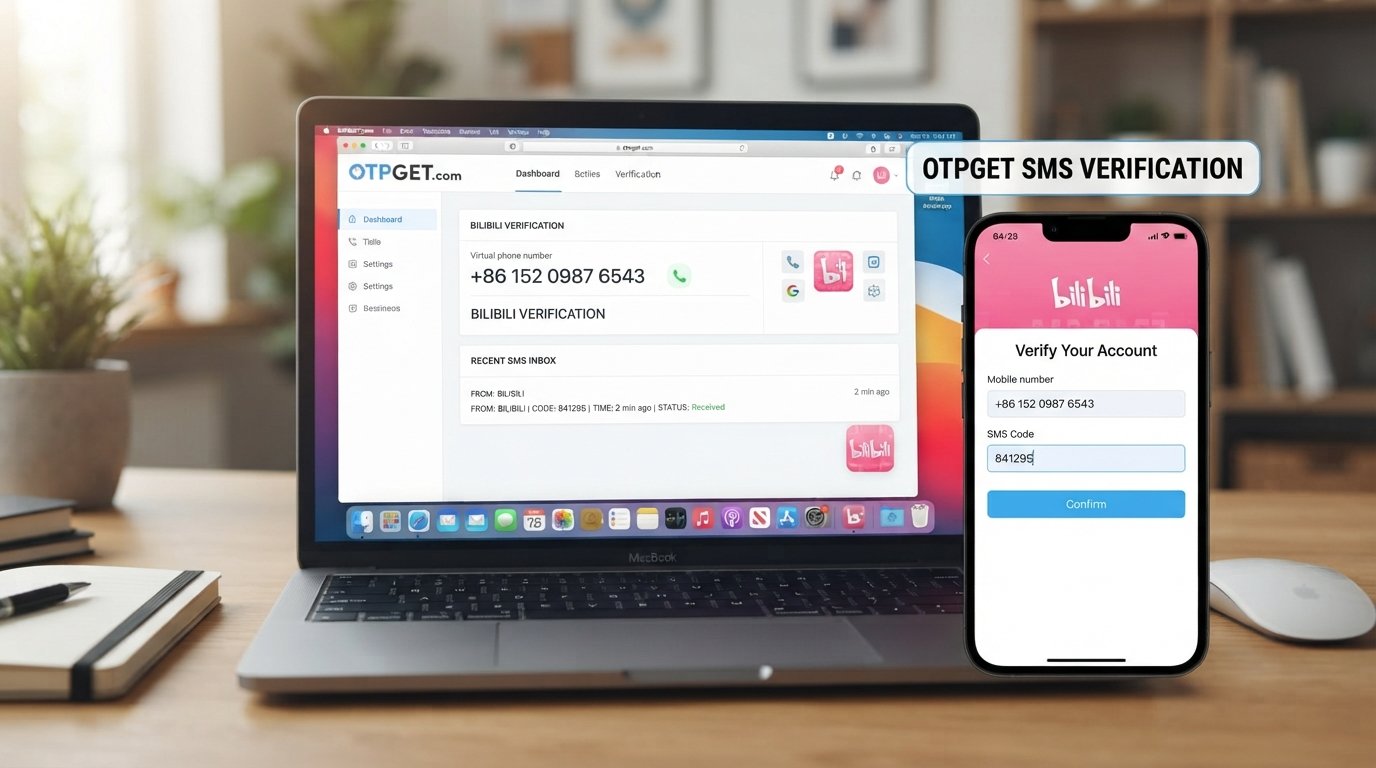
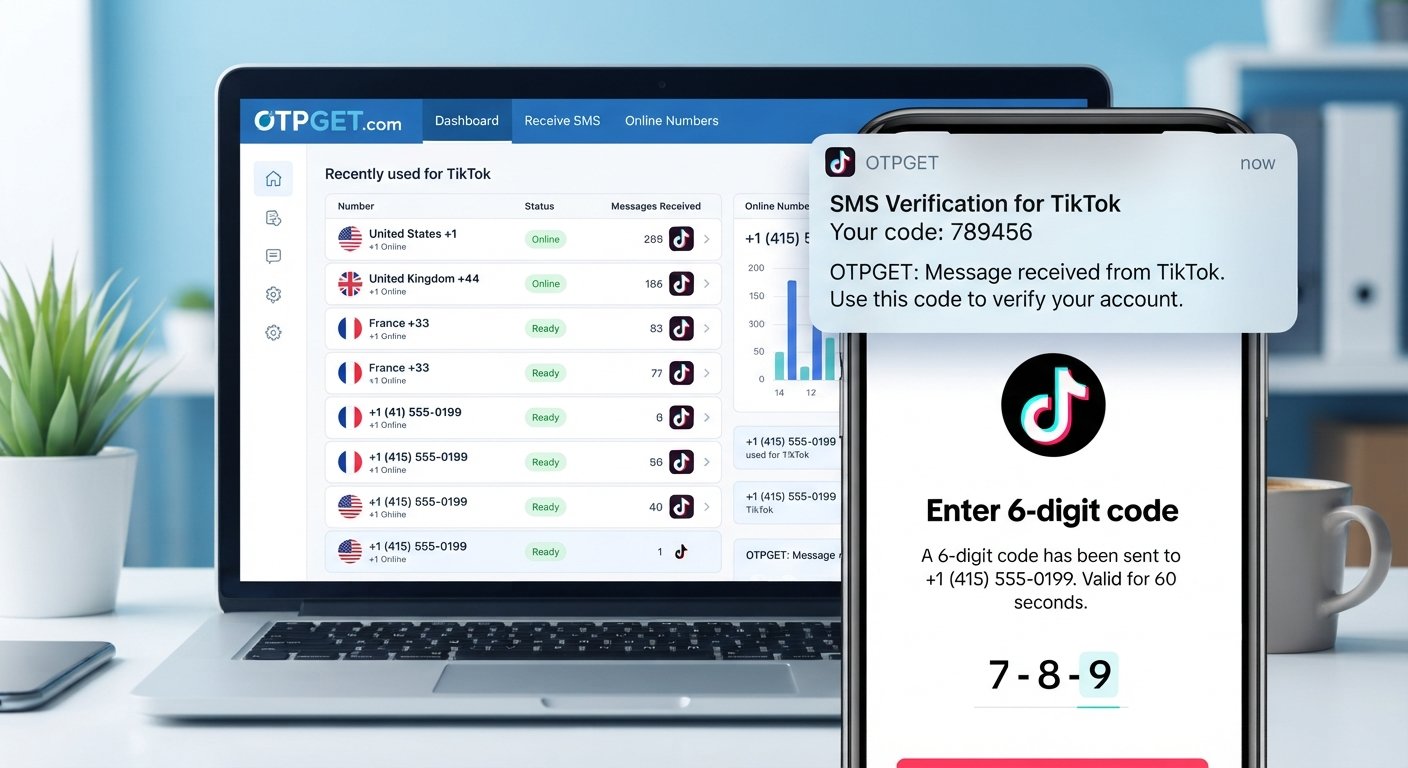
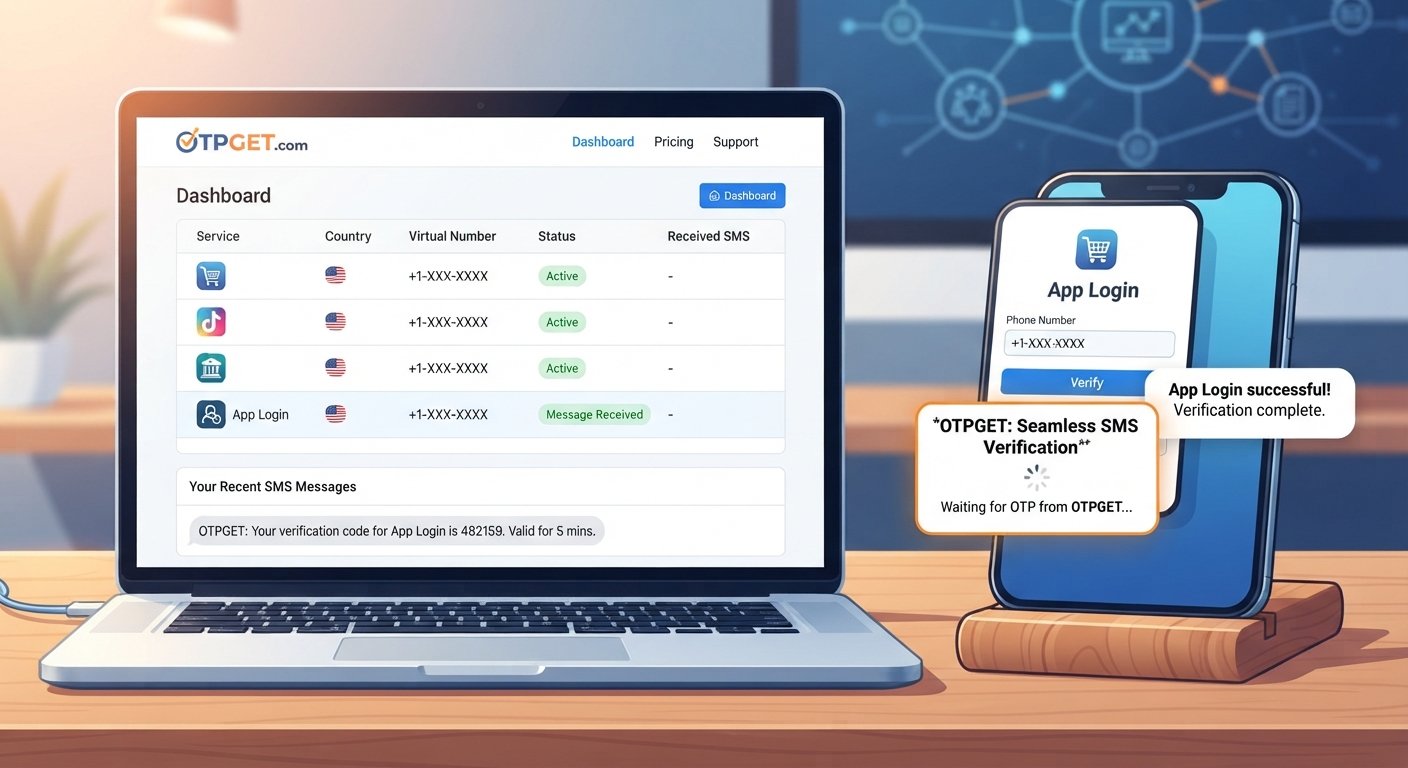
OTPGET is designed around receiving verification messages through virtual and rental phone numbers. Its documentation describes a flow in which users select available countries and services, obtain a number, and check the activation status for an incoming SMS.
For a legitimate verification requirement, the general process is straightforward:
- Choose the required country or available service.
- Obtain an appropriate number through OTPGET.
- Enter that number on the supported platform.
- Request the verification code.
- Check OTPGET for the incoming SMS.
- Enter the OTP on the relevant verification screen.
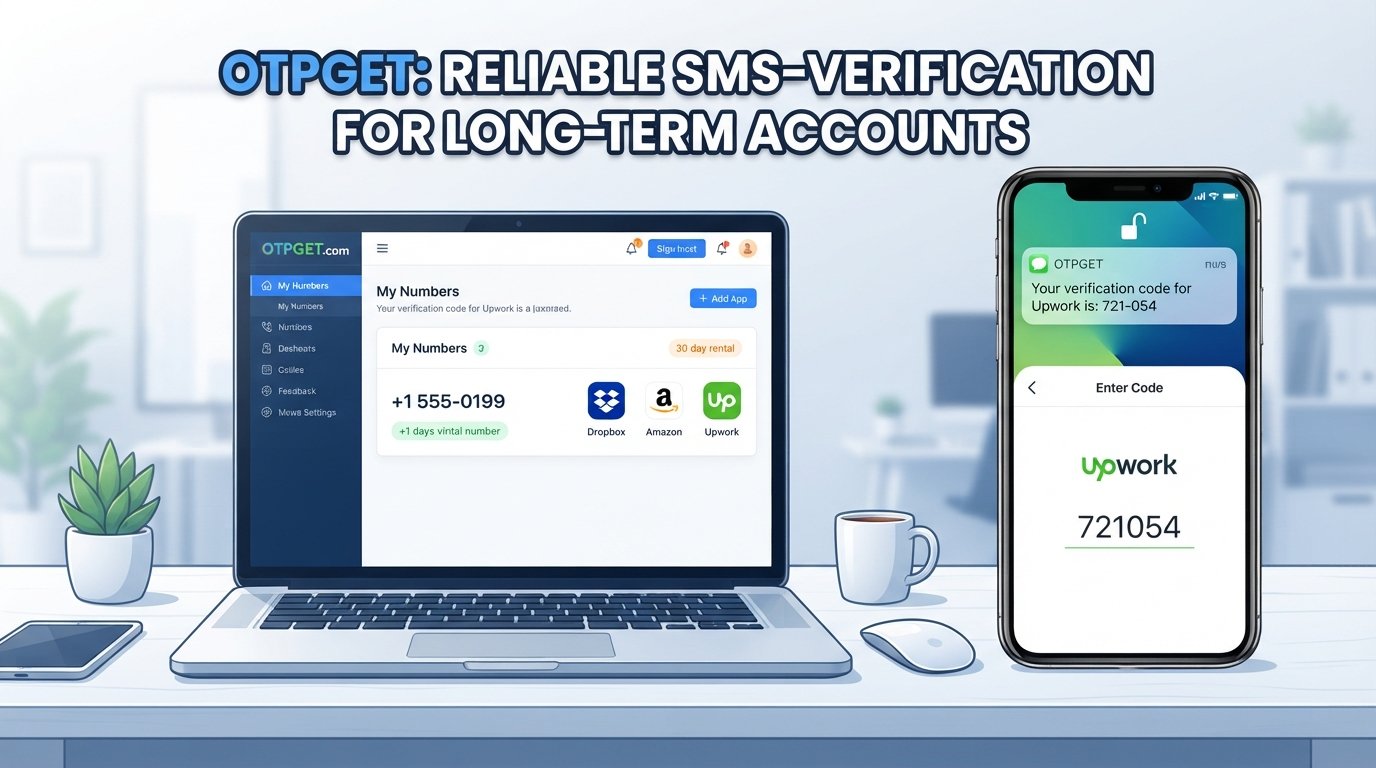
OTPGET's documentation also distinguishes between temporary SMS numbers and rental numbers, so the appropriate option can depend on whether the need is limited to a single verification or requires longer-term access to a number.
There is an important limitation: using OTPGET does not guarantee that an individual app will accept a particular number. The platform you're verifying with ultimately controls its own phone-number policies, and OTPGET's terms specifically state that platform restrictions and verification failures can occur outside its control.
That distinction matters. A useful verification service should be viewed as a practical option for supported use cases, not as a method for bypassing an app's security controls.
Why OTPGET May Be Useful Instead of Sharing Your Personal Number
There are legitimate situations where someone may prefer not to provide a personal phone number to every online service they use.
A separate verification number can help keep personal and online communications distinct. It may also be convenient when a service legitimately requires SMS verification but using a primary personal number is undesirable.
Potential considerations include:
- Separating personal and online activities
- Reducing unnecessary exposure of a personal phone number
- Keeping verification-related messages separate
- Managing temporary verification requirements
- Using a dedicated number where the platform permits it
This should not be confused with complete anonymity or guaranteed privacy. A virtual number is still a number, and the platform or provider may have its own records, policies, and account-security procedures.
OTPGET's published terms also explain that it collects limited account, technical, transaction, and activity information for purposes such as account security, payment verification, fraud prevention, and service improvement.
Virtual Numbers vs. Personal Mobile Numbers
The right choice depends on what the platform supports and why you need verification.
| Factor | Virtual Number | Personal Mobile Number |
|---|---|---|
| Ownership | Provided through a virtual-number service | Typically controlled directly by the user |
| Privacy | Can separate verification activity from a personal number | Personal number is shared with the service |
| Convenience | Useful for supported online verification needs | Convenient when already registered to the user |
| Verification compatibility | Depends on platform and number type | Often accepted where personal mobile numbers are required |
| Typical use cases | Supported OTP verification, testing, separate online activities | Personal accounts, recovery, long-term identity-linked services |
| Potential limitations | Some platforms may restrict virtual, VoIP, temporary, or recycled numbers | May expose a personal contact number to another service |
Neither option is universally appropriate. A platform's own requirements should be the deciding factor.
Why a Virtual Number Can Work on One App but Fail on Another
This is one of the most confusing parts of virtual phone number verification.
Suppose a number successfully receives an SMS verification code from one website but is rejected by another. That does not necessarily indicate a problem with the number itself.
Different platforms can use different:
- Number-type databases
- Carrier information
- Geographic requirements
- Fraud-risk models
- Account-registration rules
- Anti-abuse controls
- Verification providers
One platform may allow a particular virtual number classification while another may prohibit it.
There can also be differences between countries and number ranges. A service that accepts one virtual number may reject another because the underlying carrier, location, or number classification differs.
That's why a virtual number for verification is never a universal pass. Compatibility belongs to the individual platform.
Common Mistakes When Using Virtual Numbers for OTP
A few simple mistakes can create unnecessary verification problems.
Choosing an Unsupported Number Type
A virtual number may be valid but still incompatible with the service. Check the platform's requirements whenever they are available.
Entering the Wrong Country Code
An incorrect country selection can cause the platform to reject the number or send the OTP through an unexpected route.
Requesting Too Many OTPs
Multiple requests in a short period can trigger temporary limits. If a code does not arrive immediately, avoid repeatedly pressing the resend button.
Reusing Numbers Improperly
A temporary or previously used number may already be associated with another account or verification attempt.
Assuming Every Virtual Number Works Everywhere
This is perhaps the biggest misconception. A number that works for one service may fail on another because each platform has its own policies.
Treating Restrictions as Something to Bypass
If a service explicitly prohibits a particular number type, trying to evade that restriction can create account or security problems. The safer approach is to use a supported verification method.
Frequently Asked Questions
Why do apps block virtual numbers?
Apps may restrict virtual numbers to reduce fraud, spam, automated registrations, account abuse, or security risks. Some services also have regulatory or platform-specific requirements. Blocking a virtual number does not mean all virtual numbers are unsafe; it means the particular platform has decided that certain number types are not suitable for its verification process.
Why is my virtual number not receiving an OTP?
Several things can cause this. The platform may not support the number type, the number may already have been used, the service may have regional restrictions, or the SMS may not have been delivered. Check the number details, avoid repeated requests, and review the platform's verification requirements.
Are virtual numbers accepted for SMS verification?
Some platforms accept virtual numbers, while others restrict VoIP, temporary, disposable, recycled, or other virtual number types. Acceptance depends entirely on the individual service. Before using a number, check whether the platform permits that category of phone number.
Can I use a virtual number instead of my personal number?
You can use a virtual number where the service permits it and where doing so complies with its rules. A virtual number can be useful when you want to keep verification activity separate from your personal phone number, but it should not be treated as a way to bypass identity or security requirements.
Why does a virtual number work on one app but not another?
Different platforms use different number databases, carriers, risk systems, geographic requirements, and verification policies. As a result, a number can be accepted by one service and rejected by another. Successful verification on one platform does not guarantee compatibility elsewhere.
What should I do if my virtual number is rejected?
First, verify the country code and number format. Then check whether the service supports that number type. If it does not, use a supported number rather than attempting to bypass the restriction. For legitimate verification needs, a service such as OTPGET may provide alternative numbers, subject to platform compatibility.
Can OTPGET help with OTP verification?
OTPGET provides virtual numbers designed for receiving SMS/OTP messages and also offers rental-number options. Its documentation shows country and service selection followed by number allocation and SMS-status checking. However, OTPGET does not guarantee that every platform will accept every number, and its terms acknowledge that platform restrictions can cause verification failures.
Final Thoughts
Virtual-number restrictions are usually not random. They are often connected to fraud prevention, spam reduction, account security, number reputation, geographic requirements, and platform-specific verification policies.
That is why a virtual number can work perfectly on one app while being rejected by another. The number may be valid, but the platform may classify it differently or simply choose not to support that number type.
When a virtual number is not accepted, start with the basics: check the number and country code, review the service's requirements, avoid repeated OTP requests, and use a supported verification method.
For legitimate situations where a suitable number is needed for SMS verification, OTPGET is one option to consider. Its platform supports temporary SMS numbers and rental numbers, with availability varying by service, country, and provider.
The most important principle is to match the number type to the platform's rules rather than trying to work around them.
If you need a convenient number for supported OTP verification, explore OTPGET and choose an option that fits your verification needs.