SEO Title: Private Facebook Verification Number | OTPGet Guide
Private Facebook Verification Number | OTPGet
Phone verification can feel like a small step until you are asked to use your personal number for an online service. For people who value privacy, that can create an uncomfortable choice: provide a primary phone number or look for another way to handle the verification process.
This is where a private Facebook verification number can be useful. A virtual or temporary number may allow users to keep their main phone number separate from certain online verification activities while still receiving an SMS verification message when the service and platform accept the number.
The important point is choosing the right approach. A verification number should be convenient, privacy-conscious, and suitable for the intended use. OTPGET provides an option for users exploring virtual numbers and OTP/SMS receiving services for online verification.
This guide explains how private Facebook verification numbers work, what to consider before using one, and how OTPGET can fit into a privacy-focused verification workflow.
Why Facebook Verification Can Be a Privacy Concern
A phone number is more than a string of digits. It can be connected to personal communication, accounts, contacts, and other aspects of your digital life.
That is why some users prefer not to use their primary number every time an online service requests phone verification.
Common concerns include:
- Privacy: You may not want to expose your personal contact number unnecessarily.
- Separation: Keeping personal communication separate from online services can make digital activity easier to manage.
- Message management: Verification codes can add one more category of messages to your primary phone.
- Online exposure: Some users prefer limiting the number of websites and services that have access to their main number.
- Convenience: A separate verification number can be useful for specific online SMS verification situations.
Using a virtual number does not automatically make an account anonymous or completely private, and it does not remove the need to follow the platform's applicable requirements. It simply gives users another option when a service accepts that type of number.
What Is a Private Facebook Verification Number?
A private Facebook verification number generally refers to a phone number used for verification while keeping your primary personal number separate.
Depending on the service, this may be a virtual phone number, temporary phone number, or SMS-enabled number capable of receiving a verification message.
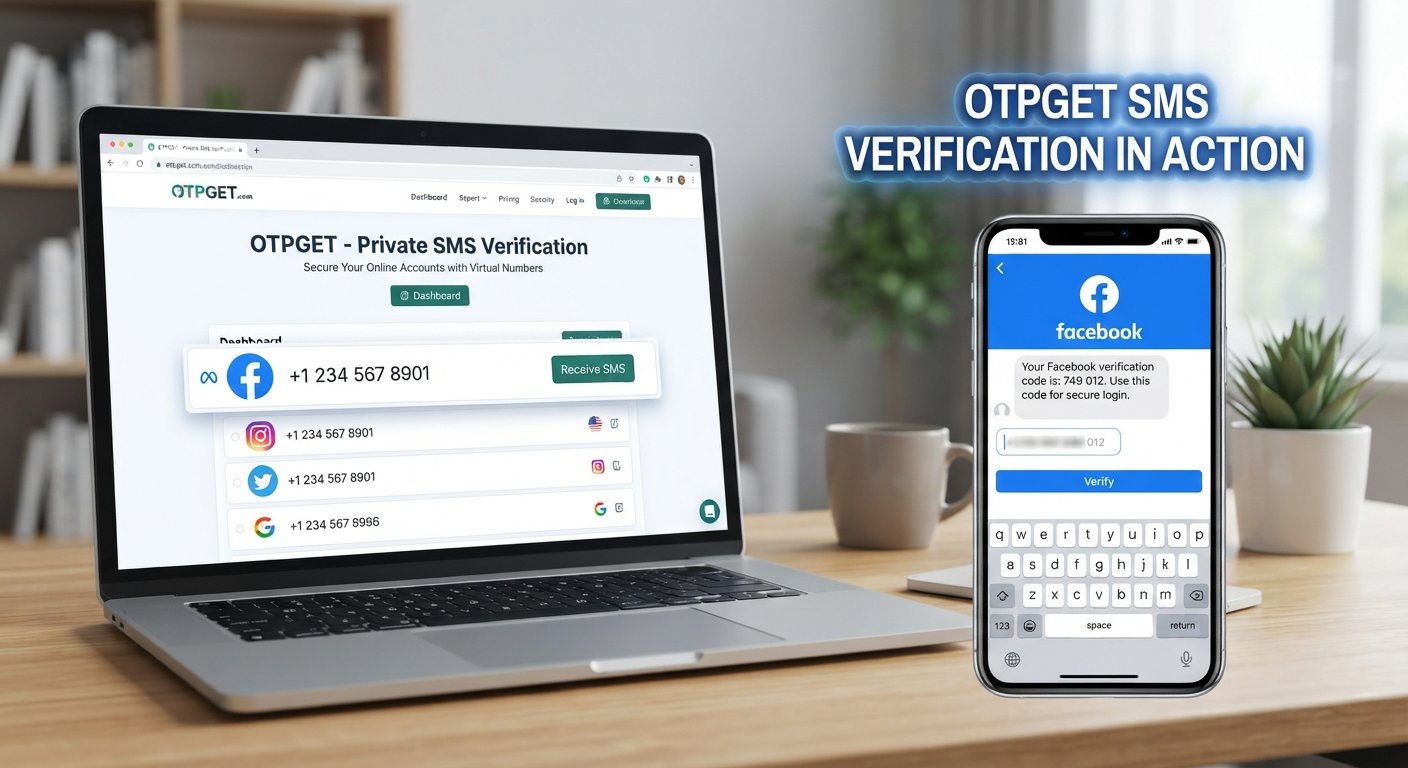
When a platform sends a Facebook OTP or verification code, the code is delivered through SMS to the number entered during the verification process. If the number and verification method are accepted, the user can retrieve the code and enter it into the relevant verification field.
In simple terms, the process can look like this:
- A phone number is requested for verification.
- An eligible number is provided.
- The platform sends an SMS verification code.
- The code is received through the relevant SMS or OTP service.
- The verification code is entered where requested.
A private verification number can therefore serve as an alternative to immediately sharing a primary personal number. However, acceptance depends on the platform and the specific number. Not every virtual or temporary number will necessarily work for every verification attempt.
Why Use a Virtual or Temporary Number for Facebook Verification?
There are several legitimate reasons someone may consider a virtual phone number for Facebook or another online service.
The main benefit is separation. Instead of using the number associated with your everyday calls and messages, you may prefer a number dedicated to certain online verification purposes.
Potential advantages include:
- Greater separation between personal and online activity
- Less exposure of your primary phone number
- Convenience when receiving SMS verification messages
- Easier organization of verification-related messages
- An additional option for online phone verification
- More control over which number you provide to online services
A temporary Facebook number can be useful for a specific verification scenario, while a virtual number may be more appropriate when continued control of the number matters.
The right choice depends on how the number will be used. If you expect to need the same number later for account recovery or another security check, number availability and ongoing access become especially important.
OTPGET: A Practical Solution for Private Verification
For users searching for a private verification number, the biggest challenge is often finding a practical way to separate a primary phone number from an online verification process.
This is where OTPGET can be considered.
OTPGET is relevant to users looking for a virtual or temporary number for SMS OTP, online verification, and other situations where receiving a verification message is required. Rather than immediately exposing a personal phone number, users can explore whether an available OTPGET number is suitable for their particular verification requirement.
The value of this approach is straightforward: it puts the focus on privacy, separation, and convenience.
With OTPGET, users searching for an OTP receiving service, temporary SMS number, or virtual SMS number can consider an alternative to using their everyday phone number for an eligible verification task.
However, it is important to keep expectations realistic. OTPGET does not guarantee that every Facebook verification attempt will be accepted. Platform requirements can vary, and some temporary or virtual numbers may not be supported for a particular verification process.
That makes OTPGET a practical option to consider—not a promise of guaranteed verification.
How to Use OTPGET for Facebook Verification
The general process is simple, although the exact OTPGET interface and available options may vary.
1. Visit OTPGET
Start by visiting OTPGET and reviewing the available verification or virtual-number options.
2. Choose an appropriate number option
Select a number that appears suitable for your intended verification use, depending on the options available through OTPGET.
3. Enter the number where verification is requested
If Facebook requests a phone number and the selected number is compatible with the verification process, enter it in the relevant field.
4. Wait for the verification SMS
If the verification request is accepted, an SMS containing a Facebook verification code may be sent to the number.
5. Retrieve the OTP
Check the available OTPGET interface for the incoming verification message and retrieve the Facebook OTP if it is received.
6. Enter the verification code
Enter the received code into the appropriate verification field.
7. Complete the process
If the code is accepted and there are no additional requirements, complete the verification process according to Facebook's instructions.
Remember that a virtual or temporary number may not be accepted in every situation. Users should also consider whether they may need access to the same number later for security or account recovery purposes.
Private Number vs. Personal Phone Number for Facebook Verification
Neither option is universally right for everyone. The better choice depends on your privacy preferences, intended use, and the platform's requirements.
| Factor | Personal Number | Private/Virtual Number |
|---|---|---|
| Privacy | Uses a number connected to personal communication | Can help keep a primary number separate |
| Separation | Less separation between personal and online activity | Provides greater separation for eligible uses |
| SMS Verification | Usually familiar for SMS-based verification | May support SMS verification when accepted |
| Convenience | Easy if your personal number is already available | Convenient when a separate number is preferred |
| Online Use | May expose your everyday number to another service | Can provide an alternative number for eligible online uses |
A personal number may be the simplest choice when long-term account access and recovery are priorities. A virtual or temporary number can be appealing when privacy and separation are more important.
What to Consider Before Choosing a Facebook Verification Number
Before selecting an online verification number, think beyond the immediate SMS code.
Number availability
Make sure the type of number you choose is actually available for the intended verification purpose. Some platforms may restrict certain number types.
SMS reception
The number needs to be capable of receiving the relevant SMS. Without successful message delivery, there is no verification code to enter.
Number ownership and control
Consider whether you will need access to the number again. A temporary number may be less suitable if you later need it for account recovery or another security check.
Privacy
Think about how the number is provided and managed. A privacy-friendly verification method should fit your broader approach to protecting personal information.
Reuse
Do not assume that a number will always remain available or suitable for repeated verification. Availability and platform acceptance can change.
Platform requirements
Facebook may apply its own verification requirements and restrictions. A number that works for one service or situation may not work for another.
Account recovery
This is particularly important. If a phone number is connected to account security, losing access to that number can create complications later. Choose your verification method with future access in mind.
Common Questions About Facebook Verification Numbers
What is a private Facebook verification number?
It is a phone number used for Facebook verification while keeping your primary personal number separate. It may be a virtual, temporary, or SMS-enabled number, depending on the service.
Can I use a virtual phone number for Facebook verification?
A virtual phone number may work when the platform accepts that type of number. However, acceptance is not guaranteed for every number or verification attempt.
How does Facebook OTP verification work?
When phone verification is requested, a verification code may be sent by SMS to the provided number. The user then enters the received code into the relevant verification field.
How can I receive a Facebook verification code?
If the verification method and number are accepted, Facebook can send a verification SMS to the provided phone number. A compatible OTP receiving service such as OTPGET may be considered for eligible verification use cases.
Is a temporary number suitable for Facebook verification?
It can be suitable for some short-term verification needs, but users should consider whether they will need the same number later. Temporary access may be less appropriate when ongoing account recovery depends on that number.
What is OTPGET?
OTPGET is a service that can be considered by users looking for virtual or temporary numbers for OTP and SMS verification purposes. Its suitability depends on the specific verification requirement and available number options.
Why use OTPGET instead of a personal phone number?
The main reason is separation. Users who prefer not to provide their primary number for an eligible online verification task may consider OTPGET as an alternative, provided the number is accepted for the intended use.
Why OTPGET Can Be a Better Choice for Privacy-Conscious Users
For privacy-conscious users, the decision is often less about avoiding verification and more about which phone number should be used for it.
Your primary number may be connected to family, friends, work, banking, recovery services, and other important accounts. Using a separate number for selected online verification activities can help maintain clearer boundaries.
That is the practical appeal of OTPGET.
Users looking for a private phone number for verification, virtual number, temporary SMS number, or online OTP receiving option can explore OTPGET as part of their verification workflow.
The key advantages to consider are:
- Privacy: Keep your primary number separate where appropriate.
- Convenience: Use a dedicated option for eligible SMS verification tasks.
- Separation: Maintain a clearer distinction between personal communication and online services.
- Simplicity: Keep the verification process focused on receiving and entering the required OTP.
- Flexibility: Explore virtual or temporary number options based on the specific verification requirement.
The right choice still depends on platform acceptance and your own account-security needs. A private number should complement responsible account management, not replace it.
Conclusion
Phone verification does not have to mean immediately exposing your primary personal number. For users who care about privacy and separation, a private Facebook verification number can provide an alternative approach when virtual or temporary numbers are accepted.
A virtual number can help separate personal communication from online verification, while a temporary number may be useful for certain short-term SMS verification needs. At the same time, users should consider number availability, continued access, platform requirements, and account recovery before making a choice.
OTPGET offers a practical option for people exploring virtual numbers and OTP/SMS verification services. If you need a private or virtual verification number, explore OTPGET to see which available option fits your intended use.
The goal is simple: use a verification method that fits your privacy preferences while remaining mindful of the platform's requirements and your future account-security needs.