Benefits of Using a Virtual Phone Number: A Simple Guide Online
Benefits of Using a Virtual Phone Number
Sharing your personal phone number with every website, app, client, or online service is not always convenient. Sometimes you need a separate number for work. In other situations, you may want to receive an SMS without using your primary mobile number.
That is where a virtual phone number can be useful.
Unlike a conventional mobile number that is closely tied to a physical SIM and mobile network, a virtual number can operate through internet-based or cloud-based services. Depending on the provider, it may support SMS, calls, or other communication features through an online interface.
For individuals and businesses, the benefits can include better separation between personal and professional communication, convenient online access, and greater flexibility for certain SMS and verification use cases.
This guide explains how virtual numbers work, where they can help, what limitations to consider, and how a service such as OTPGET can fit into legitimate virtual number and SMS-related needs.
What Is a Virtual Phone Number?
A virtual phone number is a telephone number that can be managed through an internet-based or cloud-based service rather than being dependent on a traditional physical SIM in the same way as a conventional mobile number.
Depending on the service, users may be able to receive SMS, handle calls, or manage communications through an online platform.
Common uses include:
- Receiving SMS messages
- Supporting phone number verification
- Separating personal and professional communication
- Managing business communications
- Remote communication
- Using a separate number for online services
- Supporting permitted OTP and verification activities
For example, a freelancer may want a dedicated number for clients instead of publishing a personal mobile number. Similarly, someone signing up for a legitimate online service may prefer to use a separate online phone number where virtual numbers are accepted.
The important point is that a virtual number is a communication tool, not a universal replacement for a conventional mobile number. Compatibility, availability, and functionality depend on the provider and the service being used.
Benefits of Using a Virtual Phone Number
The benefits of a virtual phone number go beyond simply having an extra number. For many users, the biggest advantage is being able to separate different parts of their communication without carrying multiple physical SIM cards.
Better Privacy and Separation
A separate number can help reduce the need to share your primary phone number with every online contact or service.
For instance, you might use one number for personal contacts and another for online registrations, freelance work, customer inquiries, or other appropriate purposes.
This does not make a user completely anonymous, and privacy depends on the provider and how the number is used. However, maintaining a private phone number for selected activities can provide a useful layer of separation.
Convenient Online Verification
SMS-based verification is one of the common reasons people search for a virtual phone number for OTP services.
When a website or application permits virtual numbers, a supported number may allow you to receive OTP online rather than relying on your primary mobile number.
This can be convenient for legitimate phone number verification, account setup, and other permitted activities involving one-time codes.
However, not every platform accepts every type of virtual number. Some services specifically restrict VoIP or virtual numbers, so users should always check the relevant terms and requirements.
Easy Access From Different Devices
Because virtual numbers can operate through internet-based services, they can be convenient for people who work across multiple devices or locations.
Instead of depending entirely on a particular physical SIM, communication may be accessible through the provider's supported online interface.
This can be particularly useful for remote workers, freelancers, and teams that need flexible virtual communication.
Useful for Business Communication
Businesses often need a clear separation between customer communication and employees' personal numbers.
A business virtual phone number can provide a dedicated contact point for clients, inquiries, or operational communication.
Cloud-based systems can also make it easier to manage communication remotely. A cloud phone number or virtual telephone number may be useful when a business wants a dedicated communication channel without assigning every employee a separate physical mobile line.
The exact functionality varies by provider, so businesses should evaluate whether the available SMS, calling, routing, and management capabilities match their needs.
Cost and Flexibility
Maintaining additional physical SIM cards can involve extra hardware, plans, administration, and ongoing management.
A virtual phone number can provide another approach, particularly when a user only needs a separate communication channel rather than another physical device.
The actual cost depends on the provider, number type, country, duration, and services included. Therefore, it is better to compare the total pricing and terms rather than assume a virtual number will always be cheaper.
Useful for Temporary or Secondary Communication
Some situations call for a second phone number rather than replacing an existing one.
For example, a freelancer might want a separate number for a short-term project. A business might need a dedicated number for a particular campaign or communication workflow.
A temporary phone number can also be appropriate for limited, legitimate purposes when the provider's terms permit it.
Temporary or disposable numbers should not be used to deceive people, evade platform safeguards, create fraudulent accounts, or violate service policies.
Virtual Phone Numbers for OTP and SMS Verification
One of the most familiar applications of virtual numbers is SMS-based verification.
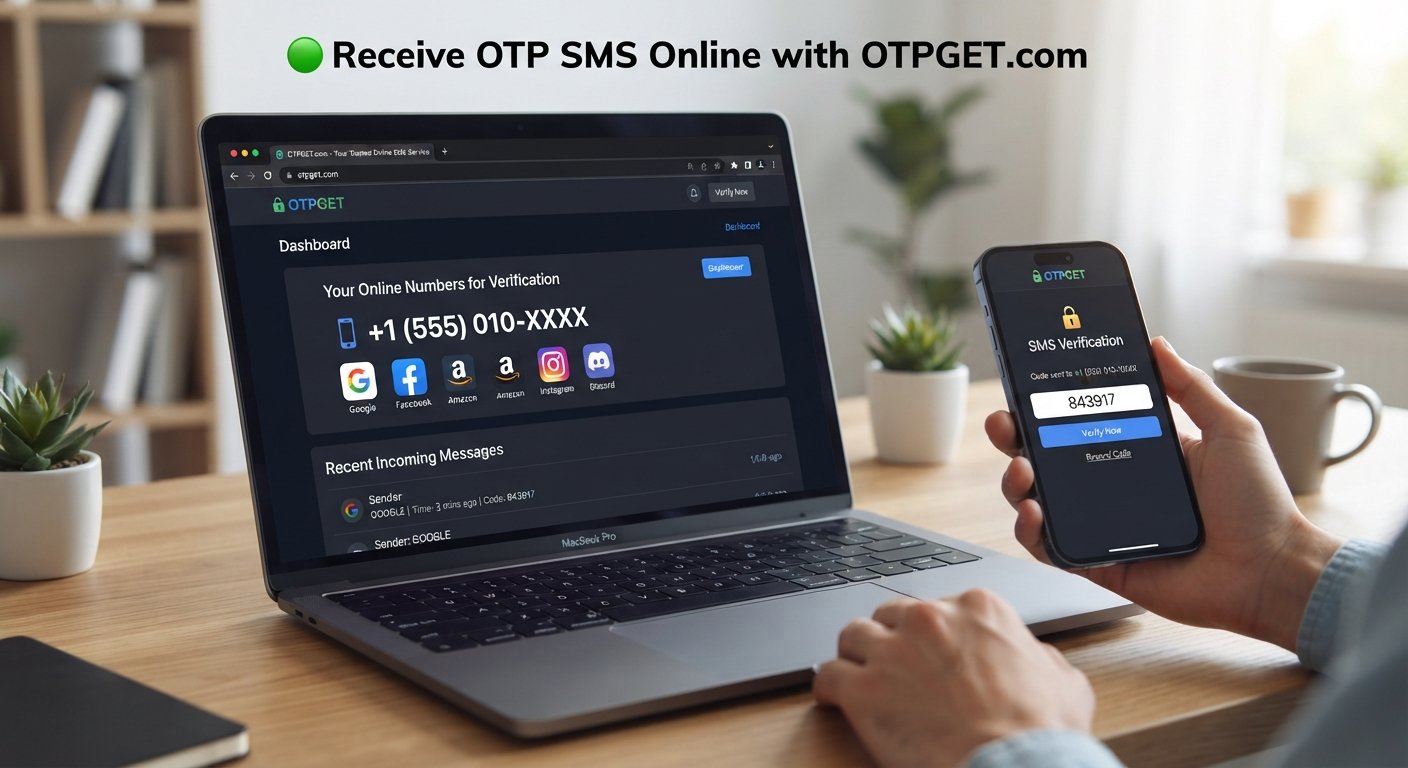
An online service may send a one-time password or confirmation code to a phone number during registration, login, or another verification process. When virtual numbers are supported, users may be able to receive SMS online through their selected service.
A virtual SMS number can therefore be useful for certain permitted online SMS verification and communication scenarios.
The basic concept is straightforward:
- A service sends an SMS to the assigned number.
- The virtual number service receives the message.
- The message appears through the provider's supported interface.
- The user can view the OTP or other SMS content when appropriate.
There are important limitations. Some websites do not accept virtual or VoIP numbers. Others may require a mobile number from a particular region or carrier. Number availability and message support can also vary.
For these reasons, a virtual number should be viewed as a convenient communication option rather than a guaranteed solution for every verification system.
Users should also follow the terms of the platform they are verifying with and avoid using virtual numbers to bypass identity checks, security controls, or account restrictions.
How a Virtual Phone Number Works
Although the underlying technology can be complex, using a virtual number is generally straightforward.
1. Choose a Virtual Phone Number Service
Start by selecting a provider that offers the type of number and communication functionality you need.
Consider factors such as availability, supported regions, SMS or calling capability, pricing, number lifespan, and terms of use.
2. Select an Available Number
Depending on the service, you may be able to choose from available numbers or request a number for a particular region or use case.
Availability varies, so the desired country or number type may not always be offered.
3. Use the Number for a Permitted Purpose
Use the number for legitimate communication, registration, verification, or business activities where virtual numbers are accepted.
4. Receive SMS or Calls
If the selected service supports the required communication method, incoming messages or calls can be accessed through its supported interface.
5. Manage the Communication
The exact management options depend on the provider. Before choosing a service, make sure its functionality matches how you intend to use the number.
Why Choose OTPGET for Virtual Phone Number Services?
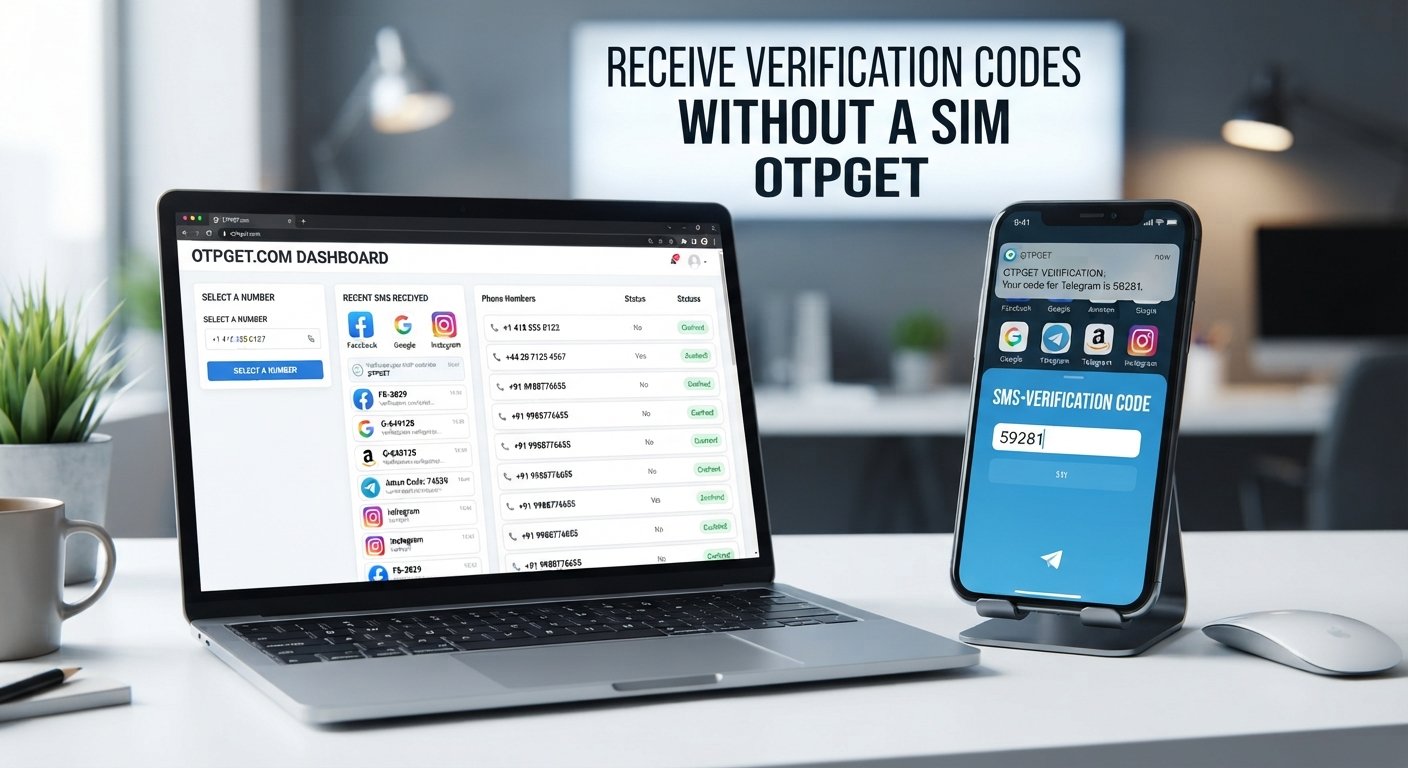
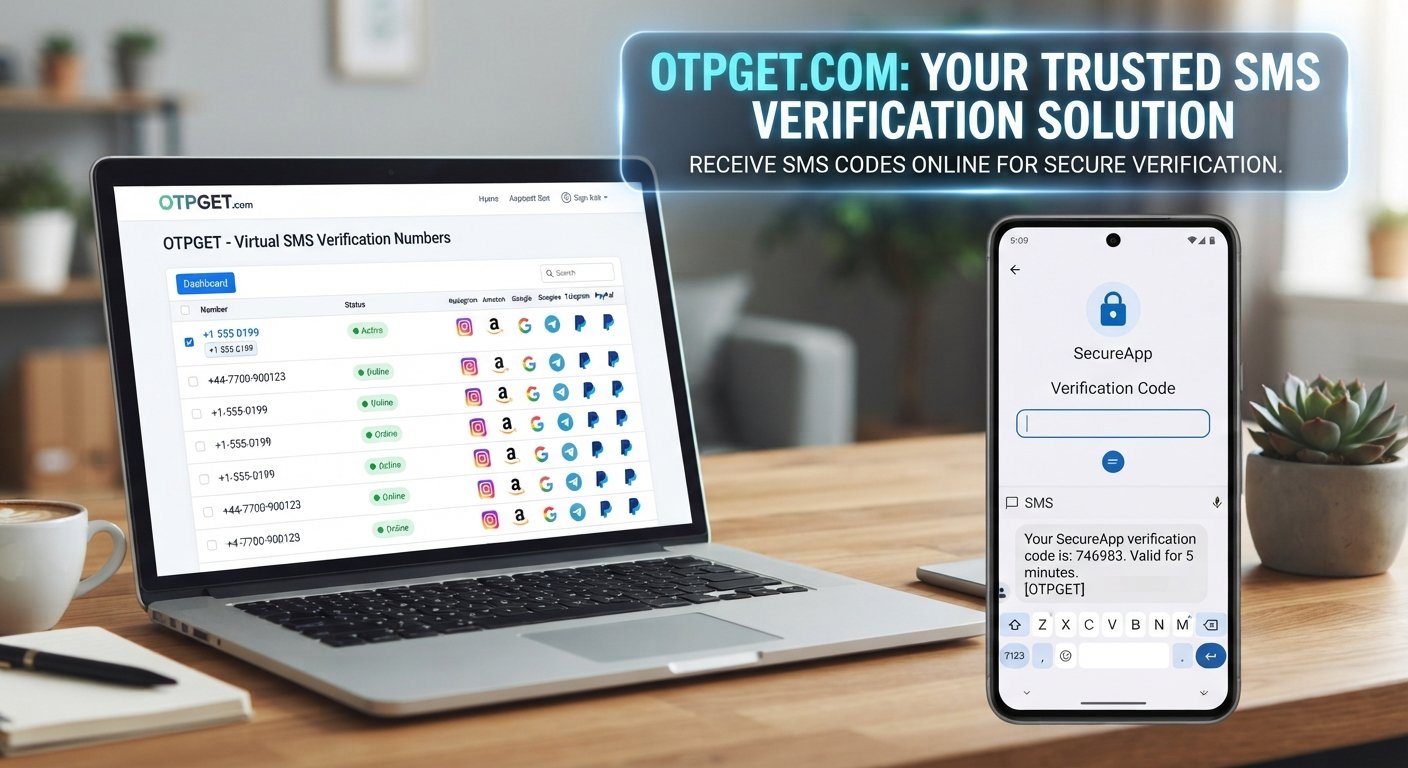
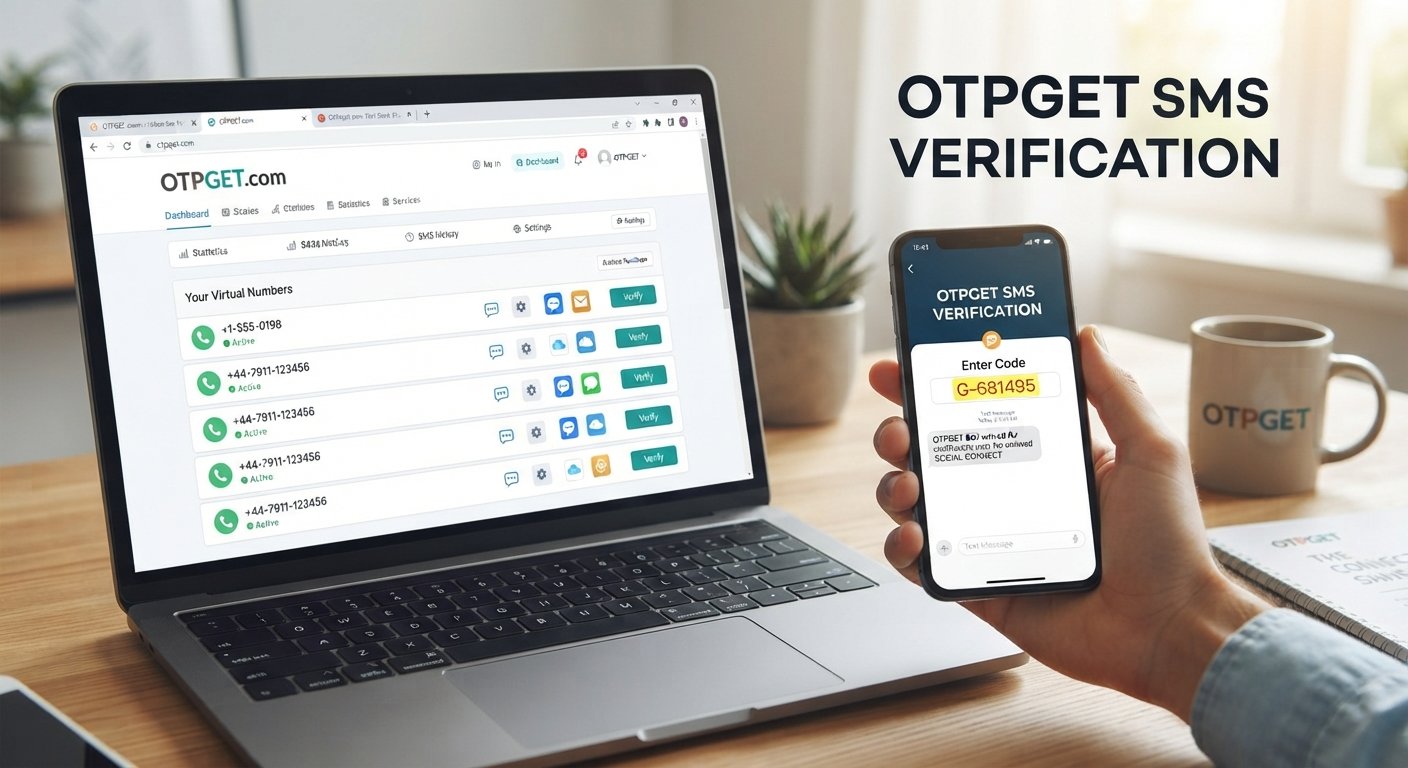
For users looking for a convenient virtual phone number service, OTPGET can be considered as a practical option for virtual number and SMS-related needs.
Its relevance is particularly clear for users who want to explore virtual numbers for permitted OTP, SMS, verification, or secondary communication purposes.
Rather than relying on a personal number for every online interaction, users can consider a separate virtual number where the relevant service accepts it.
Potential use cases include:
- Receiving supported SMS messages online
- Using a separate number for appropriate verification needs
- Keeping certain online communications separate from a primary number
- Exploring virtual numbers for secondary communication
- Supporting legitimate digital and remote communication needs
As with any virtual number provider, users should check the number's availability, intended use, compatibility, and applicable terms before proceeding.
For readers specifically looking for an [OTPGET Virtual Numbers], exploring the available options can be a logical next step after understanding how virtual numbers work and what limitations may apply.
Who Can Benefit From a Virtual Phone Number?
A virtual number can be useful for several types of users.
Online users: People who prefer not to provide their primary number for every legitimate online interaction can use a separate number where supported.
Freelancers: A dedicated number can help separate client conversations from personal communication.
Remote workers: Internet-based communication can be convenient for people who work from different locations or devices.
Small businesses: A dedicated business number can provide a more organized channel for customers and inquiries.
Entrepreneurs: A separate number can help establish a communication channel for a new project without immediately mixing business and personal contacts.
Customer support teams: Depending on the provider's functionality, virtual communication tools can support centralized or remote communication workflows.
The right setup depends on the user's requirements and the features offered by the selected provider.
Things to Consider Before Choosing a Virtual Number Service
Not every virtual number service works the same way. Before selecting one, consider:
- Number availability: Check whether the country or number type you need is available.
- SMS and call support: Confirm whether the service supports SMS, calls, or both.
- Reliability: Look for clear information about service operation and message handling.
- Privacy: Review what information the provider collects and how account and number data are handled.
- Number lifespan: Temporary and longer-term numbers can have different availability periods.
- Service compatibility: Confirm whether the website or application you intend to use accepts virtual numbers.
- Pricing transparency: Check the actual costs, renewal terms, and any applicable charges.
- Terms of use: Make sure your intended activity is permitted.
- Customer support: Consider whether help is available if you encounter a technical issue.
Taking a few minutes to check these points can prevent problems later.
Virtual Phone Number vs. Traditional Phone Number
Both types of numbers can serve legitimate communication needs, but they operate differently.
| Feature | Virtual Phone Number | Traditional Phone Number |
|---|---|---|
| Physical SIM | Usually not required | Commonly uses a physical SIM or mobile connection |
| Internet access | Typically relies on internet-based services | Not necessarily required for basic mobile service |
| SMS capability | Depends on provider and number type | Commonly supported |
| Flexibility | Often designed for flexible online access | Typically tied more closely to a mobile carrier |
| Business use | Can provide dedicated business communication | Can also support business communication |
| Privacy separation | Useful for maintaining a separate number | Requires another SIM/line for similar separation |
| Device dependence | May be accessible through supported online interfaces | Usually associated with a physical device/SIM |
Neither option is universally suitable for every situation. The right choice depends on your communication needs, location, budget, compatibility requirements, and preferred level of flexibility.
Frequently Asked Questions
What is a virtual phone number?
A virtual phone number is a number managed through an internet-based or cloud-based service rather than being dependent on a traditional physical SIM in the same way as a conventional mobile number. Depending on the provider, it may support SMS, calls, or both.
Can I use a virtual phone number to receive OTPs?
Yes, a virtual number can sometimes be used to receive OTPs when the relevant website or service accepts that type of number. However, some platforms restrict virtual or VoIP numbers, so compatibility should always be checked.
How does online SMS verification work?
With SMS verification online, a service sends a confirmation message to a supported phone number. If the number is compatible with the service, the message can be received through the virtual number provider's supported interface.
Is a virtual phone number the same as a temporary phone number?
Not necessarily. A virtual phone number describes how the number operates, while a temporary phone number describes how long or for what purpose it is intended to be used. A virtual number can be temporary or longer-term depending on the service.
Can businesses use virtual phone numbers?
Yes. Businesses can use virtual numbers for customer communication, team workflows, remote operations, and separating professional contacts from personal numbers. The appropriate setup depends on the provider's features and the organization's needs.
Can a virtual number replace my personal number?
It can replace a personal number for some communication purposes, but it may not be suitable for every situation. Important services may require a conventional mobile number, and some platforms do not accept virtual numbers.
Why might some websites reject virtual phone numbers?
Websites may restrict virtual or VoIP numbers as part of their security, verification, fraud-prevention, or service policies. This is why users should check the requirements of the specific platform rather than assume that every number will work.
Final Thoughts
A virtual phone number can provide a practical way to create separation between personal, professional, and online communication.
The main benefits include flexibility, privacy-conscious number separation, convenient SMS access, business communication, and support for certain legitimate verification use cases.
At the same time, virtual numbers are not universally accepted. Number availability, SMS support, lifespan, pricing, privacy practices, and platform compatibility can all vary between providers.
For users exploring a convenient solution for virtual numbers and SMS-related needs, OTPGET is an option worth considering. Before choosing a number, review the available service options and make sure your intended use complies with the relevant platform and provider terms.
If you are looking for a practical [Virtual Phone Number Service] or need a suitable option for [Receive SMS Online], exploring OTPGET can be a sensible next step.