How Does an Online OTP Number Work? A Simple Guide
How Does an Online OTP Number Work?
Ever entered a phone number on a website and received a short code by SMS before you could continue? That code is an OTP, or One-Time Password. It is commonly used to confirm that a person has access to a particular phone number.
An online OTP number provides another way to receive these verification messages without necessarily using your primary personal number. Instead of relying on a physical SIM in your everyday phone, an online number can receive supported SMS messages through an online service.
But how does the process actually work? What is the difference between an online OTP number, a temporary phone number, and a virtual number? And what should you consider before using one?
This guide explains how online OTP verification works from start to finish, including practical considerations and how OTPGET can help when you need an online number for supported SMS verification use cases.
What Is an OTP Number?
OTP stands for One-Time Password. It is a temporary verification code generated by a website, application, or online service and sent to a user through an available communication channel, commonly SMS.
For example, you might enter your phone number while registering for a service. The service then sends a six-digit verification code. You enter that code into the verification form, and the service checks whether it matches the code it generated.
If it matches and has not expired, the verification can be completed.
This creates an additional verification step beyond simply entering a password or filling out a registration form.
A normal phone number is primarily an identifier for calls, messages, and other telecommunications services. An OTP verification number, by contrast, may be used specifically to receive verification messages from supported websites and applications.
The exact behavior depends on the number provider and the service sending the OTP.
How Does an Online OTP Number Work?
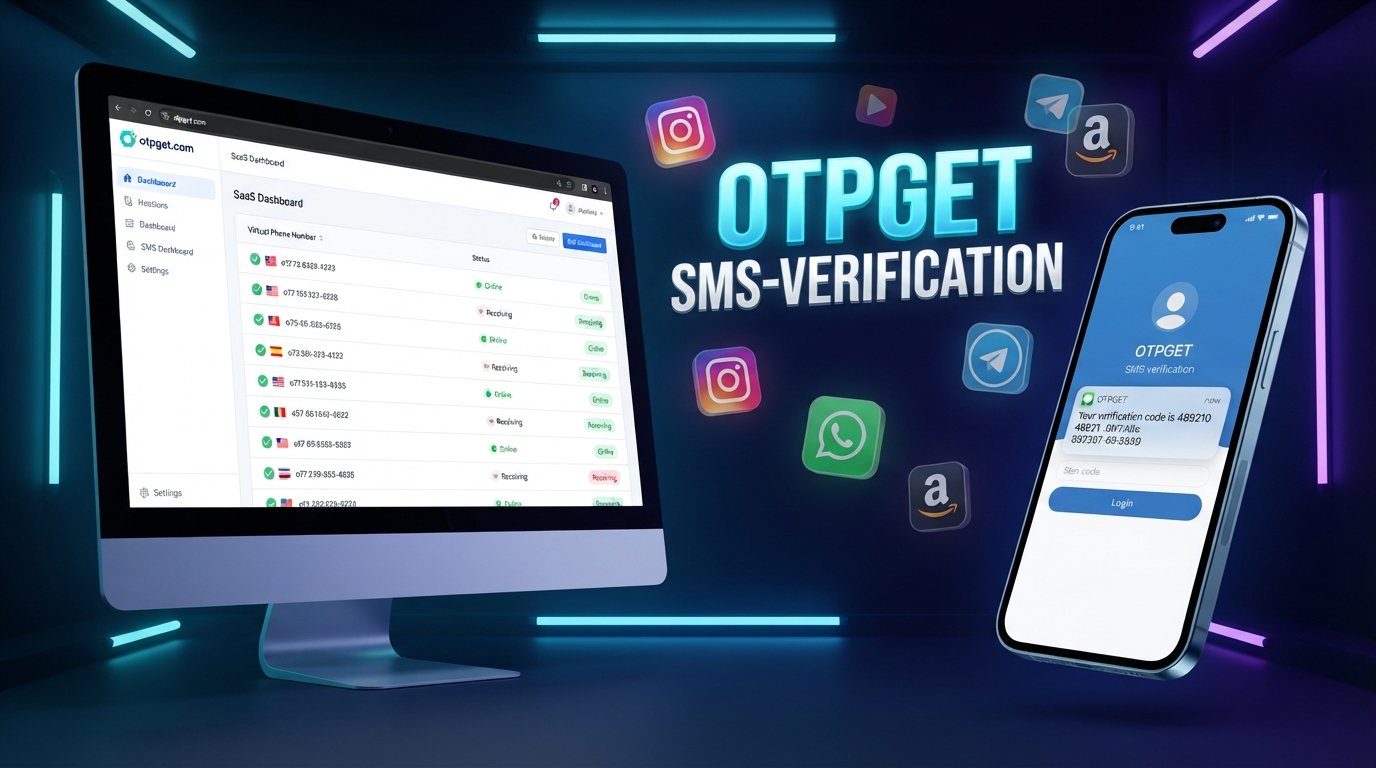
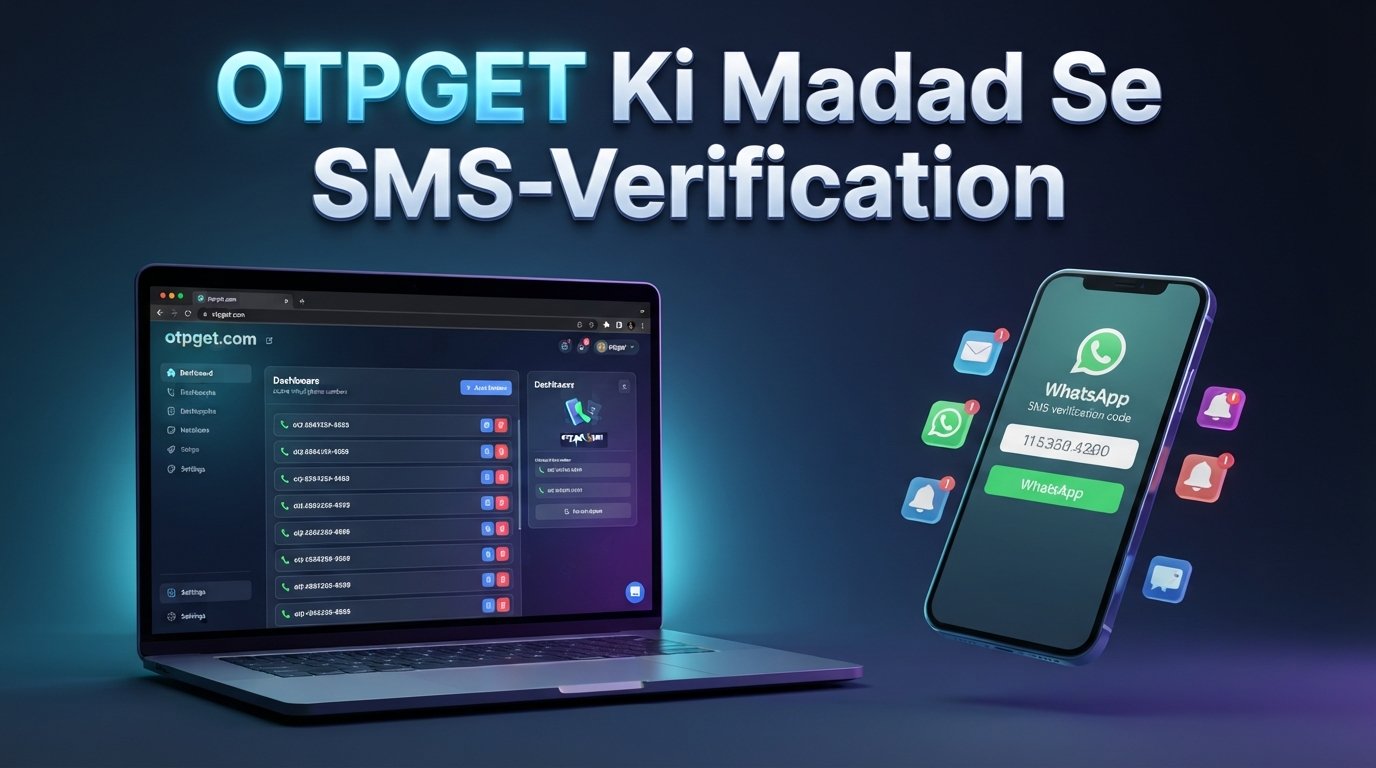
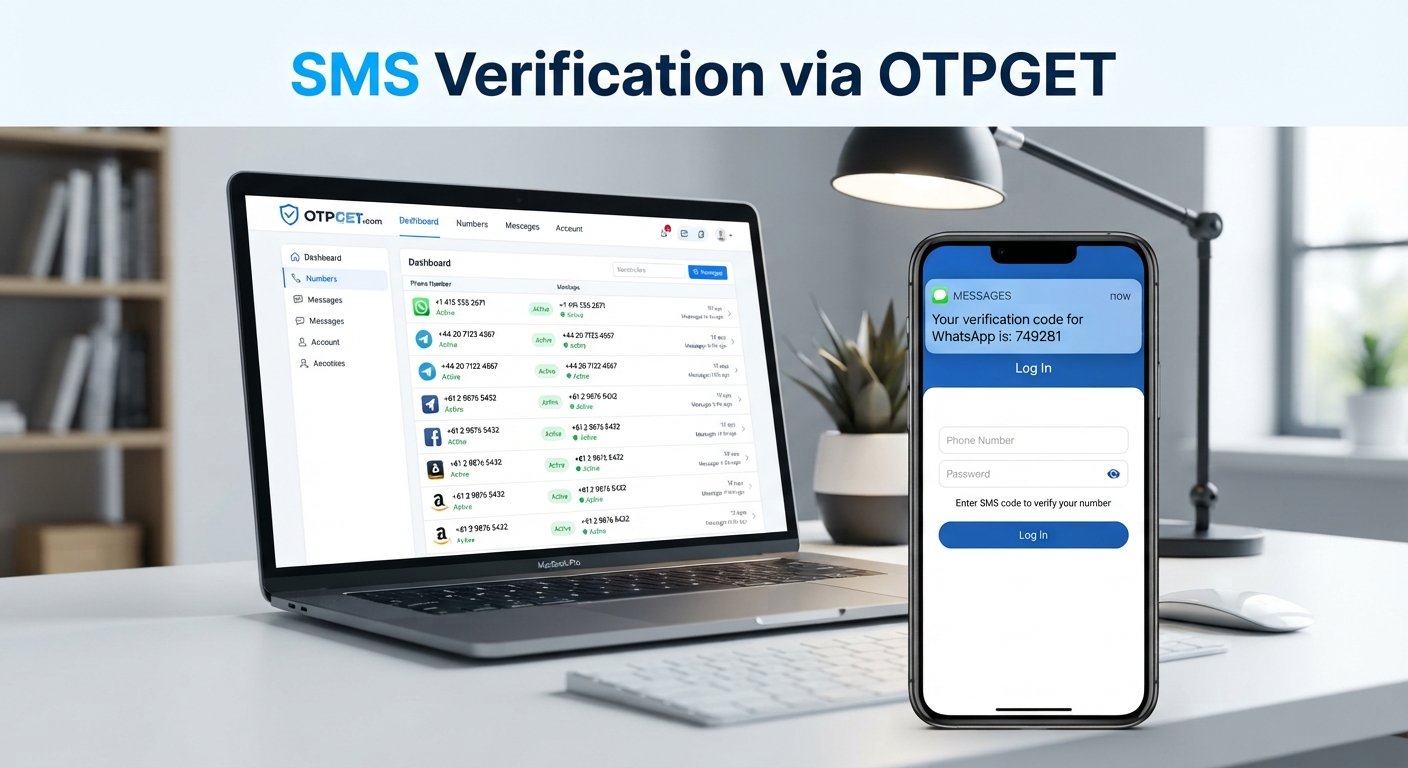
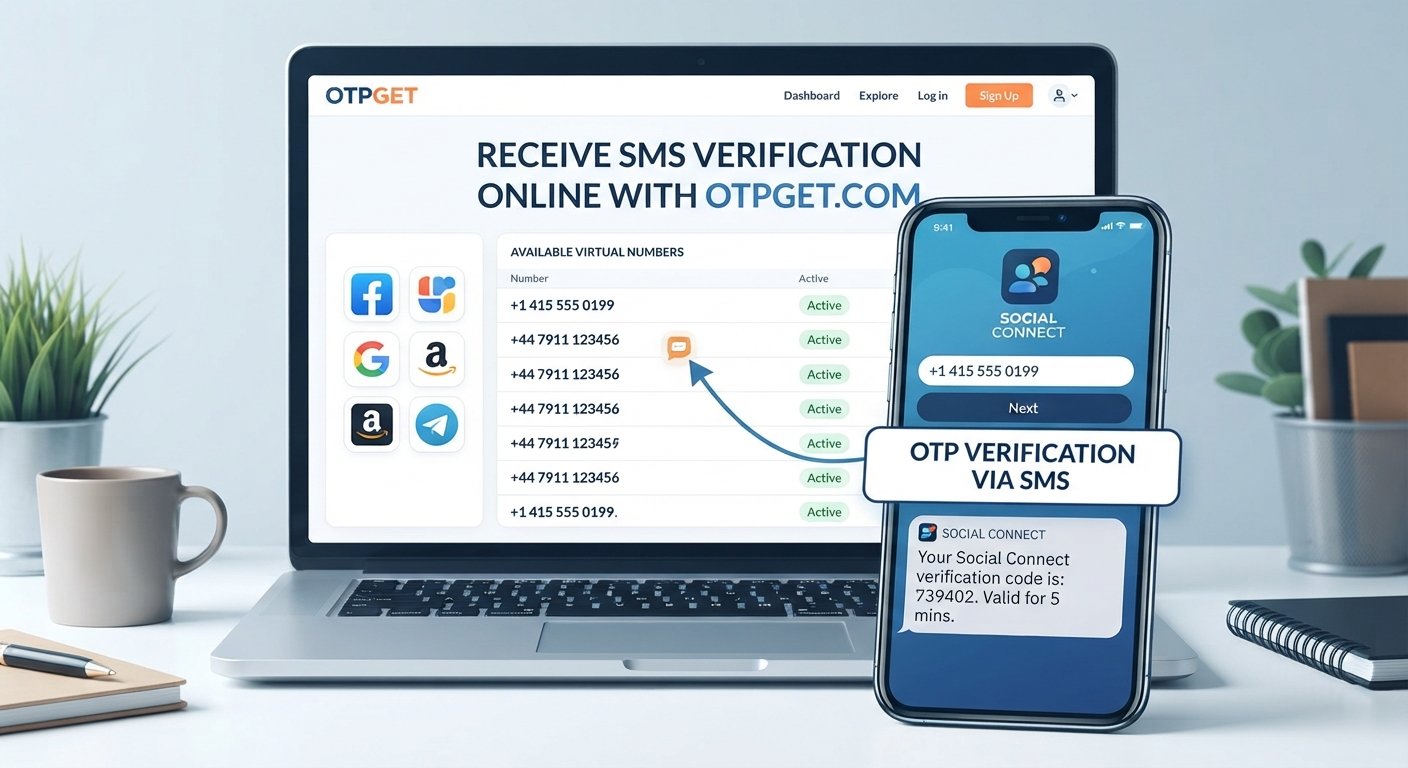
The basic process is straightforward. Think of an online OTP number as a destination for an SMS verification message.
Here is what typically happens:
- You enter a phone number.
During registration or another supported verification process, you provide an online number. - The service generates an OTP.
The website or app creates a one-time verification code. - The OTP is sent by SMS.
The service sends the SMS to the number you entered. - The online number receives the message.
If the number and service are compatible, the incoming SMS is made available through the relevant online interface. - You retrieve the verification code.
You view the SMS and identify the OTP or verification code. - You enter the code.
The code is submitted to the original website or application. - The service verifies it.
If the code is valid and has not expired, the verification process can continue.
Behind the scenes, the process involves telecommunications networks, SMS routing, number provisioning, and the systems operated by the website and number provider. For the user, however, the experience is usually as simple as receiving an SMS and entering the displayed code.
Why Do People Use Online OTP Numbers?
There are several legitimate reasons someone may prefer an online number for SMS verification.
Separating personal and online activity is one common reason. Someone may not want to use their everyday phone number for every website or service they interact with.
An online OTP number can also be useful when managing verification messages separately. Instead of having verification codes mixed with personal conversations, users can keep certain online verification activity in a separate environment.
Other potential use cases include:
- Registering for services that permit alternative phone numbers
- Testing applications or workflows where the use of such numbers is permitted
- Keeping online registrations separate from personal communications
- Receiving supported SMS verification messages
- Using a separate number for specific online activities
- Reducing unnecessary exposure of a primary phone number
The important point is that an online OTP number should be used in accordance with the rules of the website, application, or service involved. It should not be treated as a way to bypass identity checks, security controls, or platform restrictions.
Online OTP Number vs. Temporary Phone Number
These terms are related, but they are not always interchangeable.
An online OTP number generally describes a number used to receive OTPs or other verification SMS messages through an online service.
A temporary phone number is a broader term for a number intended for use over a limited period or for a particular purpose. Depending on the provider, it may receive SMS and potentially other types of communication.
A virtual phone number is a number that operates through an online telecommunications service rather than being tied to a traditional physical SIM in the same way as a conventional mobile number.
A disposable phone number generally emphasizes short-term or limited use. It may be useful for a specific online interaction but may not be suitable for long-term access or account recovery.
In practice, there can be considerable overlap between these categories. The important details are how long the number remains available, whether incoming SMS is supported, whether the number can be reused, and whether the target service accepts that type of number.
How to Receive an OTP Online
If you need to receive an OTP online for a legitimate, supported verification process, the general workflow is simple.
1. Choose a legitimate online OTP service.
Look for a service that clearly explains how its numbers and SMS reception work.
2. Select an available number, where appropriate.
Availability can depend on the provider, location, and number type.
3. Enter the number on the service you're verifying.
Use the number only where the website or application permits it.
4. Wait for the verification message.
The website or app sends an SMS containing the verification code.
5. Retrieve the OTP.
Check the relevant online interface for the incoming SMS.
6. Enter the verification code.
Return to the original verification screen and enter the code.
7. Complete verification.
If the code is valid and accepted, the service can complete its verification process.
There is an important limitation: not every website accepts every online number. Compatibility can depend on the website's verification policies, the carrier associated with the number, country or region, number type, and other technical factors. An OTP may also be delayed or unavailable for reasons outside the number provider's control.
OTPGET: A Practical Solution for Online OTP Numbers
For readers looking for an online OTP number, OTPGET offers a practical option for accessing online numbers for supported SMS and OTP verification use cases.
The basic idea is simple: instead of relying on your primary personal phone number for every online verification request, you can use an available online number through the service when appropriate.
This can make the process more convenient when you want to keep verification activity separate from your everyday number.
OTPGET can be particularly relevant when you need to:
- Access an online number for supported verification purposes
- Receive an OTP through an online interface
- Keep certain verification activity separate from a personal number
- Simplify the process of receiving an SMS verification code
The exact availability and behavior of any number can depend on the number itself and the service sending the SMS. As with any online OTP service, compatibility should be considered before starting a verification process.
If you regularly need an online phone number for SMS verification, exploring OTPGET can be a practical next step. Choose a number that fits your intended use and always follow the verification rules of the website or app you are using.
What Should You Consider Before Using an Online OTP Number?
An online OTP number can be convenient, but it is worth checking a few details before using one.
Does the target service accept it?
Some websites and applications may restrict virtual, temporary, or certain types of phone numbers. Check the service's verification requirements before relying on a number.
Is the number available?
Online numbers can have limited availability. Country, carrier, and number type may affect which options are accessible.
Will the SMS arrive?
SMS delivery can depend on several systems. Delays, routing issues, carrier behavior, or restrictions imposed by the receiving service can affect delivery.
Is the number temporary?
Find out whether the number expires, changes, or can later be assigned to another user. This matters if you expect to need the number again.
What happens with account recovery?
A temporary number may not be appropriate for an important account that you expect to access for a long time. If the number later becomes unavailable, you may not be able to receive future recovery codes.
What are the service's rules?
Always follow the terms and verification policies of the website or application. An online number should be used for permitted purposes rather than as a method of circumventing security requirements.
Are Online OTP Numbers Safe?
The safety of an online OTP number depends on the service providing the number, how the number is managed, and how you handle the verification codes.
An OTP should be treated as sensitive information. Never share a verification code unnecessarily, especially with someone who contacts you and asks you to forward it.
It is also sensible to use reputable services and understand whether a number is temporary, reusable, or subject to expiration.
For important accounts, consider whether you may need the same phone number later for password recovery, two-factor authentication, or account restoration. A temporary number may not be suitable for those situations.
Most importantly, using an online OTP number does not remove the need to follow the security requirements of the website or application. The number is simply one part of the verification process.
Common Questions About Online OTP Numbers
What is an online OTP number?
An online OTP number is a phone number accessed through an online service that can receive supported SMS messages containing one-time passwords or verification codes.
How does an online OTP number work?
A website sends an SMS verification code to the number. The online number receives the message, and the user retrieves the OTP and enters it into the original verification form.
Can I receive an OTP online?
Yes, you can receive supported OTP messages through an online number service. However, whether a particular website accepts the number depends on its verification policies and technical compatibility.
What is the difference between an OTP number and a temporary phone number?
An OTP number generally refers to a number used to receive verification codes, while a temporary phone number emphasizes limited-duration use. The two can overlap depending on the provider.
Can every website accept an online OTP number?
No. Websites and apps can apply their own rules regarding virtual, temporary, or online numbers. Compatibility can also vary by country, carrier, and number type.
Is an online OTP number suitable for account recovery?
Not always. If a number is temporary, expires, or may become unavailable, it can create problems when you later need a recovery code. Important long-term accounts generally require a reliable recovery method.
Why might an OTP not arrive?
An OTP can fail to arrive because of SMS delays, carrier or routing issues, number availability, incorrect information, or restrictions imposed by the service sending the code.
What is OTPGET?
OTPGET is an online OTP number service that provides access to online numbers for supported SMS and OTP verification use cases. Availability and compatibility depend on the number and service involved.
Final Thoughts
An online OTP number provides a simple way to receive supported verification messages without necessarily using your primary personal phone number. The process is straightforward: a service sends an OTP by SMS, the online number receives it, and you enter the verification code to complete the required step.
Temporary and virtual numbers can be useful for appropriate online registrations, testing, and separating verification activity from personal communications. However, compatibility, availability, expiration, account recovery, and service policies should always be considered.
If you need an online number for supported SMS verification, OTPGET is an option worth exploring. Use the service responsibly, protect your verification codes, and make sure your chosen number is appropriate for the website or application you are accessing.