How to Choose a Reliable Virtual Number Provider for SMS | OTPGET
How to Choose a Reliable Virtual Number Provider
You sign up for an online service, enter your phone number, and wait for the verification code. Nothing arrives. You request another code, wait again, and still get nothing.
When an SMS or OTP is required to complete an important step, the virtual number provider behind that message matters more than it may seem.
A virtual number can be useful for SMS verification, online accounts, privacy-conscious workflows, testing, and other legitimate online services. But not every provider offers the same number availability, message handling, service compatibility, or user experience.
This guide explains how to evaluate a reliable virtual number provider, what to look for before choosing a service, which mistakes to avoid, and how OTPGET can fit into your virtual number and SMS verification needs.
Why Choosing the Right Virtual Number Provider Matters
Virtual numbers have become a practical option for people who need to receive SMS without relying on their primary mobile number for every online interaction.
Common use cases include:
-
Receiving verification codes for supported online services
-
Separating personal and online-service communications
-
Testing SMS-based workflows
-
Using a number for a specific online verification task
-
Managing verification messages without exposing a primary phone number
However, having a virtual phone number is only useful if it works for the service and purpose you have in mind.
An unreliable provider can create unnecessary friction. A number may be unavailable, a message may be delayed, or the particular online service may not accept that type of number. Some numbers may also have usage or expiration limitations that are easy to overlook.
That is why choosing a provider should involve more than searching for the lowest price. You need to consider availability, SMS and OTP support, privacy, usability, compatibility, and the provider's terms.
What Is a Virtual Number?
A virtual phone number is a phone number that operates through a communications service rather than being tied directly to a traditional physical SIM in the way a conventional mobile number is.
Depending on the service, a virtual number can be used to receive SMS messages, including verification codes and other communications sent by supported online platforms.
For example, imagine you need a separate number for an online service that requires phone number verification. Instead of using your personal mobile number, you may choose a virtual number that is suitable for that specific purpose.
Virtual numbers can be useful when you want separation between personal communications and online verification activities. They can also support workflows where receiving SMS online is more convenient than managing another physical SIM.
The important point is that virtual numbers are not automatically interchangeable. Their capabilities, availability, duration, and compatibility can vary by provider and service.
7 Things to Look for in a Reliable Virtual Number Provider
1. Number Availability
Number availability should be one of the first things you check.
If you need a number from a particular country or region, the provider needs to offer suitable options. Availability can also matter when a specific service requires a number from an accepted location.
Before choosing a virtual number provider, consider:
-
Which countries or number types are available
-
Whether numbers are currently available for your intended purpose
-
How numbers are selected
-
Whether availability can change
-
How long a number remains accessible
A provider with options that match your actual requirements is more useful than one with a large selection you cannot use.
2. SMS and OTP Receiving Capability
If your main goal is to receive OTP online, SMS capability is essential.
Check whether the service is designed to receive the types of messages you need, including SMS verification codes and other automated messages. The ability to display incoming messages clearly is also important.
A good verification workflow should make it straightforward to select a number, wait for the message, identify the verification code, and complete the intended process.
Remember that support for SMS does not necessarily mean every platform will accept every number. Always consider the requirements of the specific service you plan to use.
3. Reliability and Message Delivery
Reliability is especially important when a verification code is time-sensitive.
Consider how the provider handles incoming messages and what happens if a message is delayed or unavailable. You should also understand whether numbers can become unavailable and whether the service explains relevant limitations.
No virtual number service can reasonably promise that every third-party platform will send or accept a verification message successfully. The external service, its policies, network conditions, and number type can all affect the experience.
The goal is to choose a provider with a clear and practical approach to SMS and OTP receiving rather than assuming every verification attempt will work identically.
4. Coverage and Supported Services
A virtual number is only useful if it works with the online service you need.
Before selecting a provider, identify the platform or platforms where you plan to use the number. Then check whether the provider indicates support for those services.
This is particularly important for users searching for a virtual number for verification. Different platforms can have different rules regarding virtual, temporary, or previously used numbers.
If compatibility information is unclear, treat that as something to investigate before committing to the service.
5. Privacy and Data Handling
Privacy deserves careful attention whenever SMS messages and phone numbers are involved.
Read the provider's available information about account data, number usage, message handling, retention, and other relevant policies. You should understand what information the service collects and how the virtual number and incoming messages are managed.
If privacy is one of your reasons for choosing an online virtual number, do not assume that every virtual number service offers the same level of privacy. Review the provider's own policies and terms before using it.
A private virtual number can be useful for separating verification activity from your primary number, but privacy expectations should always match the provider's documented practices.
6. Ease of Use
The technical side should not make a simple verification workflow unnecessarily complicated.
Look for a service that makes important actions easy to understand, such as:
-
Selecting or obtaining a number
-
Viewing incoming SMS messages
-
Finding verification codes
-
Managing your account
-
Understanding number status or availability
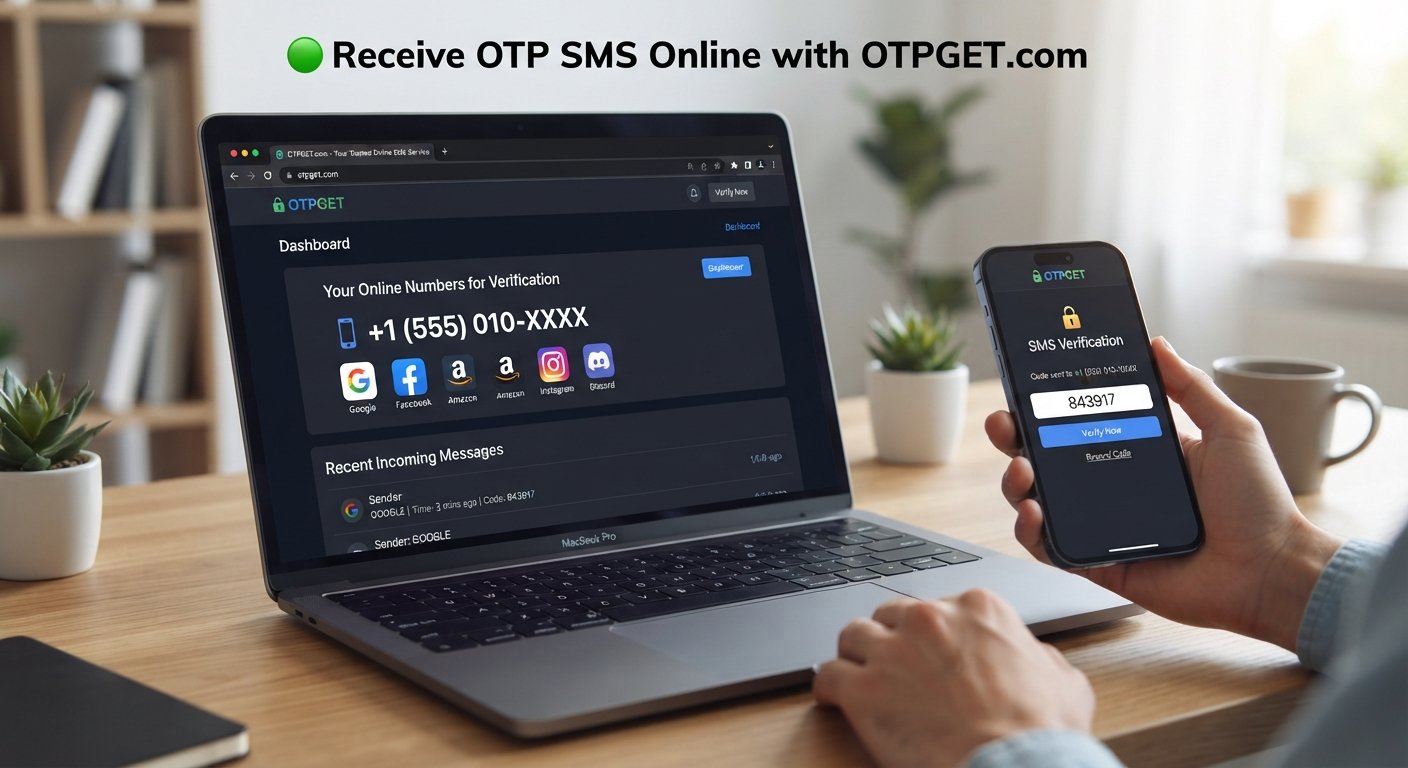
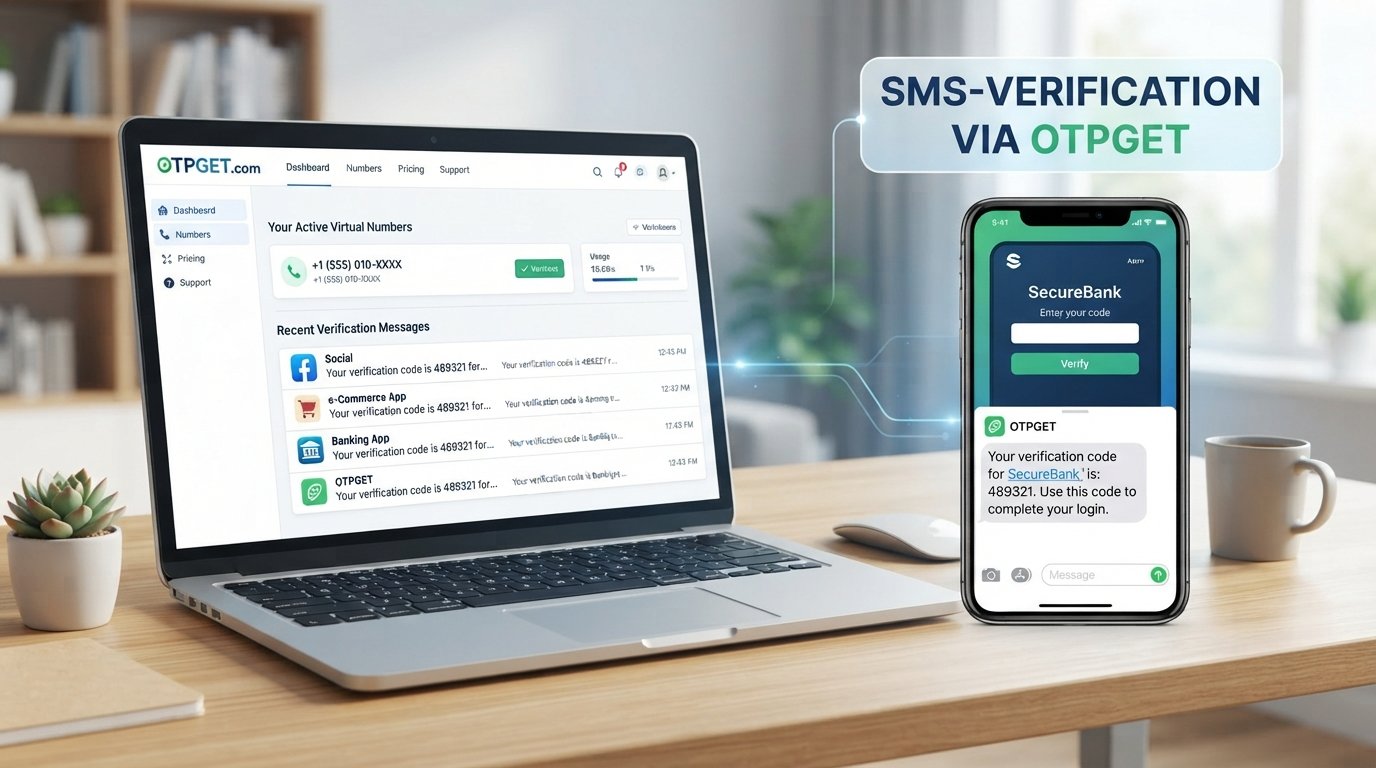
A clean dashboard can make a noticeable difference when you need to receive a verification code and complete a task without navigating through unnecessary steps.
7. Pricing and Transparency
Price matters, but the cheapest option is not automatically the most suitable.
Compare the complete service conditions, including:
-
Number pricing
-
Usage limitations
-
Availability
-
Number duration
-
Expiration rules
-
Renewal or replacement conditions
-
Any other restrictions relevant to your intended use
Transparent information helps you understand what you are actually paying for.
Instead of asking only, "How much does this number cost?" ask, "Does this service provide the number, access, compatibility, and duration I actually need?"
Why OTPGET Can Be a Practical Choice
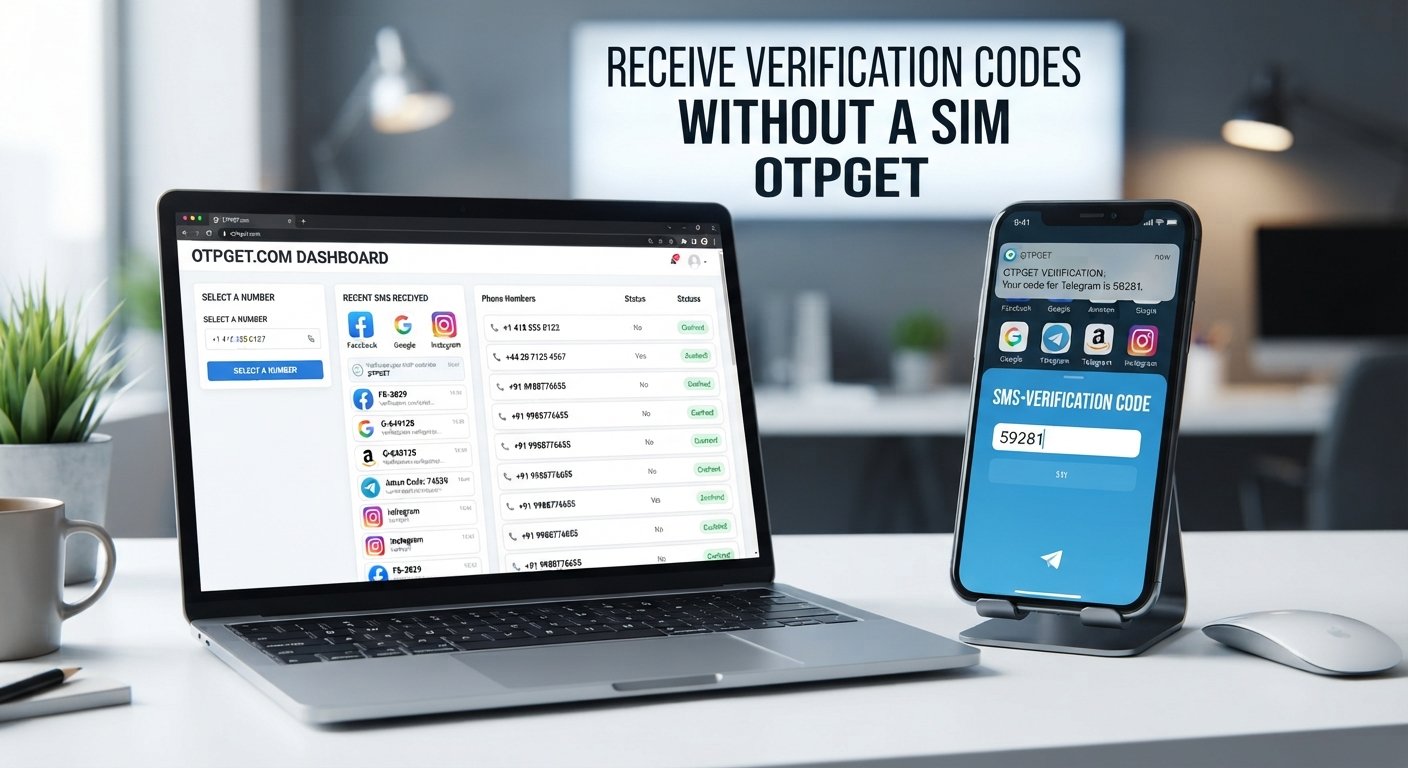
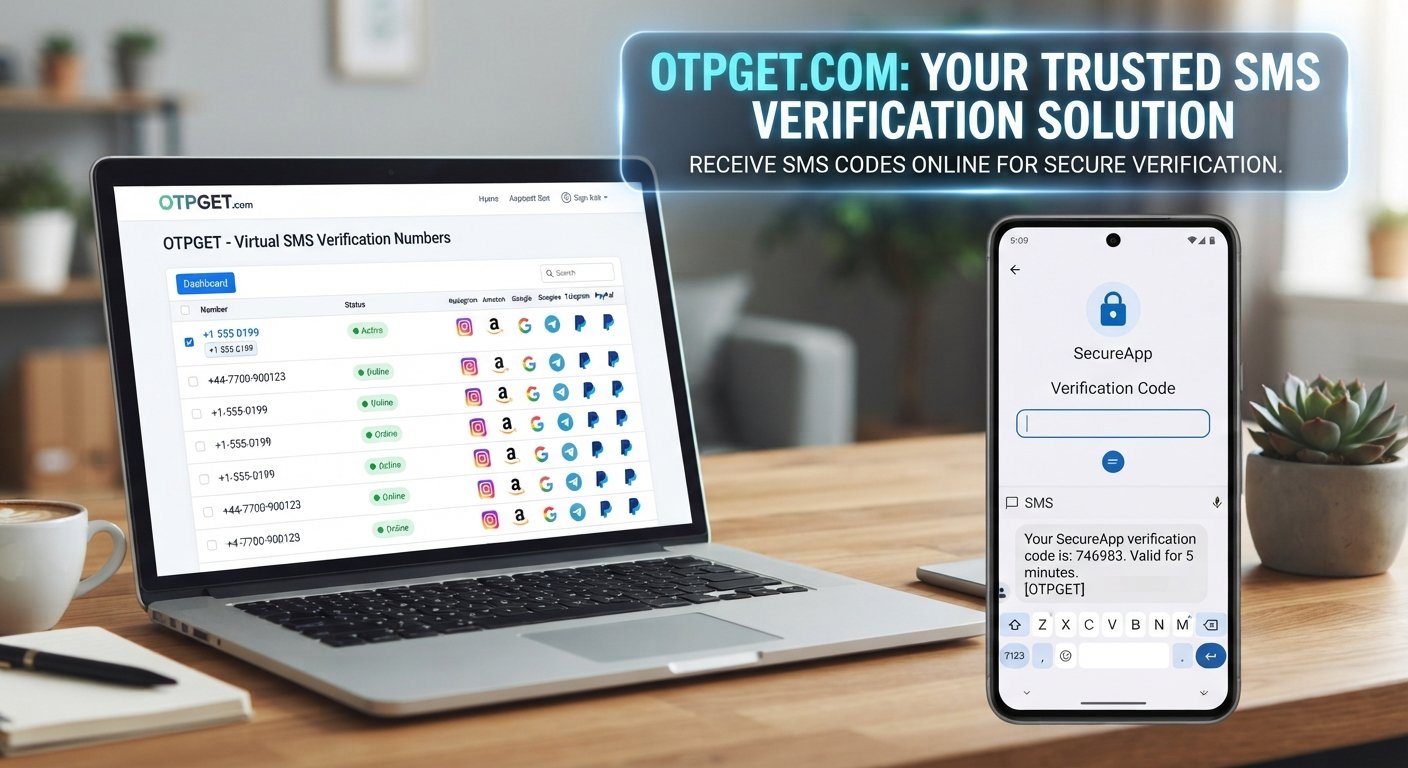
For readers looking specifically for a virtual number service for online verification, OTPGET provides a solution centered on virtual numbers, SMS verification, and receiving OTPs.
The platform can be useful for workflows where you need a virtual number to receive verification messages rather than using your primary phone number for every online interaction.
That makes it relevant to people looking for a virtual number for SMS verification, an SMS verification number, or a practical way to receive verification codes online.
The key is to match the service to your particular requirement. Before using any virtual number, consider the country, platform, message type, number availability, and any applicable service limitations.
Rather than treating a virtual number as a one-size-fits-all solution, think of OTPGET as an option to consider when your workflow calls for a dedicated number for supported verification purposes.
[Internal Link Opportunity: OTPGET virtual numbers]
[Internal Link Opportunity: OTP verification services]
Virtual Number vs. Temporary Phone Number: What's the Difference?
The terms "virtual number," "temporary phone number," and "disposable phone number" are sometimes used interchangeably, but they can describe different types of services.
A virtual number generally refers to a phone number provided through an online communications system rather than a traditional physical mobile line. Depending on the service, it may be available for a particular period or purpose.
A temporary phone number is typically intended for short-term use. It may be suitable when you only need a number for a limited verification workflow.
A disposable phone number usually emphasizes short-term or limited use, after which the number may no longer be accessible.
The right option depends on your needs. If you expect to need access to the same number again, number duration and availability become particularly important. Always check the provider's rules before assuming a number will remain available.
Common Mistakes to Avoid When Choosing a Virtual Number Provider
Choosing a provider becomes easier when you know what can go wrong. Avoid these common mistakes:
-
Choosing only based on price: A low price does not tell you whether the number fits your requirements.
-
Ignoring number availability: The provider may not have the country or number type you need.
-
Not checking supported services: A number that receives SMS may not be accepted by every platform.
-
Assuming every virtual number works everywhere: Third-party services can apply their own verification rules.
-
Ignoring privacy policies: Understand how account information, numbers, and messages are handled.
-
Failing to check expiration or reuse policies: A temporary number may not be available when you need it later.
-
Choosing a confusing interface: Difficulty finding incoming messages can slow down a simple verification task.
-
Expecting guaranteed OTP delivery: Delivery depends on multiple factors, including the third-party service sending the message and whether it accepts the number.
A few minutes of research before selecting a service can prevent unnecessary problems later.
How to Choose the Right Provider for Your Needs
The easiest way to compare providers is to start with your actual use case.
Use this checklist:
-
Define why you need the number. Is it for SMS verification, receiving an OTP, testing, privacy separation, or another legitimate purpose?
-
Identify country requirements. Determine whether you need a number from a specific country or region.
-
Check SMS and OTP support. Make sure the provider's service matches the messages you need to receive.
-
Review number availability. Confirm that suitable numbers are available before relying on the service.
-
Check service compatibility. Review whether the online platform you need to use accepts the relevant number type.
-
Compare pricing and limitations. Look beyond the headline price and review duration, availability, and usage conditions.
-
Read privacy and service information. Understand how the provider handles numbers, messages, and account information.
-
Evaluate the user experience. A straightforward dashboard can make receiving verification codes much easier.
-
Choose based on your specific requirements. The right provider is the one whose capabilities and conditions align with your particular workflow.
OTPGET can be included in this evaluation if you are looking for a dedicated virtual number solution for SMS and OTP verification.
Is OTPGET Right for You?
OTPGET may be worth considering if you need a virtual number for online verification and want a dedicated solution for receiving supported SMS or OTP messages.
It can be particularly relevant when you want to separate verification activity from your primary phone number or need an online virtual number for a specific workflow.
The important step is to check your requirements first. Consider the service you need to verify, the number type and country required, how long you need access, and any limitations that may apply.
If those requirements align with what you are looking for, OTPGET can be a practical option to explore.
Final Thoughts
Choosing a reliable virtual number provider is about more than obtaining a phone number online. You need to consider whether the service fits your verification workflow, supports the SMS or OTP messages you need, offers suitable number availability, and provides clear information about privacy, usability, pricing, and limitations.
Before choosing a provider, check:
-
Reliability and message handling
-
SMS and OTP support
-
Number and country availability
-
Compatibility with your intended service
-
Privacy and data handling
-
Ease of use
-
Pricing and service transparency
If you are looking for a virtual number solution for SMS verification or receiving verification codes online, explore OTPGET and see whether its virtual number services fit your specific needs.
Explore OTPGET
Looking for a practical way to manage virtual numbers and SMS verification? Explore OTPGET to learn more about its virtual number solution and determine whether it fits your online verification workflow.
Frequently Asked Questions
What is a virtual number provider?
A virtual number provider supplies phone numbers that operate through an online communications service rather than requiring a traditional physical mobile line. Depending on the provider and number type, these numbers may support SMS, calls, or specific verification workflows. When choosing a provider, consider availability, supported services, privacy practices, number duration, usability, and pricing.
How does a virtual phone number work?
A virtual phone number is managed through an online platform rather than being directly tied to a physical SIM in the traditional sense. When a supported SMS is sent to the number, the provider may make the message available through its service interface. Exact functionality depends on the provider, number type, and intended use.
Can I use a virtual number for SMS verification?
Yes, virtual numbers can be used for SMS verification when the provider supports incoming SMS and the third-party service accepts that type of number. Compatibility is important because online platforms can have their own verification requirements. Before choosing a number, check whether it is suitable for the specific service where you need to complete phone number verification.
Can I receive OTPs online with a virtual number?
A virtual number can allow you to receive supported OTP messages through an online service. The process generally involves selecting a suitable number, using it with the relevant verification workflow, and viewing the incoming SMS through the provider's platform. Whether an OTP arrives successfully also depends on the service sending the message and its acceptance of the number.
What should I check before choosing a virtual number provider?
Start by identifying your purpose, required country, and target service. Then check number availability, SMS and OTP capabilities, service compatibility, privacy practices, number duration, pricing, limitations, and ease of use. A provider should be evaluated according to your actual requirements rather than based solely on price or the number of options displayed.
What is the difference between a temporary and virtual phone number?
A virtual phone number describes how a number is provided and managed online, while a temporary phone number generally emphasizes limited-duration access. A temporary number can be virtual, but not every virtual number is necessarily intended for short-term use. Check the provider's expiration, access, and reuse policies to understand how long you can use a particular number.
Is OTPGET a virtual number provider?
OTPGET is positioned as a virtual number solution for online verification workflows, including receiving supported SMS and OTP messages. If you need a virtual number for verification, you can consider OTPGET based on your specific requirements, including the intended service, number availability, SMS needs, duration, and applicable service conditions.
How do I choose a reliable virtual number for verification?
Begin by identifying the platform and type of verification you need. Then check whether suitable numbers are available, whether SMS and OTP messages are supported, and whether the intended service accepts the number type. Also review privacy information, pricing, expiration rules, and usability. This approach helps you choose a virtual number service that matches your particular verification workflow.