How to Test Apps With Temporary Numbers: Complete Guide
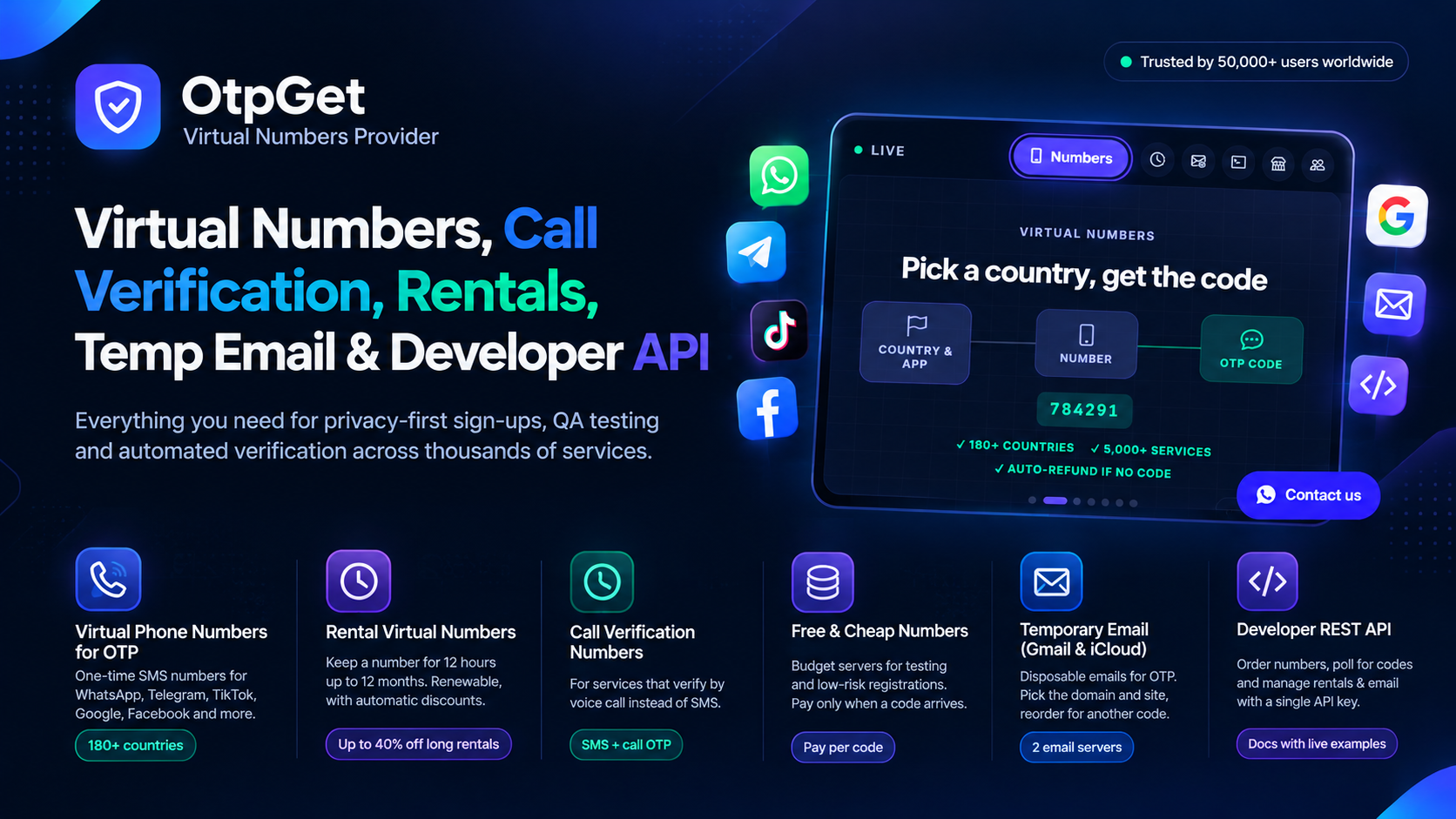
Image Alt Suggestion
How to Test Apps With Temporary Numbers using secure OTP verification and temporary phone numbers
How to Test Apps With Temporary Numbers
Introduction
Building and launching a mobile app requires extensive testing before real users interact with it. However, one of the biggest challenges developers and QA teams face is testing features that depend on phone verification.
Many apps require users to enter a phone number, receive OTP codes, and complete verification before accessing an account. Testing these systems repeatedly with personal numbers can create privacy concerns, account restrictions, and unnecessary complications.
That is where temporary phone numbers become valuable. They allow developers, testers, and businesses to verify app features without exposing personal contact details.
If you want to understand how to test apps with temporary numbers, the process is simple. Platforms like OtpGet provide convenient temporary numbers that help users receive OTP online, test SMS verification systems, and complete app testing workflows more efficiently.
Whether you are testing a signup process, authentication system, or mobile application feature, using a dedicated temporary verification number can make testing faster, safer, and more organized.
Why App Testing Requires Temporary Numbers
Modern applications often depend on phone verification to confirm user identity and prevent misuse. Because of this, developers need reliable ways to test these features during development and quality assurance.
A temporary number helps teams simulate real user experiences without connecting testing activities to personal phone accounts.
Some common reasons teams use temporary numbers include:
- Testing user registration flows
- Checking OTP delivery performance
- Verifying login authentication systems
- Testing account recovery features
- Running QA testing scenarios
- Performing SMS testing during development
For example, when developers create an app that requires phone verification, they must confirm that users can enter their details, receive a verification code, and successfully complete registration. A temporary mobile number allows testers to repeat this process multiple times without using their own phone number.
Additionally, temporary numbers are useful for testing applications across different regions, devices, and environments. They provide a practical solution for teams that need multiple verification attempts during software testing.
Problems With Using Personal Phone Numbers
Using a personal phone number for app testing may seem convenient at first. However, it often creates problems as testing requirements grow.
Privacy Concerns
During development and QA testing, phone numbers may be shared among team members, stored in testing systems, or used repeatedly. This increases the risk of exposing personal information.
A temporary number provides privacy during testing by separating personal communication from development activities.
Account Restrictions
Many platforms limit how often a single phone number can be used for registration or verification. When developers need to test multiple accounts, personal numbers quickly become unsuitable.
Spam and Unwanted Messages
Repeated testing can result in receiving large volumes of SMS messages. Over time, this can create clutter and make personal devices harder to manage.
Testing Inefficiency
Switching between different personal numbers or asking team members to provide verification codes slows down development workflows.
A dedicated online verification number creates a cleaner testing environment and allows teams to focus on improving their applications.
Benefits of Temporary Phone Numbers
Temporary phone numbers provide several advantages for developers, businesses, and QA professionals.
Better Privacy Protection
A temporary number keeps personal contact information separate from testing activities. This is especially important when teams need to verify apps safely during development.
Faster Testing Workflows
Instead of waiting for personal devices or coordinating with multiple people, testers can quickly receive verification SMS and continue their work.
Easy Scalability
Large projects often require repeated verification testing. Temporary numbers make it easier to test multiple scenarios without managing many personal accounts.
Improved QA Testing
QA teams can evaluate registration systems, login processes, and authentication features using controlled testing methods.
Reduced Personal Exposure
A temporary phone number acts as a buffer between private communication and application testing. This makes it a practical choice for businesses that value security and organization.
Overall, temporary numbers help create a more flexible and efficient approach to SMS verification and app testing.
How to Test Apps With Temporary Numbers
If you want to know how to test apps with temporary numbers, follow these simple steps:
Step One: Choose a Reliable Temporary Number Platform
Start by selecting a secure temporary phone number provider that supports OTP delivery. OtpGet provides access to temporary numbers designed for receiving OTP online and testing verification systems.
Step Two: Select a Temporary Number
Choose an available temporary number based on your testing requirements. Depending on your project, you may need numbers for different regions or platforms.
Step Three: Enter the Number in Your App
Use the temporary number during your registration or authentication testing process. This allows you to test the complete user journey.
Step Four: Receive the OTP Code
Access the OTP message through the platform and confirm that your application correctly processes the verification code.
Step Five: Check the User Experience
Review whether users can successfully complete registration, login, or verification steps. Identify any delays, errors, or usability issues.
Step Six: Repeat Testing When Needed
For ongoing app testing, use temporary numbers to repeat verification scenarios and improve reliability.
With OtpGet, developers can simplify OTP testing by accessing temporary verification numbers without relying on personal phone accounts.
Why OtpGet Is a Reliable Choice for App Testing
Choosing the right OTP service can significantly improve your testing workflow. OtpGet offers a straightforward solution for developers, testers, and businesses that need temporary numbers for verification purposes.
Here are some reasons teams use OtpGet:
Simple User Experience
A clean interface helps users quickly find and manage temporary numbers without unnecessary complexity.
Reliable SMS Reception
OtpGet is designed to help users receive SMS online for verification purposes, making it easier to test registration and authentication features.
Supports Development Workflows
From startup projects to larger software environments, temporary numbers can support different testing requirements, including app testing, QA testing, and SMS verification.
Privacy-Focused Testing
Using temporary numbers helps reduce dependence on personal phone numbers and creates a more controlled testing process.
Convenient OTP Retrieval
When developers need to receive verification codes during testing, OtpGet provides an accessible way to manage temporary SMS messages.
For teams looking for a practical temporary number solution, OtpGet offers a convenient platform for testing applications, verifying workflows, and improving user experiences.
Best Practices for App Testing
Effective testing requires more than simply receiving OTP codes. Follow these practices to improve your results:
- Test different registration scenarios to identify possible issues.
- Check OTP delivery speed and reliability.
- Verify that expired codes are handled correctly.
- Test login systems across multiple devices.
- Protect testing data and avoid using unnecessary personal information.
- Document testing results for future improvements.
- Use separate testing environments whenever possible.
Additionally, developers should review security guidelines from trusted resources such as Google documentation, OWASP security guidance, Android Developers resources, and Apple Developer Documentation when building authentication systems.
Common Mistakes to Avoid
While temporary numbers are useful, testing mistakes can reduce their effectiveness.
Using Unreliable Numbers
A temporary number should support consistent SMS reception. Poor-quality services may delay testing or prevent OTP delivery.
Ignoring Security Testing
Receiving OTP messages is only one part of verification testing. Developers should also evaluate authentication security and possible vulnerabilities.
Testing Only One Scenario
A single successful verification does not guarantee a reliable system. Test different user journeys, devices, and conditions.
Mixing Personal and Testing Accounts
Using personal phone numbers for development can create confusion between real accounts and testing accounts.
Skipping Documentation
Recording test results helps teams identify patterns and improve future software releases.
Frequently Asked Questions
What are temporary phone numbers used for?
Temporary phone numbers are commonly used for app testing, OTP verification, SMS testing, and account registration checks without exposing personal numbers.
Can I receive OTP online with a temporary number?
Yes. Temporary numbers allow users to receive OTP online for supported verification processes and testing activities.
Are temporary numbers useful for developers?
Yes. Developers use temporary numbers to test authentication systems, signup flows, and SMS verification features during software development.
Can temporary numbers replace personal numbers for app testing?
For testing purposes, temporary numbers are often a more practical option because they separate development activities from personal communication.
What is the difference between a temporary number and a burner phone number?
A burner phone number is typically used for short-term communication, while a temporary verification number is often used specifically for receiving SMS codes and testing verification systems.
How does OtpGet help with app testing?
OtpGet provides temporary phone numbers that help users receive verification codes, test mobile apps, and manage OTP-based workflows more efficiently.
Are temporary numbers good for QA testing?
Yes. QA teams can use temporary numbers to test registration flows, authentication features, and verification processes without using personal phone numbers.
Conclusion
Understanding how to test apps with temporary numbers helps developers and QA teams create smoother, safer, and more reliable applications. Phone verification is an essential part of many modern apps, but testing it with personal numbers can create unnecessary privacy and workflow challenges.
Temporary phone numbers provide a practical solution for app testing, SMS verification, OTP testing, and authentication checks. They help teams create better testing environments while reducing personal exposure.
OtpGet makes the process easier by providing a convenient way to access temporary numbers, receive OTP online, and manage verification testing. Whether you are building a new application or improving an existing platform, using a reliable OTP solution can help streamline your development process.
Try OtpGet today and simplify your app testing workflow with secure, convenient temporary verification numbers.
Related Guides and Pages
- Receive SMS Online Temporary Phone Number: Complete Guide
- Gaming Apps Verification with OtpGet: Fast, Secure & Reliable OTP
- Receive SMS online
- Virtual numbers for OTP verification
Create a free OtpGet account and test with a small balance.