How Online SMS Verification Numbers Work: A Clear Guide
How Do Online SMS Verification Numbers Work?
SMS verification is now a familiar step when signing up for an account, confirming a phone number, recovering access, or completing an online transaction. A service sends a short verification code to a phone number, and the user enters that code to confirm they can receive messages on that number.
But what if you do not want to use your personal mobile number?
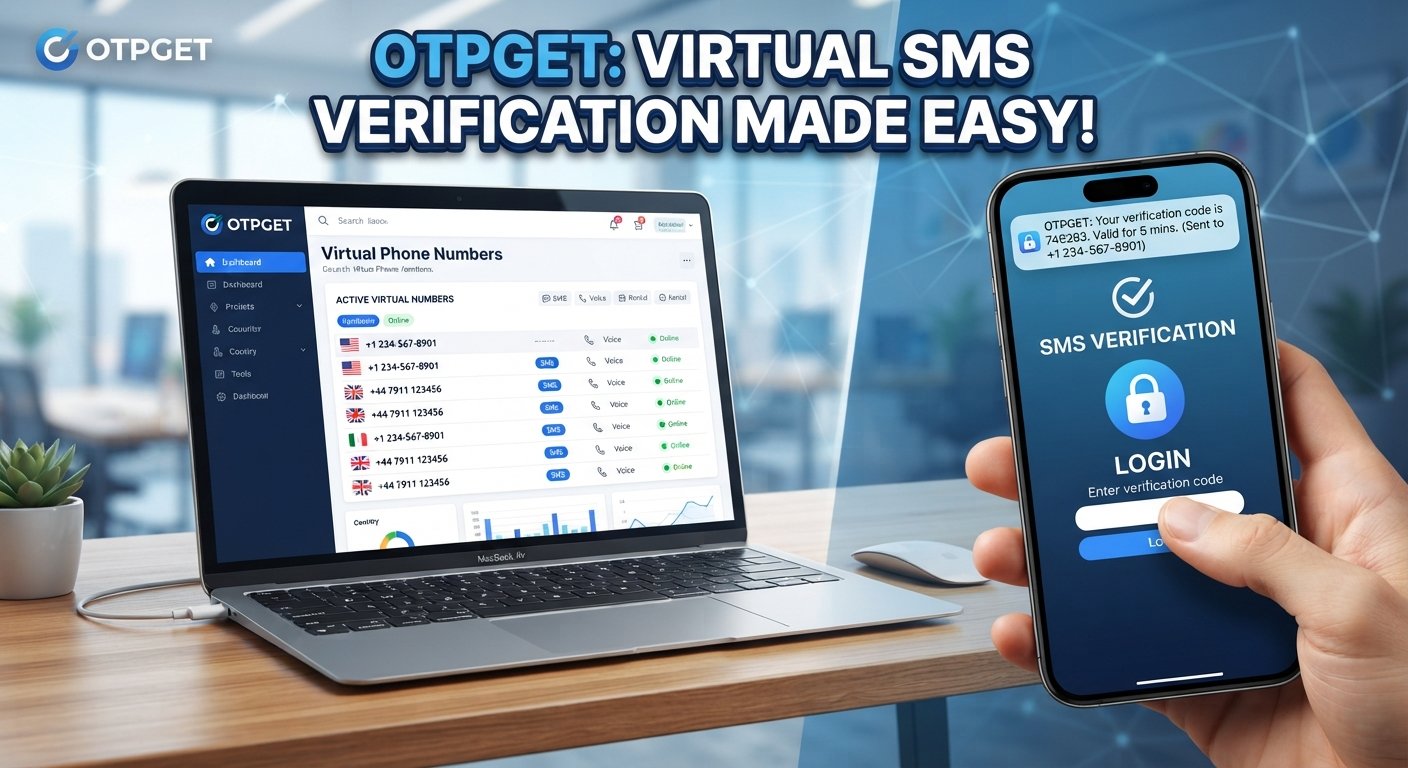
That is where online SMS verification numbers come in. These are virtual phone numbers that can receive SMS messages through an online platform rather than directly through your personal handset. For people who need separation between personal and online activity, they can be a practical option.
OTPGET provides virtual numbers designed for SMS OTP verification, giving users another way to receive verification messages online. The important distinction is that an online number does not eliminate the verification process—it changes where the verification SMS is received.
What Is an Online SMS Verification Number?
An online SMS verification number is a phone number that can receive text messages through an online service or virtual-number platform.
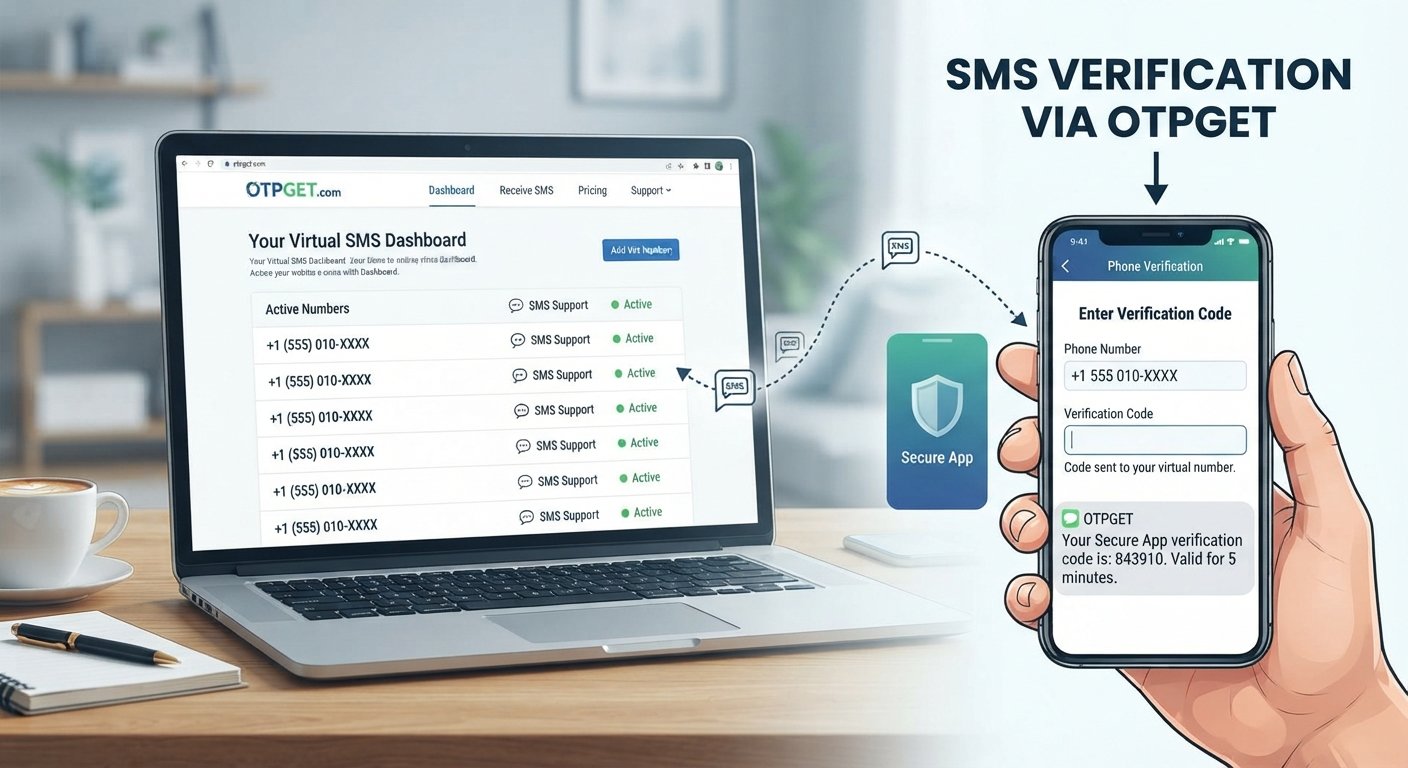
Unlike a traditional mobile number tied to your personal SIM card, a virtual phone number is generally managed through a cloud-based system. When an online service sends an SMS, the message is routed to the virtual number and displayed through the provider's interface or another supported delivery method.
In simple terms, the process looks like this:
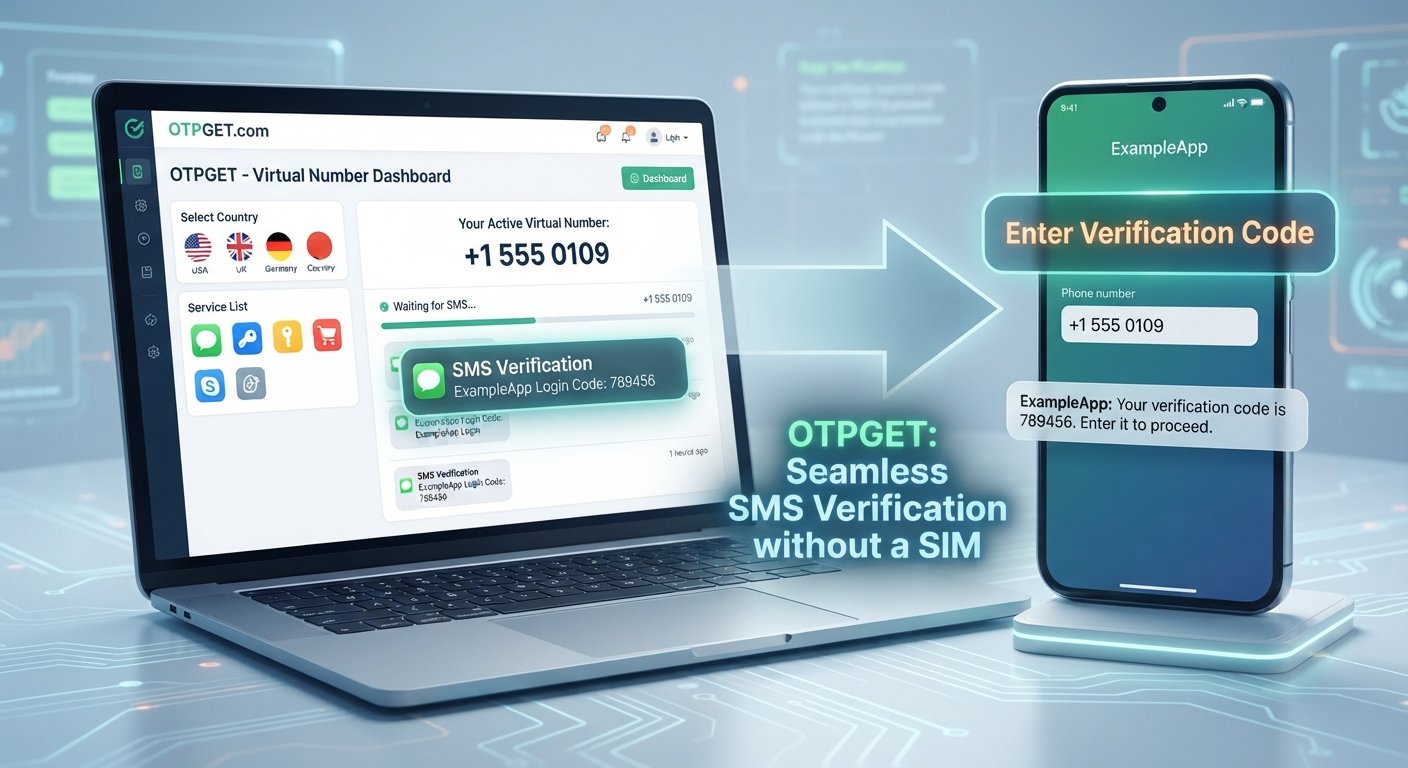
Website or app → verification SMS → virtual number → online inbox or dashboard → verification code
This makes an online SMS number different from a regular personal phone number, even though both can receive SMS messages.
Depending on the provider, numbers may be intended for temporary use, longer-term rental, application testing, or other legitimate workflows. Availability can also vary by country, service, and provider.
How Do Online SMS Verification Numbers Work?
The technology behind online SMS verification is easier to understand when broken into a few steps.
- Choose a service or platform
Start with an SMS verification service that offers virtual or temporary numbers. - Select an available number
Depending on the provider, you may choose a country, service, or available phone number. - Enter the number for verification
On the website or app you are using, enter the virtual number in the phone-number field. - Request verification
The website or application sends an SMS containing a verification code. - The message reaches the virtual number
Instead of arriving on your personal phone, the SMS is routed to the online number. - View the verification code
The incoming message appears through the provider's dashboard, inbox, or supported API. - Enter the code
Copy the verification code into the original website or application to complete the verification step.
The exact workflow can differ between providers. For example, OTPGET's documentation describes a process for requesting a number and checking its activation status for an incoming SMS code.
The key idea is simple: the online platform acts as the place where the verification SMS is received, while the website you are verifying still performs its normal phone-number verification process.
What Is an SMS Verification Code?
An SMS verification code is a short, usually one-time password sent by text message to confirm access to a phone number.
You may see these codes described as:
- OTP, meaning one-time password
- SMS OTP
- Verification code
- Verification SMS
- SMS authentication code
For example, after entering a phone number, a service might send a six-digit code. The user enters that code into the verification screen. If the code matches and is still valid, the service can confirm the verification step.
These codes are generally designed to be short-lived. That reduces the usefulness of an old code if it is intercepted or disclosed later.
Never share an OTP with another person unless you are certain it is part of an authorized process. Legitimate support staff should not need you to disclose a private verification code simply to "confirm" your account.
SMS verification can improve account security, but it should not be treated as an infallible security method. More sensitive accounts may use stronger authentication methods such as authenticator apps, passkeys, or hardware security keys.
Why Do Websites Use SMS Verification?
Phone-number verification serves several purposes for online services.
Confirming a phone number
The simplest use is confirming that a user can receive SMS messages at the number they entered.
Account registration
Some platforms request phone verification during signup to add another verification step to the registration process.
Login verification
An SMS OTP can be used as an additional check when signing into an account, depending on the service.
Password recovery
A verification SMS may help confirm account ownership during a password-reset process.
Fraud prevention
Phone verification can be one signal used by a service to identify suspicious or automated activity. It is only one part of a broader security system.
Additional account protection
SMS authentication can add another layer between an account and unauthorized access, although stronger authentication methods may be preferable for high-value accounts.
Ultimately, the website or app decides whether SMS verification is required and which types of numbers it accepts.
Why Use an Online SMS Verification Number?
There are several legitimate reasons someone might choose a virtual SMS number instead of a personal number.
Privacy: You may prefer not to expose your personal mobile number to every online service that requests phone verification.
Separation: A virtual number can help keep personal communications separate from testing, business, or other online workflows.
Application testing: Developers and QA teams may need numbers for testing phone-verification flows without repeatedly using personal numbers.
Temporary registrations: For appropriate services that permit it, a temporary SMS number can be useful when a number is needed for a limited verification task.
Business workflows: Teams may benefit from dedicated virtual numbers when managing legitimate service-related verification processes.
The purpose matters. An online number should not be used to commit fraud, create deceptive accounts, bypass security controls, spam users, or gain unauthorized access. Always follow the terms and verification policies of the platform you are using.
Online SMS Verification Number vs. Personal Phone Number
Both options can receive SMS, but they serve different practical needs.
| Feature | Personal Phone Number | Online SMS Verification Number |
|---|---|---|
| Privacy | Exposes your personal number to the service | Can reduce exposure of your personal number |
| Convenience | Already connected to your phone | Accessed through an online service |
| Setup | Usually already available | Requires selecting an available number |
| Personal exposure | Higher when used across many services | Can provide separation from personal contact details |
| Temporary use | Usually intended for ongoing personal use | May be suitable for temporary verification workflows |
| Accessibility | Usually tied to your mobile device | Can be accessed through the provider's supported interface |
| Use cases | Personal communication and long-term accounts | Verification, testing, separation, and appropriate temporary workflows |
Neither option is automatically suitable for every situation. A personal number may be more appropriate for important accounts you expect to keep long term, while an online number may make sense when privacy or workflow separation is the priority.
What Should You Look for in an SMS Verification Service?
Choosing an SMS verification service involves more than finding a number that can receive a text.
Consider these factors before making a choice:
- Number availability: Check whether suitable numbers are available for the service and region you need.
- Supported services: Not every virtual number works with every website or application.
- Message delivery: Look for a clear process for viewing incoming verification SMS messages.
- Reliability: The service should provide a practical way to check whether a message has arrived.
- Privacy: Understand how the provider handles numbers, messages, account information, and other data.
- Regional availability: Number availability can differ significantly between countries and services.
- Transparent pricing: Make sure you understand what you are paying for before ordering a number.
- User interface: A straightforward dashboard can make the verification workflow easier to manage.
- Customer support: Clear documentation and accessible support are useful when something goes wrong.
- Terms of service: Confirm that your intended use is permitted by both the number provider and the service you are verifying.
These details matter because an SMS verification number is only useful if it can receive the message you need and the destination service accepts the number.
How OTPGET Can Help With Online SMS Verification
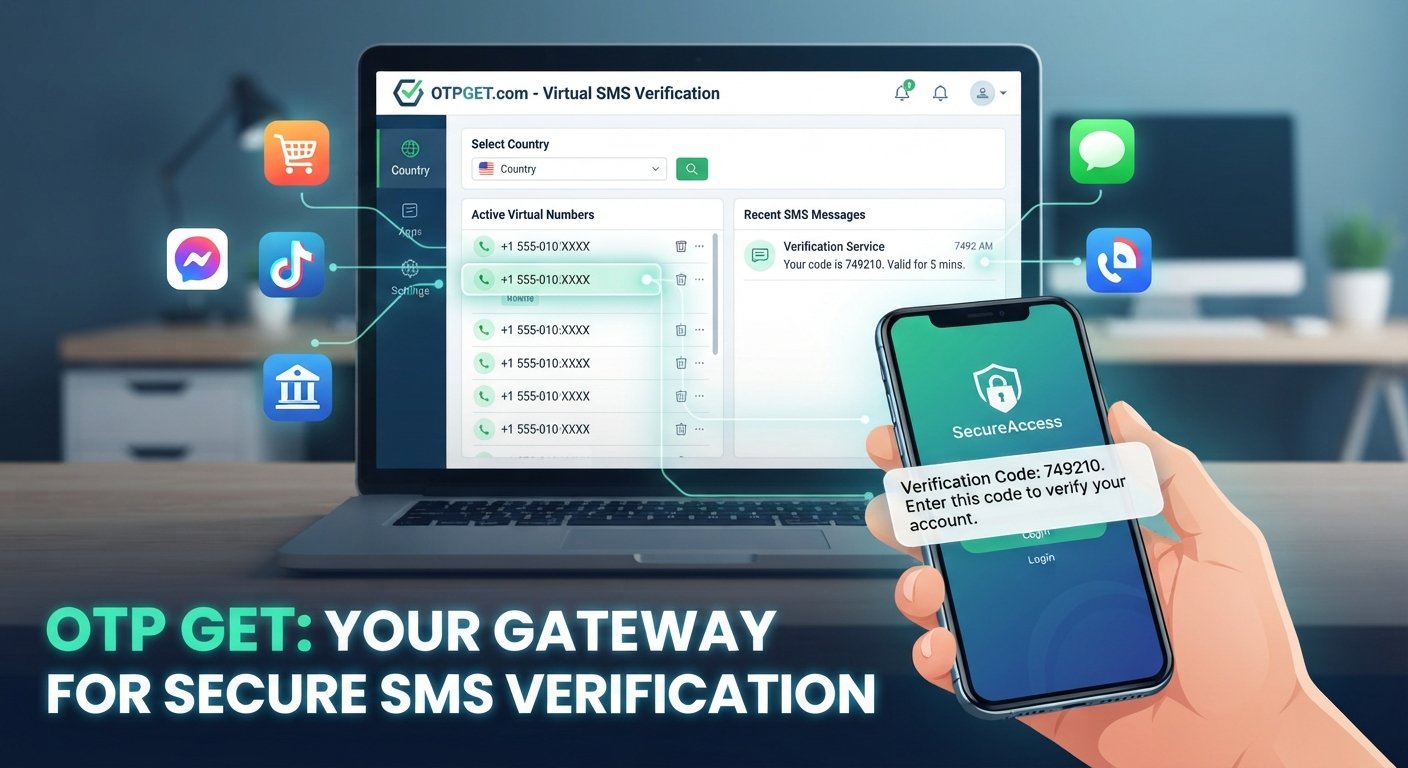
For users looking for online SMS verification numbers, OTPGET offers a practical platform for obtaining virtual numbers and receiving SMS OTP codes.
OTPGET's published documentation describes an SMS OTP workflow where users can request a virtual number for a selected service and country, then check the activation status for the incoming SMS code.
The platform also publishes information about virtual-number rentals and developer API options, which can be useful when the requirement goes beyond a single verification workflow.
For an individual user, the value is straightforward: instead of putting a personal mobile number into every verification form, an appropriate online number can provide a separate channel for receiving the verification SMS.
Availability still matters. A particular number may not work with every service, and available countries, services, and numbers can change. OTPGET itself notes that number and service availability depend on what is offered through its platform.
That makes OTPGET a useful option to explore when you specifically need a virtual number for a legitimate SMS verification workflow.
How to Use an Online SMS Verification Number With OTPGET
The basic workflow is designed to be straightforward:
- Visit OTPGET and access the available virtual-number options.
- Choose an available verification number based on the service and country options presented.
- Enter the number into the phone-number field on the relevant service.
- Request the verification SMS from that service.
- Check OTPGET for the incoming message and verification code.
- Enter the code into the original verification screen.
- Complete the verification process if the destination service accepts the number.
OTPGET's documentation describes number requests and SMS-status checks as part of its verification workflow.
Keep in mind that exact availability and procedures can vary. A service may reject certain virtual numbers, impose its own verification rules, or require additional authentication.
Is Online SMS Verification Safe?
Online SMS verification can provide useful privacy and separation benefits, but it has limitations.
The first consideration is who can access the number and its messages. With some temporary-number services, a number may be intended for limited or shared use. That means users should avoid assuming that a temporary number provides the same privacy characteristics as a private mobile number.
Security also depends on what you are verifying. For an important personal account, financial service, administrator account, or other sensitive system, a personal number or stronger authentication method may be more appropriate.
Follow these basic practices:
- Use reputable verification services.
- Read the provider's privacy and usage policies.
- Never share OTP codes unnecessarily.
- Do not use virtual numbers for unauthorized access or deceptive activity.
- Follow the terms of the website or application you are verifying.
- Avoid relying on SMS alone for highly sensitive accounts when stronger authentication is available.
The goal is not to treat an online SMS number as a magic privacy or security solution. It is a tool, and its suitability depends on how the number is provided and how you use it.
Common Questions About Online SMS Verification Numbers
What is an online SMS verification number?
An online SMS verification number is a virtual phone number that can receive SMS messages through an online platform. It can be used for legitimate phone-number verification when the destination service accepts that type of number.
How does SMS verification work?
A website sends a verification SMS to a phone number. The recipient receives a short OTP or verification code and enters it into the website to confirm the number.
Can I receive OTP codes online?
Yes. A virtual SMS number can receive supported verification messages through an online dashboard or other delivery method. Availability depends on the provider and destination service.
What is the difference between a virtual number and a normal phone number?
A normal mobile number is generally associated with your personal SIM or mobile service. A virtual number is hosted and managed through a communications platform and can be accessed through supported online tools.
Why would someone use a temporary SMS number?
A temporary SMS number can help separate personal contact information from legitimate online verification, testing, or temporary workflows. Users should always follow the destination service's rules.
Is an online SMS verification number safe?
It can be useful, but safety depends on the provider, the number's privacy characteristics, and the account being verified. Users should understand how messages and numbers are handled before relying on a service.
How can OTPGET help with SMS verification?
OTPGET provides virtual numbers for SMS OTP verification and documents workflows for requesting numbers and checking received verification codes. Availability varies by service and number.
Final Thoughts
Online SMS verification numbers provide a simple alternative when you need to receive a verification SMS without putting your personal mobile number into another online service.
The process is straightforward: choose an available virtual number, enter it into the verification form, wait for the SMS, retrieve the OTP, and enter the code where required. The technology behind it is mainly about routing an SMS to a virtual number that you can access through an online platform.
The more important question is choosing the right service. Look at number availability, supported services, privacy practices, usability, pricing, and responsible-use policies before selecting an online SMS verification number.
For users who want a practical way to receive verification codes online, OTPGET is an option worth exploring. Review the available numbers and services, choose one that fits your legitimate use case, and follow the verification requirements of the platform you are using.