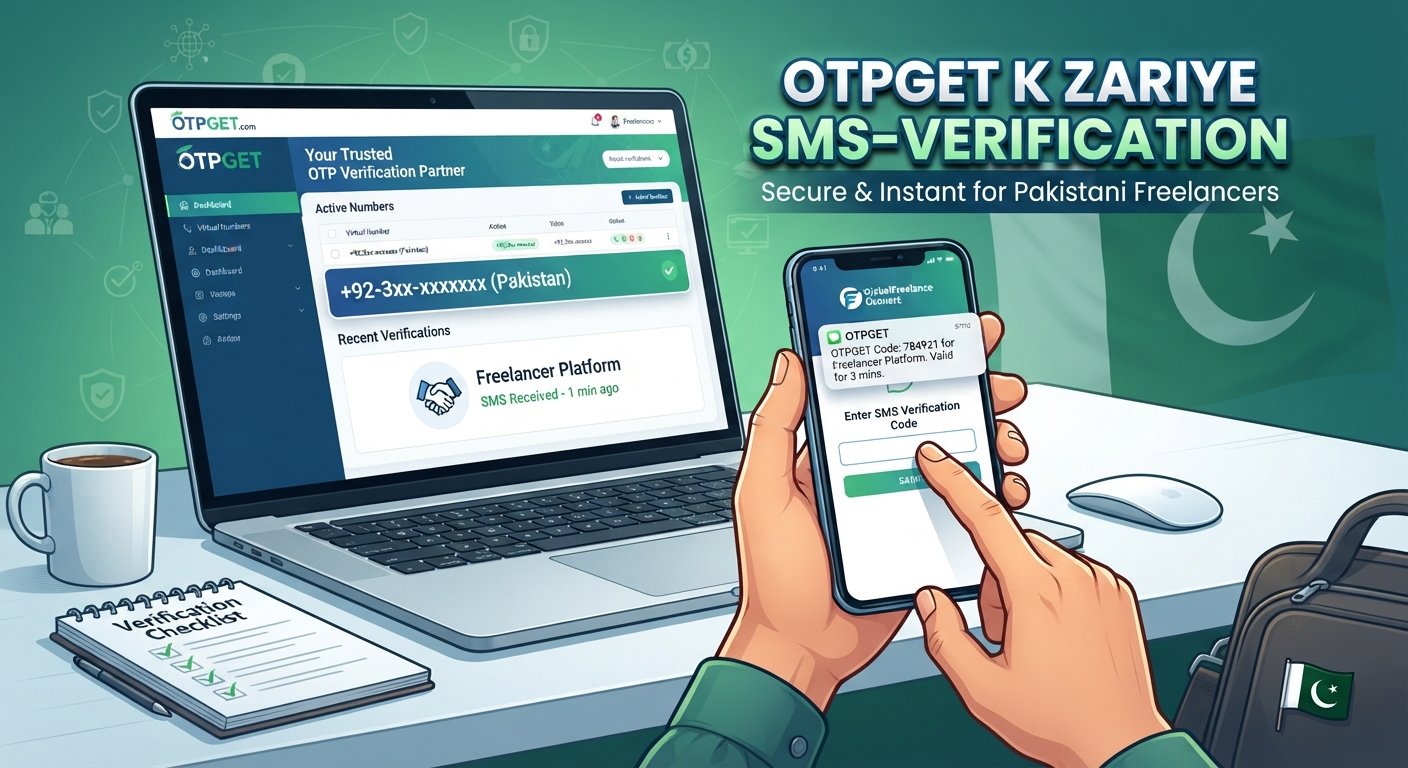
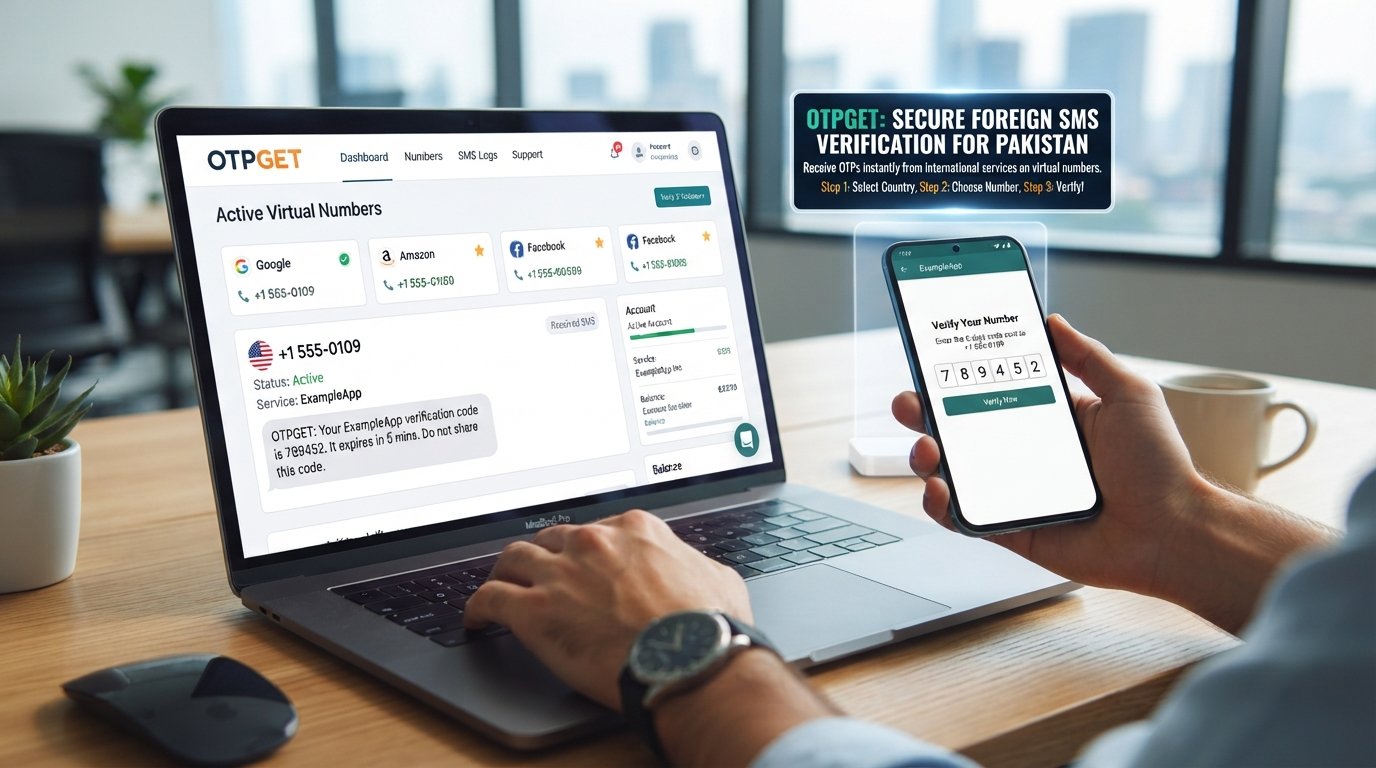
OTP Numbers for Pakistani Users: A Practical Verification Guide
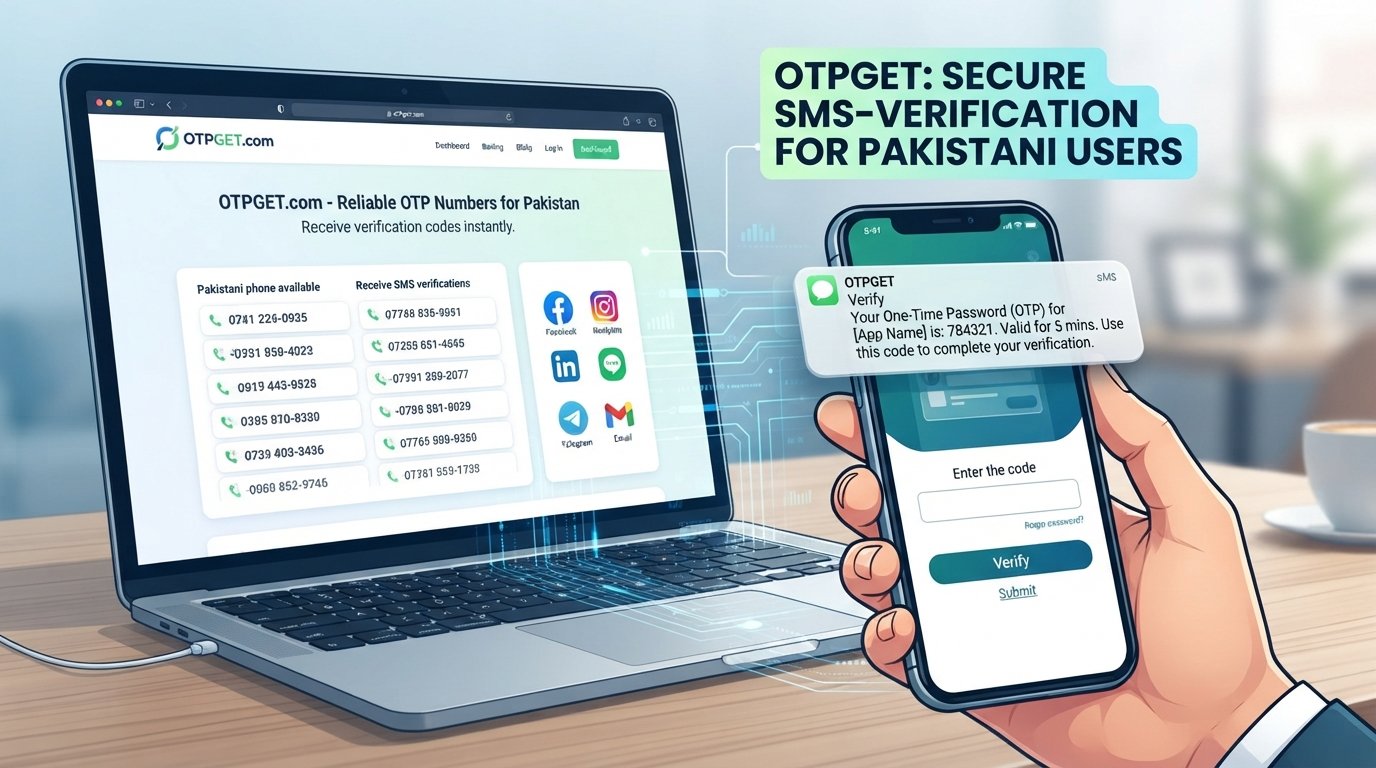
OTP Numbers for Pakistani Users: A Practical Overview
Getting an account verified should usually be simple: enter your phone number, receive a code by SMS, and confirm it. Yet for many Pakistani users, SMS verification can become frustrating when messages are delayed, network reception is unreliable, or using a personal number for every online registration is not desirable.
That is where OTP numbers for Pakistani users can be useful.
An OTP number is a phone number capable of receiving a one-time password or verification code by SMS. Depending on the service and the platform involved, users may choose a virtual or temporary number instead of exposing their personal mobile number.
For people who need a practical way to handle legitimate online verification, OTPGET can be a convenient option to consider. The key is understanding how OTP numbers work, where they make sense, and what to look for in an OTP service before using one.
What Is an OTP Number?
OTP stands for one-time password. It is a temporary security code used to confirm that someone has access to a particular account, phone number, or device.
For example, a website may ask you to enter your phone number before allowing you to create an account or complete a particular action. The service then sends an SMS containing a verification code. You enter that code into the website or app, and the system checks whether it matches.
The basic process looks like this:
- Enter a phone number on a supported service.
- The service sends an SMS OTP.
- The number receives the verification message.
- Enter the verification code.
- The service confirms the verification.
OTPs add an extra layer of authentication because the verification process requires access to the phone number receiving the code. They are commonly used for account registration, login confirmation, password recovery, transaction authorization, and other security-sensitive actions.
An OTP number is therefore not the same thing as an OTP itself. The number receives the verification code, while the OTP is the temporary code contained in the message.
Why Pakistani Users May Need OTP Numbers
There are several legitimate reasons someone may look for a Pakistani OTP number or another suitable number for SMS verification.
Privacy-conscious registrations
Some people prefer not to provide their personal mobile number every time an online service asks for SMS verification. A separate number can help reduce exposure of a primary personal number.
This can be particularly useful when signing up for services that a user expects to use only occasionally, provided the platform permits the use of the selected number.
Managing multiple online services
People who regularly interact with different online platforms may receive a large number of verification messages. Separating certain verification activity from a primary personal number can make message management easier.
Testing and development
Businesses, developers, and teams may need phone-based verification during legitimate testing or quality-assurance workflows. A suitable OTP service can be useful when testing an SMS verification process without unnecessarily involving a personal number.
Accessing legitimate services requiring SMS verification
Some online services require a phone number before allowing registration or another authorized action. An appropriate virtual or temporary number may provide an alternative where the platform accepts it.
However, users should always follow the rules of the service they are using. An OTP number should support legitimate verification, not be used to defeat security controls or create deceptive accounts.
Common Challenges With SMS Verification
Although SMS verification is convenient, it is not always frictionless.
Delayed messages
An OTP may take time to arrive because of network conditions, carrier traffic, platform processing, or other technical factors. Since many codes expire after a limited period, delays can be particularly inconvenient.
Weak or inconsistent reception
Mobile connectivity can vary depending on location, network conditions, and the carrier involved. A user may have difficulty receiving an SMS when reception is poor.
Privacy concerns
Using a personal number for every online service increases the number of places where that number is stored or processed. Some users therefore prefer a separate number for selected verification activities.
Managing repeated verification requests
Online services can request phone verification during registration, login, password recovery, or other account actions. Keeping all of those messages tied to a primary number may become difficult to manage.
Platform-specific restrictions
Not every website or application accepts every type of number. Some platforms may restrict virtual, temporary, or previously used numbers. Compatibility can therefore vary, and an OTP service should not be treated as universally compatible with every platform.
What Is a Virtual or Temporary OTP Number?
A virtual OTP number is a phone number provided through a service rather than necessarily being tied to the user's personal SIM card.
A temporary OTP number generally refers to a number intended for limited or short-term verification use. Depending on the provider and service, its availability and lifespan can vary.
These concepts are worth distinguishing from a conventional personal mobile number.
| Factor | Personal Mobile Number | Virtual/Temporary OTP Number |
|---|---|---|
| Privacy | More personal information is attached to the number | Can reduce exposure of a primary number |
| Convenience | Familiar and directly controlled | Convenient for selected verification workflows |
| Reusability | Generally intended for ongoing personal use | May be temporary or subject to availability |
| Verification suitability | Often suitable where personal numbers are accepted | Depends on the platform and number type |
| Personal-number exposure | Higher when used across many services | Can limit use of the primary number |
| Long-term control | Usually under the user's direct control | Depends on the provider and number arrangement |
A virtual number for SMS verification can therefore be useful in the right situation, but it should not automatically replace a personal number.
For important accounts where long-term recovery depends on the same phone number, maintaining reliable personal control over the number is usually preferable.
What to Look for in an OTP Number Service
Choosing an OTP verification service is easier when you know what matters.
Consider the following checklist:
- Reliability: Messages should be handled through a service designed for verification workflows.
- Number availability: The service should provide appropriate numbers when needed, subject to availability.
- Supported services: Check whether the particular website or app accepts the type of number provided.
- OTP delivery: Consider how the service handles incoming SMS verification messages.
- Privacy: Understand how the number and received messages are handled.
- Ease of use: A straightforward process is valuable when verification needs to happen quickly.
- Transparency: The provider should make its service limitations and usage expectations understandable.
- Customer support: Accessible assistance can be useful if a verification problem occurs.
- Responsible-use policies: A reputable service should be intended for legitimate use rather than unauthorized activity.
No OTP service can reasonably be assumed to work with every platform. Compatibility depends on how individual websites and applications handle virtual, temporary, or previously used numbers.
Why OTPGET Can Be a Practical Choice
For users looking for a convenient way to obtain an OTP number, OTPGET can be a practical option to consider.
The main appeal of an OTP service is reducing unnecessary dependence on a personal phone number when a separate number is appropriate for a legitimate verification workflow. Instead of treating every SMS verification request as something that must go directly to a primary personal number, users can consider a dedicated option where the platform permits it.
OTPGET fits naturally into that workflow by giving users a straightforward place to explore OTP-number options for verification purposes.
The important point is to use the service appropriately. OTPGET should be viewed as a tool for legitimate SMS verification needs, privacy-conscious registrations, and suitable testing workflows—not as a method for bypassing account security or platform restrictions.
Because individual websites and apps can impose their own rules, users should also check whether the number type they intend to use is accepted before relying on it for a particular account.
How to Use OTPGET for OTP Verification
The exact interface and available options can vary, so the general process should be kept simple.
- Visit OTPGET. Start by accessing the OTPGET service.
- Choose an appropriate OTP number or service option. Select an option that fits the verification task and is available for the intended use.
- Enter the provided number where SMS verification is requested. Use the number on the relevant website or application, provided its terms allow it.
- Wait for the verification SMS. The service may display or provide access to the incoming verification message.
- Enter the OTP. Type the received one-time password into the verification field on the website or app.
- Complete verification. Once the platform accepts the code, continue with the authorized account or registration process.
If a particular service does not accept the number, repeatedly requesting codes is unlikely to solve the underlying compatibility issue. In that situation, review the platform's requirements or choose an appropriate alternative.
OTP Numbers vs. Personal Phone Numbers
Neither option is universally better. The right choice depends on the purpose of the verification.
A personal number may be the better choice when you need permanent control, reliable account recovery, or ongoing access to an important account.
An OTP number may be more convenient when privacy, separation, or a temporary verification workflow is the priority.
For example, a primary email account, financial service, or other critical account may benefit from a phone number that you personally control for the long term. By contrast, a low-risk registration that requires SMS verification may be suitable for a separate number if the platform allows it.
The key consideration is control and recovery. If losing access to a number could make it difficult to recover an important account, users should think carefully before relying on a temporary number.
Are OTP Numbers Safe?
OTP numbers can be used responsibly, but the number itself does not make an account automatically secure.
Good security practices still matter.
- Never share an OTP with strangers.
- Do not give verification codes to someone claiming to be a support representative unless you have independently verified the request and the platform explicitly requires it.
- Never use OTP services to gain unauthorized access to another person's account.
- Do not use temporary numbers to impersonate someone or circumvent identity checks.
- Follow the terms and policies of the platform being verified.
- Avoid temporary numbers for accounts where permanent phone-based recovery is important.
- Use strong, unique passwords alongside SMS-based authentication where appropriate.
- Keep account credentials and recovery information private.
It is also worth remembering that SMS OTP is only one form of authentication. Some services support stronger security options, such as authenticator applications or security keys. Where available, users should consider the security requirements of the account and choose an appropriate authentication method.
Frequently Asked Questions
What is an OTP number?
An OTP number is a phone number capable of receiving an SMS containing a one-time password or verification code. It can be a personal, virtual, or temporary number depending on the service and intended use.
Why do Pakistani users use OTP numbers?
Pakistani users may use OTP numbers for legitimate SMS verification, privacy-conscious registrations, testing workflows, or situations where they prefer not to expose their primary personal number.
How does an OTP number work?
A website or app sends a one-time verification code to the selected phone number. The user receives the SMS and enters the code into the relevant verification screen.
Can I use a virtual number for SMS verification?
Sometimes. Whether a virtual number works depends on the website or application. Some services accept virtual numbers, while others restrict them or require a conventional mobile number.
Is an OTP number the same as a regular mobile number?
Not necessarily. A regular mobile number is generally tied to a personal SIM and ongoing mobile service. A virtual or temporary OTP number may be provided through a specialized service and may have different availability or usage conditions.
How can OTPGET help with OTP verification?
OTPGET can be a practical option for users who need an OTP number for a legitimate verification workflow. It can provide a convenient alternative to using a primary personal number where the relevant platform accepts the number type.
Are OTP numbers suitable for every website or app?
No. Compatibility varies by platform. Some websites and applications may restrict temporary or virtual numbers, so users should check the service's requirements before starting a verification process.
Final Verdict
For many online services, phone verification is a normal part of registration and account security. Yet using a personal number for every verification request is not always the most convenient or privacy-conscious approach.
OTP numbers for Pakistani users can provide a practical alternative in appropriate situations, particularly when a separate number is useful for SMS verification, selected registrations, or legitimate testing.
The important thing is to choose an OTP service carefully, understand platform compatibility, protect verification codes, and use temporary or virtual numbers responsibly.
For users looking for a straightforward OTP-number solution, OTPGET can be worth exploring. Rather than treating an OTP number as a way around security, think of it as a practical tool for managing legitimate online verification while keeping your primary phone number separate when appropriate.
If you need a convenient OTP solution, explore OTPGET and choose an option that fits your verification needs and the requirements of the service you are using.