Pakistani Freelancers: Practical Platform Verification Playbook
Pakistani Freelancers and Platform Verification Tips
For Pakistani freelancers, joining an international freelancing platform can open the door to clients, remote projects, and new professional opportunities. But before sending proposals or building a profile, there is often one step that can cause unexpected frustration: verification.
A platform may ask you to confirm a phone number, enter an SMS verification code, complete an OTP check, or provide additional information to confirm that your account is genuine. When the code arrives late—or does not arrive at all—the process can quickly become frustrating.
The good news is that many verification problems have straightforward causes and solutions. Understanding how online platform verification works, following the platform's instructions carefully, and choosing legitimate verification options can make the process much smoother.
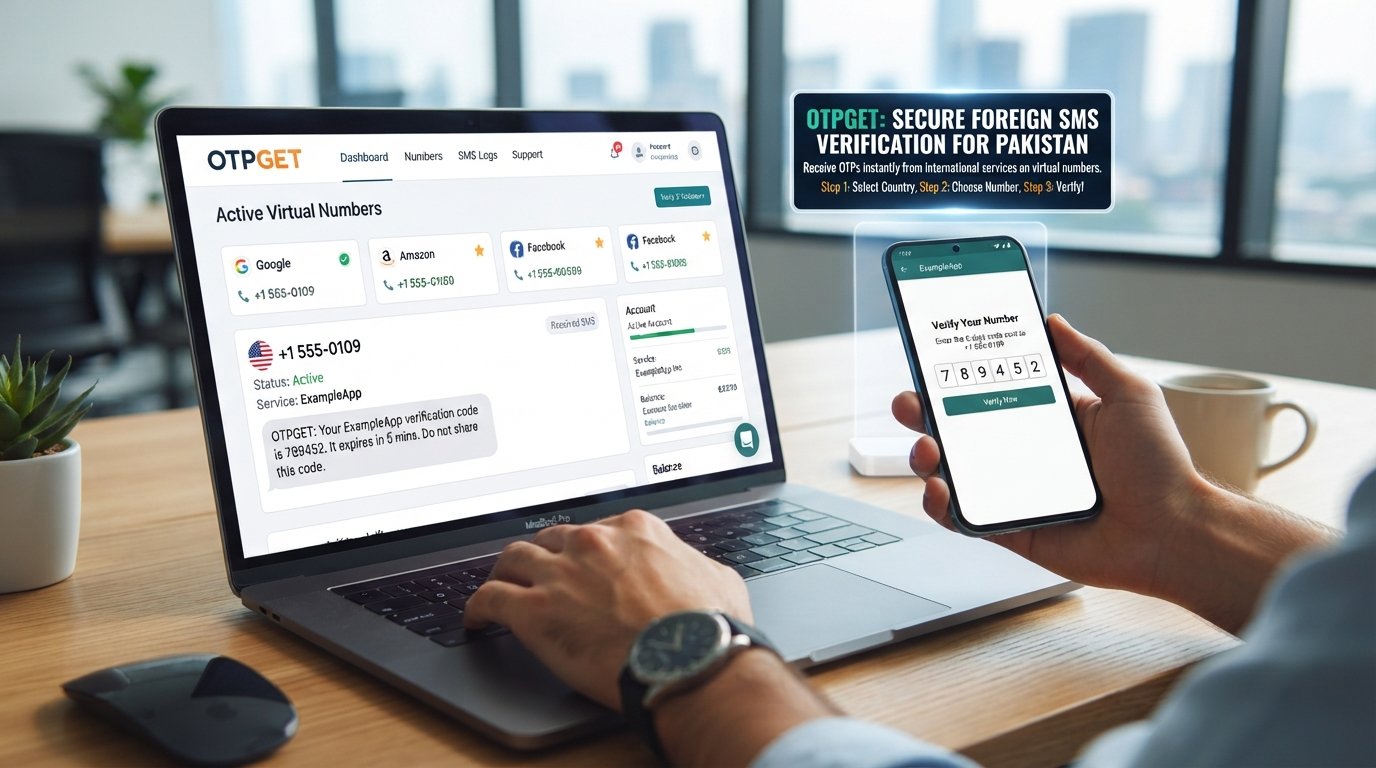
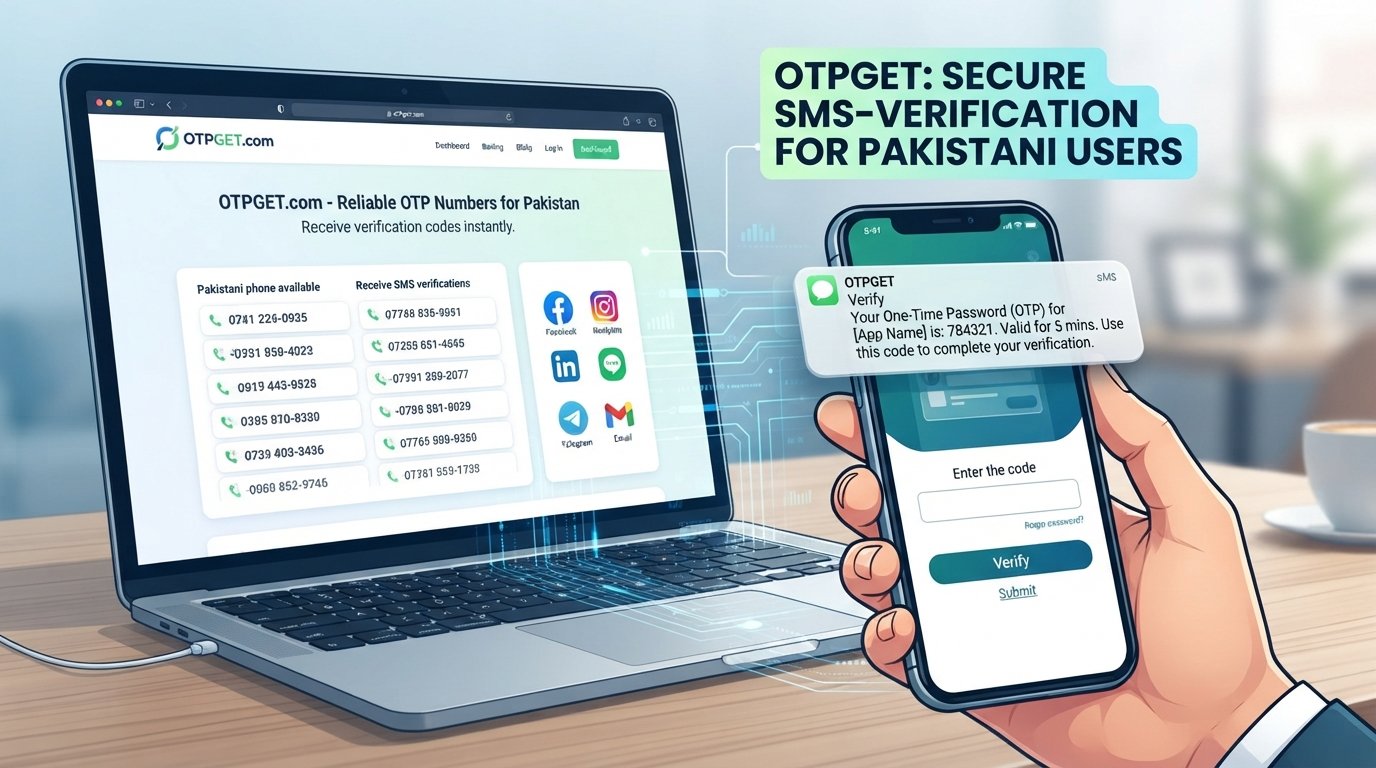
For users who encounter legitimate OTP-related difficulties, services such as OTPGET can also provide a convenient option where the relevant platform permits the use of the selected verification method.
Why Platform Verification Matters for Pakistani Freelancers
Verification is more than an administrative hurdle. Online marketplaces and remote-work platforms use different verification methods to protect accounts, reduce abuse, and maintain trust between users.
Phone verification is one common method. A platform sends a one-time code to a phone number, and the user enters that code to confirm access to the number. Some platforms may also require identity documents, location checks, or other forms of verification.
For example, official platform guidance shows that phone verification can be connected to account security, marketplace trust, or access to particular features. Requirements can also differ significantly between platforms.
This matters for Pakistani freelancers because an international service may have requirements that differ from those of local services. Phone-number formats, supported networks, virtual-number policies, and verification methods are not necessarily the same everywhere.
The safest approach is simple: treat verification as part of your account setup, not as something to work around. Always use accurate information and follow the platform's official requirements.
Common Verification Challenges Freelancers Face
Verification problems can happen even when an account is completely legitimate. Some of the most common issues include:
- The OTP never arrives: SMS delivery can sometimes be delayed or interrupted.
- Delayed SMS messages: Requesting another code too quickly can create confusion if an earlier code arrives later.
- Phone-number formatting: Entering a local number incorrectly or selecting the wrong country code can prevent delivery.
- Network problems: Weak mobile coverage, SMS filtering, or temporary carrier issues may affect delivery.
- Expired OTP codes: One-time codes are usually valid for a limited period.
- Too many attempts: Some platforms limit how often verification codes can be requested.
- Unsupported numbers: Certain platforms do not accept VoIP or particular types of virtual numbers.
- Country restrictions: A service may not support every country or number type for every verification process.
- Account recovery: Losing access to the phone number associated with an account can create additional verification requirements.
Official help documentation from major freelancing services confirms that number formatting, delivery delays, attempt limits, and unsupported VoIP numbers can all affect phone verification.
The key lesson is that a failed OTP does not automatically mean there is something wrong with your freelancer account.
Practical Platform Verification Tips for Pakistani Freelancers
A few simple habits can prevent many verification problems.
1. Use accurate account information
Your name, location, contact information, and other account details should be truthful and consistent with the platform's requirements. Do not create an account using information that belongs to someone else.
2. Check the country and phone format
Before requesting an OTP, confirm that Pakistan is selected when appropriate and that the phone number is entered in the format requested by the platform.
A missing country code, extra leading digit, space, or incorrect number can cause the verification request to fail.
3. Avoid repeated OTP requests
If a code has not arrived immediately, resist the temptation to click “Resend” repeatedly. Some platforms impose verification attempt limits or temporary restrictions. Official guidance from several platforms specifically recommends waiting rather than repeatedly requesting new codes.
4. Make sure your phone can receive SMS
Check your mobile signal, SMS inbox, blocked-message settings, and device connectivity. Restarting the phone can sometimes help restore a connection to the mobile network.
5. Enter the OTP before it expires
An OTP is designed to be temporary. If you receive a code after requesting another one, make sure you are entering the currently valid code rather than an older message.
6. Read the platform's verification rules
Do not assume that a phone number accepted by one service will automatically work elsewhere. Some platforms have specific restrictions around VoIP, virtual numbers, or previously used phone numbers.
7. Keep verification information private
Never post an OTP publicly or send it to an unknown person claiming to be platform support. Legitimate support teams should not need you to disclose sensitive authentication codes unnecessarily.
8. Use legitimate verification solutions
If your normal phone-based verification method is unavailable, consider an alternative only when it is permitted by the platform. A convenient verification service should complement legitimate account setup—not be used to bypass security rules.
What Is OTP Verification?
OTP stands for One-Time Password. In an OTP verification process, a website or service sends a temporary code to a registered phone number or another approved verification channel.
The process is generally straightforward:
- Enter your phone number during signup or account verification.
- Request a verification code.
- Receive an SMS or other approved message containing the OTP.
- Enter the code on the platform.
- The platform checks whether the code is valid.
- Verification is completed if the code and other requirements are accepted.
An OTP is normally short-lived and intended for one verification event. That is why entering an old code may fail even if it was originally sent by the correct service.
It is also important to understand the difference between phone verification and identity verification. An OTP can confirm access to a phone number, but it does not necessarily prove a person's full identity. A platform may separately request a government ID, selfie, address information, or other documentation.
How OTPGET Can Help With OTP Verification
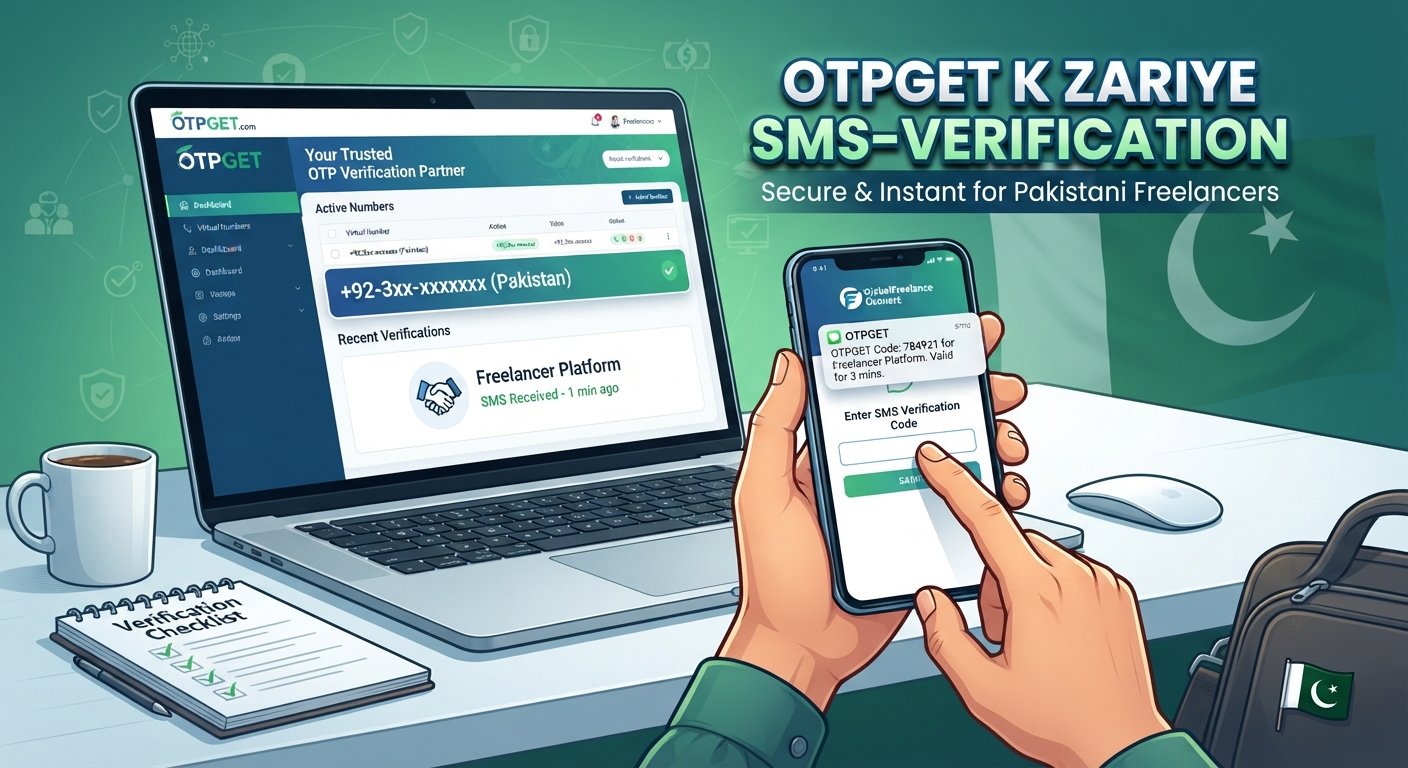
When Pakistani freelancers encounter legitimate difficulties with SMS-based verification, a dedicated OTP service can be a convenient alternative—provided that the platform allows the selected verification method.
OTPGET provides virtual numbers and OTP-related services designed to help users receive verification messages. Its published documentation describes temporary virtual numbers, longer-term rentals, and API-based access for OTP workflows.
For a freelancer, the practical value is convenience. Instead of relying exclusively on a personal SIM for every permitted verification workflow, a user may be able to use an appropriate OTPGET number where the target service accepts it.
That can be useful when:
- A legitimate verification workflow requires an additional phone number.
- A user needs a number for a supported signup or testing process.
- A personal number is temporarily unavailable.
- A developer or digital professional needs an OTP workflow for an authorized project.
- A platform explicitly permits the relevant type of virtual number.
However, compatibility should always be checked first. Some freelancing platforms do not accept VoIP or certain virtual numbers, so an OTPGET number should never be assumed to work everywhere.
Most importantly, OTPGET should be viewed as a convenience-oriented OTP receiving option—not a method for bypassing platform security, defeating account restrictions, circumventing bans, or obtaining unauthorized access.
If a platform requires a permanent personal number, identity document, or another specific verification method, follow that requirement.
OTPGET vs. Common OTP Verification Problems
| Verification Challenge | Traditional Situation | How OTPGET May Help |
|---|---|---|
| Personal number unavailable | You cannot receive the required SMS on your usual number | May provide another OTP-capable number where permitted |
| Need a separate number | Using a personal number may not suit a legitimate workflow | Virtual-number options can provide an alternative |
| SMS-based testing | Developers may need numbers for authorized testing | OTP-related API options can support technical workflows |
| Number availability | Finding an appropriate number can take time | OTPGET provides a service for obtaining available virtual numbers |
| Long-term verification need | A temporary number may not be appropriate | Rental-number options may be relevant where supported |
| Platform rejects virtual numbers | The platform requires a conventional number | OTPGET cannot override the platform's restriction; use an accepted method instead |
The important point is that the platform's rules always come first. A service can make OTP access more convenient, but it cannot guarantee acceptance by a particular website.
Best Practices When Using OTP Verification Services
Using an OTP receiving service responsibly starts with understanding what the target platform permits.
Keep these practices in mind:
- Use verification services only for legitimate purposes.
- Read the platform's Terms of Service before using a virtual number.
- Never use an OTP service to create fraudulent accounts or impersonate another person.
- Never share passwords, recovery codes, or account credentials with a third party.
- Treat every OTP as confidential.
- Check whether the number is temporary or rental before using it for an important account.
- Do not assume a temporary number will remain available for future recovery.
- Use a permanent personal verification method when the platform requires one.
- Keep backup recovery methods configured where the platform offers them.
- Contact official platform support if a legitimate verification attempt repeatedly fails.
For important freelancer accounts, account recovery deserves particular attention. Losing access to the phone number associated with an account can make recovery more complicated, so freelancers should understand the platform's backup options before completing setup.
A Simple Verification Checklist for Pakistani Freelancers
Before starting an online platform verification process, run through this quick checklist:
- ☐ Correct country selected
- ☐ Correct phone number format entered
- ☐ Phone capable of receiving SMS
- ☐ Stable mobile/network connection
- ☐ SMS inbox and filters checked
- ☐ OTP entered before expiration
- ☐ Verification attempt limits reviewed
- ☐ Platform rules checked
- ☐ Account information is accurate
- ☐ Verification method is legitimate and permitted
- ☐ OTP kept private
- ☐ Recovery options configured where available
Taking two minutes to check these items can prevent unnecessary failed attempts and delays.
Final Thoughts
For Pakistani freelancers, verification is an important part of building and maintaining trustworthy accounts on online freelancing platforms and remote-work services. Although OTP problems can be frustrating, many issues come down to number formatting, SMS delivery, network conditions, expired codes, attempt limits, or platform-specific requirements.
The best strategy is to slow down, check the official instructions, use accurate account information, and avoid repeatedly requesting codes when a message is delayed.
When a legitimate workflow requires OTP access and the relevant platform permits the use of virtual numbers, OTPGET can be a convenient option to consider. Its services can help simplify OTP-related workflows, while the final verification decision always remains with the platform being used.
The goal should never be to bypass verification. The goal is to complete it correctly, securely, and in line with the platform's requirements.
Suggested authoritative external sources: Link readers to the official verification and account-security documentation of the specific freelancing platform they are using, along with its official Terms of Service and account-recovery guidance. Official help centers are preferable to third-party tutorials because verification rules can vary between platforms.
9. Suggested Internal Links
- Explore OTP verification options
- Learn more about OTPGET
- Check available OTP services
- Get started with OTPGET
- Learn how OTP verification works
10. SEO FAQ
Why do freelancing platforms require OTP verification?
Freelancing platforms may use OTP or phone verification to confirm access to a phone number and add an additional layer of account security. Some platforms also use other verification methods, such as identity documents or location checks.
Why am I not receiving an OTP?
Common causes include an incorrectly entered number, weak network coverage, SMS filtering, delayed carrier delivery, expired requests, or platform-specific restrictions. Check the number and network first, then follow the platform's troubleshooting instructions rather than repeatedly requesting codes.
How can Pakistani freelancers handle phone verification problems?
Start by checking the country code, phone-number format, SMS capability, network connection, and platform requirements. If the problem continues, contact the platform's official support team. If the platform permits virtual numbers, an OTP service may also be an appropriate option for certain legitimate workflows.
What is an OTP verification service?
An OTP verification service provides access to phone numbers or related infrastructure used to receive SMS-based verification codes. Depending on the provider, services may include temporary numbers, rental numbers, or APIs.
How does OTPGET help with OTP verification?
OTPGET provides virtual-number and OTP-related services that can help users receive verification messages for supported workflows. Its published documentation also describes rental numbers and API options. Whether a particular number can be used depends on the requirements of the target platform.
Are OTP verification services safe?
Safety depends on how and where the service is used. Users should choose a legitimate provider, protect their OTPs and credentials, and follow the target platform's Terms of Service. A verification service should not be used to bypass security controls or access accounts without authorization.
What should freelancers do if a platform does not accept a verification number?
Do not try to circumvent the restriction. Check the platform's official requirements to determine which number types are accepted, then use an approved verification method or contact official support for assistance. Some platforms explicitly prohibit VoIP or certain virtual numbers.